
Establishing roots in a new place often involves navigating various bureaucratic processes, and obtaining a driver’s license is a foundational step for anyone looking to embrace the full lifestyle Arizona offers. From the bustling streets of Phoenix to the scenic routes surrounding Sedona, independent mobility is key to experiencing all that the Grand Canyon State has to offer. This comprehensive guide outlines the essential steps and requirements for securing an Arizona driver’s license, ensuring a smooth transition into your new driving lifestyle.
Understanding Arizona’s Driver’s License Requirements
Before initiating the application process, it’s crucial to understand the prerequisites set forth by the Arizona Department of Transportation (ADOT) Motor Vehicle Division (MVD). These requirements ensure that all licensed drivers are qualified and legally authorized to operate a vehicle within the state.
Eligibility and Residency
To apply for an Arizona driver’s license, you must generally be at least 16 years old. If you are under 18, specific graduated licensing requirements apply, including holding an instruction permit for a minimum period and completing supervised driving hours.
Residency is a critical factor. If you’ve recently moved to Arizona and hold a valid driver’s license from another state, you typically have a grace period (often 30 days) to transfer your license. For new residents, the process is usually simpler, often waiving the written and road tests if your out-of-state license is current and valid. However, first-time drivers or those with expired out-of-state licenses will need to complete all testing requirements. Proof of Arizona residency, such as utility bills, rental agreements, or bank statements, will be required.
Required Documentation
The MVD employs a strict documentation policy to prevent identity theft and ensure proper authorization. You will need to provide several pieces of identification to verify your identity, legal presence, and residency. It’s advisable to gather these documents well in advance of your appointment:
- Proof of Identity: This typically includes a U.S. birth certificate, valid U.S. passport, or a foreign passport with an unexpired U.S. visa and I-94 form.
- Proof of Social Security Number (SSN): Your Social Security card or a document displaying your full SSN (e.g., W-2 form, pay stub) is required.
- Proof of Arizona Residency: Two different documents showing your current Arizona residential address are necessary. Examples include a utility bill, bank statement, rental agreement, or a vehicle registration document.
- Proof of Legal Presence: For non-citizens, this might involve a Permanent Resident Card, Employment Authorization Document (EAD), or other immigration documents verifying your lawful status in the U.S.
- Previous Driver’s License (if applicable): If you are transferring a license from another state, bring your current valid driver’s license.
All documents must be originals or certified copies. Photocopies are generally not accepted. It’s always best to check the official ADOT MVD website for the most current list of acceptable documents, as requirements can occasionally be updated.
The Application Process: Step-by-Step
Navigating the MVD can seem daunting, but breaking down the process into manageable steps can simplify your experience and get you on the road faster, enjoying the Arizona lifestyle.
Scheduling Your Appointment
While some MVD services allow walk-ins, scheduling an appointment online is highly recommended to minimize wait times, especially for complex transactions like obtaining a new driver’s license. The ADOT MVD website provides an intuitive portal for booking appointments at your nearest MVD office or authorized third-party provider. Choose a time when you are prepared with all necessary documents and have ample time for the process.
Written Knowledge Test
The written knowledge test assesses your understanding of Arizona traffic laws, road signs, and safe driving practices. This test consists of multiple-choice questions drawn directly from the Arizona Driver Handbook. A passing score is required before proceeding to the road skills test. For those transferring a valid out-of-state license, this test is often waived, but it’s crucial to confirm this with the MVD or during your appointment.
Vision Screening
Before you can be issued a license, you’ll undergo a mandatory vision screening. This test checks your visual acuity and peripheral vision to ensure you can safely operate a vehicle. If you wear corrective lenses (glasses or contacts), be sure to wear them for the screening, as this will be noted on your license. If your vision does not meet the minimum requirements, you may be referred to an optometrist for further evaluation.
Road Skills Test
The road skills test, often referred to as the driving test, evaluates your ability to safely and competently operate a vehicle in various real-world scenarios. You must provide a properly registered, insured, and roadworthy vehicle for this test. The examiner will assess your skills in areas such as:
- Vehicle Control: Steering, braking, acceleration, and proper use of signals.
- Traffic Maneuvers: Turns, lane changes, parking (including parallel parking), and backing up.
- Observational Skills: Checking mirrors, blind spots, and obeying traffic signs and signals.
- Safe Driving Practices: Maintaining appropriate speed, following distance, and demonstrating awareness of other drivers and pedestrians.
Passing this test is the final hurdle for most new drivers. If you fail, you will typically be required to wait a certain period before you can retake the test.
Preparing for Success
Success in obtaining your Arizona driver’s license hinges on thorough preparation. Approaching the process with diligence will not only expedite your license acquisition but also instill confidence in your driving abilities.
Studying the Arizona Driver Handbook

The official Arizona Driver Handbook is your primary resource for passing the written knowledge test. Available online through the ADOT MVD website, it covers all essential traffic laws, road signs, and safe driving practices specific to Arizona. Dedicate time to studying its contents thoroughly, and consider taking practice tests available online to gauge your readiness. Understanding these rules is not just for the test; it’s fundamental to safe driving in your new Arizona lifestyle.
Practice Driving
For first-time drivers or those who need to brush up on their skills, extensive practice driving is indispensable. If you are under 18, Arizona mandates a specific number of supervised driving hours. Even if you’re an adult, spending time behind the wheel in various traffic conditions, including highways around Tucson or residential areas in Mesa, will build confidence and refine your skills. Focus on mastering maneuvers like parallel parking, three-point turns, and proper merging techniques, as these are commonly tested.
Vehicle Requirements for the Road Test
The vehicle you use for your road test must meet specific criteria to ensure safety and compliance. It must be properly registered, insured, and in good working condition. This includes having:
- Operational headlights, taillights, brake lights, and turn signals.
- Working horn.
- Clear windshield and functional wipers.
- Working seatbelts for both the driver and the examiner.
- Adequate tires.
- No cracked windows that obstruct vision.
Ensure your vehicle is clean and free of any issues that could lead to a test cancellation. The examiner will conduct a brief pre-test inspection.
Special Considerations
While the general process applies to most, certain situations may require additional steps or different approaches. Understanding these can help tailor your application process.
New Residents vs. First-Time Drivers
As mentioned, new residents with valid out-of-state licenses often have an expedited process, potentially bypassing written and road tests. However, new residents should still familiarize themselves with Arizona’s specific traffic laws, as they may differ from their previous state. First-time drivers, on the other hand, must complete all testing and, if under 18, adhere strictly to the graduated driver’s license program, which includes holding an instruction permit for at least six months and completing at least 30 hours of supervised driving, including 10 hours at night.
Motorcycle Endorsements
If you plan to ride a motorcycle in Arizona, you’ll need a specific motorcycle endorsement added to your driver’s license. This typically requires passing a separate written knowledge test focused on motorcycle laws and a practical skills test. Completing an approved motorcycle safety course can sometimes waive the skills test and may offer benefits in insurance rates, contributing to a safer riding lifestyle.
Commercial Driver’s Licenses (CDL)
For individuals looking to operate commercial vehicles, obtaining a Commercial Driver’s License (CDL) involves a more rigorous process. This includes specialized written tests for different endorsements (e.g., air brakes, hazardous materials, passenger transport) and a comprehensive multi-part road test conducted in the specific class of commercial vehicle you intend to drive. The requirements for a CDL are stringent, reflecting the increased responsibility associated with commercial driving.
REAL ID Compliance
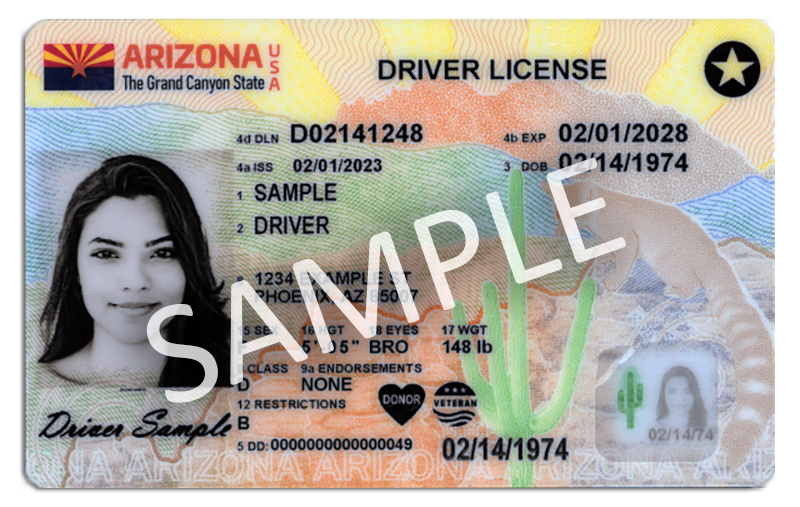
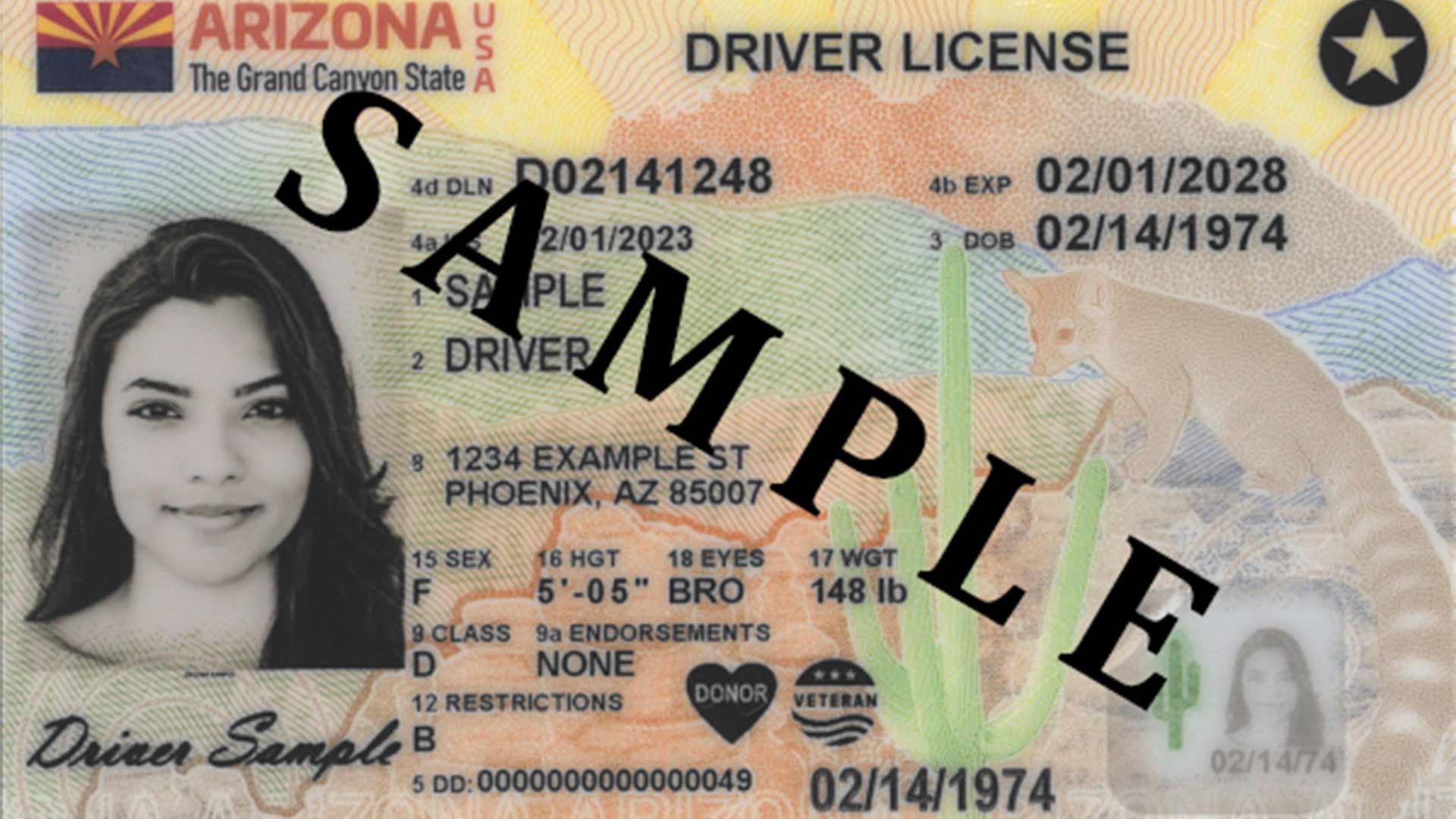
Arizona issues REAL ID-compliant driver’s licenses, marked with a gold star. These licenses are required for boarding domestic flights and accessing certain federal facilities. While non-REAL ID compliant licenses are still available, securing a REAL ID-compliant license simplifies future travel and access needs, integrating seamlessly with your broader lifestyle choices. The documentation requirements are generally the same, but ensuring all your identity and residency proofs are in order is paramount for a REAL ID.
Beyond the License: Driving in Arizona
Once you have your Arizona driver’s license in hand, you’re ready to explore the state. However, understanding the ongoing responsibilities of driving is essential for a safe and compliant lifestyle.
Arizona Driving Laws and Regulations
Even after passing your tests, staying informed about Arizona’s specific traffic laws is crucial. Arizona has distinct laws regarding cell phone use while driving, seatbelt usage, and penalties for driving under the influence (DUI). Familiarize yourself with speed limits, right-of-way rules, and specific regulations for school zones and construction areas to ensure a harmonious driving experience.
Insurance Requirements
Arizona mandates that all drivers carry minimum liability insurance. Driving without valid insurance can result in significant fines, license suspension, and other penalties. It’s wise to research insurance providers and policies to find coverage that meets state requirements and suits your personal needs, protecting your financial well-being as part of your new lifestyle.
Vehicle Registration
If you’ve brought a vehicle from another state, you will need to register it in Arizona within a specific timeframe (typically 15 days for new residents). This process involves a vehicle inspection (in some counties), emissions testing (in Phoenix and Tucson metropolitan areas), and submitting the appropriate documentation and fees to the MVD. Keeping your vehicle registration current is a vital part of legally operating your vehicle in Arizona.
Obtaining your Arizona driver’s license is more than just a bureaucratic task; it’s an essential step toward full integration into the state’s vibrant lifestyle. With careful preparation and a clear understanding of the process, you’ll soon be navigating Arizona’s diverse landscapes with confidence and ease.
LifeOutOfTheBox is a participant in the Amazon Services LLC Associates Program, an affiliate advertising program designed to provide a means for sites to earn advertising fees by advertising and linking to Amazon.com. Amazon, the Amazon logo, AmazonSupply, and the AmazonSupply logo are trademarks of Amazon.com, Inc. or its affiliates. As an Amazon Associate we earn affiliate commissions from qualifying purchases.