

Understanding the Western Area Power Administration (WAPA)
WAPA’s Mission and Scope
The Western Area Power Administration (WAPA) is a federal agency operating under the U.S. Department of Energy, playing a critical role in the transmission and marketing of wholesale electric power. Its primary mission involves delivering reliable, cost-based hydropower generated by federal dams to millions of consumers across a 15-state service territory in the central and western United States. For businesses located in Arizona, understanding WAPA’s extensive operational footprint and diverse needs is the first step toward securing valuable contracts. WAPA manages and maintains over 17,000 circuit miles of high-voltage transmission lines and 300 substations, ensuring the stability and security of the electrical grid. This vast infrastructure requires continuous investment in services, supplies, and construction projects. Contract opportunities range broadly, encompassing everything from engineering, construction, and maintenance of transmission lines and substations, to environmental consulting, IT services, logistics, administrative support, and even specialized equipment procurement. Therefore, various types of businesses within Arizona may find WAPA to be a significant potential client. Engaging with WAPA presents an opportunity to contribute to critical national infrastructure while expanding your company’s federal portfolio.
Identifying Contract Opportunities
For companies eager to bid on WAPA contracts, proactive identification of opportunities is paramount. The principal platform for all federal government solicitations exceeding $25,000 is Sam.gov (System for Award Management). WAPA, like all federal agencies, utilizes Sam.gov to post its Requests for Proposals (RFPs), Invitations for Bids (IFBs), and Requests for Quotations (RFQs). Prospective bidders must establish an account on Sam.gov and regularly conduct targeted searches using keywords relevant to their business’s offerings. Effective search terms might include “power transmission,” “electrical infrastructure,” “substation maintenance,” “environmental services Arizona,” or specific North American Industry Classification System (NAICS) codes that accurately describe your company’s capabilities. Beyond Sam.gov, it’s advisable to periodically check WAPA’s official website, which may provide direct links to procurement notices or offer insights into their long-term contracting strategies. Building a network within the federal contracting community and attending industry conferences focused on energy infrastructure can also uncover potential opportunities and valuable intelligence about upcoming WAPA projects.
Essential Pre-Bidding Preparations
Registration in SAM.gov
Prior to submitting any bid on a federal contract, including those issued by WAPA, a business must be fully registered in the System for Award Management (SAM.gov). This is a non-negotiable requirement for all entities seeking federal contracts or assistance. The SAM.gov registration process is comprehensive and can take several weeks to finalize, underscoring the importance of initiating this step well in advance of identifying a specific solicitation of interest. Key information required includes a Unique Entity Identifier (UEI), tax identification number, bank account details for direct payment, and various representations and certifications pertaining to the business’s legal structure, financial standing, and operational capabilities. Maintaining an active and up-to-date SAM.gov registration is paramount; an expired or incomplete registration will lead to disqualification from contract awards. Furthermore, ensure that your business’s NAICS codes are accurately entered and frequently reviewed, as these classifications dictate which solicitations your company will appear in search results for.
Understanding the Federal Acquisition Regulation (FAR)
Engaging in federal contracting necessitates a deep understanding of the Federal Acquisition Regulation (FAR). The FAR is the definitive set of rules governing the entire federal procurement process, from planning and solicitation to contract award and administration. While its complexity can be intimidating, a strong grasp of its fundamental principles is indispensable for successful federal contractors. Key areas to focus on include competition requirements, various contract types (e.g., firm-fixed-price, cost-reimbursement), ethical standards, socioeconomic programs (such as set-asides for small businesses), and specific clauses related to performance and payment. WAPA contracts, like all federal contracts, are rigorously governed by the FAR. Failure to comply with FAR provisions can result in bid rejection, contract termination, or severe legal and financial penalties. To navigate this intricate regulatory landscape, businesses in Arizona can leverage resources such as government contracting training programs, specialized federal procurement consultants, and official online FAR resources. Investing in this knowledge upfront will significantly enhance your competitiveness and minimize risks.
The Bid Request and Submission Process
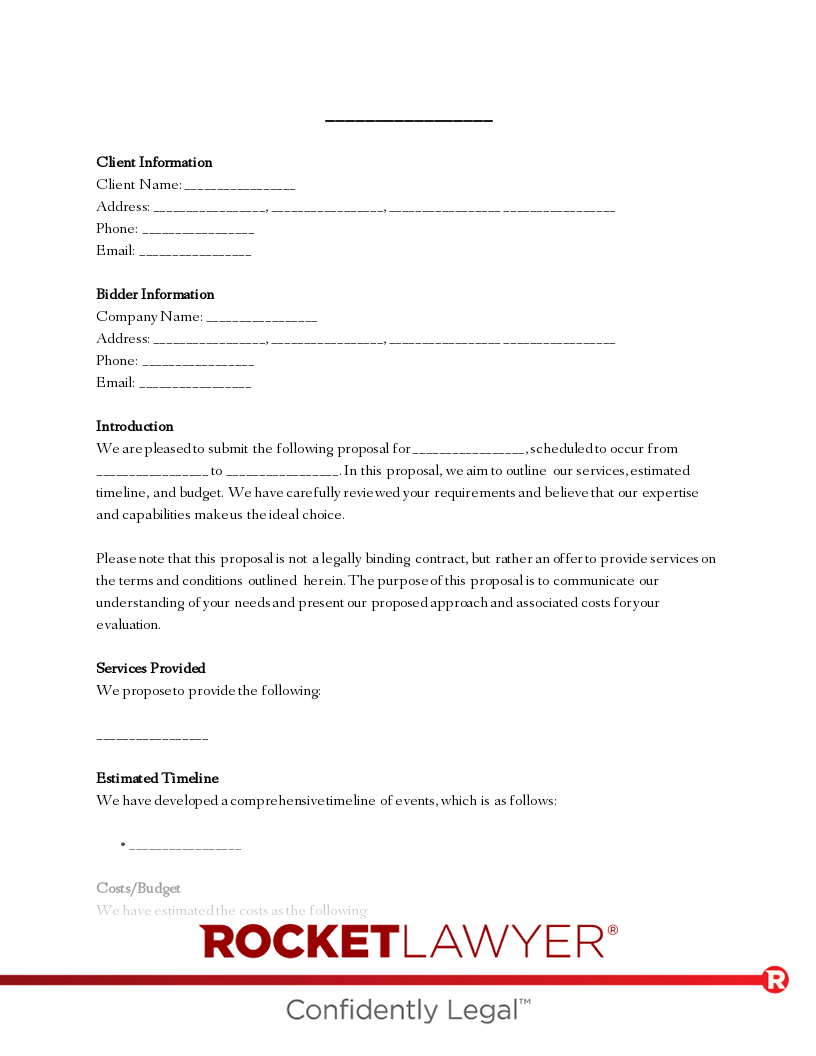
Analyzing the Solicitation Document
Once a promising WAPA solicitation is identified on Sam.gov, the most critical next step is a thorough and meticulous review of the entire solicitation package. This document is the blueprint for the entire contract opportunity, detailing every aspect from the Statement of Work (SOW) or Performance Work Statement (PWS) that defines the required tasks, to the specific evaluation criteria, all applicable terms and conditions, mandatory representations and certifications, and the absolute deadline for submission. It is crucial to pay particular attention to any clauses or requirements specific to performance within Arizona or WAPA’s regional operating areas. Any questions, ambiguities, or requests for clarification must be submitted to the designated contracting officer by the deadline specified in the solicitation. This is typically done through a formal Q&A process, often managed directly within the Sam.gov portal, ensuring that all potential bidders receive consistent information and official responses. Do not proceed with assumptions; clarity is key to a compliant and competitive bid.
Developing a Competitive Proposal
Crafting a winning proposal demands more than simply addressing the minimum requirements outlined in the solicitation. It necessitates demonstrating a profound understanding of WAPA’s challenges and objectives, proposing innovative and cost-effective solutions, and compellingly showcasing your company’s specific expertise and relevant past performance. For service contracts, this might involve detailing your project management methodologies, quality assurance protocols, and the unique qualifications of your key personnel. For product-based bids, focus on specifications, reliable delivery timelines, and comprehensive warranties. Every component of your proposal—the technical approach, management plan, past performance record, and pricing—must be meticulously prepared, cohesive, persuasive, and, critically, fully compliant with every instruction in the solicitation. Pricing must be realistic, justified, and reflect a clear comprehension of the scope of work and all associated costs. Businesses should also highlight any applicable small business designations or other socio-economic factors, as federal agencies, including WAPA, have specific goals for awarding contracts to these categories.
Submission and Follow-Up
The submission of your proposal must adhere strictly to the instructions outlined in the solicitation, typically through an electronic portal like Sam.gov or another designated system. Meticulous attention to detail regarding formatting, file sizes, and naming conventions is paramount, as non-compliant submissions can lead to immediate rejection without evaluation. Critically, bids must be submitted by the exact date and time specified in the solicitation; late submissions are almost universally rejected without exception. Once submitted, the evaluation process begins. During this phase, direct communication with the contracting officer about the status of your bid is generally not permitted. However, if your bid is ultimately unsuccessful, it is highly recommended to request a debriefing. A debriefing session provides invaluable feedback on the strengths and weaknesses of your proposal, offering critical insights that can significantly improve your approach to future WAPA or other federal contract opportunities. This learning process is essential for continuous improvement in the competitive federal contracting landscape.
Strategic Considerations for Arizona Businesses
Local Expertise and Resources
For businesses based in Arizona, leveraging local expertise can provide a distinct competitive advantage when pursuing WAPA contracts. WAPA operates a substantial portion of its transmission infrastructure within the state, necessitating contractors with an intimate understanding of Arizona’s unique environmental conditions, diverse terrain, specific logistical challenges, and state-level regulatory nuances. Businesses should proactively emphasize this local knowledge, existing relationships with local suppliers or subcontractors, and any proven experience working within the region’s specific operational context in their proposals. Furthermore, Arizona offers valuable government contracting support resources. Procurement Technical Assistance Centers (PTACs), with offices in cities like Phoenix and Tucson, provide free or low-cost assistance to businesses looking to navigate the complexities of federal, state, and local government procurement. These centers can offer guidance on SAM.gov registration, solicitation review, and proposal development, proving to be an invaluable asset for Arizona businesses.
Small Business and Socioeconomic Programs
The federal government is deeply committed to ensuring a significant percentage of contracts are awarded to small businesses and various socio-economically disadvantaged firms. This commitment extends to WAPA contracts. Categories include Small Disadvantaged Businesses (SDBs), Women-Owned Small Businesses (WOSBs), Historically Underutilized Business Zone (HUBZone) businesses, and Service-Disabled Veteran-Owned Small Businesses (SDVOSB). If your Arizona business qualifies for any of these designations, it is imperative to ensure you are properly certified through the relevant federal programs (e.g., through the Small Business Administration). Highlight these certifications prominently in your proposals. Many WAPA solicitations are specifically set aside for these qualified businesses, offering a less competitive bidding environment and significantly increasing your chances of securing an award. Actively searching for these set-aside opportunities on Sam.gov should be a cornerstone of your WAPA contracting strategy.
Building Long-Term Relationships
Subcontracting Opportunities
Even if your business is not yet positioned to act as a prime contractor or if direct bids for WAPA contracts are initially unsuccessful, significant opportunities exist through subcontracting. Large prime contractors that frequently win major federal awards often seek qualified small businesses to fulfill specific portions of their larger contracts. Networking with these prime contractors can be a strategic entry point to gain invaluable experience in federal contracting, build a credible performance track record, and establish a reputation within the industry. Resources such as Sam.gov can often help identify prime contractors who have won previous WAPA awards, and industry events provide excellent platforms for making direct connections. Proactively reaching out to larger businesses with a clear, concise articulation of your specific capabilities and value proposition can open doors to valuable partnerships and future prime contracting opportunities.

Continuous Improvement and Compliance
Securing a WAPA contract is a significant achievement, but it is merely the beginning of a successful relationship. Sustained success in federal contracting hinges on consistently delivering high-quality services or products, maintaining strict adherence to all contract terms and conditions, and meticulously complying with all applicable federal regulations. Building a strong, positive performance record is absolutely crucial for future contract awards and for solidifying your business’s reputation within the federal sphere. This involves rigorous project management, transparent and timely communication with WAPA personnel, strict adherence to safety standards, accurate and timely invoicing, and proactive issue resolution. Furthermore, continuous investment in your team’s skills, adopting relevant new technologies, and staying abreast of evolving federal acquisition requirements will position your Arizona business for long-term growth and sustained success in the competitive federal contracting marketplace.
LifeOutOfTheBox is a participant in the Amazon Services LLC Associates Program, an affiliate advertising program designed to provide a means for sites to earn advertising fees by advertising and linking to Amazon.com. Amazon, the Amazon logo, AmazonSupply, and the AmazonSupply logo are trademarks of Amazon.com, Inc. or its affiliates. As an Amazon Associate we earn affiliate commissions from qualifying purchases.