
The Unique Hydrology of Arizona
Arizona, often envisioned as a land of vast deserts and red rock formations, possesses a complex and often misunderstood hydrological system. For residents and visitors alike, understanding the source and quality of drinking water is a crucial aspect of lifestyle in this unique Southwestern state. While surface water, primarily from the Colorado River, supplies a significant portion of the state’s municipal needs, groundwater remains a vital resource, especially for rural communities and as a strategic reserve. The question of whether this groundwater is “good to drink” is nuanced, depending heavily on location, geological factors, and human activity.
Arid Environment Challenges
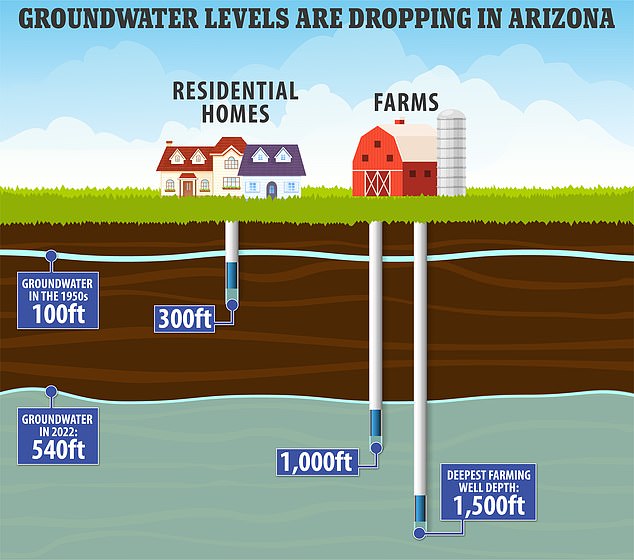
The arid to semi-arid climate of Arizona inherently places immense pressure on water resources. Minimal rainfall and high evaporation rates mean that groundwater aquifers recharge slowly, if at all, in many areas. This slow recharge rate can lead to the concentration of naturally occurring minerals and pollutants over time. Furthermore, historical over-pumping has lowered water tables in several basins, increasing pumping costs and potentially drawing in poorer quality water from deeper geological formations or adjacent contaminated zones. The very scarcity of water makes its quality paramount, as purification processes become more critical and often more expensive. This challenging environment underscores why proactive management and a clear understanding of groundwater composition are essential for a healthy lifestyle in Arizona.
Sources of Arizona’s Water
Arizona’s water portfolio is a mix of surface water and groundwater. The largest single source is the Colorado River, delivered via the Central Arizona Project (CAP) canal to major metropolitan areas like Phoenix and Tucson, as well as to agricultural users. However, groundwater, extracted from underground aquifers, plays a critical role. These aquifers are vast underground reservoirs of water found in the porous rock and sediment beneath the state. For many smaller towns, rural homes, and agricultural operations, groundwater is the sole source of water. It’s also utilized by larger municipalities as a supplement to surface water supplies, especially during periods of drought or peak demand. The quality of this groundwater can vary dramatically based on the geology of the specific basin, depth of the well, and proximity to potential contaminant sources.
Understanding Groundwater Quality and Contaminants
The potability of Arizona’s groundwater is determined by a myriad of factors, including both natural geological processes and human activities. When assessing whether it is “good to drink,” it’s crucial to distinguish between naturally occurring elements and anthropogenic contaminants, as each presents unique challenges and requires different mitigation strategies. Understanding these distinctions is key for maintaining a healthy lifestyle, especially for those relying on private wells.
Natural Occurring Elements
Arizona’s geology is rich and varied, and this geological diversity directly influences groundwater chemistry. Many of the state’s aquifers flow through ancient volcanic rocks, sedimentary layers, and mineral deposits that can leach elements into the water. Common naturally occurring contaminants include arsenic, fluoride, and uranium. Arsenic, a metalloid, is found in the bedrock across much of the state and can occur at levels exceeding safe drinking water standards in some areas. Long-term exposure to elevated arsenic can lead to various health problems, including cancer. Fluoride, while beneficial in small amounts for dental health, can cause skeletal fluorosis at high concentrations. Uranium, a radioactive element, is also naturally present in some geological formations, posing risks if ingested over time. Other minerals, such as iron, manganese, and sulfates, can affect water’s taste, odor, and appearance, though they are generally not health threats at typical concentrations. High levels of hardness minerals (calcium and magnesium) are also common, leading to scale buildup but not posing a direct health risk.
Man-Made Contaminants
Beyond natural elements, human activities introduce a range of contaminants into Arizona’s groundwater. Agricultural practices are a significant source, with pesticides and nitrates from fertilizers seeping into aquifers. Nitrates are particularly concerning for infants, potentially causing “blue baby syndrome.” Industrial operations, both past and present, have contributed to groundwater pollution through improper disposal of chemicals, leaks from storage tanks, and industrial wastewater. Volatile organic compounds (VOCs) like trichloroethylene (TCE) and perchloroethylene (PCE), commonly used as solvents, have been found in groundwater near former industrial sites. Landfills and septic systems can also be sources of contamination, releasing bacteria, viruses, and various chemicals if not properly managed. Mining activities, historically prevalent in Arizona, can lead to acid mine drainage, releasing heavy metals like lead, copper, and zinc into the environment and subsequently into groundwater. The proximity of these human activities to groundwater recharge zones or pumping wells directly impacts the likelihood and severity of contamination, necessitating continuous vigilance and remediation efforts to protect public health and lifestyle.
Regulatory Oversight and Public Health
Ensuring that Arizona’s groundwater is safe to drink is a complex undertaking, relying heavily on stringent regulatory frameworks and consistent monitoring. This oversight is crucial for public health, particularly in a state where water resources are both precious and vulnerable. Both federal and state agencies play pivotal roles in setting standards, enforcing compliance, and informing the public about water quality.
Federal and State Standards
At the federal level, the Environmental Protection Agency (EPA) establishes national drinking water standards under the Safe Drinking Water Act (SDWA). These standards set maximum contaminant levels (MCLs) for over 90 different contaminants, including naturally occurring substances like arsenic and fluoride, as well as man-made chemicals and microbial agents. States are then responsible for implementing and enforcing these federal standards. In Arizona, the Arizona Department of Environmental Quality (ADEQ) is the primary agency overseeing public drinking water systems. ADEQ works to ensure that all public water systems—those serving 25 or more people or having 15 or more service connections—meet or exceed federal and state drinking water quality standards. This involves regular sampling, analysis, and reporting requirements for water providers. While these regulations cover public water systems, private well owners, who do not fall under the SDWA, are responsible for testing their own water, highlighting a significant difference in oversight for different segments of the population.
Monitoring and Reporting
Public water systems in Arizona are subject to rigorous monitoring schedules, which vary based on the type of contaminant and the size of the population served. Water samples are routinely collected from various points in the distribution system and tested for a wide array of potential contaminants. If a public water system detects contaminants exceeding MCLs, they are required to take corrective action, which could involve installing treatment technologies, blending water from different sources, or finding alternative water supplies. Furthermore, these systems are mandated to inform their customers about any violations and the potential health effects. This information is typically provided through annual Consumer Confidence Reports (CCRs), which detail the water source, detected contaminants, and compliance with drinking water standards. These reports are invaluable resources for residents, offering transparency and empowering individuals to make informed decisions about their water consumption as part of their lifestyle. For private well owners, however, the burden of monitoring falls entirely on them, making it essential for these individuals to proactively seek out testing services and interpret the results to ensure their drinking water is safe.
Practical Considerations for Residents and Visitors
Understanding the general quality of Arizona’s groundwater is one thing, but translating that into practical advice for daily living and travel is another. Whether you’re a long-term resident, a new transplant, or a temporary visitor, knowing how to safely access and consume water is vital for your health and well-being in the Grand Canyon State. The approach to water safety varies significantly between urban areas and rural settings.
Tap Water Safety in Urban Areas
For those living in or visiting Arizona’s major cities such as Phoenix, Tucson, or Flagstaff, the tap water provided by municipal systems is generally safe to drink. These urban water providers typically use a blend of surface water (predominantly from the Colorado River via the CAP) and local groundwater. All municipal water systems are subject to strict EPA and ADEQ regulations, as detailed previously. This means the water undergoes regular testing and treatment processes, including filtration and disinfection, to remove contaminants and ensure it meets safety standards. Residents and tourists can usually drink tap water with confidence. However, some individuals may choose to use an additional home filtration system for aesthetic reasons (taste, odor, hardness) or to remove specific trace contaminants not fully addressed by municipal treatment. Always refer to your local water provider’s annual Consumer Confidence Report for specific details on your area’s water quality.
Well Water in Rural Arizona
The situation is markedly different for the many residents and some visitors in rural Arizona who rely on private wells. Unlike public water systems, private wells are not regulated by the EPA or ADEQ; the responsibility for water quality lies solely with the well owner. This means that well water can vary significantly in quality from one property to another, even within the same geographic area. Natural contaminants like arsenic, fluoride, and uranium are more prevalent in some rural groundwater sources, and wells can also be vulnerable to localized contamination from septic systems, agricultural runoff, or abandoned mines. Therefore, it is strongly recommended that private well owners have their water tested annually, and immediately if there are any changes in taste, odor, or appearance, or if a new well is drilled. Testing should include common parameters such as bacteria (coliforms), nitrates, and any naturally occurring elements known to be present in the regional geology.
Best Practices for Drinking Water
For anyone in Arizona, adopting best practices for drinking water is a smart lifestyle choice.
- Trust Municipal Reports: If you’re on a public water system, review your annual Consumer Confidence Report. These reports are public and easily accessible, often online.
- Test Private Wells: If you use a private well, engage a certified lab for annual water testing. This is non-negotiable for safety. Local health departments or cooperative extension offices can provide guidance on recommended tests.
- Consider Filtration: For aesthetic improvement or specific health concerns, point-of-use (e.g., faucet filters, Brita pitchers) or whole-house filtration systems can be effective. Ensure any filter you choose is certified for the contaminants you wish to remove.
- Stay Hydrated: Given Arizona’s heat, consistent hydration is critical. Always carry water, especially when hiking or exploring remote areas like the Grand Canyon. If relying on natural sources in the backcountry, always filter and treat water, regardless of how clear it appears.
- Be Aware of Boil Orders: While rare for well-maintained municipal systems, boil water advisories can occur due to infrastructure issues or contamination. Pay attention to local news and alerts.
The Future of Water in Arizona
The long-term viability and quality of Arizona’s groundwater are paramount for the state’s continued growth and the lifestyle of its inhabitants. With ongoing challenges such as population expansion, persistent drought, and the inherent limits of an arid environment, managing this precious resource requires foresight, innovation, and collective effort. Ensuring groundwater remains a reliable and safe source for drinking is not just a regulatory concern but a fundamental aspect of sustainable living in the desert Southwest.
Conservation Efforts
Conservation is the cornerstone of Arizona’s water strategy. Recognizing the finite nature of its water supplies, the state has implemented various programs aimed at reducing water consumption across all sectors. Municipalities promote water-efficient landscaping (xeriscaping), encourage the use of low-flow fixtures, and offer rebates for smart irrigation systems. Agricultural users, historically the largest consumers of water, are adopting more efficient irrigation technologies, such as drip systems, and exploring drought-resistant crops. Additionally, active management areas have been established to regulate groundwater pumping and encourage replenishment. Water banking, where excess Colorado River water is stored underground in aquifers during wet years for use in dry periods, is a critical component of conservation. These efforts not only stretch existing supplies but also help maintain groundwater levels, which can indirectly protect quality by preventing the concentration of contaminants or the intrusion of poorer quality water from deeper geological strata. A lifestyle mindful of water conservation is becoming increasingly ingrained in Arizona’s culture.

Technological Solutions
Beyond conservation, technological advancements are playing an increasingly important role in securing Arizona’s’s water future and enhancing groundwater quality. Advanced water treatment technologies are crucial for making diverse water sources potable. These include advanced oxidation processes, membrane filtration (such as reverse osmosis), and sophisticated disinfection methods that can remove a wide spectrum of natural and man-made contaminants from groundwater. Desalination, though energy-intensive, is also being explored for brackish groundwater sources, opening up previously unusable aquifers. Furthermore, innovations in aquifer storage and recovery (ASR) allow for the intentional recharge of aquifers with treated surface water or recycled wastewater, effectively banking water for future use and improving the overall quality of the groundwater basin. Remote sensing and sophisticated hydrological modeling provide better tools for understanding aquifer dynamics, predicting contaminant movement, and optimizing pumping strategies. These technological solutions, combined with robust monitoring and conservation, offer a promising path forward, ensuring that Arizona’s groundwater can continue to be a good and safe source of drinking water, supporting the vibrant lifestyle of its communities for generations to come.
LifeOutOfTheBox is a participant in the Amazon Services LLC Associates Program, an affiliate advertising program designed to provide a means for sites to earn advertising fees by advertising and linking to Amazon.com. Amazon, the Amazon logo, AmazonSupply, and the AmazonSupply logo are trademarks of Amazon.com, Inc. or its affiliates. As an Amazon Associate we earn affiliate commissions from qualifying purchases.