
Navigating the world of beverages and their impact on our personal well-being is a core aspect of a mindful lifestyle. For many, the daily ritual of a caffeinated drink is intertwined with productivity, energy, and even social connection. Yet, understanding the precise caffeine content of popular choices, such as Arizona Green Tea, is crucial for those managing their intake for health reasons, sleep quality, or simply personal preference. As lifestyles become increasingly dynamic, encompassing everything from demanding careers to adventurous family trips and globe-trotting business stays, the decisions we make about what we consume hold significant weight.

Understanding Caffeine’s Role in a Balanced Lifestyle
Caffeine, a natural stimulant found in various plants, is widely consumed across the globe. For many individuals, it’s an indispensable component of their morning routine, providing the jolt needed to kickstart the day. However, its effects are far-reaching and can influence sleep patterns, anxiety levels, and overall energy management throughout the day. A truly balanced lifestyle integrates an awareness of these impacts, prompting individuals to make informed choices about their consumption.
The Ubiquity of Caffeine
From coffee shops gracing every corner of New York City to tea houses nestled in the serene landscapes of Kyoto, caffeine is a cultural staple. It’s not just limited to traditional hot beverages; it’s found in sodas, energy drinks, and even some foods and medications. This pervasive presence means that without careful attention, daily caffeine intake can easily accumulate beyond desired levels. For someone trying to maintain a particular health regimen or optimize their sleep for peak performance, understanding hidden sources like popular bottled teas becomes paramount. Whether you’re a student pulling an all-nighter in Boston or a digital nomad working from a café in Lisbon, caffeine’s influence on cognitive function and physical alertness is a common thread in modern life.
Personal Impact and Wellness Goals
The physiological response to caffeine is highly individual, influenced by genetics, metabolism, and regular consumption habits. Some individuals are highly sensitive, experiencing jitters or sleep disturbances from even small amounts, while others can consume significant quantities with minimal apparent side effects. For those pursuing specific wellness goals, such as improved sleep, reduced anxiety, or managing heart health, meticulously tracking caffeine can be a game-changer. This mindful approach extends to all aspects of lifestyle, from dietary choices to exercise routines, fostering a greater sense of control and empowerment over one’s health journey, whether they are navigating the bustling streets of London or enjoying a quiet retreat in the Swiss Alps.
Decoding Arizona Green Tea: Caffeine Content Explained
Arizona Green Tea, a widely recognized and popular bottled beverage, often serves as a refreshing alternative to sodas or other sugary drinks. Its ubiquity in grocery stores, convenience shops, and even airport kiosks means it’s a common choice for people on the go, making its caffeine profile a frequent point of inquiry.
The Green Tea Base
At its core, Arizona Green Tea is, as the name suggests, a green tea product. Green tea, derived from the Camellia sinensis plant, naturally contains caffeine. The processing of green tea involves minimal oxidation, which helps retain certain compounds, including catechins and L-theanine, which can influence how caffeine is absorbed and experienced. While green tea generally contains less caffeine than black tea or coffee, it is by no means caffeine-free. The exact amount can vary based on the specific tea leaves used, brewing methods, and concentration. However, for a bottled product like Arizona Green Tea, the content is standardized for consistency.
Nutritional Label Insights
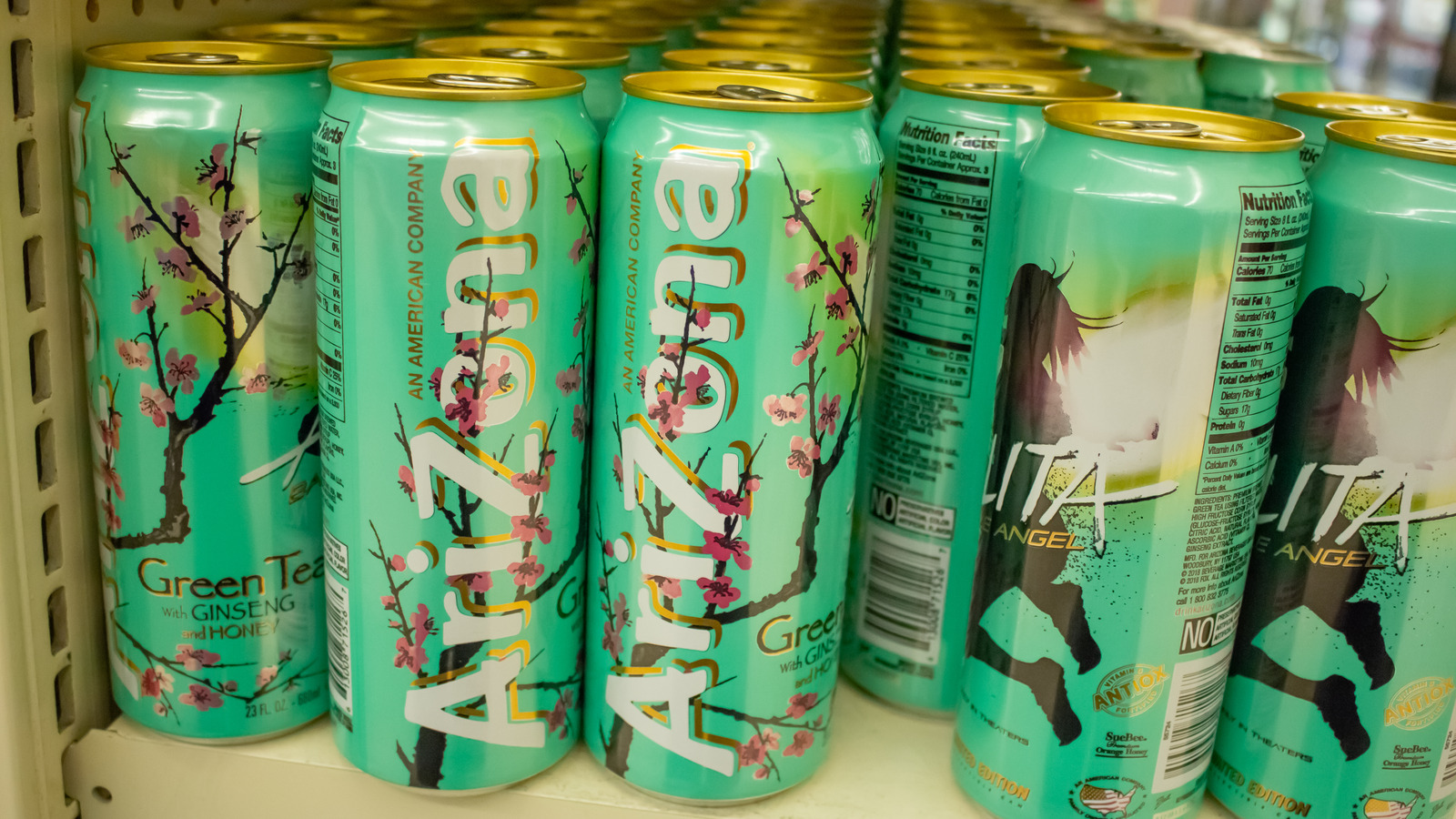
To definitively answer the question, one must consult the nutritional information provided on the product packaging. Arizona Green Tea with Ginseng and Honey, one of the brand’s most iconic offerings, typically contains approximately 15 mg of caffeine per 8 fl oz serving. Since most bottles are 23 fl oz, a full bottle would contain around 43 mg of caffeine. It’s important to note that Arizona also offers a “Decaf Green Tea” variant, which explicitly states “Decaffeinated” on the label, indicating a caffeine content of less than 5 mg per serving, aligning with FDA regulations for decaffeinated products. This distinction is vital for consumers actively managing their caffeine intake, especially when traveling or when access to specific product information might be limited. Always double-check the specific product label, as formulations can sometimes vary, or new products might be introduced.
Comparing to Other Popular Beverages
To put 43 mg of caffeine into perspective, it’s useful to compare it with other common drinks:
- Coffee: A standard 8 oz cup of brewed coffee can range from 95-200 mg of caffeine.
- Black Tea: An 8 oz cup of black tea typically contains 25-48 mg of caffeine.
- Cola Soda: A 12 oz can of cola usually has 30-40 mg of caffeine.
- Energy Drinks: These can vary widely, often ranging from 70 mg to over 200 mg per serving.
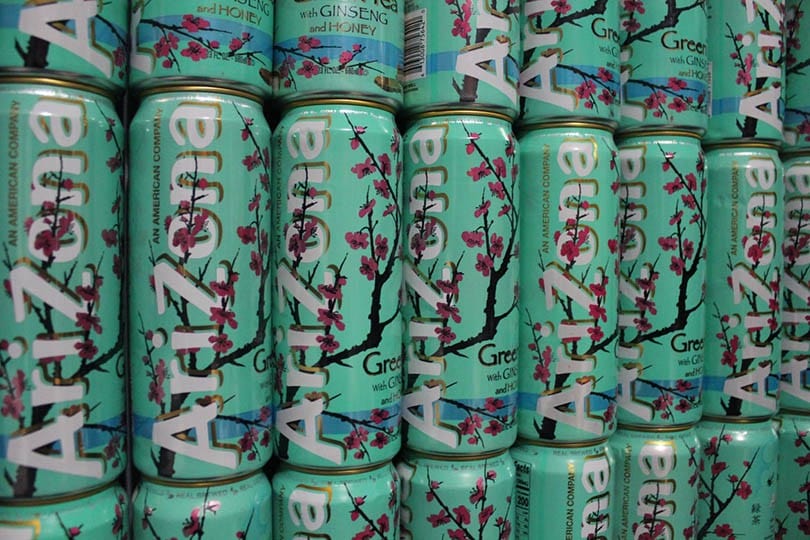
From this comparison, it’s clear that a full bottle of Arizona Green Tea contains a moderate amount of caffeine, comparable to or slightly more than a can of cola, but significantly less than a typical cup of coffee. This makes it a lower-caffeine option for those seeking a slight boost without the intensity of stronger stimulants, fitting perfectly into a more subdued pace for a relaxed vacation in Hawaii or a quiet afternoon in Santa Fe.
Integrating Arizona Green Tea into Your Daily Routine and Travel
Understanding the caffeine content of Arizona Green Tea allows for more deliberate integration into various lifestyle scenarios, from daily rituals to specific travel needs. Tailoring beverage choices to one’s schedule, destination, and health goals is a hallmark of an informed and intentional lifestyle.
Morning Rituals and Energy Boosts
For many, a morning beverage is a non-negotiable part of waking up. While some might opt for the robust kick of coffee, others prefer a gentler awakening. Arizona Green Tea, with its moderate caffeine level, can serve as an excellent bridge. It provides a mild stimulant effect that can aid focus and alertness without the potential jitters associated with higher doses of caffeine. This makes it a suitable choice for someone looking to ease into their day, perhaps before a morning yoga session or a leisurely breakfast in Paris. Its pleasant flavor profile also makes it an enjoyable substitute for those seeking to reduce their coffee dependency while still benefiting from a touch of caffeine.
Hydration on the Go: Road Trips and Business Stays
Whether embarking on a cross-country road trip through the American Southwest or attending a series of meetings in Chicago, staying hydrated is crucial. Bottled beverages like Arizona Green Tea are convenient and readily available in most travel hubs and gas stations. For travelers who need a little pick-me-up but want to avoid over-caffeination, especially when managing time zones or long driving stretches, a bottle of Arizona Green Tea can be an ideal choice. It offers a refreshing taste and a subtle energy lift, making it a functional drink for maintaining focus during a long drive or staying alert during an evening conference call. Its presence in many travel scenarios, from bustling airports in Atlanta to serene rest stops along the California coast, highlights its accessibility for travelers.
Evening Consumption and Sleep Considerations
One of the most critical aspects of caffeine management in a healthy lifestyle is its impact on sleep. Consuming caffeine too close to bedtime can disrupt sleep architecture, leading to difficulty falling asleep or reduced sleep quality. Given its moderate caffeine content, Arizona Green Tea might be acceptable for some individuals earlier in the evening, but it’s still wise to exercise caution. For those sensitive to caffeine, or when prioritizing optimal sleep, opting for the decaffeinated version or switching to an entirely caffeine-free herbal tea a few hours before bed is the more prudent choice. This consideration is particularly important when traveling, as sleep routines can already be disrupted by unfamiliar environments or jet lag, such as after a long flight to Sydney.
Making Informed Lifestyle Choices Around Caffeine
Integrating any caffeinated beverage into one’s lifestyle requires a degree of mindfulness and self-awareness. It’s not just about knowing the numbers, but understanding how those numbers interact with your unique physiology and daily demands. This active engagement with personal health data is a cornerstone of modern wellness.
Monitoring Your Intake
The best way to manage caffeine is to monitor your total daily intake from all sources. Keep a mental note, or even a brief log, of how many caffeinated drinks you consume throughout the day. This includes coffee, teas, sodas, and energy drinks. If you’re having a full bottle of Arizona Green Tea, factor in its 43 mg of caffeine alongside any other beverages. Being aware of your cumulative intake empowers you to make adjustments when necessary, ensuring you receive the benefits of caffeine without the potential drawbacks. This practice is especially helpful for individuals managing chronic conditions or undergoing specific dietary adjustments, whether they are navigating the health-conscious communities of Boulder or the bustling food markets of Rome.
Alternatives and Decaffeinated Options
For those looking to reduce or eliminate caffeine, Arizona Green Tea offers a convenient decaffeinated variant. Beyond that, the market is rich with other options, including herbal teas like chamomile or peppermint, fruit-infused waters, and sparkling water, all of which provide refreshment without any stimulant effects. Exploring these alternatives allows for variety and ensures that hydration and enjoyment don’t have to come at the cost of your caffeine management goals. This flexibility is key to maintaining a sustainable healthy lifestyle, whether one is unwinding at a luxury resort in the Maldives or simply enjoying a quiet evening at home in Vancouver.
Consulting Health Professionals
Ultimately, if you have concerns about your caffeine intake, its impact on your health, or specific dietary requirements, consulting a healthcare professional or a registered dietitian is always recommended. They can provide personalized advice based on your individual health profile, ensuring that your lifestyle choices, including your beverage consumption, align with your overall well-being. This expert guidance is particularly important for individuals with underlying health conditions, pregnant women, or those taking specific medications.
LifeOutOfTheBox is a participant in the Amazon Services LLC Associates Program, an affiliate advertising program designed to provide a means for sites to earn advertising fees by advertising and linking to Amazon.com. Amazon, the Amazon logo, AmazonSupply, and the AmazonSupply logo are trademarks of Amazon.com, Inc. or its affiliates. As an Amazon Associate we earn affiliate commissions from qualifying purchases.