
For many travelers, the annual ritual of “springing forward” or “falling back” is a familiar part of life. However, when planning a trip to the Grand Canyon State, one of the most common questions that arises is, “Does Arizona observe Daylight Saving Time?” The straightforward answer for most of the state is no, but with a crucial exception that can significantly impact travel plans, especially for those venturing into its northeastern regions. Understanding Arizona’s unique time zone stance is paramount for seamless travel, ensuring you don’t miss a breathtaking sunrise over the Grand Canyon or a pre-booked tour of Antelope Canyon.
Decoding Arizona’s Time Zone: A Traveler’s Essential Guide
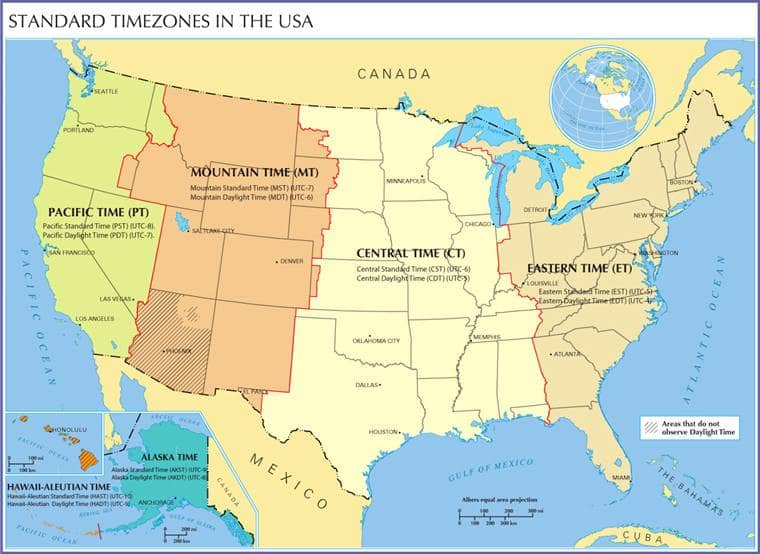
The vast majority of Arizona maintains Mountain Standard Time (MST) year-round. This means that unlike its neighboring states and much of the continental United States, Arizona does not adjust its clocks for Daylight Saving Time. From the bustling streets of Phoenix to the serene landscapes around Sedona and the historic charm of Tucson, clocks remain consistent throughout the spring, summer, and fall months.
This unwavering adherence to MST creates an interesting temporal dynamic for travelers. During the winter months, when most of the country is on Standard Time, Arizona aligns with other MST states like Colorado, New Mexico, and Utah. For example, if you’re flying from Denver to Phoenix in January, there’s no time difference.
However, the situation shifts dramatically when Daylight Saving Time begins in March. At this point, states that observe DST move to Mountain Daylight Time (MDT), while Arizona stays on MST. This means that from roughly early March to early November, Arizona is effectively one hour behind states observing MDT. Simultaneously, it becomes aligned with Pacific Daylight Time (PDT), which is observed in neighboring California and Nevada. So, if you’re traveling from Los Angeles to Phoenix in July, there’s no time difference, but if you’re coming from Salt Lake City, you’ll gain an hour upon arrival.
This unique temporal positioning can be a boon for travelers. For those arriving from the west coast during summer, the lack of a time change makes coordination straightforward. For visitors from the east, it effectively grants an extra hour of daylight in the mornings compared to what they might experience elsewhere during DST, perfect for early excursions to beat the desert heat.
The Navajo Nation Exception: A Crucial Detail for Northern Arizona Explorers
While the general rule in Arizona is no Daylight Saving Time, there is one significant and geographically important exception that every traveler to the northern parts of the state must be aware of: the Navajo Nation.
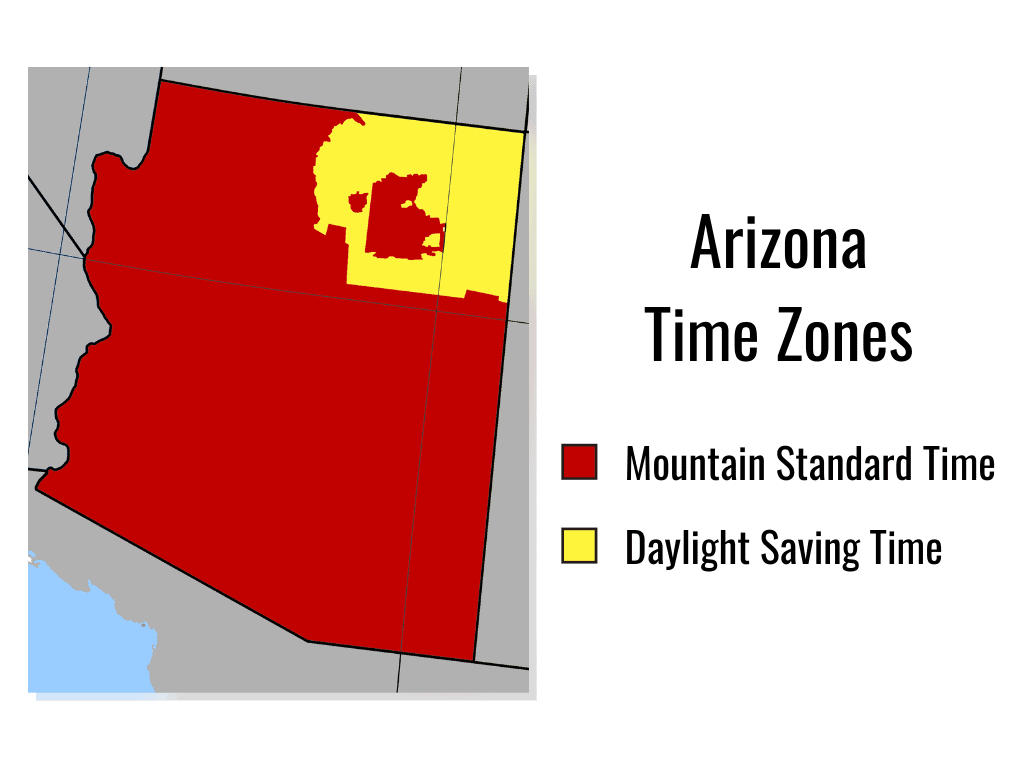
The Navajo Nation, the largest Native American reservation in the United States, sprawls across northeastern Arizona and extends into parts of Utah and New Mexico. Unlike the rest of Arizona, the Navajo Nation does observe Daylight Saving Time. This means that during the months when DST is active, the Navajo Nation operates on Mountain Daylight Time (MDT), placing it one hour ahead of the rest of Arizona that remains on MST.
Navigating the Time Warp in Northern Arizona
For travelers, this creates a fascinating, albeit potentially confusing, time warp. Imagine driving north from Flagstaff (MST) towards Page (MST), then east into areas like Monument Valley Tribal Park or Canyon de Chelly National Monument within the Navajo Nation. As you cross the invisible boundary into the Navajo Nation during DST, you will effectively jump forward one hour. When leaving the Navajo Nation and returning to areas like Page, you’ll “gain” that hour back.
This temporal shift is crucial for activities such as:
- Tour Bookings: Many popular attractions, particularly those on the Navajo Nation like Antelope Canyon tours or Monument Valley guided tours, will operate on Navajo Nation time (MDT during DST). Missing a tour due to a misunderstanding of the local time zone can be disappointing and costly.
- Restaurant Reservations: Planning dinner after a day of exploration? Ensure your reservation aligns with the correct local time.
- Meeting People: If coordinating with guides, friends, or family within the Navajo Nation, confirm which time zone you are both using.
The Hopi Reservation: A Time Zone Donut Hole
Adding another layer of complexity to this time zone puzzle is the Hopi Reservation. Geographically, the Hopi Reservation is entirely surrounded by the Navajo Nation. Yet, like the rest of Arizona outside the Navajo Nation, the Hopi Reservation does not observe Daylight Saving Time. This creates a unique “time zone donut hole” in northeastern Arizona. When traveling from non-Navajo Nation Arizona through the Navajo Nation and then into the Hopi Reservation, you would effectively change time zones twice in quick succession (MST → MDT → MST). While most tourists don’t extensively traverse the Hopi Reservation, being aware of this unique situation underscores the importance of verifying local time, especially when your itinerary involves traversing these distinct tribal lands.
Historical Roots and Practical Ramifications for Travel Planning
Arizona’s decision to largely forgo Daylight Saving Time dates back to 1968. The primary reason behind this choice is rooted in the state’s extreme summer heat. During the summer months, Arizona experiences exceptionally long, hot days. Observing DST would mean pushing sunset an hour later, resulting in even longer periods of intense daylight heat extending further into the evening. This would invariably lead to increased energy consumption for air conditioning, a considerable strain on the power grid, and greater discomfort for residents. By sticking to Mountain Standard Time year-round, Arizona effectively shifts its daylight hours earlier in the summer, allowing people to start and finish their outdoor activities and work earlier in the cooler parts of the day.
Navigating Schedules and Itineraries
For travelers, understanding this historical context helps grasp the practical implications:
- Flight and Transportation Schedules: When booking flights into Phoenix Sky Harbor International Airport or Tucson International Airport, or planning a trip on the Grand Canyon Railway, always be mindful of the time difference relative to your origin city. During DST, if you’re coming from a PDT zone (like California), your arrival time will typically be the same as your departure time (e.g., depart Los Angeles at 10 AM PDT, arrive Phoenix at 11 AM MST, which is 11 AM PDT). If you’re coming from an MDT zone (like Denver), you’ll “gain” an hour (e.g., depart Denver at 10 AM MDT, arrive Phoenix at 10 AM MST, which is 11 AM MDT).
- Coordinating with Others: If you’re meeting friends or family from out of state, especially during the DST period, clear communication about local time versus their time is essential to avoid missed connections.
- Digital Devices: While most smartphones and GPS systems will automatically adjust to the local time zone based on your location, it’s always a good practice to manually verify the time, particularly when entering or exiting the Navajo Nation. There can occasionally be glitches or delays in these automatic adjustments.
Maximizing Your Arizona Experience with Time Zone Awareness
Embracing Arizona’s unique time zone structure can actually enhance your travel experience, provided you plan accordingly. It allows for a more natural rhythm aligned with the desert environment, where early mornings are often the most pleasant time for outdoor exploration.
Sunrise and Sunset Impacts
Because Arizona doesn’t observe DST, summer sunrises occur earlier compared to states that do. This is a significant advantage for travelers looking to engage in outdoor activities before the midday heat becomes unbearable. Imagine setting out for a hike in the Superstition Mountains or exploring the trails around Sedona shortly after sunrise, enjoying cooler temperatures and soft, golden light. Conversely, sunsets during the summer months will also occur earlier than in DST-observing regions. While this means slightly less evening light for post-dinner strolls, it often translates to stunning, vibrant sunsets that paint the desert sky, which you can enjoy earlier in the evening.
Planning Activities Across the State
When planning an itinerary that takes you through different parts of Arizona, keep the time zones in mind:
- Southern Arizona: Cities like Phoenix, Tucson, and Yuma consistently operate on Mountain Standard Time year-round. This makes planning within this region straightforward.
- Northern Arizona (Outside Navajo Nation): Destinations such as Flagstaff, Grand Canyon Village at the Grand Canyon National Park, and Page (the gateway to Antelope Canyon and Horseshoe Bend) also stick to MST.
- Northern Arizona (Within Navajo Nation): Crucially, if your plans include the Monument Valley Tribal Park, any specific tours of Antelope Canyon that depart from Page but operate within the reservation, or visits to tribal parks, you will need to account for the one-hour jump forward during Daylight Saving Time.
- Hoover Dam: When visiting the Hoover Dam, which straddles the Arizona-Nevada border, be aware that the Nevada side observes PDT during DST, while the Arizona side remains on MST. Conveniently, both sides are on the same actual time during DST. However, once DST ends, Nevada falls back to PST, making it one hour behind [Arizona](https://lifeoutofthebox.com/arizona]’s MST.

Digital Tools and Best Practices
To ensure a smooth, confusion-free trip, consider these best practices:
- Pre-Trip Research: Before booking any time-sensitive activities, confirm the time zone observed by the specific attraction or tour operator, particularly if it’s within tribal lands.
- Local Time Check: Upon arrival and especially when traveling between different regions within Arizona, do a quick check of the local time. Look at public clocks, ask locals, or cross-reference with a reliable online source.
- World Clock App: Utilize a world clock app on your smartphone to keep track of both MST and MDT/PDT, making it easier to visualize any time differences with your home location or different parts of your itinerary.
- Communication: When scheduling meet-ups or confirming appointments, explicitly mention “Arizona Time” to avoid any ambiguity.
Understanding Arizona’s unique time zone situation is not just a logistical detail; it’s a key piece of information that helps you plan a more efficient, enjoyable, and stress-free journey through this remarkable state. By being aware of when and where the time changes (or doesn’t), you can confidently explore everything Arizona has to offer.
LifeOutOfTheBox is a participant in the Amazon Services LLC Associates Program, an affiliate advertising program designed to provide a means for sites to earn advertising fees by advertising and linking to Amazon.com. Amazon, the Amazon logo, AmazonSupply, and the AmazonSupply logo are trademarks of Amazon.com, Inc. or its affiliates. As an Amazon Associate we earn affiliate commissions from qualifying purchases.