
For travelers planning a vibrant getaway to the Grand Canyon State, one often overlooked detail can lead to minor confusion or even missed connections: Daylight Saving Time (DST). Understanding Arizona’s unique approach to time is crucial for a seamless and enjoyable tourism experience, affecting everything from tour bookings to dining reservations. This guide will clarify the situation, offer practical tips, and ensure you make the most of your visit without any time-related hitches.
The Arizona Anomaly: A Clear Answer for Tourists
Unlike most of the United States, the vast majority of Arizona does not observe Daylight Saving Time. This singular characteristic sets Arizona apart and requires a bit of foresight from visitors, especially those traveling from states that do spring forward and fall back.
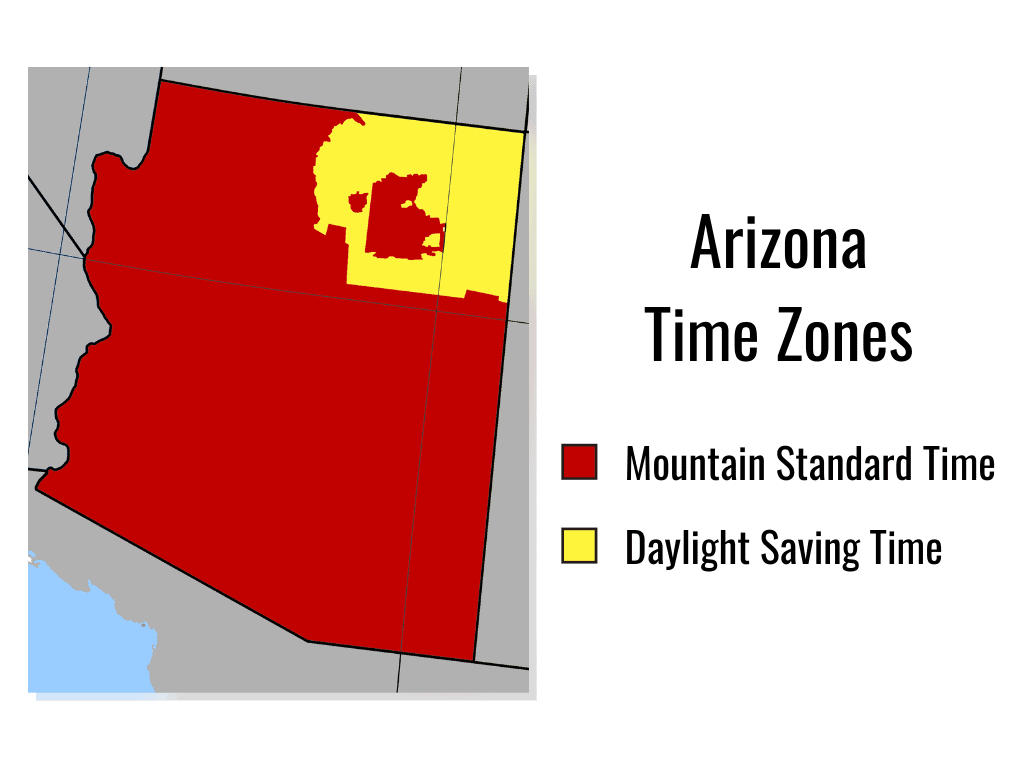
The Core Rule: No Daylight Saving for Most of Arizona
From the bustling streets of Phoenix to the serene landscapes around Sedona and the awe-inspiring depths of the Grand Canyon, almost the entire state remains on Mountain Standard Time (MST) year-round. This means that when other states adjust their clocks for Daylight Saving Time – typically from early March to early November – Arizona does not.
What does this mean for you, the tourist?
- From early November to early March (Standard Time period): Arizona is on Mountain Standard Time (MST), which is UTC-7. It is one hour ahead of Pacific Standard Time (PST) observed in neighboring California and Nevada.
- From early March to early November (Daylight Saving Time period): Arizona remains on Mountain Standard Time (MST), which is UTC-7. During this period, areas observing Daylight Saving Time (like California and Nevada, which switch to Pacific Daylight Time – PDT, also UTC-7) will be on the same time as Arizona. Essentially, Arizona aligns with Pacific Daylight Time during these months.
This unique consistency can be a blessing for some, removing the hassle of adjusting clocks, but it can also be a source of confusion if not anticipated.
Understanding the Time Difference with Neighboring States
For visitors driving into Arizona from neighboring states, especially California, Nevada, Utah, or New Mexico, understanding the time shift is paramount.
- Crossing from California/Nevada (during DST): No time change. If it’s 3 PM in Las Vegas (PDT), it’s 3 PM in Phoenix (MST).
- Crossing from California/Nevada (during Standard Time): You gain an hour. If it’s 3 PM in Las Vegas (PST), it’s 4 PM in Phoenix (MST).
- Crossing from Utah/New Mexico (during DST): You lose an hour. If it’s 4 PM in Salt Lake City (MDT), it’s 3 PM in Phoenix (MST).
- Crossing from Utah/New Mexico (during Standard Time): No time change. If it’s 3 PM in Salt Lake City (MST), it’s 3 PM in Phoenix (MST).
These seemingly small differences can significantly impact arrival times, reservations, and overall travel logistics, making pre-planning essential for a smooth itinerary.
Planning Your Arizona Itinerary: Time Zone Considerations
The absence of Daylight Saving Time in most of Arizona directly influences several aspects of a tourist’s trip. Being aware of these nuances will help you plan more effectively and avoid any frustrating surprises.
Impact on Flight Schedules and Road Trips
When booking flights to Phoenix Sky Harbor International Airport or Tucson International Airport, remember that your airline tickets will reflect the local time of your departure and arrival cities. If you’re flying from a state that observes DST, your departure time might be an hour “earlier” relative to Arizona’s time during the summer months. Conversely, your arrival in Arizona might feel like you’ve “lost” an hour if you were expecting to gain one, or vice-versa. Always confirm the local arrival time in Arizona against your internal clock, especially if you have immediate plans after landing.
For road trippers, GPS systems and smartphone clocks usually adjust automatically, but it’s wise to double-check. When crossing state lines, particularly between Arizona and Utah or New Mexico during DST, or Arizona and California/Nevada during standard time, a manual check of your device’s time against a local sign or a quick Google search for “Arizona time” can prevent errors.
Synchronizing with Tour Operators and Attractions
Many popular Arizona attractions, from Grand Canyon tours to Tucson desert adventures, operate on strict schedules. If you’ve booked a tour, a rafting trip, or a specific entry time to a national park, ensure you arrive according to Arizona’s local time. This is particularly critical for activities with tight windows, such as sunrise photography tours or timed entry permits. Missing your slot due to a time zone miscalculation can be a significant disappointment. When in doubt, explicitly confirm the meeting or start time with the tour operator and specify that you are referencing Arizona local time.
Navigating Business Hours and Dining Times
Restaurant reservations, museum opening hours, and retail store operations all adhere to Arizona’s consistent Mountain Standard Time. If you’re visiting from a DST-observing state during summer, remember that if your body clock says 6 PM, it’s actually 6 PM in Arizona – not 7 PM as it might be at home. This can influence when you feel hungry for dinner or how much daylight you have left for an evening stroll. Plan your evenings and meal times with this consistent local time in mind, especially in popular tourist hubs like Old Town Scottsdale or Flagstaff.
The Navajo Nation Exception: A Unique Tourist Detail

While most of Arizona remains outside the reach of Daylight Saving Time, there’s a significant exception that tourists must be aware of, especially if their itinerary includes the northeastern part of the state: the Navajo Nation.
Why the Navajo Nation Observes DST
The Navajo Nation, a vast sovereign territory that spans parts of Arizona, New Mexico, and Utah, observes Daylight Saving Time in alignment with its two other states. This decision was made to keep the nation’s clock consistent across its entire territory, simplifying communication and coordination for its residents and government. This means that during the DST period, the Navajo Nation will be one hour ahead of the rest of Arizona.
Practical Implications for Visitors to the Navajo Nation
This unique arrangement means that if you are driving from a city like Flagstaff (which does not observe DST) into the Navajo Nation (which does), you will need to advance your clock by one hour during the DST months. Areas like Monument Valley, Canyon de Chelly, and parts of the Lake Powell region fall within the Navajo Nation.
For example:
- If it’s 9 AM in Flagstaff (MST) during the summer, it will be 10 AM in Monument Valley (MDT).
- If you’ve booked a guided tour of Antelope Canyon (which is on the Navajo Nation), ensure your arrival time is based on the Navajo Nation’s observance of DST.
This is arguably the most critical time-related detail for tourists in Arizona. Always verify the local time, especially when your itinerary involves crossing into or out of the Navajo Nation territory. Border towns like Page are particularly important to watch, as they are technically in Arizona but serve as gateways to Navajo Nation attractions.
Why Arizona Opted Out: Historical and Environmental Context
Understanding the reasons behind Arizona’s decision to forgo Daylight Saving Time can add an interesting layer to your appreciation of the state. While not directly impacting tourism logistics, it offers insight into the local culture and lifestyle, which are key aspects of a holistic tourism experience.
The Sun’s Role and Energy Conservation
The primary reason Arizona does not observe DST is related to its intense summer heat and the desire to conserve energy. Arizona receives an abundance of sunshine, especially during the long summer months. If DST were observed, the sun would set an hour later, extending daylight further into the evening. While this sounds appealing for evening activities in cooler climates, in Arizona’s scorching summer, it would mean an extra hour of intense heat, necessitating more air conditioning and therefore, increased energy consumption. By remaining on Mountain Standard Time year-round, the state encourages residents and visitors to conduct outdoor activities earlier in the day and allows for an earlier onset of cooler evening temperatures, reducing the strain on the power grid.
Comfort and Convenience for Residents and Visitors Alike
Beyond energy conservation, the decision also prioritizes comfort. An earlier sunset in summer means that the hottest parts of the day are typically over by the time families are sitting down for dinner or planning evening outings. This aligns with the natural rhythm of life in a desert climate, where early mornings and late evenings are favored for outdoor recreation. For tourists, this means that even without “extra” evening daylight from DST, the sun can still be quite potent. Planning your excursions for the cooler morning hours and embracing the slightly earlier dusk can make your summer visit more comfortable and enjoyable.
Tips for a Seamless Arizona Vacation
To ensure your trip to Arizona is as smooth as the desert sands, keep these practical tips in mind regarding time zones.
Always Confirm Local Times
When making reservations for tours, dining, or activities, always clarify that you are confirming for Arizona local time. If you are communicating with an out-of-state vendor or booking through an international platform, explicitly state ” Arizona time” or “MST” to avoid any ambiguity. This is especially true for anything booked online, as many websites automatically default to the user’s local time zone or a universal time.
Adjusting for Time Differences with Digital Devices
Most modern smartphones and smartwatches automatically adjust to local time zones. However, it’s a good practice to set your device to automatically detect time zones and enable location services. Upon arrival in Arizona, check your phone to confirm it has adjusted correctly. If you plan to visit the Navajo Nation, be aware that your phone should change automatically, but it’s not always instantaneous or foolproof. A manual check against the time displayed on a local business or a quick query to a local can save you from a missed appointment. Consider a traditional watch set to local Arizona time as a reliable backup, especially for the Navajo Nation exception.

Embracing the Arizona Rhythm
Ultimately, a visit to Arizona offers a chance to embrace a slightly different pace of life. The consistent time zone is part of that unique rhythm. Enjoy the earlier sunrises for stunning photography opportunities at the Grand Canyon or a morning hike in Saguaro National Park. Plan your heavier activities for the cooler parts of the day, and use the mid-afternoon for relaxing by a pool or exploring indoor attractions like museums. By understanding and adapting to Arizona’s relationship with time, you’re better prepared to immerse yourself in the beauty and adventure this incredible state has to offer.
LifeOutOfTheBox is a participant in the Amazon Services LLC Associates Program, an affiliate advertising program designed to provide a means for sites to earn advertising fees by advertising and linking to Amazon.com. Amazon, the Amazon logo, AmazonSupply, and the AmazonSupply logo are trademarks of Amazon.com, Inc. or its affiliates. As an Amazon Associate we earn affiliate commissions from qualifying purchases.