
For visitors exploring the vast and vibrant Sonoran Desert landscapes of Maricopa County, Arizona, understanding local regulations like “No Burn Days” is crucial for a safe, enjoyable, and responsible travel experience. Whether you’re planning to camp under the stars, enjoy a cozy bonfire at a rental property, or simply grill outdoors, knowing the current burn restrictions can significantly impact your itinerary. Maricopa County is a popular tourist destination, home to major cities like Phoenix, Scottsdale, and Tempe, and offers a wealth of outdoor activities. However, its unique desert environment often necessitates specific restrictions to protect both public health and natural resources.

Understanding No Burn Days in Maricopa County
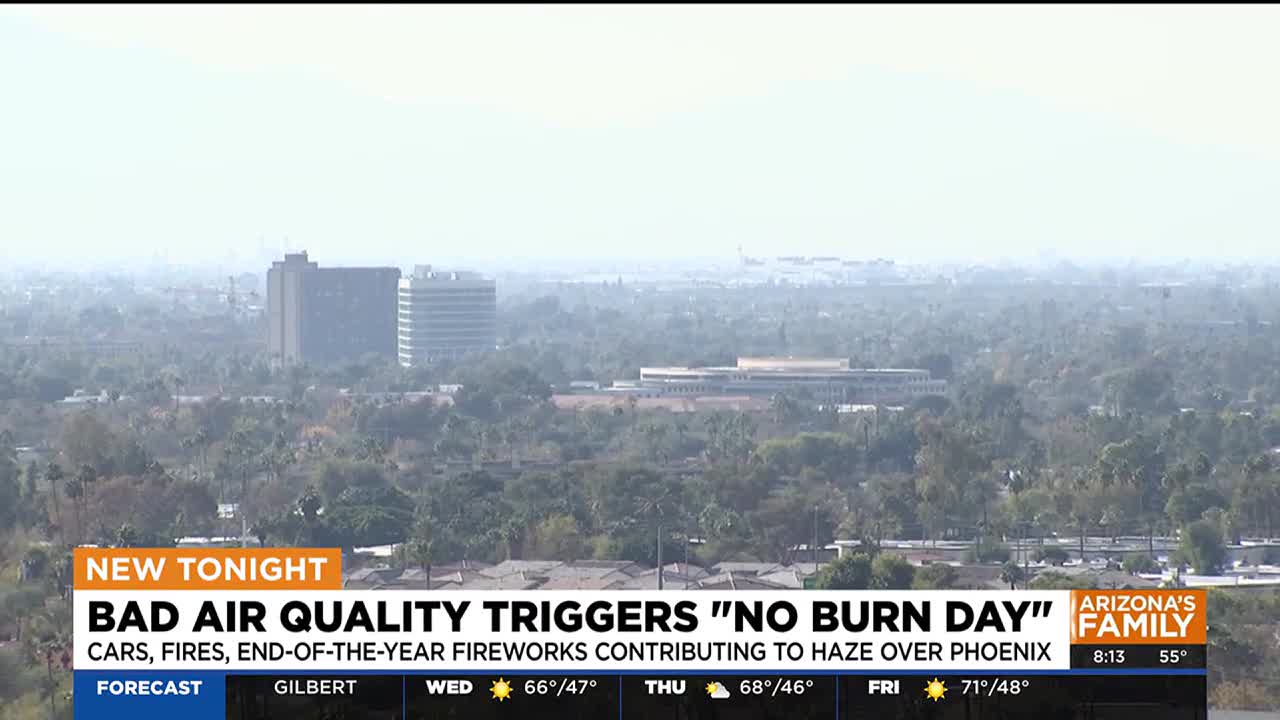
A “No Burn Day” in Maricopa County isn’t a singular, static regulation; rather, it’s a dynamic advisory or mandatory restriction declared based on prevailing environmental conditions. These declarations are primarily issued for two critical reasons: poor air quality and high fire danger. Both can pose significant risks to residents and visitors alike, and understanding their nuances is key to responsible tourism.
What Constitutes a “No Burn Day”?
When a “No Burn Day” is declared due to air quality concerns, it typically prohibits the use of wood-burning devices, including fireplaces, wood stoves, outdoor fire pits, and chimineas. The focus is on reducing particulate matter emissions, which can be particularly high from burning wood. This restriction is common during cooler months when stagnant air conditions can trap pollutants close to the ground, leading to unhealthy air. It’s important to note that propane and natural gas grills, which produce significantly fewer particulate emissions, are generally exempt from these air quality-driven “No Burn Day” declarations. However, open burning of trash or construction waste is always prohibited year-round in Maricopa County, regardless of a “No Burn Day” declaration.
On the other hand, a “No Burn Day” or fire restriction declared due to high fire danger is often more comprehensive and can occur at any time of year, especially during dry, windy periods. These restrictions aim to prevent wildfires and can prohibit all forms of open flame, including campfires, charcoal grills, and even sometimes smoking in designated wilderness areas. Such declarations are common in Maricopa County’s vast regional parks and national forests like the Tonto National Forest and Superstition Mountains, which are popular destinations for hikers, campers, and outdoor enthusiasts. These fire restrictions are separate from air quality advisories but can sometimes overlap, compounding the limitations on outdoor activities.
Why Are They Declared?
The declaration of a “No Burn Day” stems from a commitment to public health and environmental protection. For air quality, the primary concern is the accumulation of fine particulate matter (PM2.5) and ozone, which can exacerbate respiratory issues, heart disease, and other health problems. The Maricopa County Air Quality Department (MCAQD), in conjunction with the Arizona Department of Environmental Quality (ADEQ), monitors air quality closely and issues High Pollution Advisories or Mandatory No Burn Day declarations when levels reach unhealthy thresholds. These advisories are particularly crucial for vulnerable populations, including children, the elderly, and individuals with pre-existing health conditions.
Regarding fire danger, the arid climate of Arizona, especially during its dry seasons, makes the landscape highly susceptible to wildfires. Factors such as low humidity, high temperatures, strong winds, and an abundance of dry brush contribute to extreme fire conditions. Agencies like the Arizona Department of Forestry and Fire Management, local fire departments, and the U.S. Forest Service work collaboratively to assess fire risk. When conditions become critical, they issue restrictions to prevent human-caused wildfires, which can devastate natural habitats, threaten communities, and strain emergency resources. For tourists, understanding these dual reasons reinforces the importance of compliance, ensuring the preservation of the beautiful Sonoran Desert for future visits.
Impact on Visitors and Tourist Activities
A “No Burn Day” can significantly alter a visitor’s planned outdoor activities in Maricopa County. From rustic camping to backyard BBQs, understanding these restrictions is vital for a seamless and enjoyable trip.
Outdoor Recreation and Campfires
Camping is a beloved activity in Maricopa County’s numerous regional parks, such as Lake Pleasant Regional Park, Estrella Mountain Regional Park, and Usery Mountain Regional Park, as well as in the expansive Tonto National Forest. For many, a campfire is an integral part of the camping experience. However, during fire restrictions, campfires, charcoal grills, and often even portable fire pits are strictly prohibited. Violations can lead to hefty fines and, more critically, the potential ignition of a devastating wildfire. Visitors planning to camp should always check the specific park or forest regulations in advance and be prepared for a “no fire” scenario. This might mean bringing a portable gas stove for cooking or rethinking evening entertainment plans away from a traditional campfire.
Grilling and Picnics
Picnics and outdoor grilling are popular ways for tourists to enjoy Maricopa County’s pleasant weather. When “No Burn Days” are declared due to air quality concerns, propane and natural gas grills are generally permitted as they produce minimal particulate matter. This means your plans for a barbecue at a park or a rental home are likely unaffected by air quality advisories. However, if fire restrictions are in place due to high fire danger, even charcoal grills may be banned, particularly in designated fire-prone areas or during extreme drought conditions. Always check the specific rules for the park, campground, or private property you are using. If charcoal is prohibited, plan to use a gas grill or pack a picnic that doesn’t require cooking. Safety is paramount: always have water or a fire extinguisher nearby when grilling, and ensure all coals are completely extinguished and cool before disposal, even on days without explicit restrictions.

Backyard Fires and Chimineas
For tourists staying in rental homes, cabins, or Airbnb properties in Maricopa County, the allure of an outdoor fireplace or a chiminea can be strong. These amenities often promise cozy evenings under the desert sky. However, during “No Burn Days” issued for air quality, the use of these wood-burning devices is strictly prohibited. This is particularly relevant in residential areas where air quality is closely monitored. Even if your accommodation boasts such features, it’s imperative to respect these local ordinances. Property owners and rental agencies are typically good sources of information regarding these rules. Disregarding these regulations not only contributes to air pollution but can also result in fines for both the guest and the property owner. Adhering to these rules ensures you’re being a considerate temporary resident and supporting the community’s efforts to maintain healthy air.
How to Check for No Burn Days
Staying informed about current burn restrictions in Maricopa County is easy with readily available resources. Proactive checking is an essential step for any visitor planning outdoor activities.
Official Sources and Notifications
The most reliable source for “No Burn Day” declarations due to air quality is the Maricopa County Air Quality Department (MCAQD). Their official website (maricopa.gov/aq) provides daily forecasts and current advisories. Tourists can often sign up for email or text alerts to receive notifications directly. Similarly, the Arizona Department of Environmental Quality (ADEQ) website also provides statewide air quality information.
For fire restrictions, information can be found on the websites of the relevant land management agencies:
- Maricopa County Parks and Recreation Department: For restrictions in regional parks.
- U.S. Forest Service: For Tonto National Forest and other federal lands.
- Arizona Department of Forestry and Fire Management: For state lands and statewide fire conditions.
Local news outlets in cities like Phoenix and Mesa also regularly report on “No Burn Days” and fire restrictions, especially during critical periods. Many weather apps now integrate air quality data, providing a quick check on your phone.
Planning Your Visit
To avoid disappointment and ensure compliance, integrate checking for burn restrictions into your trip planning.
- Before Departure: A week or two before your trip, check the general seasonal trends for “No Burn Days” (e.g., typically higher air quality advisories in winter, higher fire risk in spring/early summer). This gives you a general idea of what to expect.
- Upon Arrival: The day you arrive in Maricopa County, check the official MCAQD website for current air quality declarations and the relevant park/forest websites for fire restrictions.
- Daily Check: If your itinerary involves daily outdoor activities that could be affected, make it a habit to do a quick check each morning. This is especially important if you are moving between different natural areas, as restrictions can vary slightly by jurisdiction.
- Ask Locals: Don’t hesitate to ask hotel staff, campground hosts, park rangers, or rental property managers for the latest information. They are invaluable local resources.
By being prepared and informed, you can adjust your plans proactively and enjoy the diverse offerings of Maricopa County without unexpected disruptions.
Embracing Maricopa County’s Outdoor Charm Responsibly
While “No Burn Days” might necessitate minor adjustments to your plans, they are ultimately in place for your safety and to preserve the stunning natural beauty and healthy environment of Maricopa County. Thinking ahead allows you to discover alternative ways to experience the region’s charm.
Alternative Activities on No Burn Days
If your planned campfire or outdoor grill is on hold, don’t despair! Maricopa County offers a vast array of alternative activities that remain unaffected by burn restrictions:
- Water-Based Recreation: Head to Lake Pleasant for boating, kayaking, paddleboarding, or fishing. The Salt River also offers tubing and kayaking opportunities during warmer months, providing a refreshing way to experience the desert landscape.
- Hiking and Biking: Explore the extensive network of trails in regional parks or iconic urban hikes like Camelback Mountain or Pinnacle Peak. While some fire restrictions may temporarily close certain remote trailheads, most established paths remain open for day use.
- Indoor Attractions: Dive into the rich culture and history of the region. Visit the Heard Museum for Native American art, explore the vast collections at the Phoenix Art Museum, or marvel at desert flora at the Desert Botanical Garden. Family-friendly options include the Arizona Science Center or the Phoenix Zoo.
- Culinary Experiences: Maricopa County boasts a vibrant culinary scene. Enjoy diverse dining options, from authentic Southwestern cuisine to fine dining in Scottsdale or bustling eateries in downtown Phoenix.
- Stargazing (without fire): Even without a campfire, the clear desert skies can offer incredible stargazing opportunities away from city lights. Bring a blanket, some snacks, and enjoy the celestial show.
Ensuring a Safe and Enjoyable Trip
Your adherence to “No Burn Day” regulations is more than just compliance; it’s a contribution to the health and safety of the community and environment you are visiting. By staying informed and adapting your plans, you demonstrate respect for the local ecosystem and its inhabitants. Always remember that the dry conditions and unique climate of Arizona demand extra vigilance regarding fire safety, regardless of official “No Burn Day” declarations. Pack appropriately for varying weather conditions, bring plenty of water for outdoor activities, and always leave no trace behind. By being a responsible and informed tourist, you can ensure your visit to Maricopa County is not only enjoyable but also contributes positively to this magnificent desert destination.
LifeOutOfTheBox is a participant in the Amazon Services LLC Associates Program, an affiliate advertising program designed to provide a means for sites to earn advertising fees by advertising and linking to Amazon.com. Amazon, the Amazon logo, AmazonSupply, and the AmazonSupply logo are trademarks of Amazon.com, Inc. or its affiliates. As an Amazon Associate we earn affiliate commissions from qualifying purchases.