
Navigating the Island: Understanding Current Conditions for Travelers
Puerto Rico, a jewel of the Caribbean, beckons with its vibrant culture, stunning natural beauty, and rich history. As millions of travelers consider the island for their next vacation, a common question arises: “Is Puerto Rico safe for travel?” This inquiry is multifaceted, encompassing personal safety, health considerations, and the general stability of the destination. Understanding the current landscape allows for informed planning and a more enjoyable experience. While no destination is entirely without risk, Puerto Rico, like many popular tourist spots, has made significant strides in ensuring a secure and welcoming environment for visitors.
Recent Developments and Infrastructure
Following the devastating hurricanes of 2017, Puerto Rico has demonstrated remarkable resilience and has undergone substantial recovery. The island’s infrastructure, including airports, roads, and essential services, has largely been restored and, in many areas, improved. Major tourist hubs like San Juan, Ponce, and Rincón are well-equipped to handle tourist influx, with reliable power grids and communication networks in place. The government and private sector have invested heavily in rebuilding and enhancing the island’s tourism offerings, prioritizing safety and accessibility. This commitment is evident in the quality of accommodations, transportation options, and the overall visitor experience. The continuous efforts to modernize and maintain facilities contribute to a sense of security for those exploring the island.
Personal Safety and Crime Statistics
When considering personal safety, it’s important to approach the topic with a balanced perspective. Like any urban or tourist destination worldwide, Puerto Rico experiences crime, and visitors should remain aware of their surroundings. However, violent crime targeting tourists is relatively rare. The most common issues tend to be petty crimes such as pickpocketing or theft of unattended belongings, particularly in crowded areas. By adhering to standard travel precautions, such as not displaying excessive wealth, being mindful of belongings, and avoiding poorly lit or isolated areas after dark, travelers can significantly mitigate these risks.
The primary tourist zones, including Old San Juan, Condado, and Isla Verde, are generally well-patrolled by law enforcement. Visitors are encouraged to utilize reputable transportation services, such as licensed taxis or ride-sharing apps, and to exercise caution when exploring less-trafficked neighborhoods. Information from official sources, such as the U.S. Department of State’s travel advisories, typically provides detailed insights into current safety conditions and specific areas to be mindful of, though these advisories are often general for the entire island and do not necessarily reflect the safety of popular tourist zones.
Health and Well-being
Ensuring the health and well-being of travelers is another critical aspect of safety. Puerto Rico’s healthcare system is generally well-developed, especially in urban centers. Major hospitals and clinics are available, equipped to handle various medical needs. For travelers, it’s always prudent to have adequate travel insurance that covers medical emergencies and evacuation if necessary.
Water and Food Safety
The tap water in most tourist areas and hotels is treated and generally safe to drink. However, for those with sensitive stomachs or who prefer to err on the side of caution, bottled water is readily available throughout the island. Regarding food, Puerto Rico boasts a vibrant culinary scene with countless restaurants, food stalls, and local eateries. Practicing good food hygiene, such as choosing establishments that appear clean and well-maintained, is advisable. Street food vendors, while often offering delicious local specialties, should be approached with discretion, observing their preparation methods and popularity.
Infectious Diseases
Puerto Rico, being a tropical island, is subject to the potential presence of vector-borne diseases like Dengue fever or Zika virus. Travelers are advised to take precautions to prevent mosquito bites, such as using insect repellent, wearing long sleeves and pants during dawn and dusk, and staying in accommodations with screened windows or air conditioning. These preventative measures are standard for travel to many tropical regions and significantly reduce the risk of contracting such illnesses. The Puerto Rico Department of Health provides up-to-date information on public health concerns.
Natural Disasters and Preparedness
Puerto Rico is located in a hurricane-prone region, and while major storms are infrequent, preparedness is key. The island has a robust emergency management system, and during hurricane season (June 1 to November 30), it’s advisable for travelers to stay informed about weather forecasts. Accommodations are generally equipped with emergency procedures, and staff are trained to assist guests in the event of severe weather. Tourists should familiarize themselves with evacuation routes and emergency shelters in their vicinity, as communicated by hotel staff or local authorities. Understanding the island’s seismic activity is also relevant, as Puerto Rico is situated in an area prone to earthquakes. While significant seismic events are rare, awareness of general safety protocols during an earthquake is beneficial for any traveler.
Exploring Puerto Rico’s Diverse Regions: Safety Considerations by Area
While general safety guidelines apply across Puerto Rico, specific regions offer unique experiences and may have nuances in their safety profiles. Understanding these differences allows for tailored planning.
San Juan: The Historic and Vibrant Capital
San Juan, the island’s capital, is the most visited area and offers a wealth of attractions, from the historic fortifications of Old San Juan to the modern allure of Condado and Isla Verde.
Old San Juan
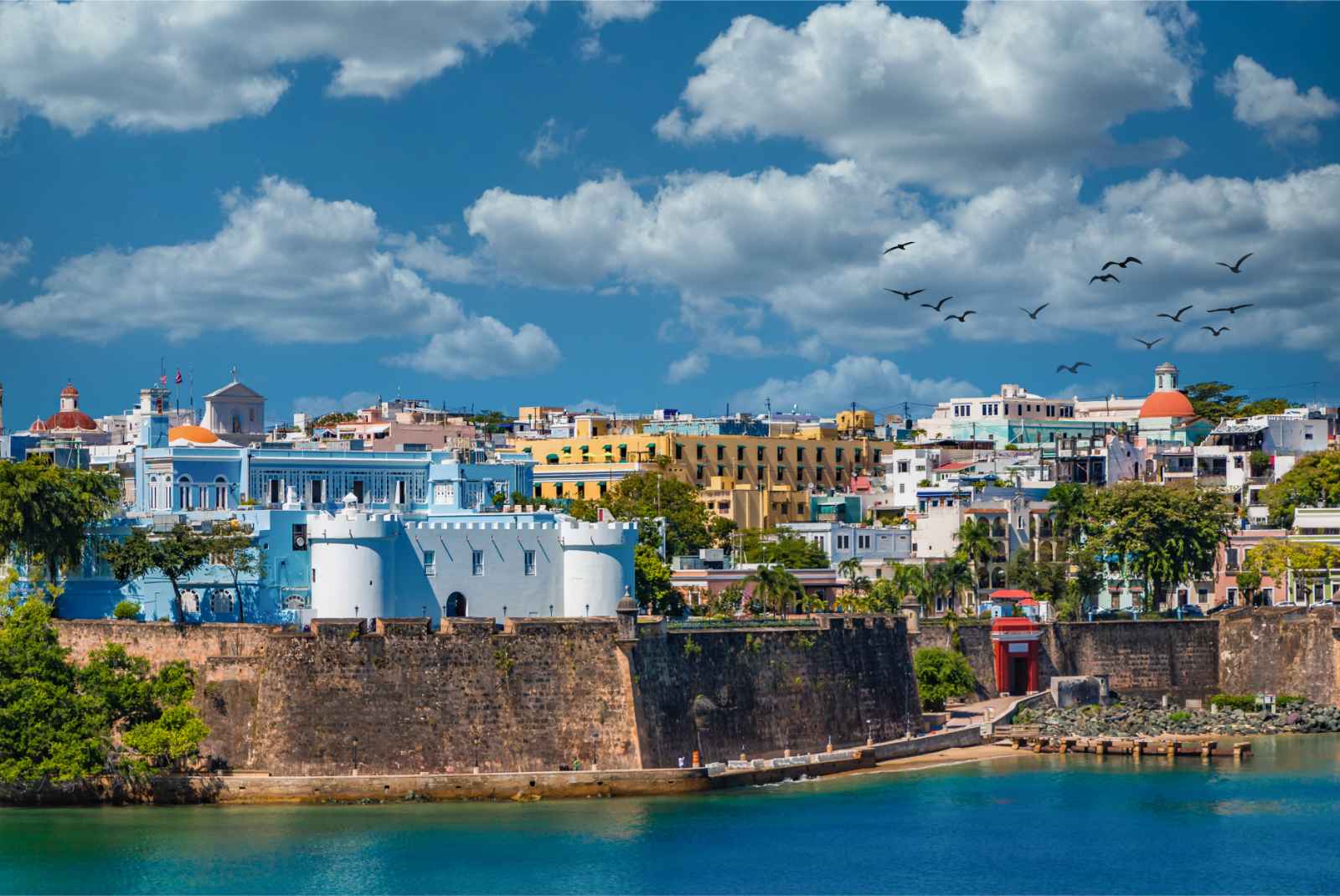
This UNESCO World Heritage site, with its cobblestone streets and colorful colonial architecture, is a prime tourist destination. It is generally very safe, with a strong police presence and bustling crowds during the day. Visitors should still be mindful of pickpockets in crowded areas and exercise caution when walking through less illuminated side streets at night. The historic forts, like Castillo San Felipe del Morro and Castillo San Cristóbal, are well-maintained and supervised.
Condado and Isla Verde
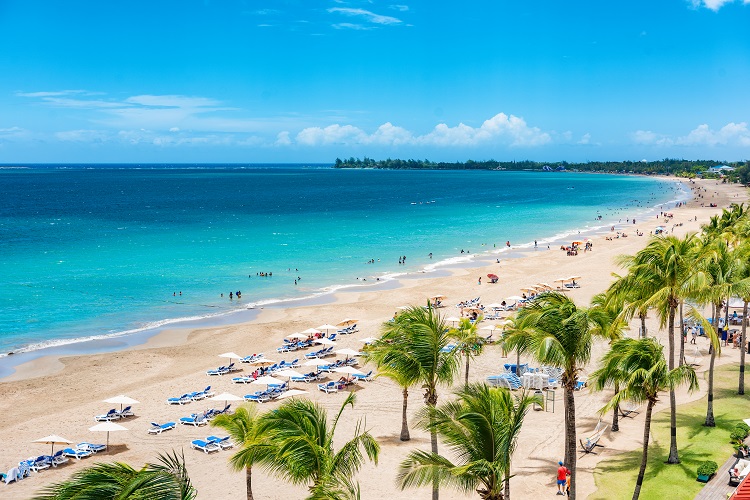
These adjacent districts are known for their upscale resorts, beautiful beaches, and vibrant nightlife. They are considered very safe for tourists, with ample lighting, security personnel at hotels and establishments, and a consistent flow of visitors. The main concerns here are typical beach safety – being aware of rip currents and respecting lifeguard instructions – and general vigilance against opportunistic theft.
Beyond the Capital: Coastal Towns and Inland Adventures
Venturing beyond San Juan reveals the diverse beauty of Puerto Rico. Each region offers unique experiences, and understanding their specific characteristics can enhance safety.
Rincón: The Surf Capital
Famous for its world-class surfing, Rincón offers a more laid-back vibe. Safety here is generally high, with a strong community feel. The primary considerations are water safety, particularly for surfers and swimmers, and being aware of the rugged coastal terrain in some areas. Petty crime is rare, but as always, securing valuables is recommended.
Ponce: The “Pearl of the South”
Ponce is Puerto Rico’s second-largest city and boasts a rich cultural heritage. It is generally a safe city for tourists, particularly in its downtown area and along the waterfront. Visitors exploring neighborhoods outside the main tourist zones should exercise standard precautions.
El Yunque National Forest
As the only tropical rainforest in the U.S. Forest Service system, El Yunque National Forest is a breathtaking natural wonder. Safety within the park is managed through marked trails, visitor centers, and park rangers. Visitors should stay on marked paths, be aware of slippery surfaces due to humidity and rain, and carry adequate water and insect repellent. The park has specific hours of operation and access may be limited during periods of heavy rainfall or maintenance. It is crucial to respect park rules and heed any posted warnings.
Remote Beaches and Natural Reserves
While Puerto Rico offers many secluded and stunning natural spots, some remote beaches or less developed natural areas may lack immediate access to emergency services or significant tourist infrastructure. Travelers venturing to these locations should inform someone of their plans, travel in groups, and be self-sufficient, carrying necessary supplies. Understanding the tides, currents, and local environmental conditions is paramount for safety in these wilder settings.
Practical Tips for a Safe and Enjoyable Trip
A well-prepared traveler is a safe traveler. Implementing a few simple strategies can significantly enhance the security and overall enjoyment of a trip to Puerto Rico.
Staying Informed and Connected
Before and during your trip, stay updated on any travel advisories issued by your home country’s government, such as the U.S. Department of State. Familiarize yourself with local emergency numbers: 911 is the universal emergency number in Puerto Rico. Ensure your mobile phone is functional and consider purchasing a local SIM card or an international plan for reliable communication. Sharing your itinerary with a trusted contact back home is also a good practice.
Transportation Safety
When moving around the island, prioritize reputable transportation options. Licensed taxis are readily available at airports and major hotels. Ride-sharing services like Uber and Lyft operate in most urban areas and can be a convenient and often more affordable option. If renting a car, be aware that driving conditions can be different from what you may be accustomed to, with narrow roads, varying pavement quality, and sometimes aggressive local driving styles. Always lock your vehicle and never leave valuables visible inside. For longer distances between cities, consider intercity bus services or shuttles, which can be a safe and efficient way to travel.
Cultural Sensitivity and Local Customs
Respecting local culture and customs contributes to a positive and safe travel experience. Puerto Ricans are known for their warmth and hospitality. Learning a few basic Spanish phrases can go a long way in fostering positive interactions. Be mindful of local customs regarding dress code, especially when visiting religious sites. Understanding and respecting these nuances ensures a more immersive and respectful journey.
Emergency Preparedness
Have a basic understanding of emergency procedures for common situations:
- Medical Emergencies: Know the location of the nearest hospital or clinic, and have your travel insurance information readily accessible.
- Natural Disasters: Be aware of hurricane season and follow any advisories from local authorities or your accommodation.
- Theft: Report any incidents of theft to the local police immediately and document the incident for insurance purposes.
By taking a proactive approach to safety, travelers can confidently explore all that Puerto Rico has to offer, from its vibrant cities and historical sites to its breathtaking natural landscapes. The island is a destination rich in experiences, and with prudent planning, your visit is sure to be both memorable and secure.
LifeOutOfTheBox is a participant in the Amazon Services LLC Associates Program, an affiliate advertising program designed to provide a means for sites to earn advertising fees by advertising and linking to Amazon.com. Amazon, the Amazon logo, AmazonSupply, and the AmazonSupply logo are trademarks of Amazon.com, Inc. or its affiliates. As an Amazon Associate we earn affiliate commissions from qualifying purchases.