
The identity of a major university like Arizona State University is often inextricably linked to its athletic conference. For visitors, prospective students, and sports enthusiasts planning a trip, understanding this affiliation is key to grasping the local culture, event schedules, and the broader tourism landscape of Tempe and the greater Phoenix metropolitan area. As of the 2024-2025 academic year, Arizona State University will officially be a member of the Big 12 Conference, marking a significant shift from its long-standing tenure in the Pac-12 Conference. This transition holds profound implications for tourism, reshaping travel patterns, event opportunities, and the economic vitality of central Arizona.

The Shifting Sands of Collegiate Athletics: Arizona State’s Conference Home
For decades, Arizona State University was a cornerstone of the Pac-12 Conference, contributing to storied rivalries and drawing visitors from across the Western United States. The “Conference of Champions” brought a distinct flavor of collegiate athletics to the Sun Devil Nation, characterized by geographic proximity to schools like the University of Arizona, UCLA, and USC. However, the landscape of intercollegiate sports is dynamic, driven by media rights, national exposure, and evolving strategic interests. The move to the Big 12 Conference represents not just a change in athletic affiliation but a recalibration of Arizona State University’s national profile and, critically, a diversification of its tourism reach. This strategic pivot introduces a fresh slate of competitors and, by extension, new fan bases eager to explore Tempe and its vibrant surroundings. For tourism stakeholders, this means adapting marketing strategies to attract visitors from states like Kansas, Iowa, Oklahoma, and Texas, alongside former Pac-12 Conference compatriots like University of Utah and University of Colorado, who are also making the move. The ripple effect on hotel occupancy, restaurant bookings, and local attraction visits during game weekends is poised for a significant transformation.
Game Day Tourism: A Catalyst for Local Economies
Collegiate sports serve as a powerful engine for local tourism, injecting substantial revenue into host communities through visitor spending. For Tempe and Arizona State University, game days are not merely athletic contests but major tourist events, drawing thousands of fans, alumni, and families.
The Spectacle of Sun Devil Football Weekends
Football weekends are perhaps the most visible examples of this economic impact. On these days, Tempe transforms into a hub of activity. Hotels around Arizona State University and throughout Phoenix experience peak occupancy rates. Restaurants, bars, and retail shops along the Mill Avenue District buzz with increased patronage. Tailgating festivities commence hours before kickoff, attracting visitors who arrive specifically for the pre-game atmosphere, often staying for the entire weekend.
The entry into the Big 12 Conference means new opposing fan bases will travel to Tempe. These visitors, often coming from states in the Midwest and South, may combine their trip with other Arizona attractions, extending their stays and diversifying their spending. For example, fans from Texas Tech University, Oklahoma State University, or Baylor University might arrive a day early or stay a day late to explore the Sonoran Desert, visit the Desert Botanical Garden, or hike Papago Park. This shift creates opportunities for local tourism boards to craft itineraries that encourage longer visits and broader exploration beyond the stadium gates.
Beyond the Gridiron: Other Sports and Events
While football garners significant attention, other Arizona State University sports within the Big 12 Conference also contribute to tourism. Basketball, baseball, softball, gymnastics, and swimming events attract their own dedicated followings. Conference tournaments, whether hosted in Tempe or nearby Phoenix, can be multi-day affairs drawing athletes, coaches, and spectators. These events ensure a more consistent flow of visitors throughout the academic year, not just during the fall football season. For instance, a Big 12 Conference basketball tournament in Phoenix could bring thousands of fans during the cooler spring months, a prime time for Arizona tourism. The prestige and competitive nature of the new conference will likely enhance the draw for these secondary sports, further bolstering tourism throughout the year.
Embracing New Rivalries and Visitor Demographics
The move to the Big 12 Conference fundamentally alters the demographic profile of visitors to Tempe for athletic events. This presents both a challenge and a significant opportunity for the local tourism sector.
New Destinations, New Travelers
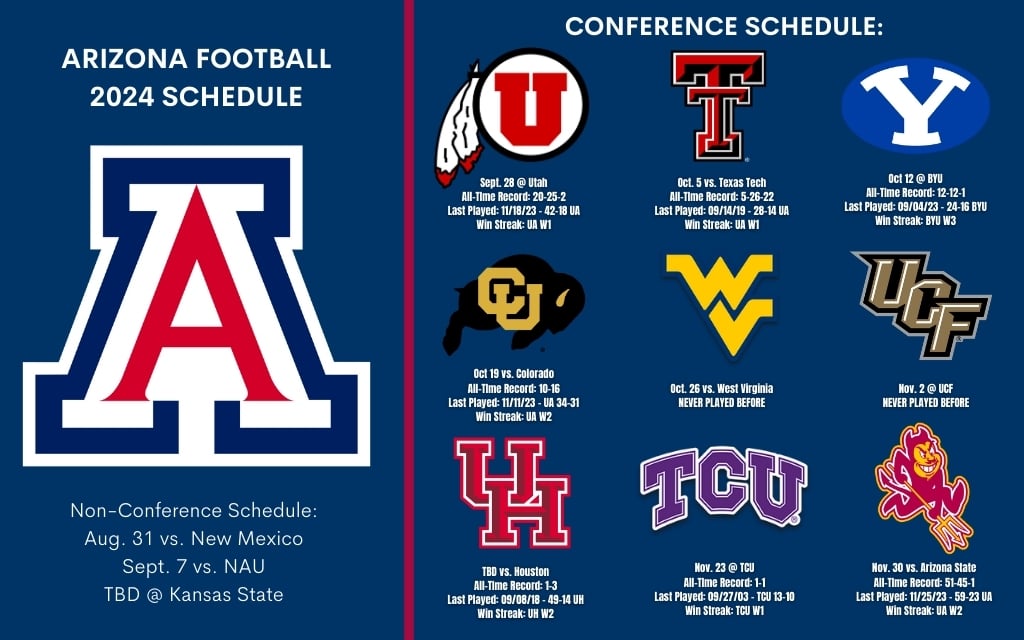
Instead of frequent trips to destinations like Los Angeles, San Francisco, or Seattle for Pac-12 Conference matchups, Arizona State University fans will now travel to places like Kansas, Iowa State University in Ames, Baylor University in Waco, Texas, Texas Christian University (TCU) in Fort Worth, West Virginia University in Morgantown, University of Cincinnati, University of Central Florida (UCF) in Orlando, University of Houston, and Brigham Young University (BYU) in Provo. Conversely, fans from these institutions, along with the incoming University of Utah and University of Colorado, will now have regular opportunities to visit Arizona.

This geographic expansion means tourism marketing efforts in Tempe and Phoenix can target new audiences. Promotional campaigns can highlight the unique appeal of Arizona to visitors from states less accustomed to its desert landscape, warm climate, and specific cultural offerings. Tailored packages combining game tickets with excursions to nearby natural wonders, cultural sites, or dining experiences could prove highly effective in these new markets.
The Lure of the Sun: Attracting Winter Visitors
Arizona’s reputation as a prime winter destination perfectly aligns with the Big 12 Conference’s footprint, many of whose member institutions are in colder climates. The prospect of escaping winter for a weekend of collegiate sports in sunny Tempe is a powerful draw. This allows visiting fans to combine their athletic pilgrimage with other highly appealing tourist activities unique to the region, such as attending MLB Spring Training games, exploring the Grand Canyon, golfing in Scottsdale, or experiencing the vibrant arts scene in Phoenix. Game weekends during the cooler months present a golden opportunity for the tourism industry to showcase the best of Arizona, encouraging extended stays and repeat visits.
Beyond Sports: Cultural and Educational Tourism Intersections
While athletic events are the primary driver of game day tourism, the presence of Arizona State University and its new conference affiliation also intersect with broader cultural and educational tourism opportunities.
Campus as a Destination
Arizona State University itself is a significant attraction. Its modern architecture, impressive public art installations, and various museums and galleries offer cultural enrichment for visitors. Parents and families visiting students, as well as prospective students on campus tours, frequently plan their trips around athletic events, especially during popular game weekends. These visitors often spend time exploring the campus, attending cultural performances, or utilizing university facilities, further contributing to local spending. The conference change might also bring new academic and research collaborations, potentially leading to more scholarly conferences and visitors to the university throughout the year.
Experiencing Tempe and the Greater Phoenix Area
The influx of visitors for [Big 12 Conference](https://lifeoutofthebox.com/big 12-conference) games provides a captive audience for Tempe and Phoenix to showcase their diverse attractions. Beyond the campus, tourists can enjoy the scenic beauty of Papago Park, explore the unique boutiques and restaurants of the Mill Avenue District, or venture into Scottsdale for upscale shopping and dining. The culinary scene, from authentic Southwestern cuisine to diverse international fare, is a significant draw. Tourism bodies can strategically leverage the game schedule to highlight seasonal events, festivals, and natural attractions, making a Sun Devil game weekend a comprehensive Arizona experience rather than just a sports trip.
Strategic Implications for Arizona’s Tourism Sector
The move to the Big 12 Conference represents a pivotal moment for Arizona’s tourism sector, demanding strategic foresight and adaptive planning.
Marketing and Promotion
Tourism marketing organizations in Tempe, Phoenix, and across Arizona must integrate Arizona State University’s new conference affiliation into their promotional campaigns. This includes targeted advertising in the home states of Big 12 Conference opponents, showcasing not just the excitement of Sun Devil athletics but also the broader attractions of the region. Collaboration between the university, city tourism bureaus, and state tourism offices will be crucial to maximize the impact of this new geographic reach. Special packages for visiting fan groups, encompassing hotels, dining, and local excursions, can incentivize longer and more comprehensive stays.
Infrastructure and Development
Accommodating a potentially larger and geographically diverse influx of visitors will necessitate continued investment in hospitality infrastructure. This includes ensuring sufficient hotel capacity, optimizing transportation links, and enhancing visitor services around the Arizona State University campus and throughout the Phoenix metro area. Event planning and logistical capabilities for hosting major conference-level events, from regular season matchups to potential championship tournaments, will need to be robust. Ultimately, Arizona State University’s membership in the Big 12 Conference is not just a sports story but a significant tourism narrative, promising new visitors, fresh experiences, and continued economic growth for the Grand Canyon State.
LifeOutOfTheBox is a participant in the Amazon Services LLC Associates Program, an affiliate advertising program designed to provide a means for sites to earn advertising fees by advertising and linking to Amazon.com. Amazon, the Amazon logo, AmazonSupply, and the AmazonSupply logo are trademarks of Amazon.com, Inc. or its affiliates. As an Amazon Associate we earn affiliate commissions from qualifying purchases.