
The question of “How long is a flight from London to New York?” is a fundamental one for any traveler planning this iconic transatlantic journey. While seemingly straightforward, the answer is nuanced, influenced by a variety of factors that can shift the flight duration by a significant margin. Understanding these variables is key to managing expectations, planning itineraries, and even choosing the most advantageous flight.
The Baseline Flight Duration
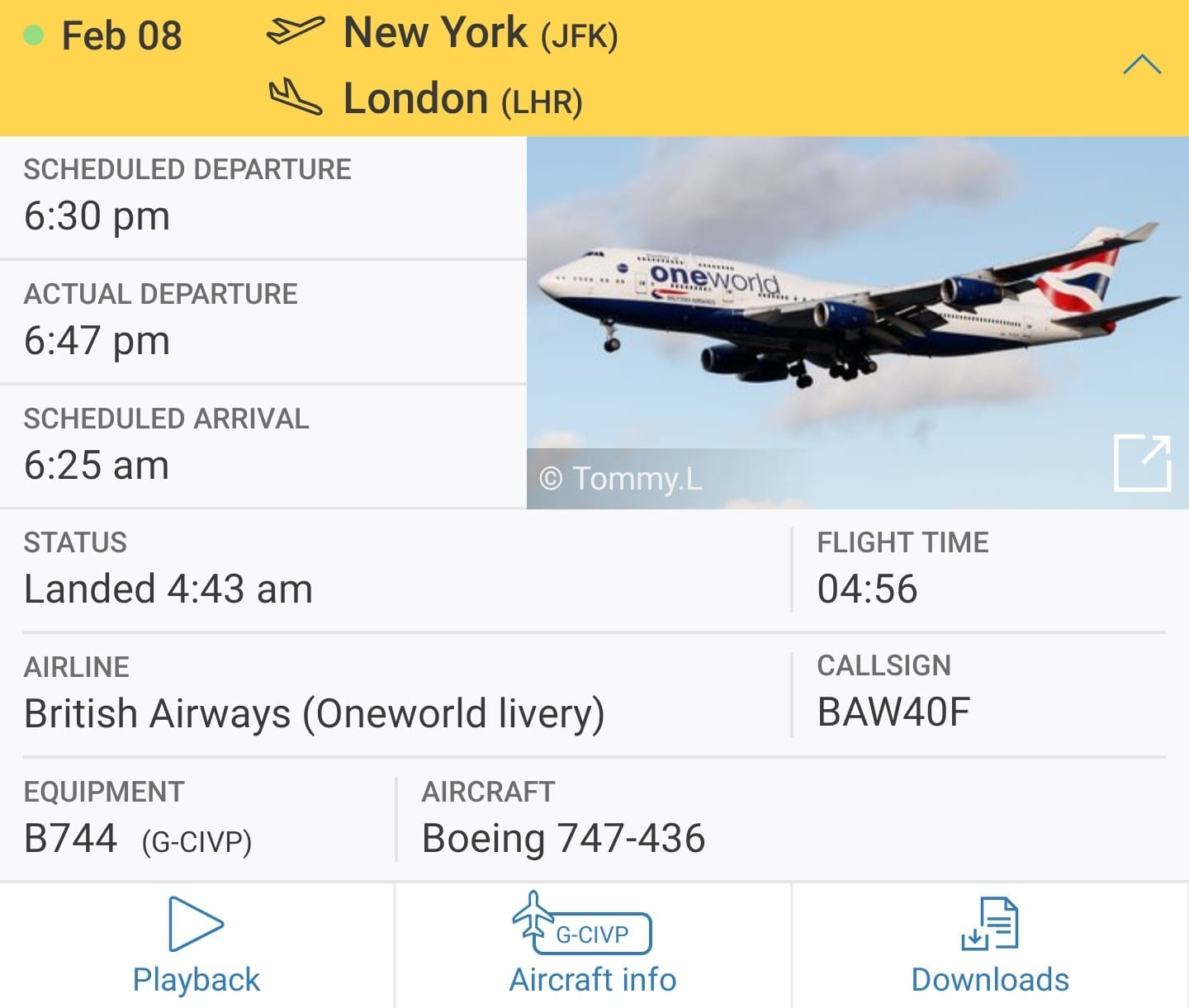
On average, a non-stop flight from London to New York typically spans between 6 hours and 45 minutes to 7 hours and 30 minutes. This range is for the eastbound journey from New York to London, which is often slightly shorter due to prevailing westerly winds. Conversely, the westbound flight from London to New York can take anywhere from 7 hours to 8 hours, again, predominantly influenced by wind patterns.
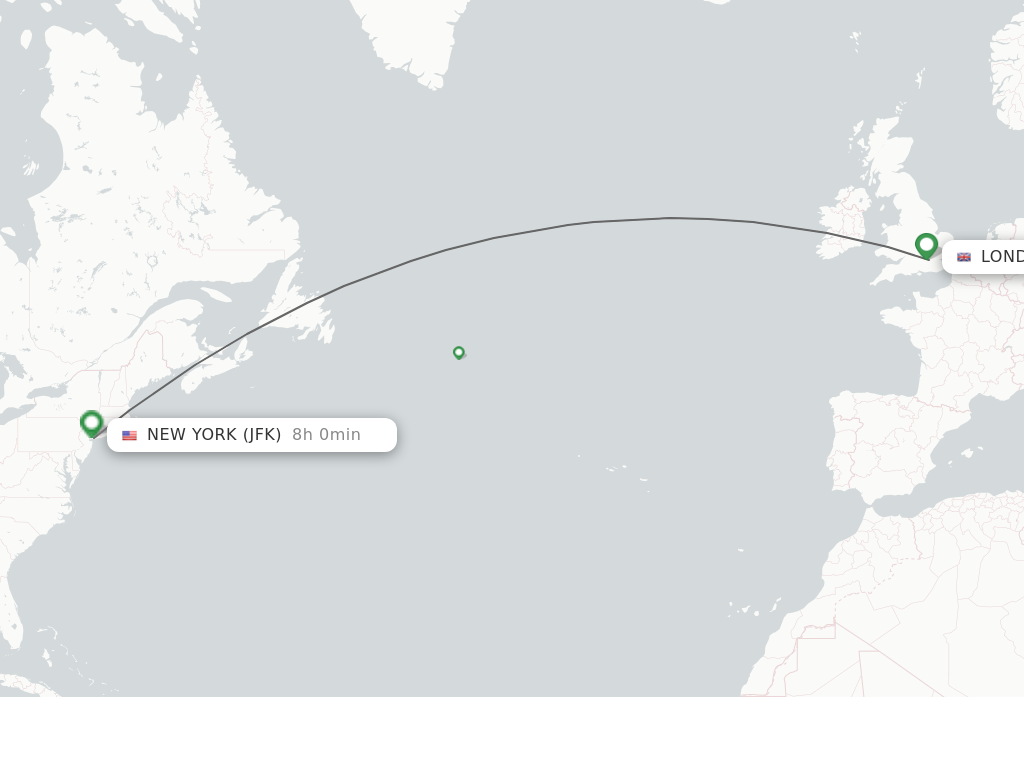
These are direct flights operated by major carriers such as British Airways, Virgin Atlantic, American Airlines, Delta Air Lines, and United Airlines. When considering these times, it’s crucial to remember that this refers to the time spent airborne. The total travel time, of course, will be considerably longer when factoring in airport transfers, check-in procedures, security screening, and baggage claim.
Factors Influencing Flight Time
Several key elements contribute to the variation in flight durations:
- Jet Stream Winds: This is perhaps the most significant factor. The jet stream is a fast-flowing, narrow, meandering air current that flows from west to east at high altitudes. Flights traveling west to east (New York to London) benefit from the jet stream, essentially “riding” it, which shortens the flight time. Conversely, flights traveling east to west (London to New York) often have to fight against the jet stream or navigate around it, increasing the flight duration.
- Aircraft Type and Speed: Different aircraft models have varying cruising speeds. Newer, more technologically advanced planes like the Boeing 787 or Airbus A350 often fly at slightly higher average speeds than older models, potentially shaving off a few minutes from the journey. The specific configuration and weight of the aircraft also play a minor role.
- Flight Path and Air Traffic Control: Airlines plan their flight paths to optimize for fuel efficiency and time, taking into account wind conditions, weather patterns, and designated air corridors. Air traffic control can sometimes direct flights on slightly altered routes due to congestion or weather events, which can marginally affect the total flight time.
- Weather Conditions: While major weather systems are usually avoided, localized turbulence or strong headwinds/tailwinds caused by less predictable weather can lead to slight adjustments in flight speed and, consequently, duration.
Understanding Different Flight Options
While non-stop flights offer the most direct and generally quickest way to travel between London and New York, they are not the only option. For travelers prioritizing cost savings or seeking a more flexible itinerary, flights with one or more stops are common.
Non-Stop Flights
As detailed above, non-stop flights are the benchmark for speed on this route. They are ideal for business travelers or those with limited time who value efficiency above all else. The convenience of arriving directly at your destination without the hassle of changing planes or navigating layovers makes them a popular choice, despite often being the most expensive option.
Flights with One Stop
Flights with a single stopover significantly increase the total travel time. The duration of these journeys can vary wildly, depending on the location of the layover and the length of the connection. A typical flight with one stop might range from 10 hours to 15 hours or more, including the time spent on the ground during the layover.
Common layover cities for flights between London and New York include:
- European Hubs: Cities like Dublin, Reykjavik, or Amsterdam are frequent stopover points, particularly for flights originating from smaller UK airports or for specific airline networks.
- North American Hubs: While less common for a direct London to New York route, some itineraries might involve a stop in another US city if the initial flight is from a less common departure point or if seeking a specific carrier.
The advantage of these flights is typically their lower price point. However, travelers must carefully consider the total travel time, the potential for missed connections, and the added stress of navigating an extra airport.
Flights with Multiple Stops
Flights with two or more stops are the longest and often the cheapest options available. These itineraries are generally reserved for the most budget-conscious travelers or those who are not time-sensitive and perhaps wish to break up a very long journey with extended stays in different cities. The total travel time can easily exceed 20 hours, making it a full-day or even a multi-day travel experience.
Optimizing Your Travel Time
While the inherent physics of flying dictate a certain baseline duration, travelers can employ strategies to optimize their journey and make the most of their time.
Choosing the Right Departure Time
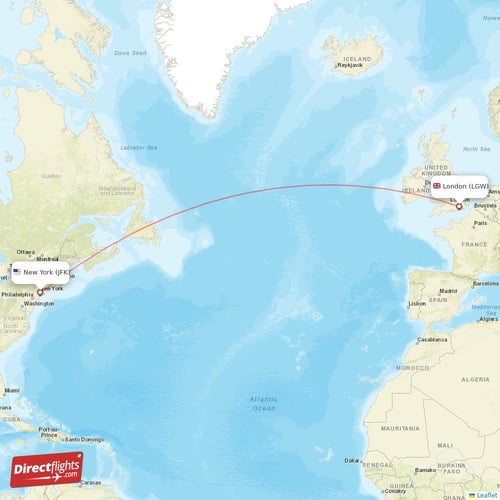
The time of day you choose to fly can have a subtle impact. Early morning departures from London might catch more favorable tailwinds for the westbound journey. Conversely, afternoon or evening departures from New York are often better positioned to benefit from the jet stream on the eastbound leg. Consulting real-time flight tracking data can offer insights into prevailing wind conditions on any given day.
Selecting the Right Airline and Aircraft
As mentioned, different aircraft types have varying cruising speeds. Researching which airlines consistently operate newer, faster fleets on the London to New York route can provide a slight edge. Additionally, some airlines may have more direct routes or more efficient air traffic control agreements that could contribute to shorter flight times.
Considering the Airport
While the flight duration itself is independent of the airport, the choice of departure and arrival airports in both London and New York can impact your overall travel experience and the time it takes to reach your final destination.
London Airports:
- Heathrow Airport (LHR): The largest and busiest airport in the UK, offering the most flight options. It’s well-connected by public transport, including the Heathrow Express and the London Underground.
- Gatwick Airport (LGW): Another major international airport, also with good train connections.
- London City Airport (LCY): A smaller, more central airport, often used by business travelers, though fewer transatlantic flights operate from here.
New York Airports:
- John F. Kennedy International Airport (JFK): The primary international gateway to New York, with extensive connections to Manhattan and other boroughs via the AirTrain and subway systems.
- Newark Liberty International Airport (EWR): Located in New Jersey, it also serves the New York metropolitan area and is accessible by train.
- LaGuardia Airport (LGA): Primarily handles domestic flights, but some international routes may operate here. It is the least convenient for direct international arrivals from London.
Choosing an airport that offers more direct flights and has efficient transport links to your final destination can significantly streamline your entire journey.
Beyond the Flight Time: Total Travel Experience
When planning a trip from London to New York, it’s essential to look beyond just the flight duration. The journey is an integral part of the travel experience, and understanding all its components can lead to a more enjoyable and less stressful adventure.
Airport Procedures
The time spent at airports can add several hours to your total travel time. Arriving at the airport for an international flight at least three hours before departure is generally recommended. This allows ample time for:
- Check-in and Bag Drop: Even with online check-in, you may need to drop luggage.
- Security Screening: This can involve long queues, especially during peak travel times.
- Passport Control: For international departures and arrivals.
- Boarding: The process of getting passengers onto the aircraft.
In-Flight Experience
Once airborne, the time on the plane becomes your immediate travel world. Airlines offer varying levels of service, from basic economy to luxurious first-class suites. The length of the flight means that factors like seat comfort, in-flight entertainment, and meal services can significantly influence how you perceive the duration.
Arrival and Immigration
Upon landing in New York, you will need to clear US immigration and customs. This process can range from quick to lengthy, depending on passenger volume and the efficiency of the immigration officers. Following this, you’ll collect your baggage and proceed to your onward transportation.
Transport to Your Accommodation
The final leg of your journey involves reaching your hotel or accommodation in New York. Whether you opt for a taxi, rideshare, shuttle bus, or public transport, this can add another hour or more to your total travel time, depending on traffic conditions and the specific location of your stay, perhaps at a renowned establishment like the Plaza Hotel or a more budget-friendly option in Brooklyn.
In conclusion, while a direct flight from London to New York is typically around 7 to 8 hours, this is merely a snapshot of the journey. By considering all the influencing factors, from the jet stream to airport procedures, travelers can better plan their transatlantic adventure and arrive at their destination well-prepared and ready to explore the vibrant city.
LifeOutOfTheBox is a participant in the Amazon Services LLC Associates Program, an affiliate advertising program designed to provide a means for sites to earn advertising fees by advertising and linking to Amazon.com. Amazon, the Amazon logo, AmazonSupply, and the AmazonSupply logo are trademarks of Amazon.com, Inc. or its affiliates. As an Amazon Associate we earn affiliate commissions from qualifying purchases.