
Understanding Legal Frameworks for Responsible Tourism in Arizona
When planning a trip to any destination, understanding the local laws and regulations is paramount for ensuring a safe, enjoyable, and responsible experience. For travelers heading to Arizona, familiarity with the state’s legal framework extends beyond common knowledge of driving laws or public consumption rules. It encompasses a broader understanding of societal norms and legal statutes, particularly those concerning age, to prevent inadvertent legal missteps and to foster respectful engagement with the local community. Arizona, known for its stunning deserts, vibrant cities, and rich cultural heritage, welcomes millions of visitors annually. To fully appreciate its offerings without incident, being informed is key.
The Importance of Local Laws for Visitors
Every state in the United States, including Arizona, operates under its own specific set of laws that complement federal regulations. These laws are designed to maintain public order, protect its citizens, and delineate acceptable behavior. For tourists, an unfamiliarity with these local statutes can lead to unexpected legal complications, ranging from fines for minor infractions to more severe penalties for serious offenses. This is especially true when it comes to laws that define relationships, consent, and protection for vulnerable populations, such as minors. Responsible tourism advocates for travelers to educate themselves on these distinctions, ensuring their actions align with local legal expectations. This proactive approach not only safeguards the individual traveler but also contributes to the positive reputation of visitors within the host community, fostering mutual respect and understanding.
General Overview of Arizona’s Legal Landscape
Arizona law is based on a common law system, derived from English common law, and is codified in the Arizona Revised Statutes. The state’s judicial system includes municipal courts, justice courts, superior courts, a court of appeals, and the Arizona Supreme Court. Laws cover a vast array of topics, from traffic regulations and business conduct to criminal offenses and civil liberties. For visitors, some of the most commonly encountered laws relate to public conduct, alcohol consumption, drug possession, and, significantly, age-based restrictions and protections. Understanding these general principles sets the stage for delving into more specific, yet equally critical, legal topics such as the age of consent, which has profound implications for individuals and relationships within the state.
The Specifics: Age of Consent in Arizona
The age of consent is a critical legal concept that defines the minimum age at which an individual is considered legally capable of consenting to sexual activity. This law is designed to protect minors from exploitation and abuse. For anyone visiting or residing in Arizona, understanding this specific legal boundary is not just a matter of compliance, but of ethical conduct and personal safety.
Defining “Age of Consent” in Arizona
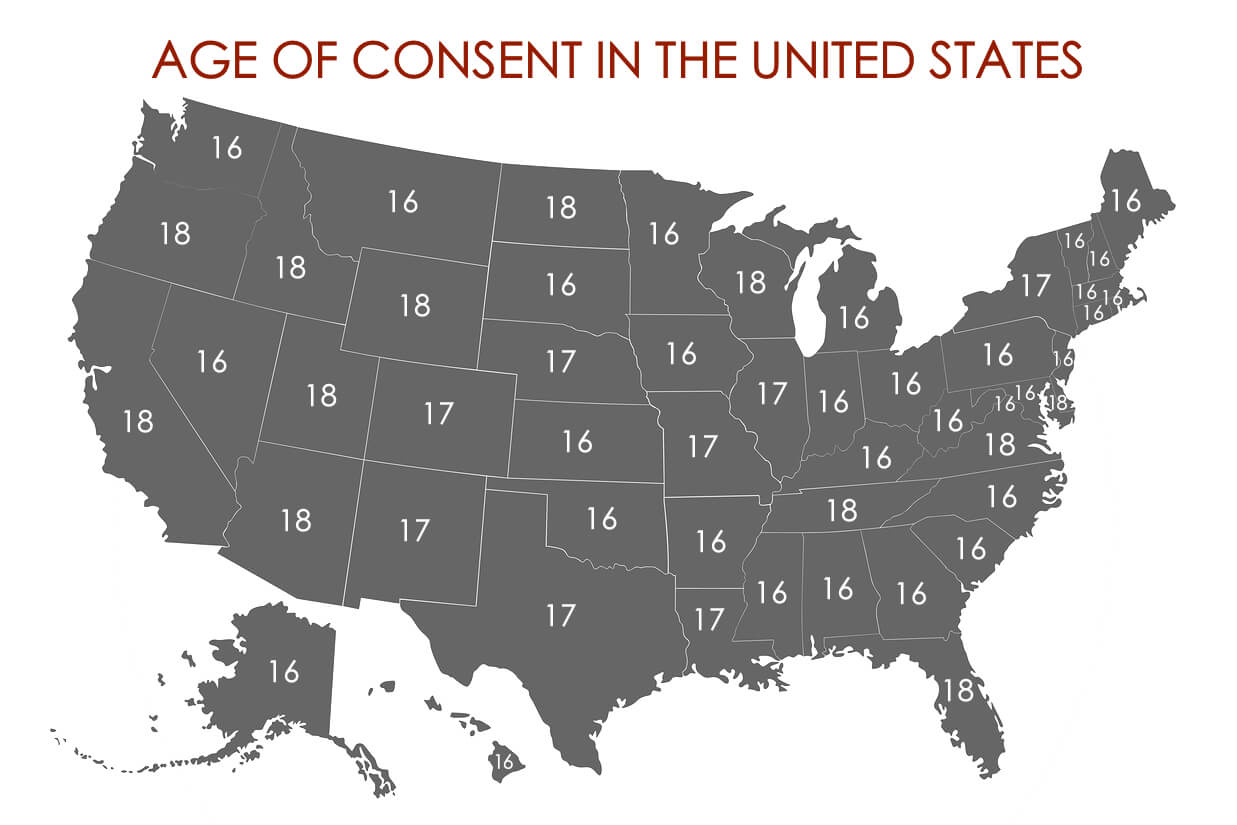
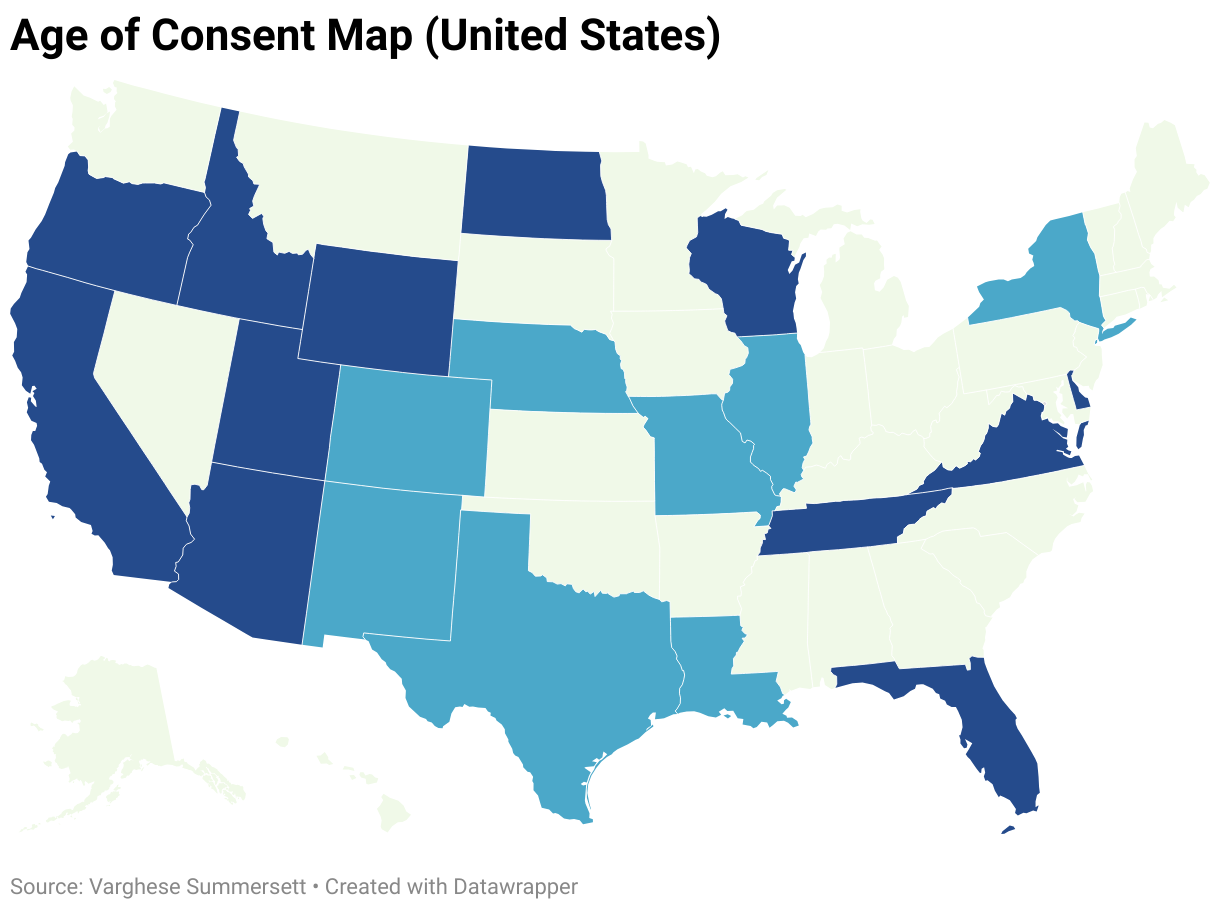
In Arizona, the age of consent is 18 years old. This means that any sexual activity with a person under the age of 18 is considered unlawful, regardless of whether the minor appears to consent or even actively expresses consent. The law’s primary objective is to protect individuals who, by reason of their age, are deemed not mature enough to make fully informed decisions about sexual activity or to understand the potential consequences. The law is strict and does not typically entertain arguments of ignorance or mistaken belief about a person’s age. It places the onus on the older individual to verify the age of their partner.
Statutory Rape Laws and Penalties
Sexual activity with a person below the age of consent in Arizona falls under the purview of statutory rape laws. These are serious felony offenses with severe penalties. The specific charges and sentencing can vary depending on several factors, including the age difference between the individuals, the exact age of the minor, and whether any force or coercion was involved.
- Classes of Felony: Statutory rape in Arizona can be charged as various classes of felonies, with the most severe charges reserved for cases involving very young victims or significant age disparities. For instance, sexual conduct with a minor who is under 15 years of age by someone 18 or older is often considered a Class 2 felony, carrying substantial prison sentences. Sexual conduct with a minor aged 15, 16, or 17 by someone 18 or older can also result in serious felony charges, albeit potentially of a lower class (e.g., Class 3 or 4 felony), but still carrying mandatory prison time.
- Mandatory Sentencing: Convictions for statutory rape in Arizona almost invariably result in mandatory prison sentences. These sentences are often lengthy and can include registration as a sex offender, which carries lifelong social and legal repercussions, including restrictions on housing, employment, and travel.
- No “Mistake of Age” Defense: Arizona law generally does not allow for a “mistake of age” defense in statutory rape cases. This means that if an individual claims they genuinely believed the minor was 18 or older, it typically will not absolve them of guilt. This underscores the critical responsibility of individuals to ensure their partner is of legal age.
- Impact on Tourists: It is crucial for tourists to understand that these laws apply to everyone within the state’s jurisdiction, regardless of their country of origin or their home country’s age of consent laws. Ignorance of Arizona law is not a defense, and individuals found guilty can face the full force of the Arizona legal system, including extradition if they attempt to leave the state or country.
Consent vs. Legal Age for Other Activities
It’s important to distinguish the age of consent for sexual activity from other age-related legal boundaries in Arizona:
- Alcohol Consumption/Purchase: The legal drinking age in Arizona is 21. It is illegal to purchase, possess, or consume alcohol if you are under 21.
- Tobacco/Vaping Products: The legal age to purchase tobacco and vaping products in Arizona is 21.
- Driving Age: Individuals can obtain an instruction permit at 15 years and 6 months and a graduated driver’s license at 16, with full driving privileges at 18.
- Marriage Age: The minimum age to marry in Arizona is 16 with parental consent, and 18 without parental consent. However, this does not supersede the age of consent for sexual activity; it is a separate legal framework governing marriage.
These distinctions highlight that while an individual may be legally able to engage in some adult activities at certain ages (e.g., driving at 16, marrying at 16 with consent), the threshold for consenting to sexual activity remains firmly at 18.
Navigating Social and Legal Nuances for Tourists

Understanding the letter of the law is one thing; navigating its practical implications, especially as a tourist, is another. Arizona’s age of consent laws are enforced rigorously, and visitors must be acutely aware of their responsibilities.
Implications for Travelers and Arizona Residents
For travelers, the most significant implication is the absolute necessity to confirm the age of any individual with whom they might consider engaging in a romantic or sexual relationship. Digital interactions, especially through dating apps or social media, can obscure true identities and ages. Furthermore, cultural differences in appearance or social interaction might lead to misjudgments. The advice is unequivocally clear: if there is any doubt about a person’s age, it is imperative to err on the side of caution and avoid any situations that could lead to legal complications. This applies equally to Arizona residents, but tourists may be less familiar with local social cues or legal nuances.
Protecting Yourself and Others: Best Practices for Visitors
To ensure a safe and legally compliant visit to Arizona, tourists should adopt several best practices:
- Verify Age: Always confirm the age of individuals before engaging in any potentially compromising interactions. Direct verbal confirmation is a start, but if the situation has any legal implications, seek official identification.
- Be Skeptical of Appearances: Physical appearance can be misleading. A person might look older than they are. Do not rely solely on outward appearance.
- Understand Digital Risks: Online interactions can be deceptive. Be extremely cautious when communicating with individuals met online, especially if their age is unclear or seems inconsistent.
- Avoid Risky Situations: Steer clear of environments or social gatherings that might facilitate interactions with underage individuals or where age verification is lax.
- Respect Local Culture: While not directly legal, respecting local social norms and expectations can help prevent misunderstandings that could escalate.
Resources and Assistance for Legal Questions
If a tourist finds themselves in a situation requiring legal clarification or assistance concerning Arizona law, several resources are available:
- Legal Counsel: Contacting an Arizona-licensed attorney specializing in criminal defense is advisable for any legal concerns. Embassies or consulates may be able to provide lists of local lawyers.
- Local Law Enforcement: For immediate concerns or to report suspicious activity, contacting the local police department in cities like Phoenix, Tucson, or Flagstaff is appropriate.
- Victim Support Services: For individuals who may have been victims of exploitation, various state and local organizations offer support and legal advocacy.
Broader Context: Age-Related Laws Affecting Tourism
Beyond the age of consent, several other age-related laws in Arizona directly impact tourists and are important for a seamless travel experience. Awareness of these regulations helps visitors plan accordingly and avoid common pitfalls.
Alcohol Consumption and Purchase Ages
As previously mentioned, the legal drinking age in Arizona is 21. This applies universally to purchasing, possessing, and consuming alcoholic beverages in public and private settings. Establishments selling alcohol, such as bars, restaurants, and liquor stores, are legally obligated to check identification and will refuse service to anyone appearing to be under 21 or unable to provide valid proof of age. Attempting to use a fake ID or providing alcohol to a minor carries significant penalties for both the individual and the establishment.
Driving Age and Rental Car Policies
While Arizona allows individuals to obtain a driver’s license at 16, rental car companies typically have their own age requirements. Most major car rental agencies require renters to be at least 21 years old. Furthermore, many impose an additional “underage driver” surcharge for renters between 21 and 24 years old. Travelers under 25 should verify rental policies in advance and budget for potential extra fees. International visitors must also ensure their driver’s license is valid for use in Arizona or obtain an International Driving Permit (IDP) if necessary.
Hotel Check-in Ages and Policies for Minors
Hotel check-in policies regarding age vary across Arizona. While some hotels may allow guests as young as 18 to check in, many properties, particularly larger chains or resorts, enforce a minimum check-in age of 21. This policy is often in place to mitigate risks associated with underage drinking and property damage. Families traveling with minors should also be aware of specific policies regarding unaccompanied minors or children staying in rooms separate from their parents/guardians. It is always advisable to confirm the hotel’s check-in age policy directly with the establishment prior to booking.
Gambling and Casino Entry Regulations
Arizona is home to numerous tribal casinos offering various forms of gambling. The legal age to gamble in these establishments is 21. This includes playing slot machines, table games, poker, and participating in sports betting where available. Casinos strictly enforce this age limit, requiring valid photo identification for entry to the gaming floor and before cashing in chips or collecting winnings. Individuals under 21 may be allowed in certain areas of a casino resort, such as restaurants or entertainment venues, but they will be prohibited from the gaming areas.
By understanding these comprehensive age-related laws, visitors can ensure their trip to Arizona is not only memorable for its beauty and attractions but also remains free from legal complications. Responsible travel begins with knowledge and respect for the host destination’s rules.
LifeOutOfTheBox is a participant in the Amazon Services LLC Associates Program, an affiliate advertising program designed to provide a means for sites to earn advertising fees by advertising and linking to Amazon.com. Amazon, the Amazon logo, AmazonSupply, and the AmazonSupply logo are trademarks of Amazon.com, Inc. or its affiliates. As an Amazon Associate we earn affiliate commissions from qualifying purchases.