
Understanding the minimum wage in any given location is a fundamental aspect of budgeting, financial planning, and gaining insight into the local economic landscape. For anyone considering a visit, a relocation, or even a long-term stay in Phoenix, Arizona, grasping the current wage standards is crucial. This information directly influences the cost of services, the affordability of daily life, and the overall financial viability of living or working in the Valley of the Sun. Far from being a mere statistic, the minimum wage shapes the economic realities for countless individuals and indirectly impacts the prices consumers face across various sectors.

The Current Landscape of Wages in Phoenix
Arizona, often referred to as the Grand Canyon State, has established a state-wide minimum wage that applies to most employers within its borders. Unlike some other major U.S. cities that have enacted their own higher local minimum wages, Phoenix adheres to the state minimum wage, ensuring a consistent standard across a broad geographical area. This means that individuals employed within Phoenix are subject to the same minimum pay rates as those in other parts of the state, with certain exceptions for tipped employees and specific employer categories.
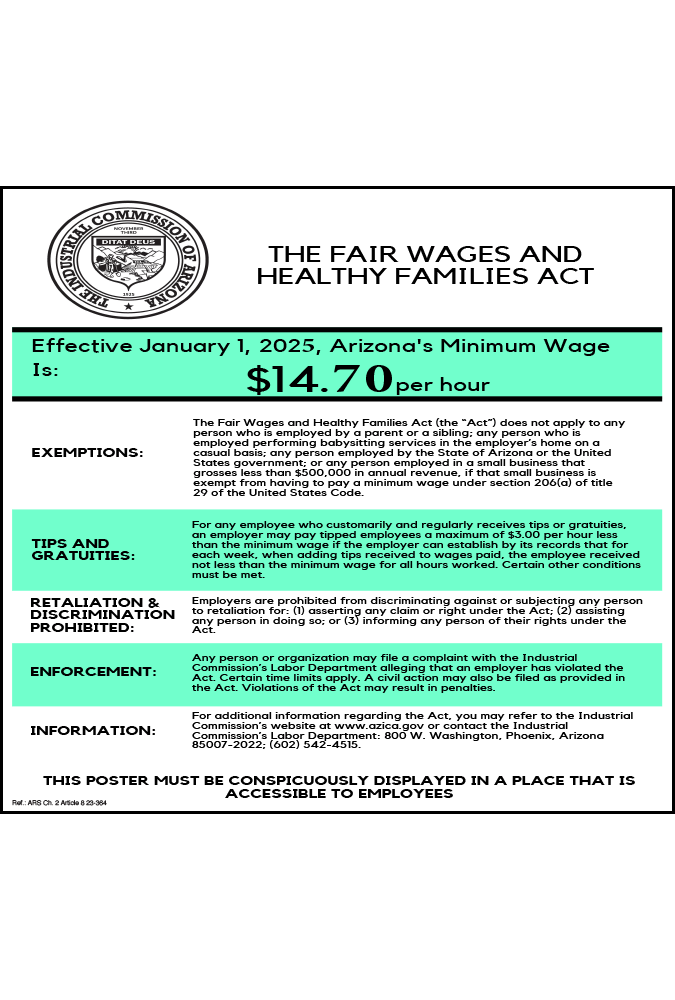
As of January 1, 2024, the minimum wage in Arizona, and consequently in Phoenix, is set at $14.35 per hour. This rate represents a significant increase over previous years, reflecting an ongoing effort to ensure that minimum wage earners can better cope with the rising cost of living. For tipped employees, the state allows for a tip credit, meaning their direct wage can be lower than the standard minimum, provided their tips bring their total compensation up to or above the minimum wage. Specifically, the minimum cash wage for tipped employees is $11.35 per hour, assuming they earn at least $3.00 per hour in tips. If an employee does not earn at least $3.00 per hour in tips, the employer must make up the difference.
These figures are vital for anyone planning to work in Phoenix’s service industry, whether it’s hospitality, retail, or food service. They also set a baseline for how much entry-level positions generally pay, which is a key consideration for students, job seekers, and those exploring new career paths in the bustling metropolitan area. The predictability of a state-wide standard, rather than a patchwork of city-specific rates (though some Arizona cities like Flagstaff do have higher local minimums), simplifies understanding the wage structure in Phoenix.
Understanding the Cost of Living in the Valley of the Sun
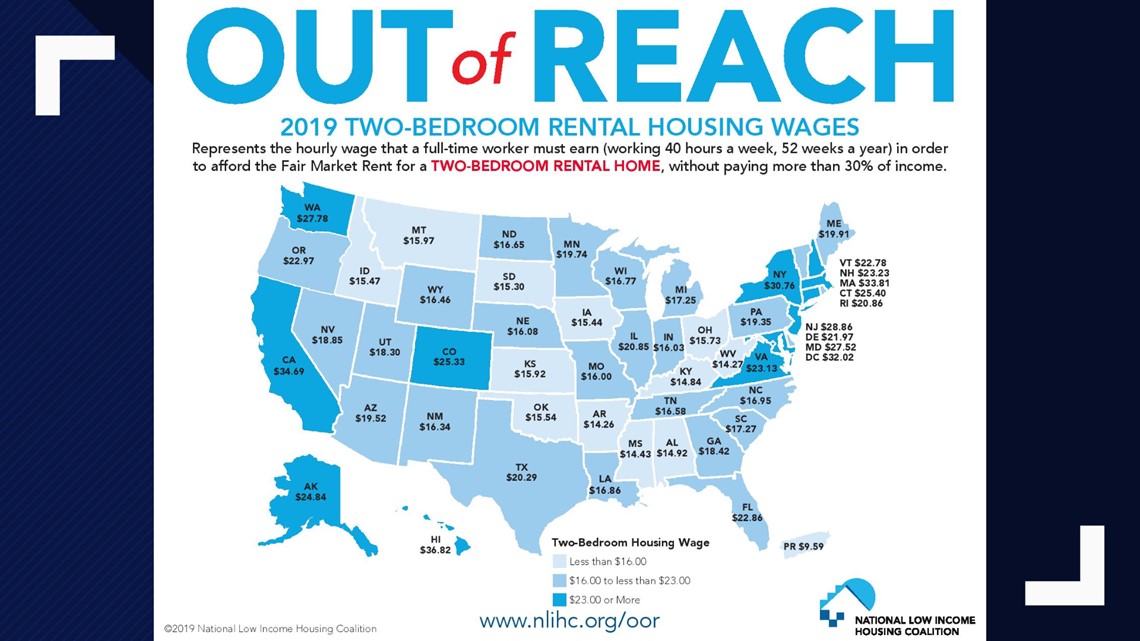
While the minimum wage provides a floor for earnings, it’s equally important to juxtapose this figure with the actual cost of living in Phoenix. The city, a major urban center, presents a diverse range of expenses that can vary significantly depending on lifestyle choices and location within the metropolitan area. Housing, for instance, often represents the largest single expenditure for residents. Rental prices for apartments and homes have seen considerable fluctuations, driven by population growth and market demand. While the minimum wage offers a baseline, it often requires careful budgeting, and sometimes multiple income sources, for individuals or families to comfortably afford housing in desirable Phoenix neighborhoods.
Beyond housing, other essential costs include utilities (especially air conditioning during the intense summer months), transportation, groceries, healthcare, and leisure activities. Phoenix is largely a car-dependent city, meaning vehicle ownership, fuel costs, insurance, and maintenance are significant considerations for most residents. Public transportation options exist but may not cover all areas comprehensively or conveniently. Food prices, while generally comparable to national averages, can also add up, particularly for those who frequently dine out. Understanding these interwoven financial elements is crucial for anyone evaluating the economic feasibility of life in Phoenix.
Impact on Travelers and Visitors: Budgeting for Your Phoenix Trip
For travelers and tourists, the local minimum wage, while not directly affecting their earnings, indirectly influences their spending power and the overall cost of their visit. When businesses pay higher wages, these costs are often factored into the prices of goods and services. This means that a higher minimum wage can subtly contribute to the pricing of everything from a cup of coffee to a guided tour. Budget-conscious travelers, particularly those planning extended stays, should factor these economic realities into their financial planning for a Phoenix adventure.
Dining Out and Service Industry Costs
The hospitality and food service sectors are among the largest employers of minimum wage earners. Consequently, the minimum wage directly impacts the operational costs for restaurants, cafes, bars, and hotels in Phoenix. Visitors might notice this in menu prices or service charges. While Phoenix offers a wide array of dining experiences, from high-end gourmet establishments to casual eateries and food trucks, understanding the underlying labor costs can help travelers set realistic expectations for their food budget. Tipping culture remains prevalent in the United States, and particularly in Arizona’s service industry, where the minimum wage for tipped employees is lower. Therefore, travelers should always factor in an appropriate tip (typically 15-20% for good service) to support service staff.
Activities and Attractions: What Your Dollar Buys
Phoenix boasts a wealth of attractions, from natural wonders like Camelback Mountain and the Desert Botanical Garden to cultural institutions such as the Phoenix Art Museum and the Musical Instrument Museum. The cost of admission, guided tours, and other recreational activities can reflect the local labor costs. While many natural attractions, like hiking trails, are free or have minimal parking fees, organized tours, lessons, or specialty experiences often come with a price tag that accounts for staff wages. Savvy travelers planning a budget trip might prioritize free activities or look for discount passes and bundle deals to maximize their experience without overspending. For example, exploring downtown Phoenix on foot or visiting the South Mountain Park and Preserve can be excellent, low-cost ways to experience the city.
Accommodation Considerations
The minimum wage also subtly impacts the accommodation sector. Hotels, resorts, and short-term rental properties employ a large workforce, from housekeeping and front desk staff to maintenance and security personnel. Higher labor costs can be passed on to guests through room rates. While Phoenix offers a diverse range of lodging options, from luxury resorts in Scottsdale to more budget-friendly motels and vacation rentals, understanding the underlying economic factors can help travelers grasp why prices are set as they are. Booking in advance, traveling during off-peak seasons, or considering areas slightly outside the main tourist hubs can often yield more affordable accommodation options, helping travelers stretch their budget further in a city where service costs are influenced by the state’s minimum wage.
For Prospective Residents and Digital Nomads: A Lifestyle Perspective
For individuals considering a move to Phoenix for work, study, or an extended digital nomad lifestyle, understanding the minimum wage is not just about budgeting for a trip; it’s about evaluating the financial feasibility of a sustained life in the city. The minimum wage defines the floor of earning potential for many entry-level positions and impacts the overall economic environment.
Entry-Level Job Market and Earning Potential
For those seeking employment in Phoenix, particularly in fields like retail, food service, hospitality, or administrative support, the minimum wage sets the baseline for starting salaries. While many employers may offer wages above the state minimum, especially in sectors experiencing labor shortages or requiring specialized skills, new entrants to the workforce or those transitioning careers should be aware of the minimum as a realistic starting point. Understanding this helps in setting salary expectations during job searches and negotiating compensation. The tech industry, healthcare, and education sectors in Phoenix, for instance, typically offer wages significantly higher than the minimum, reflecting the demand for skilled labor. However, for those without specific qualifications, the minimum wage can be a crucial indicator of immediate earning power.
Rent, Utilities, and Transportation Costs
The combination of minimum wage earnings and the local cost of living presents a critical financial puzzle for prospective residents. As mentioned, housing is a major expense. An individual earning the minimum wage would need to carefully budget to afford even a modest apartment in Phoenix. Utilities, including electricity for air conditioning during the long summer months, can also be substantial. Transportation costs, given the sprawling nature of Phoenix and limited comprehensive public transit, also weigh heavily on a minimum wage earner’s budget. Many residents find that relying solely on a minimum wage income can be challenging, often necessitating roommates, a second job, or a significant adjustment in lifestyle expectations. Digital nomads, who might be earning income remotely, still need to assess these local costs to ensure their remote earnings can support their chosen lifestyle in Phoenix.
Financial Planning for Relocation or Extended Stays
Anyone planning a relocation or an extended stay in Phoenix should undertake thorough financial planning. This involves more than just calculating monthly expenses; it includes considering initial moving costs, setting aside an emergency fund, and understanding the nuances of the local economy. For those relying on minimum wage employment, it’s advisable to have a clear strategy for income generation and expense management. Exploring neighborhoods with more affordable rental markets, researching public transportation routes if car ownership is not feasible, and identifying cost-effective grocery and leisure options are all critical steps. Living frugally, leveraging free community resources, and carefully managing discretionary spending become paramount when navigating life in Phoenix on a limited income.
Economic Trends and Future Outlook
The minimum wage in Phoenix and across Arizona is not static; it is subject to annual adjustments based on inflation and legislative action. Arizona law mandates that the minimum wage be adjusted annually based on the cost of living, as measured by the consumer price index. This automatic adjustment helps ensure that the purchasing power of minimum wage earners does not erode significantly over time due to inflation.
Recent Wage Increases and Their Effects
The recent increases in the minimum wage have had several observable effects on the Phoenix economy. For employees, it means a higher take-home pay, which can lead to increased consumer spending and improved quality of life for those at the lower end of the income spectrum. For businesses, particularly small and medium-sized enterprises, it means higher labor costs, which they may absorb, pass on to consumers through price increases, or offset through efficiency improvements. The balance between these effects is constantly debated, but the intention is to create a more livable wage environment.
Broader Economic Influences on Phoenix’s Wage Structure
Beyond the minimum wage, Phoenix’s broader economic landscape also influences wage structures. The city’s robust growth in sectors like technology, healthcare, manufacturing, and tourism creates demand for various skill sets, often pushing wages higher than the minimum for qualified individuals. The influx of new residents and businesses also contributes to competition for talent, which can benefit workers. However, disparities in wages and cost of living remain a significant concern, emphasizing the importance of understanding the minimum wage as a baseline in a dynamic economic environment. For anyone engaging with Phoenix, whether for a fleeting visit or a permanent move, these economic undercurrents are integral to a holistic understanding of the city’s lifestyle and financial landscape.
LifeOutOfTheBox is a participant in the Amazon Services LLC Associates Program, an affiliate advertising program designed to provide a means for sites to earn advertising fees by advertising and linking to Amazon.com. Amazon, the Amazon logo, AmazonSupply, and the AmazonSupply logo are trademarks of Amazon.com, Inc. or its affiliates. As an Amazon Associate we earn affiliate commissions from qualifying purchases.