
Understanding Arizona’s Tax Landscape for Lifestyle Planning
For individuals considering a move to the Grand Canyon State, establishing a remote work base, or planning a retirement sanctuary, understanding the local tax landscape is paramount. Arizona’s income tax rates directly influence disposable income, budgeting, and the overall financial viability of a chosen lifestyle within the state. Beyond the scenic beauty and vibrant culture, the financial framework, particularly income tax, plays a critical role in determining the quality of life and financial outlook for residents and non-residents alike. This section delves into how Arizona’s tax structure impacts lifestyle decisions, from the cost of living to long-term financial planning.
The Evolution of Arizona’s Income Tax Structure
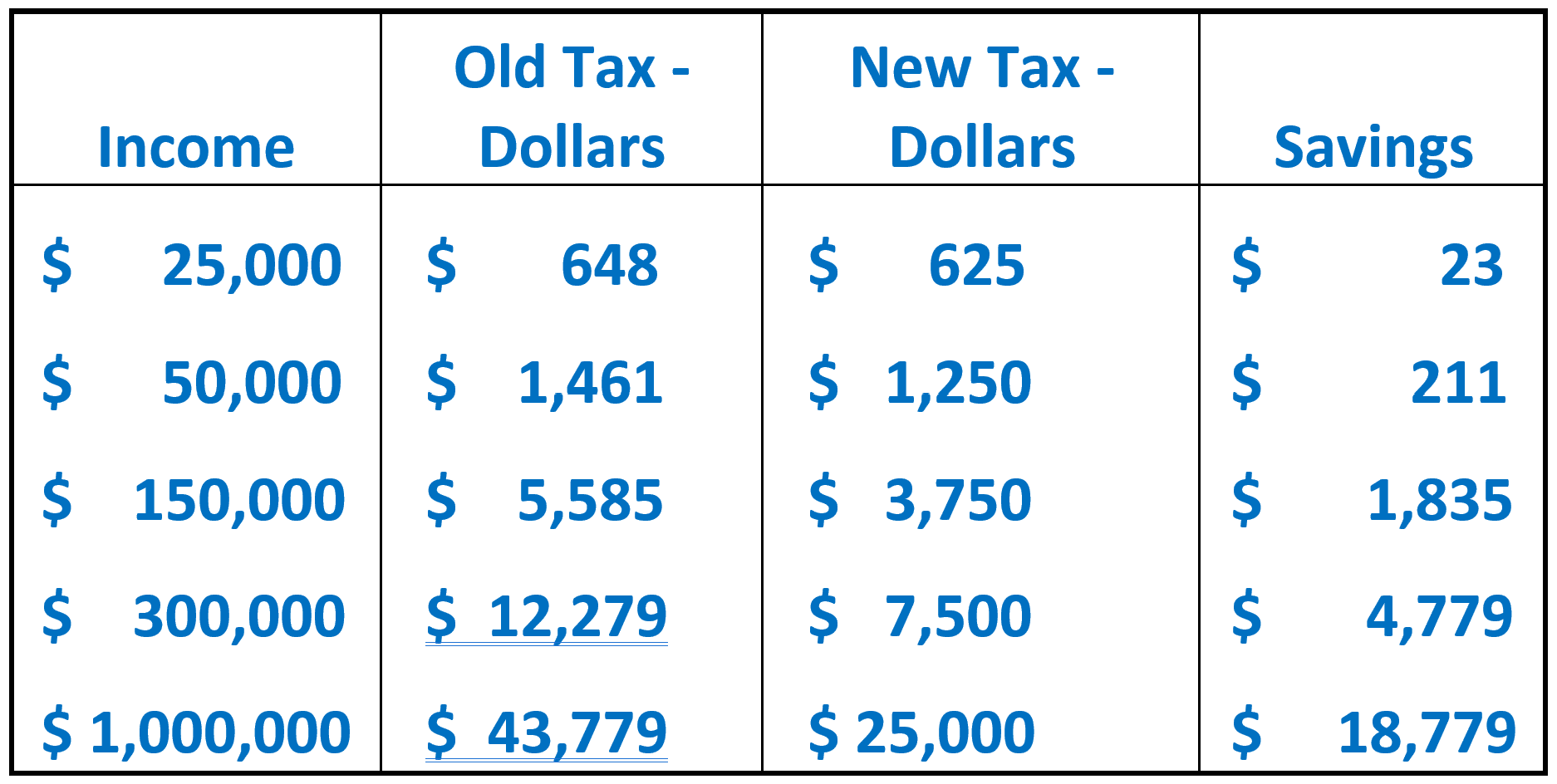
Arizona’s approach to income tax has undergone significant transformations in recent years, largely driven by legislative efforts to enhance the state’s economic competitiveness and appeal. Historically, Arizona utilized a progressive income tax system, where higher earners paid a greater percentage of their income in taxes. However, a pivotal shift occurred with the enactment of legislation aimed at transitioning to a flat tax rate. This move was intended to simplify the tax code, attract businesses, and incentivize individuals to reside and work in Arizona. Understanding this evolution is crucial because the current system reflects a deliberate strategy to offer a more predictable and potentially lower tax burden for many, directly influencing lifestyle considerations such as career changes, business ventures, or retirement planning. The transition impacts various income brackets differently, making it essential to grasp the current structure.
Why Tax Rates Matter for Lifestyle Decisions
The effective income tax rate in any state profoundly impacts a household’s net income, which, in turn, dictates purchasing power, savings potential, and overall financial security. For those contemplating a move to Arizona, whether for career opportunities in cities like Phoenix or Tucson, retirement in a sun-drenched community, or the flexibility of remote work from a desert oasis, the income tax rate is a fundamental budget item. A lower income tax rate can translate into more disposable income, allowing for a higher standard of living, more investment opportunities, or greater flexibility in lifestyle choices, such as frequent travel or pursuing hobbies. Conversely, underestimating tax obligations can lead to financial strain. Therefore, a comprehensive understanding of Arizona’s income tax is not merely a compliance issue but a cornerstone of informed lifestyle and financial planning.
Decoding the Current Arizona Personal Income Tax Rates
Arizona’s personal income tax system has moved towards a streamlined structure, which is a significant factor for anyone evaluating the financial implications of living or working in the state. This transition simplifies the tax calculation for many, making it easier for individuals to project their after-tax income and manage their finances effectively within their desired lifestyle.
The Flat Tax Transition and Its Implications
Effective for tax years beginning January 1, 2023, Arizona largely implemented a flat personal income tax rate. This represents a substantial departure from the previous progressive multi-bracket system. The primary goal of this legislative change was to enhance the state’s attractiveness for residents and businesses by offering a straightforward and competitive tax environment.
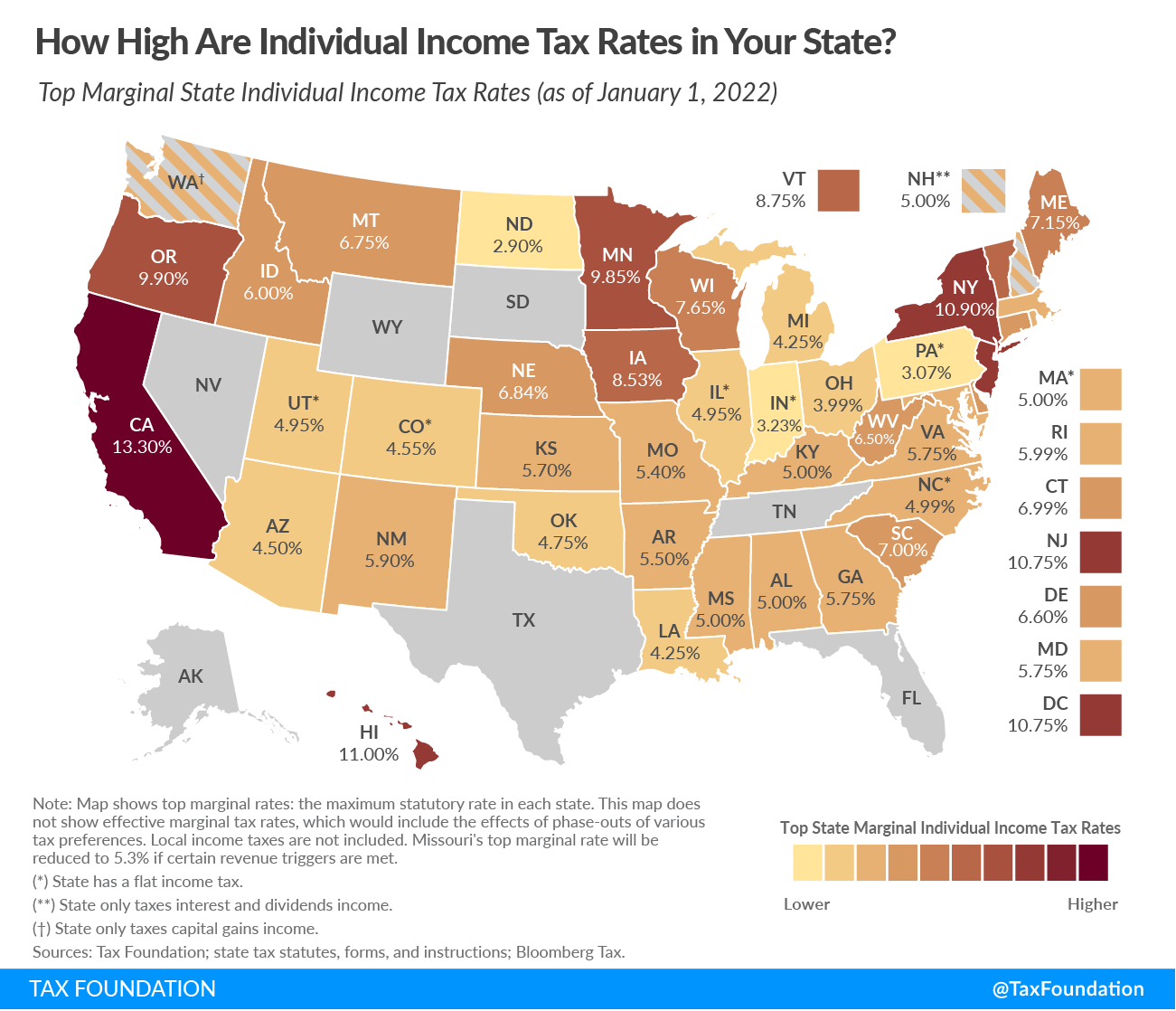
For the 2023 tax year and beyond, the personal income tax rate in Arizona is a flat 2.5% on taxable income. This flat rate applies to most individual taxpayers, regardless of their income level, making Arizona one of the states with a very competitive income tax structure. This simplicity is a key appeal for many, particularly those with higher incomes who might have faced significantly higher rates under a progressive system. For retirees, business owners, and remote workers, this predictability can be a major advantage in financial planning.
It’s important to note that while the state has moved to a flat tax, certain specific scenarios or surcharges could apply to a very limited number of high-income taxpayers based on prior legislative actions. However, for the vast majority of individual taxpayers, the 2.5% rate is the standard to consider.
Who Pays Arizona Income Tax?
Understanding your tax residency status is crucial for determining your income tax obligations in Arizona. The state distinguishes between different types of taxpayers:
Residents
If you are domiciled in Arizona or spend more than nine months of the tax year in the state, you are generally considered a full-year resident. Residents are taxed on all income, regardless of where it was earned, though credits may be available for taxes paid to other states. This is a significant consideration for individuals who move to Arizona permanently or establish it as their primary home.
Non-residents
Non-residents are individuals who are not domiciled in Arizona and do not meet the residency duration criteria. Non-residents are taxed only on income derived from Arizona sources, such as wages earned for work performed in the state, income from Arizona real estate, or business income from an Arizona business. This is relevant for seasonal workers, part-time residents, or those with rental properties in the state.
Part-year Residents
Individuals who move into or out of Arizona during the tax year are considered part-year residents. They are taxed on income earned while they were an Arizona resident and on [Arizona](https://lifeoutofthebox.com/arizona]-source income earned during their non-resident period. Proper record-keeping and understanding the allocation of income are essential for part-year residents to ensure accurate tax filings.
How is Taxable Income Calculated in Arizona?
Even with a flat tax rate, determining your exact taxable income is key. Arizona generally aligns its taxable income calculation with federal adjusted gross income (AGI), with specific Arizona-specific adjustments.
Adjustments
These are additions or subtractions from your federal AGI to arrive at your Arizona AGI. Common adjustments include subtractions for certain retirement income, military pay, or additions for specific types of non-taxable federal income that are taxable in Arizona.
Deductions
Arizona taxpayers can choose between a standard deduction or itemized deductions, similar to federal tax rules. The Arizona standard deduction amounts are set annually and can vary based on filing status. Itemized deductions often include mortgage interest, state and local taxes (within federal limits), medical expenses, and charitable contributions. The choice between standard and itemized deductions depends on individual financial circumstances and can significantly impact the final taxable income.
Exemptions
While personal exemptions have largely been eliminated at the federal level, Arizona does offer certain exemptions and credits that can further reduce your tax liability. These can include exemptions for dependents or specific tax credits for educational expenses, donations to qualifying charities, or property taxes paid. Leveraging these can be vital for minimizing your overall tax burden and optimizing your lifestyle budget.
Beyond Income Tax: Other Financial Considerations for an Arizona Lifestyle
While income tax is a primary concern, a holistic view of Arizona’s tax structure is essential for anyone planning a move or extended stay. Other taxes can significantly impact the cost of living and overall financial well-being, influencing lifestyle choices such as homeownership, daily spending, and long-term financial stability.
Property Taxes in Arizona
For those considering homeownership in Arizona, understanding property taxes is critical. Unlike income tax, which is a statewide flat rate, property tax rates vary considerably by county, city, and local taxing districts. Property taxes are based on the assessed value of real estate and contribute to local services like schools, libraries, and public safety. While Arizona is generally considered to have relatively low property taxes compared to many other states, these costs are a substantial ongoing expense for homeowners. Budgeting for property taxes is crucial when evaluating housing affordability and the long-term costs of living in desirable areas such as Scottsdale or Sedona. The impact on your lifestyle extends to choosing neighborhoods, considering community amenities, and evaluating your overall housing budget.
Sales Tax
Arizona has a statewide sales tax, but like property taxes, the total rate can fluctuate based on local city and county additions. The statewide sales tax, officially known as Transaction Privilege Tax (TPT), is applied to the sale of most tangible goods and certain services. The combined sales tax rate (state + local) can range from approximately 6% to over 10% in some municipalities. This tax impacts daily expenses, from groceries and clothing to dining out and vehicle purchases. For individuals planning their lifestyle budget, factoring in sales tax on everyday expenditures is important. A higher sales tax can subtly erode disposable income, particularly for families or those with significant purchasing habits. Understanding these varying rates across different regions of Arizona can even influence decisions on where to shop or conduct business.
Other Taxes
Arizona is generally considered a tax-friendly state in several other areas. There is no state estate tax or inheritance tax, which is a significant advantage for those concerned with wealth transfer and estate planning. This can be particularly appealing for retirees and individuals with substantial assets, as it ensures that their legacy is passed on more directly to their beneficiaries without state-imposed levies. Additionally, Arizona does not have a separate intangible property tax. While these taxes might not impact daily finances, their absence contributes to the overall financial appeal of an Arizona lifestyle for long-term residents and those planning their future.
Planning Your Move or Stay: Financial Strategy for Arizona
The decision to relocate to Arizona, establish a seasonal residence, or transition to remote work within the state involves more than just admiring the desert landscapes and warm weather. A robust financial strategy, deeply rooted in understanding the state’s tax structure, is indispensable for a smooth and successful lifestyle transition.
Consulting a Tax Professional
Given the nuances of tax law and the individual-specific nature of income and deductions, seeking advice from a qualified tax professional is highly recommended. An Arizona-licensed Certified Public Accountant (CPA) or financial advisor specializing in state taxation can provide personalized guidance. They can help navigate the complexities of residency rules, optimize deductions and credits, and ensure compliance with both state and federal tax obligations. This professional insight is particularly valuable for those with diverse income sources, out-of-state income, or complex financial portfolios, ensuring that your lifestyle in Arizona is financially sound and tax-efficient.
Budgeting for the Arizona Lifestyle
Creating a detailed budget is a fundamental step in preparing for an Arizona lifestyle. This budget should extend beyond just the 2.5% flat income tax rate to encompass all tax-related expenses. Factor in potential property taxes if you plan to buy a home, estimated sales tax on your typical spending habits, and any other specific local taxes that might apply depending on your chosen community. Consider the impact of these taxes on your overall cost of living, from housing and utilities to transportation and leisure activities. A comprehensive budget allows for proactive financial management, ensuring that your desired lifestyle in Arizona is sustainable and enjoyable without unexpected financial pressures.

The Overall Financial Appeal of Arizona for Different Lifestyles
Arizona’s tax environment, characterized by its low flat income tax rate, absence of estate or inheritance tax, and relatively moderate property taxes, presents a compelling financial proposition for various demographics:
- Retirees: The absence of estate tax, combined with favorable income tax treatment for certain retirement incomes, makes Arizona an attractive destination for retirement, especially in serene communities such as Sun City or Mesa.
- Remote Workers: For individuals with location-independent careers, the low income tax rate means a larger portion of their earnings remains in their pockets, enhancing their disposable income and improving their quality of life. The vibrant cities and natural beauty add to the allure.
- Families: While property and sales taxes are considerations, the overall lower income tax burden can free up funds for family activities, education, or savings, contributing positively to a family-centric lifestyle.
- Business Owners/Entrepreneurs: The predictable and competitive flat tax rate can be a draw for entrepreneurs and small business owners looking to establish or expand their operations, providing a stable financial environment for growth and personal income.
In conclusion, the income tax rate for Arizona is a significant factor in lifestyle planning. The current flat rate of 2.5% positions Arizona as a fiscally appealing state, but a thorough understanding of all tax implications is vital for making informed decisions about living, working, and thriving in this dynamic state.
LifeOutOfTheBox is a participant in the Amazon Services LLC Associates Program, an affiliate advertising program designed to provide a means for sites to earn advertising fees by advertising and linking to Amazon.com. Amazon, the Amazon logo, AmazonSupply, and the AmazonSupply logo are trademarks of Amazon.com, Inc. or its affiliates. As an Amazon Associate we earn affiliate commissions from qualifying purchases.