
Understanding the demographic landscape of a destination is crucial for any discerning traveler. It provides context for the infrastructure, cultural nuances, economic vibrancy, and overall atmosphere one can expect. Arizona, a state celebrated for its stunning natural beauty and unique Southwestern charm, is also a region experiencing dynamic population shifts. These changes profoundly influence the travel experience, from the bustling cityscapes to the serene wilderness areas.
Arizona’s Demographic Landscape: A Snapshot for Travelers
Arizona’s population is a cornerstone of its identity, shaping everything from its urban development to the preservation of its natural wonders. For travelers, knowing the state’s demographic profile offers insight into the rhythm of life, the availability of services, and the density of fellow visitors in various regions.

Current Population Figures and Growth Trends
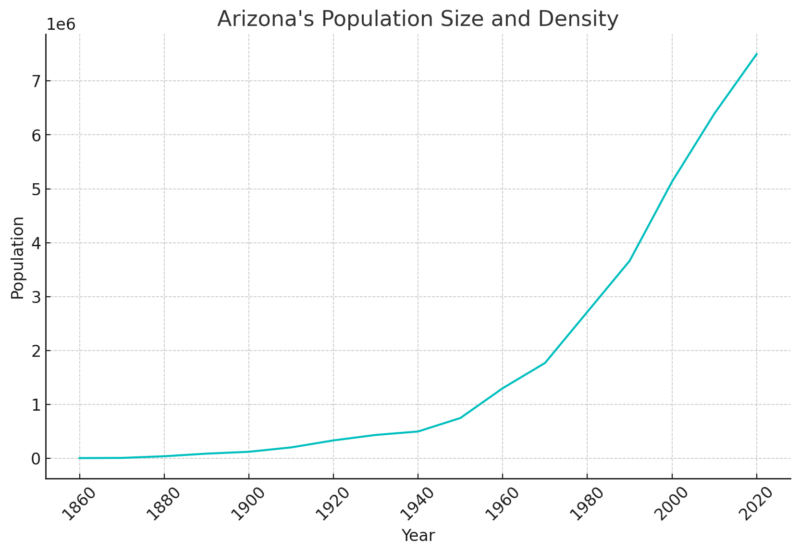
As of recent estimates (late 2023/early 2024), the population of Arizona hovers around 7.4 million residents. This figure represents significant growth over the past few decades, cementing Arizona’s status as one of the fastest-growing states in the United States. The allure of its sunny climate, relatively affordable living (compared to coastal states), and burgeoning job markets, particularly in technology and healthcare, have drawn a diverse influx of new residents.
This sustained growth isn’t just a statistical anomaly; it actively transforms the state. For visitors, this translates into evolving urban centers with new dining establishments, attractions, and cultural events. It also means that popular areas, particularly during peak travel seasons, can experience higher foot traffic and demand for accommodations and services. Understanding these trends helps travelers plan itineraries, especially concerning booking popular tours or reserving lodging in advance. The increasing diversity in the population also enriches the cultural tapestry, introducing a broader range of cuisines, festivals, and artistic expressions for visitors to explore.
Understanding Urban vs. Rural Distribution
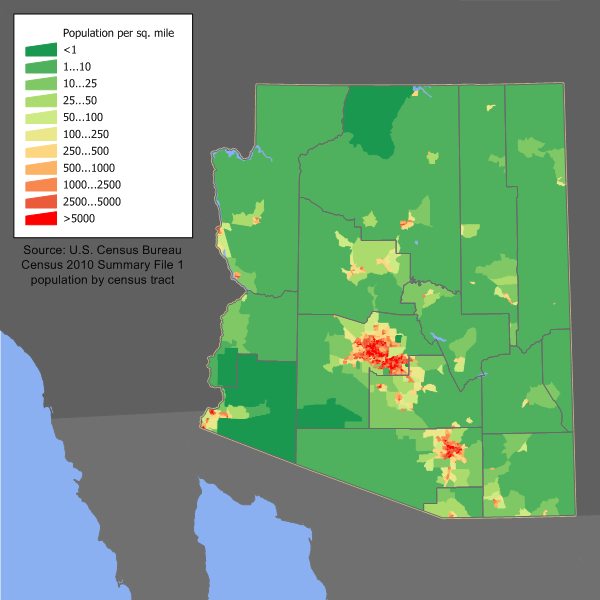
The vast majority of Arizona’s population is concentrated in its urban corridors, particularly within the central and southern portions of the state. The Phoenix metropolitan area, often referred to as the Valley of the Sun, and the Tucson metropolitan area are the primary population centers. These areas are characterized by extensive urban sprawl, comprehensive infrastructure, and a wide array of amenities catering to both residents and visitors.
Conversely, significant portions of northern and western Arizona remain sparsely populated. This geographical distribution directly impacts travel experiences. While the urban centers offer vibrant city life, museums, and diverse culinary scenes, the rural areas provide access to some of the most breathtaking natural landscapes in the world, such as the Grand Canyon, the red rock formations of Sedona, and the expansive deserts. Travelers seeking solitude and connection with nature will find it abundantly in these less populated regions, though services and amenities may be more limited. This contrast allows Arizona to offer a dual appeal: dynamic city breaks and serene wilderness adventures, often within a few hours’ drive of each other.
Population Hotbeds: Major Cities and Their Appeal
Arizona’s urban centers are the beating heart of its population, each offering a distinct flavor and a unique set of attractions for visitors. These metropolitan areas serve as gateways to various regions of the state and provide a comprehensive array of travel experiences.
Phoenix: The Dynamic Capital
As the state capital and largest city, Phoenix boasts a population of over 1.6 million residents within its city limits, making it one of the largest cities in the United States. The broader metropolitan area, encompassing surrounding cities like Mesa, Chandler, Scottsdale, and Tempe, is home to over 5 million people. This dense population fuels a thriving economy and a rich urban environment.
For travelers, Phoenix offers a sophisticated blend of desert beauty and cosmopolitan amenities. You’ll find world-class resorts, championship golf courses, high-end shopping, and an increasingly vibrant culinary scene. The city’s growth has spurred the development of numerous cultural institutions, including the Phoenix Art Museum and the Musical Instrument Museum. Its extensive network of freeways makes navigating the expansive area relatively straightforward, connecting visitors to various attractions, from hiking trails in the Sonoran Desert to nightlife districts. The sheer number of people also means a wide variety of events, festivals, and entertainment options are available year-round.
Tucson: A Blend of History and Modernity
South of Phoenix, Tucson is Arizona’s second-largest city, with a population approaching 550,000 within its municipal boundaries and over 1 million in its greater metropolitan area. Tucson offers a different vibe from its northern counterpart, distinguished by its deeper historical roots, pronounced Mexican-American cultural influence, and a more relaxed pace.
Travelers to Tucson can immerse themselves in its rich heritage, exploring historic districts like El Presidio Historic District and experiencing authentic Southwestern cuisine. The city is surrounded by several mountain ranges, providing ample opportunities for outdoor activities in the Saguaro National Park and the Santa Catalina Mountains. The population density here, while significant, feels less overwhelming than in Phoenix, allowing for a more intimate exploration of its unique character. Tucson is also a UNESCO City of Gastronomy, a testament to its vibrant and diverse food scene shaped by centuries of cultural exchange.
Other Notable Urban Centers
Beyond Phoenix and Tucson, several other cities contribute significantly to Arizona’s population and offer distinct attractions for travelers:
- Mesa: The third-largest city, with a population exceeding 520,000, Mesa is a hub for family-friendly activities, cultural sites like the Mesa Arts Center, and access to outdoor recreation along the Salt River.
- Chandler: Home to roughly 280,000 residents, Chandler is known for its high-tech industries, excellent dining options, and a charming downtown area.
- Scottsdale: With a population of over 220,000, Scottsdale is synonymous with luxury, offering upscale resorts, art galleries, fine dining, and vibrant nightlife, particularly in its Old Town district.
- Flagstaff: Situated in northern Arizona, Flagstaff has a smaller population of around 80,000 but serves as a crucial gateway to the Grand Canyon, Sedona, and the San Francisco Peaks. Its mountain town atmosphere and four distinct seasons make it a popular destination.
- Lake Havasu City: Located on the western border, with a population around 58,000, this city is famous for the relocated London Bridge and its extensive water-based recreation opportunities on Lake Havasu.
These varying population sizes and characteristics contribute to a diverse range of travel experiences across the state.
How Population Influences the Arizona Travel Experience
The demographic composition and distribution across Arizona are not merely abstract figures; they are direct determinants of a traveler’s journey, influencing everything from logistical practicalities to the cultural encounters one might have.
Infrastructure and Accessibility
Dense populations in areas like the Phoenix metropolitan area necessitate robust infrastructure, including extensive freeway systems, public transportation options (though limited compared to older major cities), and a multitude of airports. Phoenix Sky Harbor International Airport (PHX), for instance, is one of the busiest airports in the United States, facilitating easy access for millions of visitors annually. This concentration of people drives the development of diverse accommodation options, from budget-friendly motels to opulent resorts, ensuring that travelers have a wide selection to suit their preferences and budgets.
In contrast, rural areas, due to their sparse population, often have less developed infrastructure. Roads may be less extensive, public transport non-existent, and services like gas stations, restaurants, or hotels fewer and further between. Travelers venturing into these regions, such as those visiting the Monument Valley Navajo Tribal Park or the vast stretches of desert, must plan accordingly, ensuring they have adequate supplies and transportation. This duality means Arizona can cater to those who prefer urban convenience and those who seek remote adventure, provided they understand the implications of population density on local services.
Cultural Diversity and Culinary Scenes
Arizona’s growing and diverse population, shaped by influxes from various parts of the United States and international communities, has profoundly enriched its cultural and culinary scenes. In major urban centers, this diversity translates into an explosion of authentic global cuisines, from traditional Mexican and Native American fare to innovative fusion dishes, Asian, European, and African culinary traditions. Food festivals, art markets, and cultural events celebrating different heritages are common occurrences, especially in Phoenix and Tucson.
This cultural mosaic offers travelers a chance to experience a broader spectrum of traditions and tastes without leaving the state. You can find everything from sophisticated farm-to-table restaurants in Scottsdale to humble, yet delicious, street tacos in Yuma. The presence of a varied population fosters a dynamic environment where local artists, musicians, and chefs thrive, offering unique experiences that reflect the state’s evolving identity.
Impact on Natural Attractions and Outdoor Activities
The population distribution also significantly impacts how natural attractions are experienced. Iconic sites like the Grand Canyon, while remote, still see millions of visitors annually, leading to managed crowds at popular viewpoints and trailheads, especially during peak seasons. Similarly, hiking trails around Sedona or the urban preserves in Phoenix can be quite busy, particularly on weekends. The high resident population means a substantial local user base for outdoor recreation, which can sometimes lead to competition for popular spots.
However, the vast, unpopulated regions of Arizona ensure that true wilderness experiences are still readily available. Beyond the well-trodden paths, travelers can find solitude in lesser-known state parks, national forests, and wilderness areas. The low population density in these expansive natural landscapes allows for unparalleled stargazing, uninterrupted hiking, and a genuine sense of escape. This balance between popular, accessible natural wonders and vast, untouched wilderness is a direct outcome of Arizona’s unique population geography.
Future Projections and Their Implications for Visitors
Arizona’s population is projected to continue its upward trajectory, with demographers forecasting substantial growth in the coming decades. This sustained expansion will likely lead to further development of urban areas, increased infrastructure projects, and an even greater diversification of the state’s cultural fabric.
For future travelers, this means a continuously evolving destination. New hotels, resorts, and attractions will emerge to meet demand. The culinary scene will become even more sophisticated and varied. Accessibility to remote areas might improve in some cases, while popular sites may require more advanced booking or crowd management strategies. The emphasis on sustainable tourism will also likely grow as the state balances development with the preservation of its natural and cultural resources. Ultimately, Arizona’s dynamic population growth ensures that it remains a vibrant, ever-changing, and compelling destination for all who visit.
LifeOutOfTheBox is a participant in the Amazon Services LLC Associates Program, an affiliate advertising program designed to provide a means for sites to earn advertising fees by advertising and linking to Amazon.com. Amazon, the Amazon logo, AmazonSupply, and the AmazonSupply logo are trademarks of Amazon.com, Inc. or its affiliates. As an Amazon Associate we earn affiliate commissions from qualifying purchases.