
Understanding the financial landscape of a trip or relocation to California is essential for planning. While the allure of its diverse attractions, from the sun-drenched beaches of Southern California to the majestic redwood forests of the north, is undeniable, potential visitors and residents must also consider the tax implications. This guide delves into California‘s state income tax, a crucial element for anyone considering a significant stay or investment in the Golden State.
The Structure of California’s State Income Tax
California operates a progressive income tax system, meaning that the tax rate increases as income rises. This structure is designed to place a greater tax burden on higher earners. The state levies income tax on various sources, including wages, salaries, tips, commissions, business income, investment income, and other forms of earnings.
Tax Brackets and Rates
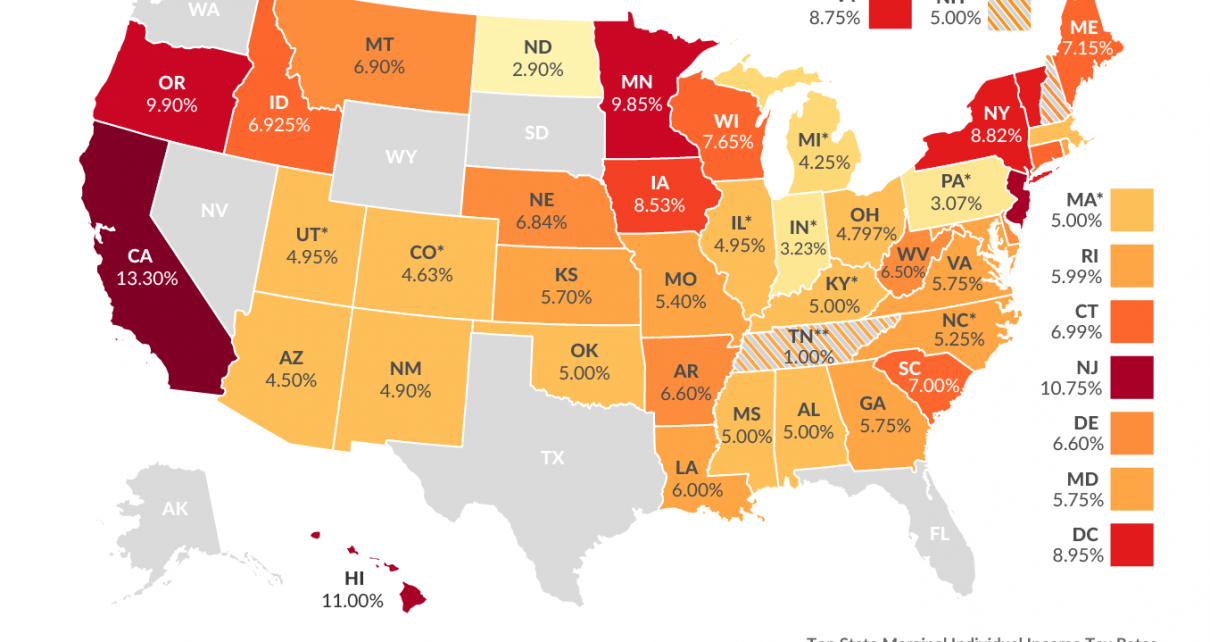
The California Franchise Tax Board (FTB) sets the annual tax brackets, which are subject to adjustments for inflation. These brackets are segmented by filing status: Single, Married/Ridden Filing Separately, Head of Household, and Married/Ridden Filing Jointly. For the most recent tax year, the rates range from 1% to 13.3%, with the highest rate applying to substantial incomes.
For example, for the 2023 tax year, single filers earning over approximately $61,000 might fall into a higher tax bracket. Married couples filing jointly would see their income taxed at higher rates at a correspondingly higher income threshold. It is vital to consult the official California FTB publications for the precise income thresholds for each bracket in the current tax year, as these figures are subject to change.
Key Considerations for Taxable Income
Beyond standard employment income, California taxes other forms of earnings that might be relevant to travelers and longer-term residents:
- Investment Income: This includes dividends, interest, and capital gains. The tax treatment of these earnings often depends on whether they are short-term or long-term capital gains, with long-term gains typically taxed at a lower rate.
- Rental Property Income: If you own property in California, whether for vacation rental or long-term leasing, the net income generated is subject to state income tax. Deductions for operating expenses, depreciation, and mortgage interest can often offset some of this liability.
- Business Income: Entrepreneurs and business owners operating in California will owe income tax on their profits. The type of business entity (sole proprietorship, partnership, LLC, corporation) will dictate how this income is reported and taxed.
- Retirement Income: California generally taxes pensions and retirement distributions, though there can be specific exemptions or deductions available for certain types of retirement income.
Impact on Tourists and Short-Term Visitors
For most tourists visiting California for a brief period, the state income tax system has minimal direct impact. If your visit is purely for leisure, encompassing attractions like Disneyland, the Golden Gate Bridge, or experiencing the natural beauty of Yosemite National Park, and you do not derive any income within the state, then California state income tax will not be a concern. Your primary financial considerations will be travel costs, accommodation, dining, and local sales taxes on purchases.
However, the situation can become more complex for individuals who engage in work-related activities while in California, even if they are not permanent residents.
Working Remotely in California
The rise of remote work has introduced new tax considerations. If you are working remotely for an employer based outside of California but spend a significant amount of time working from within the state, you may establish California as your “source state” for income tax purposes. Generally, if you are physically present in California and performing services that generate income, that income may be taxable by California. The exact threshold for establishing tax residency or nexus can be complex and often depends on the number of days spent in the state and the nature of the activities performed. It is advisable for remote workers spending extended periods in California to consult with a tax professional to understand their specific obligations.
Freelancers and Gig Economy Workers
Individuals undertaking freelance work or participating in the gig economy while in California are also subject to state income tax on the income earned within the state. This includes activities such as ride-sharing services, delivery services, or freelance consulting performed within California‘s borders.
Implications for New Residents and Long-Term Stays
For those contemplating a move to California or planning extended stays that might blur the lines between visitor and resident, understanding tax residency is paramount. California has specific criteria for determining tax residency, which, if met, subjects your worldwide income to state income tax.
Establishing Tax Residency
California defines a resident as an individual who is (1) present in California for more than two weeks (14 days) during the taxable year, for the purpose of a visit, for business, or for pleasure, and who is in California for more than 52 weeks during a period of 12 consecutive months, beginning on the first day of the taxable year; or (2) domiciled in California at any time during the taxable year.
Even if you maintain a primary residence elsewhere, spending a substantial amount of time in California, opening a bank account, obtaining a California driver’s license, registering to vote, or having children attend California schools can all be factors that contribute to establishing tax residency. Once deemed a resident, your income from all sources, whether earned within or outside of California, is generally taxable by the state.
The Tax Burden for High Earners
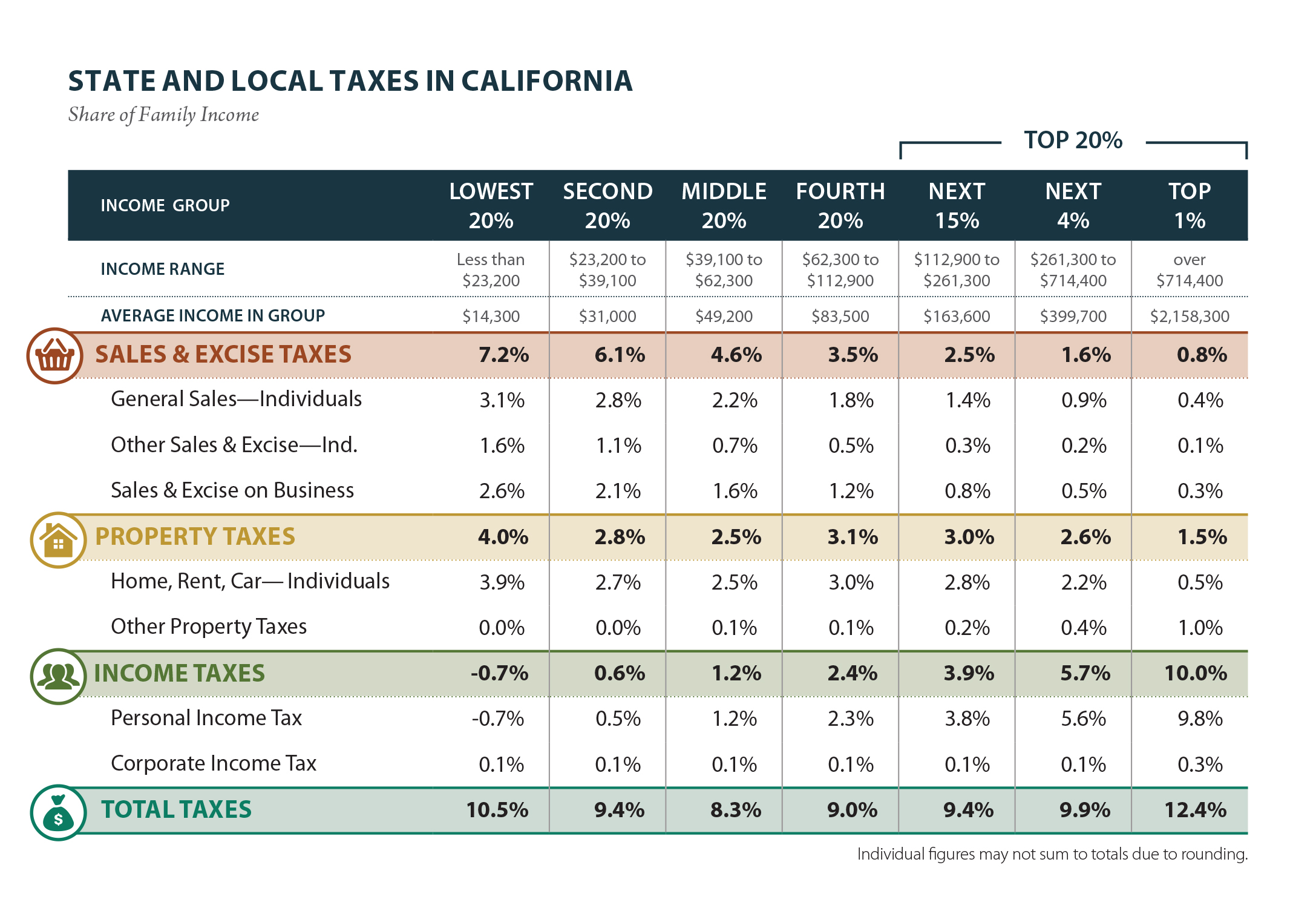
California‘s progressive tax system, coupled with its relatively high top marginal tax rate, means that high-income earners can face a significant tax burden. This is a crucial factor for individuals considering relocating their businesses or personal finances to California. For example, someone earning several hundred thousand dollars annually will see a considerably larger portion of their income taxed at the state level compared to someone earning a more modest income. This has led to discussions about the state’s tax policies and their impact on economic competitiveness and individual financial planning.
State vs. Local Taxes
It’s important to distinguish California state income tax from other taxes that individuals may encounter.
Sales Tax
When you purchase goods and services in California, you will also be subject to state and local sales taxes. These rates vary by county and city, with the statewide base rate often supplemented by local district taxes. This is a consumption tax, levied at the point of sale, and is separate from income tax. For example, a souvenir purchased in San Francisco will include sales tax, distinct from any income tax obligations you might have.
Property Tax
Homeowners in California are subject to property taxes, primarily governed by Proposition 13. This established a base tax rate of 1% of a property’s assessed value at the time of purchase, with subsequent increases limited to 2% annually. However, certain local assessments or bonds can add to this base rate. Property taxes are a significant annual expense for homeowners in cities like Los Angeles or San Diego, but they are not directly tied to your annual income in the same way state income tax is.
Planning Your Finances in California
Navigating California‘s tax landscape requires careful consideration, whether you are planning a short visit or considering a long-term relocation.
Seeking Professional Advice
Given the complexities of California‘s tax laws, particularly concerning residency and the taxation of various income types, consulting with a qualified tax professional is highly recommended. A tax advisor can help you understand your specific tax obligations, identify potential deductions or credits, and ensure compliance with California‘s tax regulations. This is especially true for individuals who may be considered “snowbirds,” splitting their time between California and another state, or for those involved in international business.
Understanding Tax Credits and Deductions
California offers various tax credits and deductions that can help reduce your overall tax liability. These can include credits for low-income individuals, dependents, or specific business activities. Understanding which credits and deductions you may be eligible for is a key component of effective tax planning in California. For instance, if you are a small business owner in a tech hub like Silicon Valley, there might be specific tax incentives available.
Budgeting for Taxes
For any significant engagement with California, whether it’s a prolonged vacation, a sabbatical, or a permanent move, factoring in state income tax into your financial planning is crucial. The progressive nature of the tax system means that higher earnings will translate to a proportionally higher tax bill. By understanding the tax brackets and your potential income sources within California, you can create a more accurate financial forecast and avoid unexpected tax burdens. This proactive approach allows you to fully enjoy the unique lifestyle and opportunities that California offers, from its vibrant cities like Sacramento to its renowned wine regions.
LifeOutOfTheBox is a participant in the Amazon Services LLC Associates Program, an affiliate advertising program designed to provide a means for sites to earn advertising fees by advertising and linking to Amazon.com. Amazon, the Amazon logo, AmazonSupply, and the AmazonSupply logo are trademarks of Amazon.com, Inc. or its affiliates. As an Amazon Associate we earn affiliate commissions from qualifying purchases.