
The vast and diverse landscape of Arizona, often celebrated for its majestic deserts, towering saguaros, and iconic natural wonders, is also home to a dynamic and rapidly growing population. Understanding the demographic makeup of the Grand Canyon State is crucial for any traveler seeking to truly experience its multifaceted character, as population density, distribution, and diversity profoundly influence everything from urban vibrancy to the tranquility of wilderness retreats. As of recent estimates, the population of Arizona hovers around 7.4 million residents, making it the 14th most populous state in the United States. This significant number is not static; Arizona has been one of the fastest-growing states for decades, drawing new residents with its warm climate, economic opportunities, and attractive lifestyle. For travelers, this means encountering a vibrant blend of established communities, burgeoning metropolitan areas, and vast stretches of untouched wilderness, each offering a distinct set of experiences shaped by human presence, or the lack thereof.

Arizona’s Demographic Tapestry: A Traveler’s Overview
Arizona’s population is not evenly distributed across its expansive 113,998 square miles. The vast majority of residents are concentrated within two major metropolitan areas: Phoenix and Tucson. The Phoenix metropolitan area, often referred to as the Valley of the Sun, accounts for over two-thirds of the state’s total population, making it the 10th largest metropolitan area in the United States. This demographic concentration dictates the rhythm and offerings of various travel destinations. Travelers seeking bustling city life, world-class dining, extensive shopping, and a wide array of cultural attractions will find their niche within this urban core. Here, cities like Scottsdale, Tempe, Mesa, Chandler, and Glendale blend into a sprawling metropolis, each contributing unique flavors to the overall travel experience.
Beyond these bustling centers, the population gradually thins, giving way to smaller cities, rural towns, and expansive natural landscapes. Tucson, Arizona’s second-largest city, offers a distinct cultural experience, heavily influenced by its Sonoran Desert environment and rich Mexican heritage. Further afield, cities like Flagstaff in the cooler, pine-forested north, or Yuma in the desert southwest, serve as regional hubs, each with populations in the tens or low hundreds of thousands. These population centers act as gateways to outdoor adventures, historical sites, and unique local cultures. The state’s demographic tapestry is further enriched by its significant Native American population, with numerous sovereign tribal nations maintaining distinct cultural identities and often offering unique travel experiences, such as visits to tribal lands, cultural centers, and artisan markets, which are integral to the Arizona narrative.
Urban Vibrancy vs. Desert Solitude: Population and Destination Character
The stark contrast between Arizona’s densely populated urban centers and its vast, sparsely inhabited regions fundamentally shapes its character as a travel destination. In the metropolitan areas, especially around Phoenix, travelers can immerse themselves in a vibrant, modern cityscape. This is where you’ll find luxury resorts like the Arizona Biltmore or the Fairmont Scottsdale Princess, upscale dining districts, sophisticated arts and culture venues, and a bustling nightlife. The high population density supports a diverse range of entertainment options, from professional sports teams like the Arizona Cardinals and the Phoenix Suns to numerous music festivals and culinary events throughout the year. For those seeking an active urban vacation, the availability of comprehensive infrastructure, including a robust public transportation network and abundant accommodation choices, is a direct result of this concentrated populace.
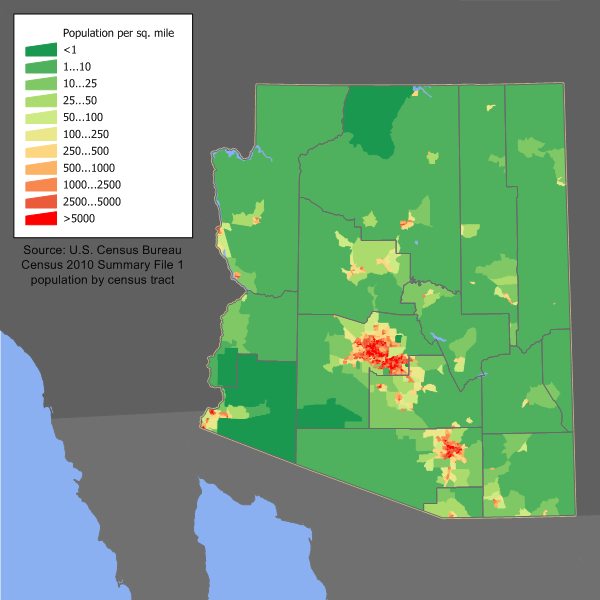
Conversely, the expansive, low-population areas of Arizona offer a completely different experience: one of solitude, rugged natural beauty, and unparalleled outdoor adventure. Think of the serene beauty of the Grand Canyon National Park, the otherworldly landscapes of Saguaro National Park outside Tucson, or the red rock formations around Sedona. These areas, while drawing millions of visitors annually, maintain their wild character due to minimal residential development. The low population density here means fewer amenities, greater distances between services, and a deeper immersion into nature. Travelers to these regions often prioritize hiking, stargazing, river rafting on the Colorado River, or exploring ancient cliff dwellings. The sparse population ensures that the natural environment remains largely pristine, providing a powerful contrast to the urban sprawl and catering to travelers seeking tranquility and a profound connection with the wild Southwest.
The Diverse Faces of Arizona Travel: From Cultural Hotspots to Adventure Hubs
Arizona’s population diversity, fueled by internal migration and immigration, creates a rich tapestry of cultural experiences for travelers. The significant Hispanic population, particularly prominent in Southern Arizona, imbues cities like Tucson with vibrant Mexican-influenced cuisine, art, and traditions, exemplified by the historic Barrio Viejo and annual celebrations like the Tucson Meet Yourself festival. Meanwhile, the presence of various Native American tribes, including the Navajo Nation, Hopi Tribe, and Gila River Indian Community, provides unique opportunities for cultural immersion through reservation tours, artisan markets, and museums dedicated to indigenous history and art. These cultural hotspots are often located in less densely populated areas, requiring travelers to venture beyond the major cities, yet they offer some of the most profound and authentic Arizona experiences.
Beyond cultural offerings, population distribution directly influences the type and accessibility of adventure tourism. The burgeoning populations in the Phoenix and Tucson areas have fostered an industry around desert activities that are easily accessible from urban centers. Travelers can enjoy world-class golf courses, explore urban hiking trails in mountain preserves like Camelback Mountain, or partake in hot air balloon rides over the desert, often just minutes from their hotels. The demand generated by a large local population, combined with tourism, supports a wide range of outfitters and guided tours. Conversely, in the more remote, low-population regions of Northern Arizona or the White Mountains, the focus shifts to activities that thrive in undisturbed natural environments: extensive backpacking expeditions, fly-fishing in pristine streams, skiing at Arizona Snowbowl near Flagstaff, or exploring vast national forests and wilderness areas. These distinctions ensure that Arizona caters to an incredibly broad spectrum of traveler preferences, from those seeking curated urban luxury to intrepid adventurers craving solitude.

Planning Your Arizona Journey: Navigating Population Dynamics
For the discerning traveler, understanding Arizona’s population dynamics is an invaluable tool for crafting an optimal itinerary. If your travel goals lean towards vibrant city experiences, comprehensive amenities, and a wide selection of dining and entertainment, focusing your time in the Phoenix metropolitan area is advisable. Be prepared for urban traffic, especially during peak hours, and consider booking accommodations and popular restaurant reservations well in advance, particularly during the winter high season when “snowbirds” (seasonal residents) swell the population. Utilizing ride-sharing services or the Valley Metro Rail in Phoenix can alleviate transportation stress in these dense areas.
Conversely, if your ideal Arizona trip involves escaping the crowds, seeking dramatic natural landscapes, and embracing tranquility, direct your journey toward the less populated regions. Destinations like the Grand Canyon, Monument Valley, or the state’s numerous national forests offer unparalleled natural beauty. However, be mindful that services like gas stations, grocery stores, and diverse dining options become significantly scarcer outside of the main corridors and smaller towns. Planning ahead by packing essentials, checking vehicle fuel levels, and making accommodation reservations in advance (especially for popular national park lodges) is paramount. Understanding that the low population in these areas contributes to their wild charm means embracing self-sufficiency and respecting the fragile ecosystems. Ultimately, whether you seek the bustling energy of a rapidly growing metropolis or the profound quietude of the desert, Arizona’s diverse population distribution guarantees a unique and memorable travel experience tailored to your preference.
LifeOutOfTheBox is a participant in the Amazon Services LLC Associates Program, an affiliate advertising program designed to provide a means for sites to earn advertising fees by advertising and linking to Amazon.com. Amazon, the Amazon logo, AmazonSupply, and the AmazonSupply logo are trademarks of Amazon.com, Inc. or its affiliates. As an Amazon Associate we earn affiliate commissions from qualifying purchases.