
Understanding the property tax landscape in Arizona is a fundamental consideration for anyone contemplating a long-term stay, purchasing accommodation, or investing in residential properties within the state. Unlike many states that rely heavily on property taxes for state revenue, Arizona’s system is distinctive, with local jurisdictions carrying the primary burden and benefit. This makes property taxes a significant factor in the overall cost of owning or renting long-term accommodation, influencing decisions from where to settle to investment viability. Delving into the nuances of Arizona’s property tax system reveals a multi-layered structure that directly impacts the financial planning for any prospective long-term resident or accommodation investor.
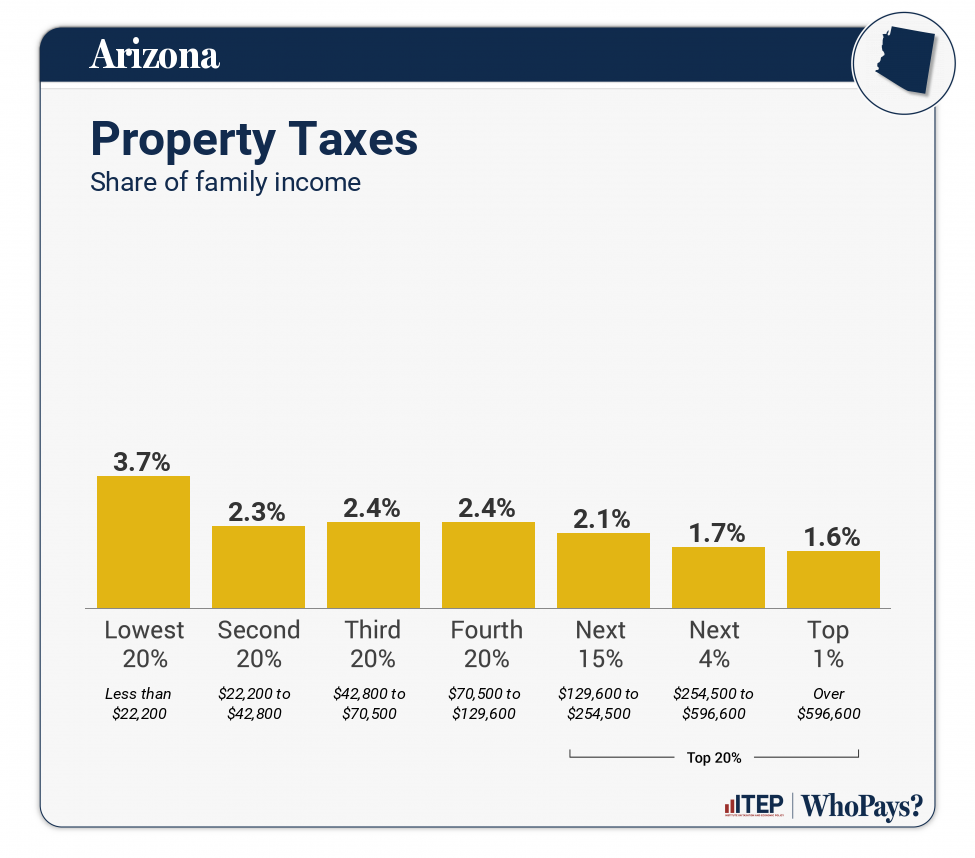
Understanding Arizona Property Tax Fundamentals
The property tax system in Arizona is unique, relying on a combination of assessed values and specific tax rates set by various taxing authorities. For those considering long-term accommodation, whether as a primary residence or an investment, grasping these fundamentals is critical for budgeting and financial forecasting. The state’s approach ensures that local services, from schools to municipal infrastructure, are funded through these levies, making them an unavoidable cost of property ownership.
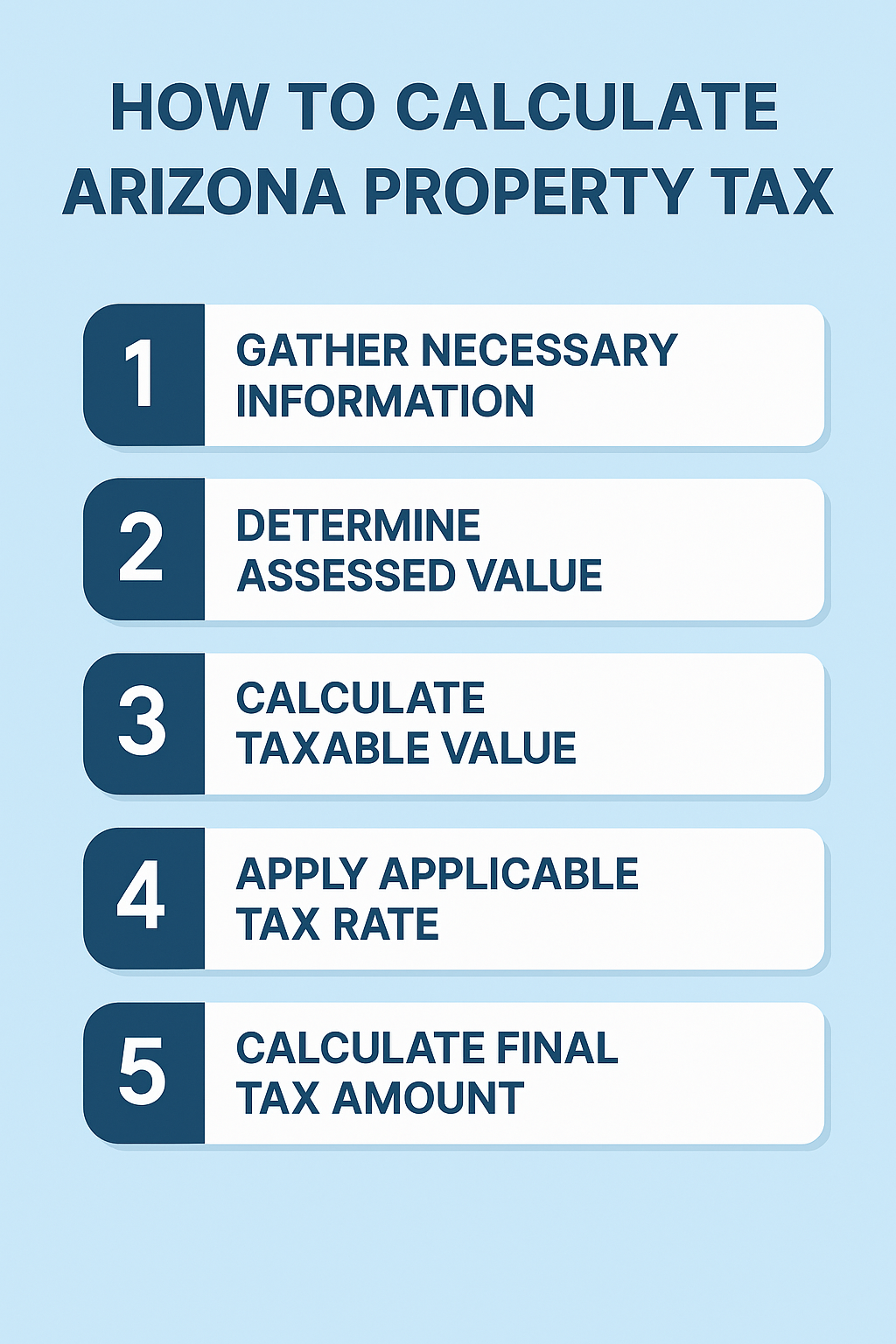
How Property Taxes Are Calculated
Arizona property taxes are calculated based on two distinct values: the Full Cash Value (FCV) and the Limited Property Value (LPV). The county assessor determines these values annually. The FCV is essentially the market value of the property, representing what a willing buyer would pay a willing seller. However, property taxes are not directly levied on the FCV. Instead, they are primarily based on the LPV, which is a state-mandated value designed to limit annual increases in taxable property value, providing a degree of stability for homeowners.
Once the LPV is established, an assessment ratio is applied to it, converting it into the Assessed Value. This Assessed Value is then multiplied by the combined tax rates of all applicable taxing jurisdictions (e.g., county, city, school district, special districts) to determine the final property tax bill. For residential properties (Class 3), the assessment ratio is 10%. This means that only 10% of the LPV is subject to taxation, significantly impacting the actual amount property owners pay for their accommodation.
Key Terminology: Full Cash Value, Limited Property Value, and Assessment Ratio
- Full Cash Value (FCV): This is the assessor’s estimate of a property’s market value as of January 1st each year. It reflects what the property would sell for under normal market conditions. While the FCV isn’t directly taxed, it serves as the upper limit for the LPV. Significant changes in the FCV can eventually influence the LPV.
- Limited Property Value (LPV): The LPV is the value used to calculate property taxes for most homeowners. It is designed to grow by no more than 5% annually, regardless of how much the FCV increases. This mechanism offers protection against rapid spikes in property tax liabilities, making long-term accommodation costs more predictable. New construction or improvements can cause the LPV to increase beyond the 5% cap, as these additions were not previously valued.
- Assessment Ratio: This is a percentage applied to the LPV to determine the Assessed Value, which is the figure that local tax rates are applied to. For owner-occupied residential properties (Class 3), the ratio is 10%. Other property types, such as commercial or rental properties, have different assessment ratios, which directly influences their tax burden and, consequently, the viability of certain long-term accommodation investments. Understanding this distinction is crucial for those considering purchasing rental units or other investment properties.
Components of Your Arizona Property Tax Bill
When you receive your annual property tax bill in Arizona, it’s not a single lump sum allocated to one entity. Instead, it’s a composite of various levies from different governmental and quasi-governmental bodies. For those settling into long-term accommodation, understanding these components helps clarify where their money is going and the services it supports.
State and Local Levies
The majority of property tax revenue in Arizona remains at the local level. Unlike many states, Arizona does not impose a state property tax for general fund purposes. However, a small portion of the property tax does contribute to specific state-mandated programs, primarily related to education. These state-equalization taxes ensure a baseline funding for schools across different districts, impacting families choosing long-term accommodation based on school quality.
The bulk of the property tax bill is comprised of local levies. These include:
- County Taxes: These fund essential county services such as law enforcement, courts, public health, road maintenance, and general administration. Counties like Maricopa County, Pima County, and Coconino County each have their own specific rates based on their budgetary needs.
- City/Town Taxes: If your long-term accommodation is within an incorporated city or town, you’ll pay municipal taxes that support local police and fire departments, parks and recreation, libraries, and local infrastructure projects. Cities such as Phoenix, Tucson, and Scottsdale set their own rates.
- School District Taxes: These are typically the largest portion of an Arizona property tax bill. They fund local public education, including operational costs, maintenance, and bond issues for new school construction. The specific school district your long-term accommodation falls within will significantly influence this component.
- Special Districts: These can include a variety of entities such as fire districts, library districts, community college districts, or improvement districts formed for specific purposes like water, sewer, or street lighting. These districts often serve particular geographic areas, so the exact special district taxes on your long-term accommodation will depend on its precise location.
Special Assessment Districts
Beyond the regular annual property taxes, some properties in Arizona may be subject to special assessments. These are additional charges levied against properties that directly benefit from a specific public improvement, such as new sidewalks, sewer lines, or street paving in a particular neighborhood. While not technically “property tax” in the traditional sense, they appear on the tax bill and represent a mandatory cost for affected property owners.
For individuals seeking long-term accommodation, especially in newer developments or areas undergoing revitalization, it’s essential to inquire about the presence of any special assessment districts. These assessments can add a considerable sum to annual property costs, impacting the overall affordability and financial planning for a long-term stay. They are typically paid over several years, often with interest, until the cost of the improvement is fully recouped.
Property Tax Rates Across Arizona Counties and Cities
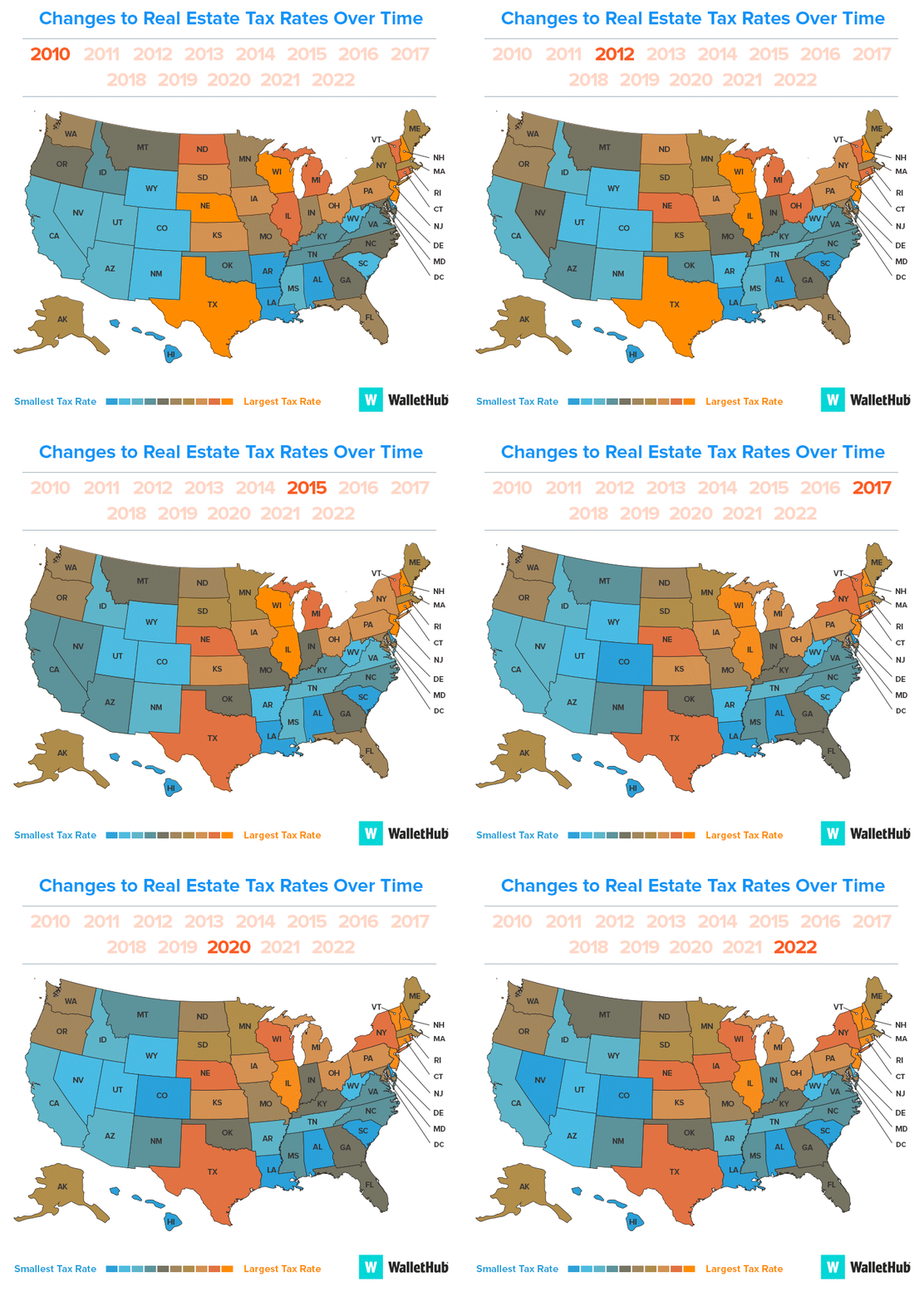
The total property tax rate in Arizona is a cumulative figure, resulting from the combination of state, county, municipal, school district, and special district levies. This means that even within the same county, properties in different cities or school districts will have distinct tax rates. For anyone considering long-term accommodation in Arizona, understanding this variability is paramount to making an informed decision about where to reside or invest.
Variability by Location
Property tax rates can vary significantly across Arizona’s 15 counties. For example, Maricopa County, home to Phoenix, generally has a different baseline tax structure compared to Pima County (which includes Tucson) or Coconino County (where Flagstaff is located).
Within each county, further variations exist. A property in Scottsdale (Maricopa County) will have a different overall tax rate than a similar property in Mesa or Glendale, even though all are in the same county. These differences stem from varying municipal budgets, distinct school district funding needs, and the presence or absence of specific special assessment districts.
Factors influencing these localized rates include:
- Public Services: Cities and counties with higher service levels (e.g., more police officers, extensive park systems, comprehensive public transportation) typically require higher tax levies.
- School District Funding: Districts with newer facilities, higher teacher salaries, or smaller student-to-teacher ratios may have higher tax rates to support these endeavors.
- Community Development: Areas undergoing significant growth or revitalization might incur special district assessments or higher general taxes to fund infrastructure improvements.
- Commercial vs. Residential Mix: Communities with a strong commercial tax base might be able to levy lower residential property taxes because businesses contribute significantly to the tax rolls.
Impact on Long-Term Accommodation Decisions
The variability in property tax rates has a direct and substantial impact on the cost of long-term accommodation in Arizona. A seemingly small difference in tax rate can translate into hundreds or even thousands of dollars annually on a property tax bill.
- Budgeting for Residency: When considering purchasing a home for a long-term stay, prospective residents must factor property taxes into their monthly or annual budget. A lower property tax rate in one town versus another might make a significant difference in overall affordability, even if the home prices are similar. For instance, choosing accommodation in Gilbert versus Paradise Valley within Maricopa County will present vastly different property tax scenarios, directly impacting the long-term financial burden of homeownership.
- Investment Property Viability: For those looking to invest in rental accommodation for long-term tenants, property taxes are a critical operating expense. Higher taxes diminish net rental income and can affect cap rates and return on investment. Therefore, careful research into local tax rates is essential when evaluating potential investment properties in different Arizona locales. For example, a property in Peoria might offer a different tax advantage compared to one in Chandler.
Exemptions, Reductions, and Appeals
While property taxes are an inevitable part of owning long-term accommodation in Arizona, there are provisions in place that can help reduce the financial burden for eligible homeowners. Understanding these opportunities for exemptions, reductions, and the process for appealing assessments is crucial for managing the ongoing costs of your residential property.
Common Exemptions for Homeowners
Arizona offers several exemptions and relief programs designed to assist specific groups of property owners. These can significantly lower the taxable value of one’s primary residence.
- Homestead Exemption: While Arizona does not have a traditional homestead exemption that reduces property tax liability based on the value of the home, it does have a homestead protection that safeguards a portion of a primary residence’s equity from creditors. However, the state offers other property tax exemptions that function similarly to reduce the tax burden for qualifying residents.
- Senior Valuation Freeze: For homeowners aged 65 or older who meet specific income requirements, Arizona offers a program that can freeze the Limited Property Value (LPV) of their primary residence. This prevents the LPV from increasing, offering significant stability and potential savings on property taxes for long-term senior residents.
- Low-Income Senior/Disabled Persons Exemption: This program provides a reduction in the assessed value for qualifying low-income seniors and individuals with disabilities who own and reside in their home. The specific reduction amount depends on income level and the property’s value, offering crucial support for vulnerable populations maintaining their long-term accommodation.
- Widow/Widower Exemption: Surviving spouses may be eligible for an exemption that reduces the assessed value of their primary residence, provided they meet certain income and property value thresholds.
- Disabled Veteran Exemption: Veterans with a service-connected disability, or their surviving spouses, may qualify for an exemption that reduces the assessed value of their primary residence, based on their disability rating and income.
It is imperative for eligible homeowners to proactively apply for these exemptions through their county assessor’s office, as they are not automatically applied. Each program has specific criteria, deadlines, and documentation requirements that must be met to receive the benefit, directly impacting the affordability of long-term accommodation.
The Appeals Process
Despite the best efforts of county assessors, errors in property valuation can occur. Property owners in Arizona have the right to appeal their property’s Full Cash Value (FCV) and Limited Property Value (LPV) if they believe the assessment is incorrect. This process is vital for ensuring fairness in taxation and managing the costs of long-term accommodation.
The general appeals process typically involves several stages:
- Review the Valuation Notice: Upon receiving the annual Notice of Value from the county assessor, property owners should carefully review the FCV and LPV. This notice is usually sent in February.
- Contact the County Assessor: The first step in an appeal is often an informal review with the county assessor’s office. This can sometimes resolve simple errors or misunderstandings without needing a formal appeal.
- Petition to the County Assessor: If an informal review doesn’t resolve the issue, property owners can file a formal petition of appeal with the county assessor within a specific timeframe (typically 60 days from the mailing date of the Notice of Value). This petition should include evidence supporting the claim of an incorrect valuation, such as comparable sales data, appraisal reports, or details of property defects.
- Appeal to the County Board of Equalization (CBOE): If the assessor’s office denies the petition or the property owner is not satisfied with the outcome, the next step is to appeal to the CBOE. The CBOE is an independent body that reviews valuation appeals.
- Appeal to the State Board of Equalization (SBOE): If still unsatisfied with the CBOE’s decision, an appeal can be made to the SBOE, which handles appeals at a statewide level.
- Tax Court Appeal: The final level of appeal is to the Arizona Tax Court. This step typically involves legal representation and significant costs, usually pursued only after exhausting all other administrative remedies.
Successfully appealing an overvaluation can lead to a reduction in the Assessed Value, directly lowering the property tax bill. For those committed to long-term accommodation, understanding and utilizing this process can be an important strategy for managing ongoing housing expenses.
Navigating Property Taxes for Long-Term Accommodation
For individuals and families considering a permanent move to Arizona or investing in residential properties, understanding and planning for property taxes is a cornerstone of responsible financial management. The unique structure of Arizona’s property tax system, coupled with its regional variations, demands careful consideration to ensure the chosen long-term accommodation remains financially sustainable.
Budgeting for Residency
When making Arizona your long-term home, property taxes are an ongoing cost that must be integrated into your annual household budget. Beyond the mortgage principal and interest, homeowners insurance, and utility costs, property taxes represent a significant fixed expense.
- Research Specific Locations: Before committing to a particular city or county for long-term accommodation, thoroughly research the local property tax rates. Tools provided by county assessor offices or real estate platforms often allow you to estimate taxes for specific addresses or compare rates across different jurisdictions. For instance, the property tax burden in Tucson (Pima County) might be different from Prescott (Yavapai County), affecting your overall cost of living.
- Factor in Potential Increases: While the Limited Property Value (LPV) offers some protection with its 5% annual cap, property values and tax rates can still increase over time. Budgeting with a slight buffer for potential increases can prevent financial strain down the line. New bond measures for schools or infrastructure can also incrementally raise tax rates.
- Utilize Exemptions: If eligible, apply for any available property tax exemptions (e.g., senior freeze, disabled veteran exemption) as soon as possible. These can substantially reduce your annual tax liability, making long-term accommodation more affordable.
- Escrow Accounts: Most mortgage lenders require property taxes to be paid into an escrow account alongside your monthly mortgage payment. This ensures that funds are collected throughout the year to pay the annual tax bill when it comes due, helping to avoid a large, unexpected lump sum payment.
Investment Property Considerations
For those looking to acquire accommodation properties for long-term rental income, property taxes are a critical operating expense that directly impacts profitability and cash flow.
- Higher Assessment Ratios: Remember that non-owner-occupied residential properties (Class 4 for rental properties) have a higher assessment ratio (typically 15% as opposed to 10% for owner-occupied homes). This means that for the same LPV, an investment property will incur a higher tax bill than a primary residence, significantly influencing the financial model for a long-term rental business.
- Due Diligence on Tax History: Before purchasing an investment property, review its recent tax history. Understand not only the current tax bill but also how the FCV and LPV have trended. Investigate any special assessment districts that may apply, as these ongoing costs will eat into potential rental profits.
- Tenant Pass-Through: While property taxes are an owner’s responsibility, they are indirectly factored into rental rates. Savvy investors consider the property tax burden when setting competitive rent for long-term tenants, ensuring the investment remains profitable after all expenses.
- Location, Location, Location: The variability of property tax rates across different Arizona municipalities and school districts becomes even more critical for investors. A property with a slightly lower purchase price in one area might have significantly higher ongoing property taxes, eroding potential returns. Conversely, a property in a desirable area like Sedona or Gilbert might command higher rents to offset higher taxes.
- Future Market Value vs. LPV Growth: Investors should consider how the LPV’s capped growth interacts with expected market value appreciation. While the LPV limits tax increases, rapid market value appreciation (FCV) could eventually lead to higher LPV growth and thus higher taxes once the LPV “catches up” or if significant improvements are made.
Navigating property taxes in Arizona requires a blend of detailed research, proactive planning, and an understanding of local regulations. For anyone considering long-term accommodation in the Grand Canyon State, this due diligence is essential for a stable and predictable financial future.
LifeOutOfTheBox is a participant in the Amazon Services LLC Associates Program, an affiliate advertising program designed to provide a means for sites to earn advertising fees by advertising and linking to Amazon.com. Amazon, the Amazon logo, AmazonSupply, and the AmazonSupply logo are trademarks of Amazon.com, Inc. or its affiliates. As an Amazon Associate we earn affiliate commissions from qualifying purchases.