
The question “What is the zip code for Arizona Phoenix?” seems straightforward, yet it opens the door to understanding one of America’s largest and most dynamic cities from a traveler’s perspective. Phoenix, as the capital and most populous city in Arizona, isn’t defined by a single zip code but rather a comprehensive system that delineates its vast and diverse geographic areas. For travelers, understanding these geographic divisions, often reflected in zip codes, is crucial for planning an effective and enjoyable trip to the Valley of the Sun. From bustling downtown districts to serene desert landscapes and vibrant suburban communities, each area offers a unique flavor and experience.

Understanding Phoenix’s Geographic Tapestry for Travelers
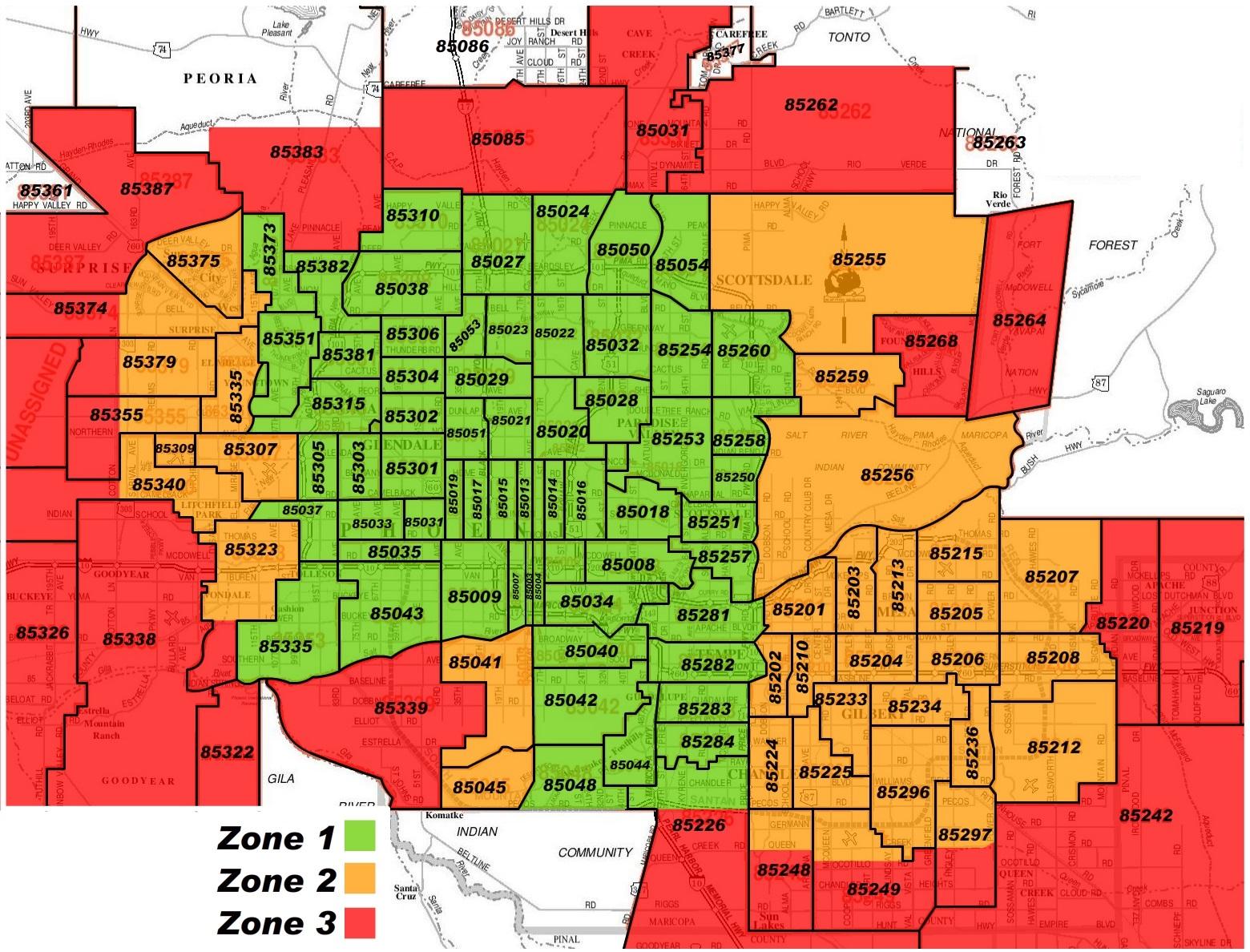
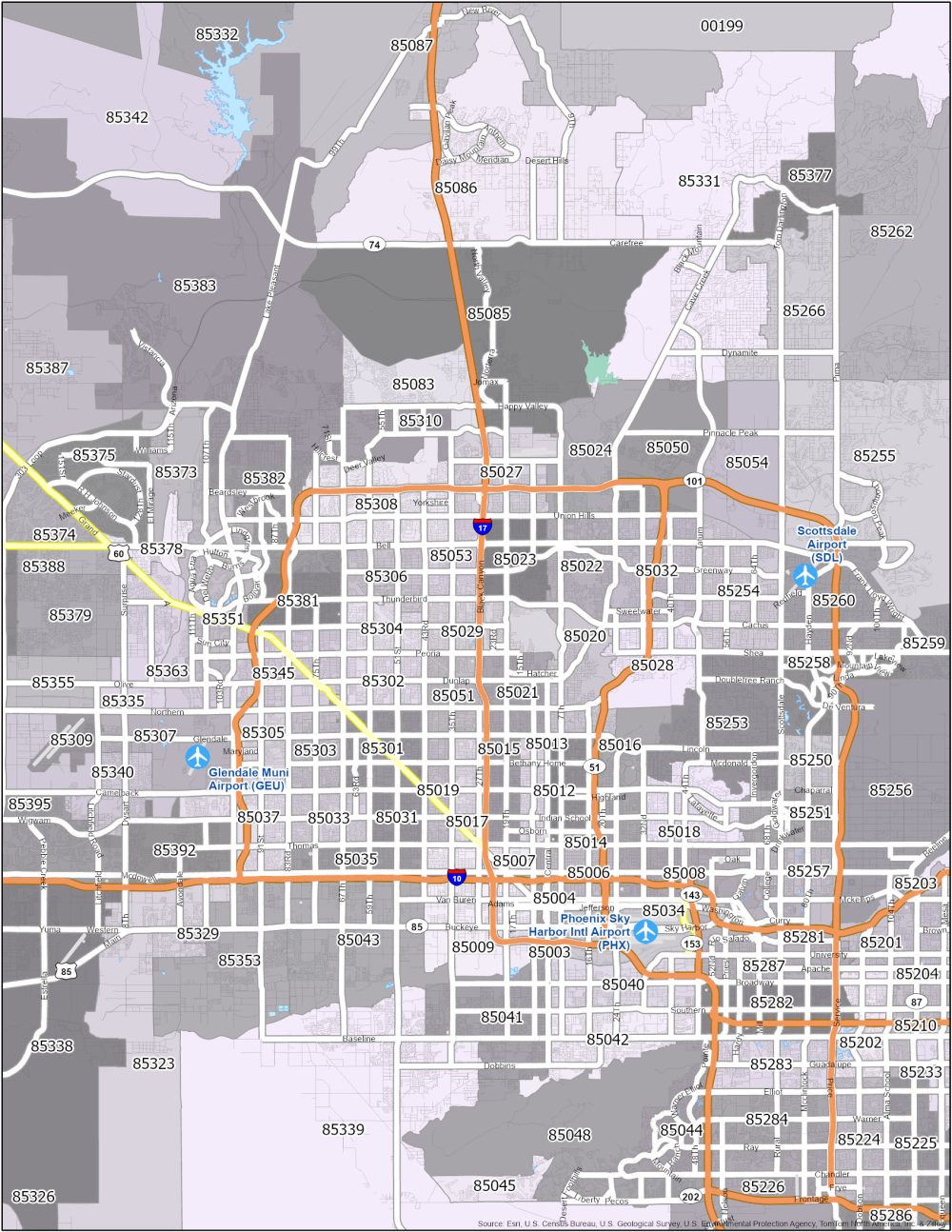
Phoenix is a sprawling metropolis, and its zip codes act as a granular map for navigating its varied offerings. Instead of one singular zip code, the city encompasses a range, typically starting from 85001 and extending through various sequences in the 85000s, often reaching into the 85300s and even 85500s for the broader metropolitan area. Each specific zip code zone correlates to distinct neighborhoods and communities, each with its own character, attractions, and amenities, making it vital for travelers to grasp this geographical diversity.
The Core Phoenix Zip Codes: Navigating Downtown and Midtown
The heart of Phoenix generally falls within zip codes such as 85003, 85004, and 85007, encompassing the downtown and midtown areas. These zones are the pulse of urban Phoenix, offering a concentration of cultural institutions, entertainment venues, and business districts. For travelers seeking an urban adventure, staying within or frequently visiting these zip code areas means immediate access to attractions like the Phoenix Art Museum, the Heard Museum, and the historic Orpheum Theatre. Sports enthusiasts will find themselves close to Chase Field (home of the Arizona Diamondbacks) and the Footprint Center (home of the Phoenix Suns). The vibrancy of the Roosevelt Row Arts District, with its galleries, murals, and independent eateries, also thrives in these central zip codes. Midtown, slightly north of downtown, offers a more refined experience with upscale dining and luxury accommodations, often within walking distance of the light rail, providing excellent connectivity.
Exploring Beyond the Urban Core: North Phoenix and the Desert Foothills
Venturing further north, zip codes like 85024, 85032, and 85086 reveal a different facet of Phoenix—one deeply connected to the Sonoran Desert landscape. This region caters to travelers looking for outdoor recreation, scenic beauty, and a quieter, more residential ambiance, often with spacious resorts integrated into the desert environment. The McDowell Sonoran Preserve, a vast urban preserve, offers hundreds of miles of trails for hiking and mountain biking, providing stunning views of the city and surrounding mountains. Golf resorts are plentiful here, taking advantage of the natural topography. Communities like Cave Creek and Carefree, technically outside the immediate Phoenix city limits but still part of the greater metropolitan area, offer a charming, Old West-meets-boutique-town experience, with unique shops, art galleries, and equestrian activities. This area is perfect for those who prioritize nature, tranquility, and a luxurious escape while remaining within a reasonable drive of downtown attractions.
The East Valley: Scottsdale, Tempe, and Mesa as Distinct Destinations
The East Valley, encompassing major cities like Scottsdale, Tempe, and Mesa, represents another crucial aspect of the Phoenix metropolitan area, each with its own set of zip codes and unique appeal. Scottsdale, with zip codes such as 85251 and 85257 for its central areas, is renowned for its upscale resorts, vibrant nightlife, high-end shopping, and art scene. Old Town Scottsdale is a must-visit for its Western charm, boutique shops, and abundant restaurants and bars. It’s a prime destination for luxury travelers and those seeking a lively social scene.
Tempe, identifiable by zip codes like 85281 and 85283, is a youthful and energetic city, largely due to the presence of Arizona State University. Travelers here can enjoy the scenic Tempe Town Lake, which offers kayaking, paddleboarding, and a picturesque setting for walks. Mill Avenue is the bustling core, filled with casual dining, bars, and live music venues. It’s an excellent choice for budget-conscious travelers, students, or anyone looking for a relaxed, active atmosphere.
Mesa, with zip codes such as 85201 and 85204, is Arizona’s third-largest city and offers a diverse range of attractions, often appealing to families and those interested in cultural and outdoor pursuits. It boasts a thriving arts community, numerous golf courses, and easy access to the Superstition Mountains for hiking and exploring. The Mesa Arts Center is a hub for performing arts and visual arts, while the nearby Usery Mountain Regional Park provides excellent camping and hiking opportunities. Each of these East Valley cities, though distinct, is seamlessly connected to Phoenix by freeways, making exploration of the entire region convenient.
Why Zip Codes Matter for Your Phoenix Travel Planning
While you won’t typically need to memorize every zip code, understanding their significance can greatly enhance your travel planning for Phoenix. They serve as geographical markers that influence everything from accommodation choices to transportation logistics and the type of experiences available.
Accommodation and Pricing Variances
The zip code of a hotel or resort often directly correlates with its price point and the type of experience it offers. Luxury resorts are frequently found in Scottsdale (e.g., 85258, 85255) or parts of North Phoenix (e.g., 85086), commanding higher prices for their amenities and scenic locations. Downtown Phoenix (e.g., 85004) offers business-class hotels and boutique options. More budget-friendly accommodations or extended-stay options might be prevalent in areas further from the prime tourist hubs, often in zip codes along major arterial roads in cities like Mesa or suburban Phoenix. Knowing the general zip code of your desired area helps in narrowing down hotel searches and setting realistic budget expectations.
Locating Attractions and Services
Many online maps, ride-sharing apps, and delivery services rely on zip codes for accurate location identification. If you’re planning to visit specific attractions like the Desert Botanical Garden (85008) or South Mountain Park and Preserve (spanning several 85040s zip codes), understanding their general location within the city’s zip code framework aids in estimating travel times and choosing nearby dining or shopping options. It also helps in identifying local services, from healthcare to specific types of restaurants, that cater to the demographics of a particular area.
Public Transportation and Accessibility
Phoenix’s public transportation, primarily the METRO Light Rail, connects key areas, including downtown [Phoenix](https://lifeoutofthebox.com/phoenix], Tempe, and Mesa. If your accommodation or desired attractions fall along the light rail corridor, usually within specific central zip codes, public transit can be a convenient and cost-effective way to get around. For areas outside these corridors, particularly the expansive residential and desert-fringed zip codes, a rental car or ride-sharing services become essential for efficient travel.
Unveiling Phoenix’s Diverse Neighborhoods
Beyond the technicalities of zip codes, the most engaging way to experience Phoenix as a traveler is to delve into its distinct neighborhoods, each offering a unique character and set of activities.
Downtown Phoenix: Arts, Culture, and Sports
Downtown Phoenix (85003, 85004) has undergone a significant revitalization, transforming into a vibrant hub. Travelers can explore the Phoenix Convention Center, catch a game at Chase Field or the Footprint Center, and immerse themselves in the arts at the Arizona Science Center or the numerous galleries of Roosevelt Row. The burgeoning culinary scene offers everything from upscale dining to trendy gastropubs. This area is ideal for those seeking a dynamic urban travel experience with easy access to major attractions.
Old Town Scottsdale: Western Charm and Nightlife
Old Town Scottsdale (part of 85251) is a fusion of historic Western appeal and modern sophistication. Stroll along charming streets lined with art galleries, unique boutiques, and Native American jewelry shops. As evening descends, Old Town transforms into a lively entertainment district, renowned for its diverse array of restaurants, bars, and clubs. It’s a perfect destination for travelers who enjoy shopping, fine dining, and a vibrant social scene. Don’t miss the weekly Scottsdale Art Walk for a taste of local culture.
Tempe: Collegiate Vibes and Lake Tempe
Tempe (85281, 85283), with its youthful energy from Arizona State University, offers a lively and active environment. Tempe Town Lake is a focal point, providing opportunities for water activities like paddle boating and kayaking, or simply enjoying a stroll along its shores. Mill Avenue bustles with eateries, coffee shops, and entertainment venues, making it a great spot for casual dining and people-watching. For outdoor enthusiasts, Papago Park, just north of Tempe, offers hiking trails, the Phoenix Zoo, and the iconic Hole-in-the-Rock formation.
Practical Travel Tips for the Valley of the Sun
To make the most of your Phoenix adventure, consider these practical tips, which often relate to understanding the city’s geographical spread:
Best Time to Visit
The cooler months from November to April are ideal for visiting Phoenix, with comfortable temperatures perfect for outdoor activities. Summer, while offering lower accommodation rates, brings extreme heat, limiting daytime outdoor exploration. Planning your visit during the peak season often means encountering more events and festivals across different zip code areas.
Getting Around
Given the expansive nature of Phoenix and its surrounding cities, a rental car is highly recommended for comprehensive exploration, especially if you plan to visit attractions spanning different zip codes (e.g., a trip from downtown Phoenix to the McDowell Sonoran Preserve in North Scottsdale). The Valley Metro Rail is excellent for connecting downtown Phoenix, Tempe, and Mesa, but it doesn’t cover all areas. Ride-sharing services are also widely available.
Must-See Attractions and Experiences
Beyond the specific neighborhood highlights, Phoenix offers a wealth of experiences. Don’t miss a hike up Camelback Mountain or in South Mountain Park and Preserve for incredible views. Explore the Desert Botanical Garden to marvel at the unique flora of the Sonoran Desert. Consider a day trip to the stunning red rocks of Sedona or even the majestic Grand Canyon, both accessible drives from the Phoenix metropolitan area.
In essence, while there isn’t one single zip code for Phoenix, understanding the zip code system and the distinct areas it represents is a fundamental tool for any traveler planning to explore this vibrant desert city and its surrounding Valley of the Sun communities. It helps in painting a clearer picture of the geographical layout, influencing accommodation, activity choices, and overall travel logistics.
LifeOutOfTheBox is a participant in the Amazon Services LLC Associates Program, an affiliate advertising program designed to provide a means for sites to earn advertising fees by advertising and linking to Amazon.com. Amazon, the Amazon logo, AmazonSupply, and the AmazonSupply logo are trademarks of Amazon.com, Inc. or its affiliates. As an Amazon Associate we earn affiliate commissions from qualifying purchases.