
Understanding Arizona’s Tax Landscape for the Modern Lifestyle Traveler
Embracing a flexible lifestyle, whether as a digital nomad, a seasonal worker, or a retiree enjoying an extended stay, often involves navigating the intricacies of state income taxes. For those whose journey brings them to the scenic landscapes of Arizona, understanding your state tax withholding percentage for 2024 is a crucial component of sound financial planning. Arizona’s unique tax structure, particularly its move to a flat tax rate, impacts how individuals living and earning in the state manage their finances. Proactive tax planning is not merely a bureaucratic task; it’s an essential aspect of maintaining financial stability and freedom while pursuing a mobile or relocated lifestyle in the Grand Canyon State. Missteps in withholding can lead to unexpected tax bills, penalties, or, conversely, an interest-free loan to the state, impacting your available funds for experiences and exploration.

Navigating Withholding for Temporary or Permanent Stays in Arizona
The question of how much to withhold is highly personal, dependent on various factors that can fluctuate with your lifestyle choices.
For Digital Nomads and Remote Workers in Arizona:
The rise of remote work has blurred geographical boundaries, making states like Arizona attractive for digital nomads seeking a blend of vibrant culture, natural beauty, and a favorable cost of living. However, earning income while physically present in Arizona carries tax implications. Your tax residency status is key: simply visiting for an extended period might not make you an Arizona resident for tax purposes, but earning income from an Arizona-based employer or client, or establishing significant ties, likely will.
For remote workers whose employer is not based in Arizona, but who reside or spend a significant amount of time working there, determining when Arizona income tax withholding applies to remote earnings can be complex. Generally, if your employer considers you an Arizona resident for payroll purposes, they will withhold Arizona state tax. If you’re self-employed, the responsibility shifts to you to make estimated tax payments. Strategies for avoiding under-withholding involve accurately estimating your total income from all sources and regularly reviewing your tax situation. Conversely, overpayment ties up funds that could be earning interest or be used for lifestyle expenditures.
Seasonal Employees and Project-Based Workers:
Arizona’s robust tourism and hospitality sectors, particularly in areas like Phoenix, Tucson, and Sedona, attract many seasonal employees. These individuals often have variable income, which presents specific challenges for withholding. Their earnings might fluctuate significantly depending on the season, hours worked, or project completion.
Employers of seasonal staff are typically responsible for withholding Arizona state income tax based on the information provided on the employee’s Form A4. It is critical for seasonal workers to provide accurate and updated information to ensure their withholding aligns with their actual tax liability. If income is highly irregular, or if an individual works multiple short-term jobs throughout the year, they may need to supplement employer withholding with estimated tax payments to avoid a large tax bill at year-end.
Retirees and Long-Term Residents Relocating to Arizona:
Many individuals choose Arizona for retirement due to its sunny climate and appealing lifestyle. For retirees, the impact of pension and retirement income on Arizona withholding is a key consideration. While Social Security benefits are exempt from Arizona state income tax, other forms of retirement income, such as pensions, 401(k) distributions, and IRA withdrawals, are generally taxable.
Upon relocating, new residents should adjust their withholding to reflect their current financial situation and Arizona residency. This might involve updating forms with pension administrators or financial institutions to ensure appropriate state tax is withheld. Understanding the available deductions and exemptions for seniors in Arizona can also help optimize withholding and reduce overall tax liability.
The Mechanics of Arizona State Withholding in 2024
Navigating state tax withholding requires an understanding of the forms, rates, and factors that influence your final obligation. For individuals embracing various lifestyles in Arizona, this knowledge empowers them to manage their finances effectively.
Federal vs. State Withholding: A Critical Distinction for Lifestyle Planners
It’s essential to differentiate between federal and state income tax withholding. Federal withholding is determined by the information provided on Form W-4, submitted to your employer to instruct them on how much federal income tax to deduct from your paycheck. The IRS governs federal taxes.
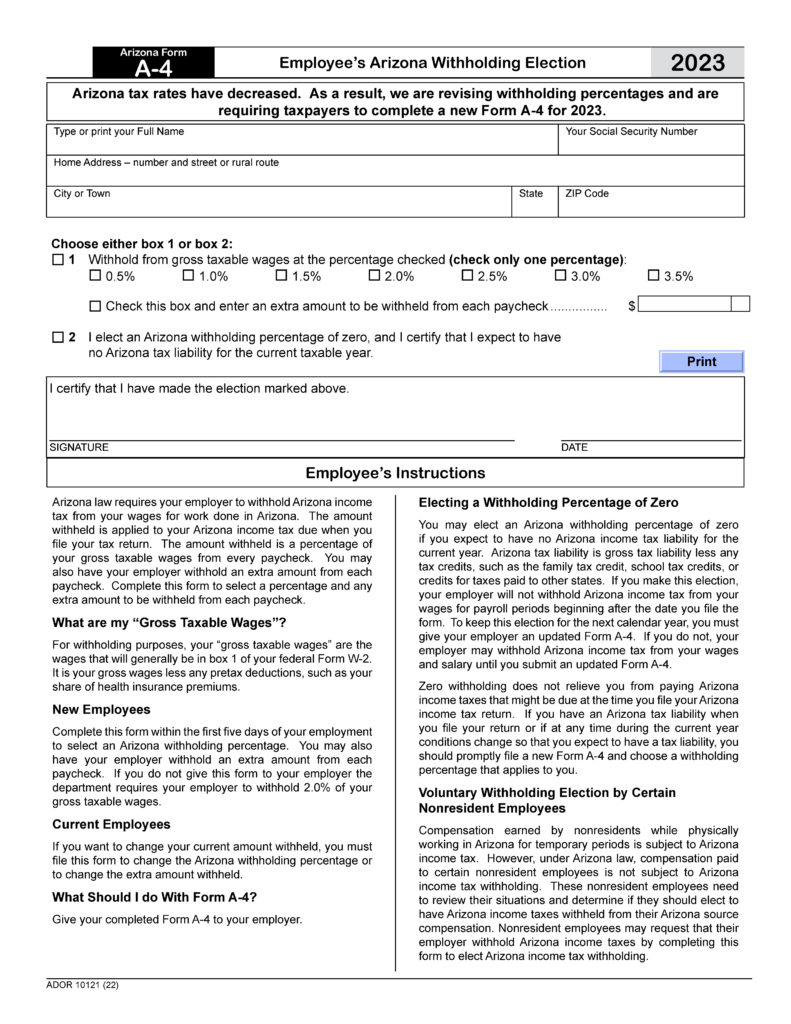
For Arizona state income tax withholding, employees use Form A4, the Employee’s Arizona Withholding Percentage Election. While federal adjustments on Form W-4 (like claiming dependents or other income) influence your federal tax liability, they don’t directly control your Arizona state withholding. You must complete Form A4 separately for Arizona and choose a specific percentage, usually in increments of 0.5%, or elect to have no Arizona tax withheld if you meet certain criteria.
Arizona’s Flat Tax Rate for 2024
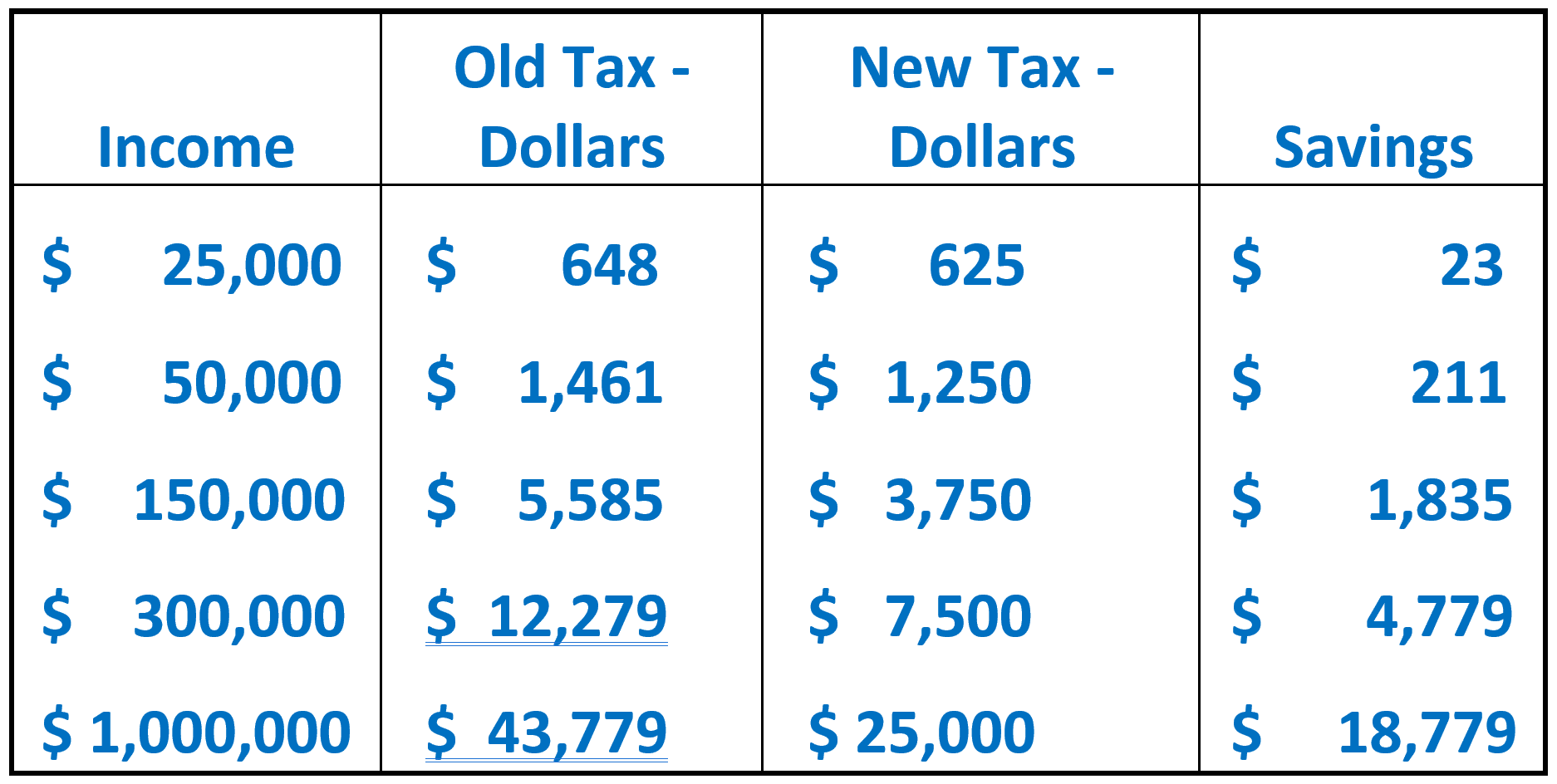
For the 2024 tax year, Arizona operates under a single, flat income tax rate of 2.5%. This simplifies the tax calculation significantly compared to prior years with multiple tax brackets. Despite the flat rate, accurate withholding remains crucial. The flat rate means that for every dollar of taxable income, 2.5 cents is owed to the state. However, your effective withholding percentage might vary based on your personal circumstances, as deductions and credits can reduce your overall tax liability. Therefore, while the rate is flat, the percentage you choose to withhold on Form A4 should still be carefully considered based on your specific financial picture.
Factors Influencing Your Ideal Withholding Percentage
Even with a flat tax rate, several factors dictate the optimal percentage you should elect to have withheld for Arizona taxes:
- Total Annual Income: Your gross income from all sources, including wages, self-employment income, investments, and retirement distributions, directly impacts your total tax liability.
- Marital Status and Filing Status: Your filing status (e.g., single, married filing jointly) can affect how you calculate your deductions and credits.
- Number of Dependents: While Arizona doesn’t have a direct “allowance” system like the old federal Form W-4, having dependents can still impact your overall tax picture if it translates to federal credits that indirectly affect your state tax strategy.
- Other Income Sources: If you have income not subject to withholding (e.g., freelance income, investment gains), you might need to increase your withholding from employment or make estimated tax payments directly to the state.
- Specific Deductions or Credits: Arizona offers various deductions and credits (e.g., for certain property taxes, charitable contributions, or specific educational expenses) that can reduce your taxable income or your tax due. Accounting for these can help you fine-tune your withholding.
Tools and Resources for Optimizing Your Arizona Tax Withholding
For anyone navigating the financial aspects of a flexible lifestyle in Arizona, leveraging available resources is key to accurate tax planning.
Utilizing the Arizona Department of Revenue’s Resources
The Arizona Department of Revenue (ADOR) website is an invaluable hub of information. It provides access to Form A4, detailed instructions, and publications that explain Arizona tax laws. While ADOR does not provide an official withholding calculator akin to the IRS’s, understanding the flat rate and considering your deductions and credits is simpler. Reviewing their annual publications can provide clarity on any changes for the current tax year.
The Importance of Regular Review
Your life and financial situation as a lifestyle earner in Arizona are dynamic. This necessitates regular review and adjustment of your Form A4. Significant life events—such as a change in employment (especially for seasonal or project-based workers), marriage or divorce, the birth or adoption of a child, or a substantial increase or decrease in income—warrant an immediate reevaluation of your withholding. The lasting impacts of federal tax reforms, such as the Tax Cuts and Jobs Act, can also subtly affect your overall tax picture and should prompt a check of your state withholding strategy, even if directly related to federal changes. Making these adjustments promptly can prevent year-end surprises.
Seeking Professional Guidance
While self-management of taxes is feasible for many, complex situations often benefit from professional guidance. This is particularly true for individuals with multi-state income, those engaged in self-employment or complex remote work arrangements, or those with unique investment portfolios. A qualified tax professional, familiar with both federal and Arizona tax laws, can provide personalized advice, ensure compliance, and help optimize your withholding strategy. Their expertise can be invaluable for long-term financial planning, especially for those whose lifestyle involves frequent changes in residency or income streams within Arizona or across state lines.
Common Pitfalls and Best Practices for Lifestyle Earners in Arizona
Maintaining a flexible lifestyle often means managing a dynamic financial situation. For those living and working in Arizona, understanding and proactively addressing tax withholding challenges is key to financial peace of mind.
Avoiding Under-withholding
One of the most significant pitfalls for lifestyle earners is under-withholding. This occurs when too little tax is withheld from your paychecks throughout the year, leading to an unexpected and potentially substantial tax bill when you file your return. For those on a travel budget, this can be particularly disruptive, potentially impacting future travel plans or investments. Arizona, like the federal government, can levy penalties for underpayment of estimated taxes, especially if the amount owed is significant. Regularly reviewing your Form A4 and comparing it against your actual income and projected tax liability can help prevent this.
Mitigating Over-withholding
Conversely, over-withholding, where too much tax is withheld, also has its downsides. While it results in a refund, it essentially means you’ve given the state an interest-free loan throughout the year. For individuals leading dynamic lifestyles, having access to these funds could be crucial for investments, unexpected expenses, or simply enjoying their chosen way of life without unnecessary financial constraints. The goal is to get as close to breaking even as possible, minimizing both significant underpayments and large refunds.
Staying Informed About Tax Law Changes
Tax laws are not static. Changes at both the federal and state levels can impact your withholding. This is especially pertinent for those whose lifestyle involves frequent moves or changes in income sources, as they may be exposed to different jurisdictions’ rules. Staying informed by periodically checking the Arizona Department of Revenue website and reputable tax news sources is a best practice.
Practical Tips for a Smooth Tax Experience in the Grand Canyon State
- Keeping Meticulous Records: For remote workers, freelancers, and seasonal employees, maintaining thorough records of all income sources, expenses, and any changes in residency or employment is invaluable. This simplifies tax preparation and provides a clear audit trail.
- Setting Up Estimated Tax Payments: If you have significant income not subject to withholding (e.g., self-employment income, substantial investment gains, or rental income from properties in Phoenix or Tucson), plan to make estimated tax payments to the Arizona Department of Revenue throughout the year. This helps avoid underpayment penalties.
- Understanding Federal vs. State Obligations: Clearly differentiate between your federal and Arizona tax obligations. While related, they are distinct, each with its own forms and rules.
- Embracing Financial Planning: For those choosing a flexible lifestyle in Arizona, integrating tax planning into your broader financial strategy is paramount. Whether you’re exploring Grand Canyon National Park, working remotely from Flagstaff, or enjoying the winter warmth in Yuma, a well-managed tax situation ensures your financial health supports your lifestyle aspirations.