
Navigating University Admissions: A Lifestyle Decision for Aspiring Students and Families
The journey toward higher education is a pivotal life moment, shaping future careers, personal growth, and indeed, an entire lifestyle. For many prospective students and their families, the application process to esteemed institutions like Boston University in Boston involves careful planning, not just academically but also logistically and financially. A significant piece of this puzzle often revolves around standardized tests like the SAT or ACT. In recent years, the landscape of university admissions has undergone a notable transformation, with many institutions re-evaluating their reliance on these tests. Understanding Boston University’s specific requirements is crucial for anyone embarking on this exciting, yet sometimes complex, lifestyle transition.
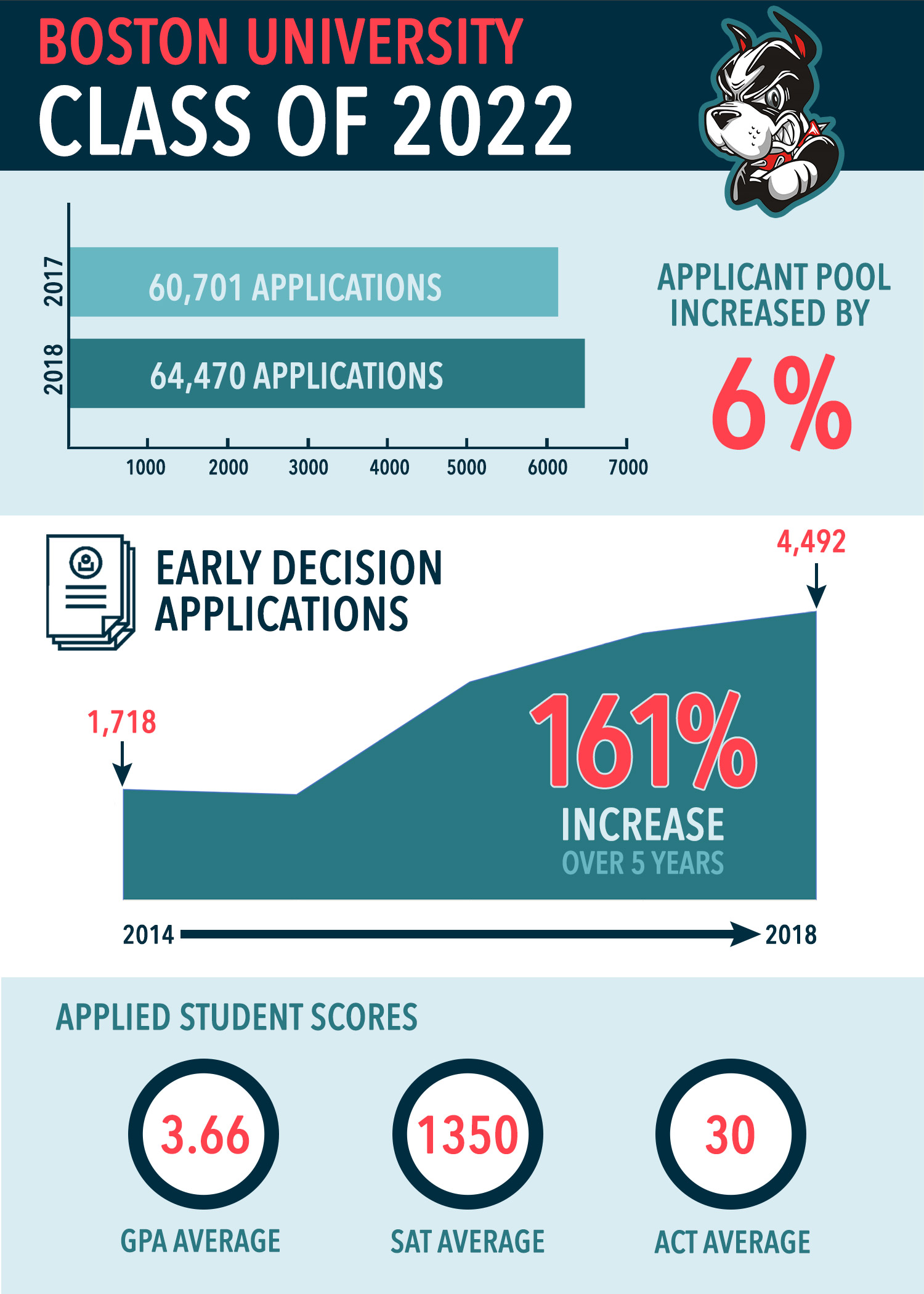
Historically, the SAT and ACT were near-universal prerequisites for college applications across the United States. They served as a standardized metric to compare students from diverse educational backgrounds. However, a growing movement has advocated for a more holistic review process, recognizing that test scores do not always fully capture a student’s potential, academic achievements, or unique life experiences. This shift has led to an increasing number of colleges adopting test-optional or even test-blind policies.
The Evolving Landscape of Standardized Testing: Boston University’s Approach
For applicants eyeing Boston University, the answer to whether an SAT or ACT score is required is straightforward: Boston University has a test-optional policy for first-year applicants for the foreseeable future. This means that applicants have the choice to submit their SAT or ACT scores, but they are not obligated to do so. This policy, initially implemented in response to the challenges posed by the global pandemic, has been extended, reflecting a broader institutional commitment to accessible and equitable admissions.
What does “test-optional” truly mean for the prospective student and their family navigating this critical life choice? It signifies that Boston University’s admissions committee will review applications holistically, placing significant emphasis on other components of the application. These include high school transcripts, academic rigor, essays, recommendations, extracurricular activities, and demonstrated interest. For students who believe their test scores accurately reflect their academic abilities and strengthen their application, submitting them can be beneficial. Conversely, students who feel their scores do not represent their full potential, or those who faced barriers to taking the tests, can opt not to submit them without penalty. This flexibility can significantly influence the lifestyle choices and preparation strategies of applicants, freeing up resources that might otherwise be allocated to costly test preparation or retakes. It allows for a more personalized approach to presenting oneself to the university, emphasizing strengths beyond a single numerical score.
Planning Your Academic Journey: How Admissions Policies Impact Travel and Lifestyle Choices
The decision-making process for university applications extends far beyond filling out forms; it’s a comprehensive lifestyle choice that often involves significant travel, accommodation planning, and financial considerations for families. Knowing Boston University’s test-optional policy can profoundly impact these elements, transforming the strategic approach to campus visits and overall preparation.
Campus Visits and Exploration: Essential “Family Trips” or “Business Stays”
Visiting university campuses is an indispensable part of the application process, representing a crucial “family trip” for many or a focused “business stay” for the prospective student charting their future. A campus tour provides invaluable insight into the academic environment, student life, and the broader community—factors that are paramount in choosing a university that aligns with one’s desired lifestyle.
When planning a trip to Boston to explore Boston University, the test-optional policy offers a certain degree of freedom. Instead of spending precious time and resources on intense SAT/ACT preparation, families can reallocate their focus and budget towards experiencing the university and the vibrant city it calls home. This might mean extending their stay in Boston to attend more informational sessions, engaging more deeply with current students and faculty, or simply enjoying the cultural richness of the area. For families traveling from afar, often incurring significant expenses for flights and accommodation, this shift in focus can make the trip more enriching and less stressful. They can prioritize understanding the academic programs, potential social scenes, and the overall fit with the Boston lifestyle, rather than worrying about squeezing in a last-minute test or agonizing over score submissions.
The travel itself becomes a more relaxed exploratory mission. Families can look into comfortable hotel stays near the Boston University campus or in accessible parts of Boston, perhaps opting for a mid-range hotel that offers amenities conducive to a family stay, or a boutique hotel for a more luxurious “business trip” feel. The emphasis shifts from merely evaluating an institution based on numbers to truly experiencing what life as a Boston University student would entail.

Budgeting and Preparation: A Holistic Lifestyle Perspective
The financial implications of university applications are substantial, touching upon various aspects of a family’s lifestyle. Test preparation courses, registration fees, and the possibility of multiple test sittings can accumulate quickly. With Boston University’s test-optional stance, families have the flexibility to re-evaluate their financial allocations. Funds previously earmarked for test prep materials or tutoring might now be directed towards enriching experiences, like travel to Boston for campus visits, exploring local attractions, or investing in other extracurricular activities that can strengthen an application holistically.
This policy encourages a broader, more balanced approach to preparing for higher education. Students can focus on subjects they are passionate about, engage more deeply in community service, pursue leadership roles, or develop unique talents—all activities that contribute to a well-rounded individual and a compelling application. These pursuits, in turn, contribute positively to a student’s overall lifestyle and personal development, rather than solely focusing on a single high-stakes exam. From a lifestyle budgeting perspective, this allows families to prioritize experiences that offer long-term value and personal growth, aligning with the aspirational goals that a university education represents.
Experiencing Boston: Blending Education Exploration with Lifestyle & Leisure
A university visit is never just about the campus; it’s also an opportunity to immerse oneself in the potential future home and its surrounding lifestyle. Boston, with its rich history, vibrant culture, and diverse neighborhoods, offers an unparalleled backdrop for students considering Boston University. The test-optional policy provides the mental and practical bandwidth for prospective students and their families to fully engage with this aspect of their visit.
Beyond the Application: What to Explore During Your Boston University Visit
When you’re in Boston to visit Boston University, extending your stay to explore the city is a vital part of understanding the “lifestyle” you might adopt. Boston University is strategically located along the Charles River, offering picturesque views and easy access to many of Boston’s iconic attractions.
A short walk or public transit ride can take you to Fenway Park, home of the Boston Red Sox, offering an authentic taste of local sports culture. Art enthusiasts might enjoy a visit to the Museum of Fine Arts, which houses a vast collection spanning centuries and continents. The Charles River Esplanade provides beautiful green spaces for walking, jogging, or simply relaxing, offering a glimpse into the active lifestyle many Boston residents enjoy. Exploring the historic neighborhoods like Beacon Hill, the North End (for authentic Italian cuisine), or the bustling shopping streets of Newbury Street in Back Bay, enriches the visitor experience, painting a clearer picture of daily life in Boston. These explorations contribute to the holistic assessment of whether Boston University and Boston align with the desired future lifestyle.
Accommodation Considerations for Prospective Students and Families
Boston offers a wide array of accommodation options to suit various preferences and budgets for families visiting Boston University. Whether you’re seeking a luxury travel experience, a budget-friendly stay, or family-friendly amenities, there’s something for everyone.
For those looking for a high-end experience, upscale hotels in areas like Back Bay or Downtown Boston provide luxurious amenities, fine dining, and proximity to major attractions. Many offer concierge services that can help arrange campus tours or city excursions. Mid-range hotels near the Boston University campus or along the Green Line T (subway) offer convenient access to the university and other parts of the city without the premium price tag. These often include essential amenities like free Wi-Fi and breakfast, making them suitable for family trips. Budget-conscious travelers might explore guesthouses or hotels slightly further afield with easy public transport links, allowing more funds to be allocated to experiencing Boston’s attractions or cultural activities. Apartments and extended-stay options are also available, providing more space and the flexibility of self-catering, which can be ideal for longer visits or families seeking a more home-like environment. Choosing the right accommodation contributes significantly to the overall lifestyle experience of the university visit, ensuring comfort and convenience as families make one of life’s most important decisions.

Making the Choice: A Lifestyle Investment
In conclusion, while the question “Does Boston University require SAT?” is a simple one with a clear answer (test-optional), its implications ripple through the entire university application process, fundamentally shaping lifestyle decisions for students and their families. The test-optional policy at Boston University allows for a more comprehensive and less stress-inducing approach to admissions. It encourages a focus on genuine academic fit, personal growth, and the exploration of the vibrant lifestyle that Boston University and the city of Boston offer.
This shift empowers applicants to present their best selves holistically, considering their talents, passions, and experiences beyond standardized test scores. For families, it transforms the university exploration process into a more enriching travel and lifestyle experience, allowing them to invest their time and resources in meaningful campus visits, cultural immersion, and informed decision-making about a future academic and personal journey. Choosing Boston University, whether with or without submitted test scores, is ultimately a significant lifestyle investment in education, personal development, and a vibrant future in one of America’s most historic and dynamic cities.
LifeOutOfTheBox is a participant in the Amazon Services LLC Associates Program, an affiliate advertising program designed to provide a means for sites to earn advertising fees by advertising and linking to Amazon.com. Amazon, the Amazon logo, AmazonSupply, and the AmazonSupply logo are trademarks of Amazon.com, Inc. or its affiliates. As an Amazon Associate we earn affiliate commissions from qualifying purchases.