
When planning a trip to the vibrant desert metropolis of Phoenix, Arizona, one of the most common and often perplexing questions travelers encounter revolves around its time zone. Unlike most of the United States, Arizona observes a unique timekeeping practice that can significantly impact travel logistics, scheduling, and overall visitor experience. For anyone heading to the Grand Canyon State, understanding this distinction is key to a smooth and well-coordinated journey.
Understanding Arizona’s Unique Time Zone Status
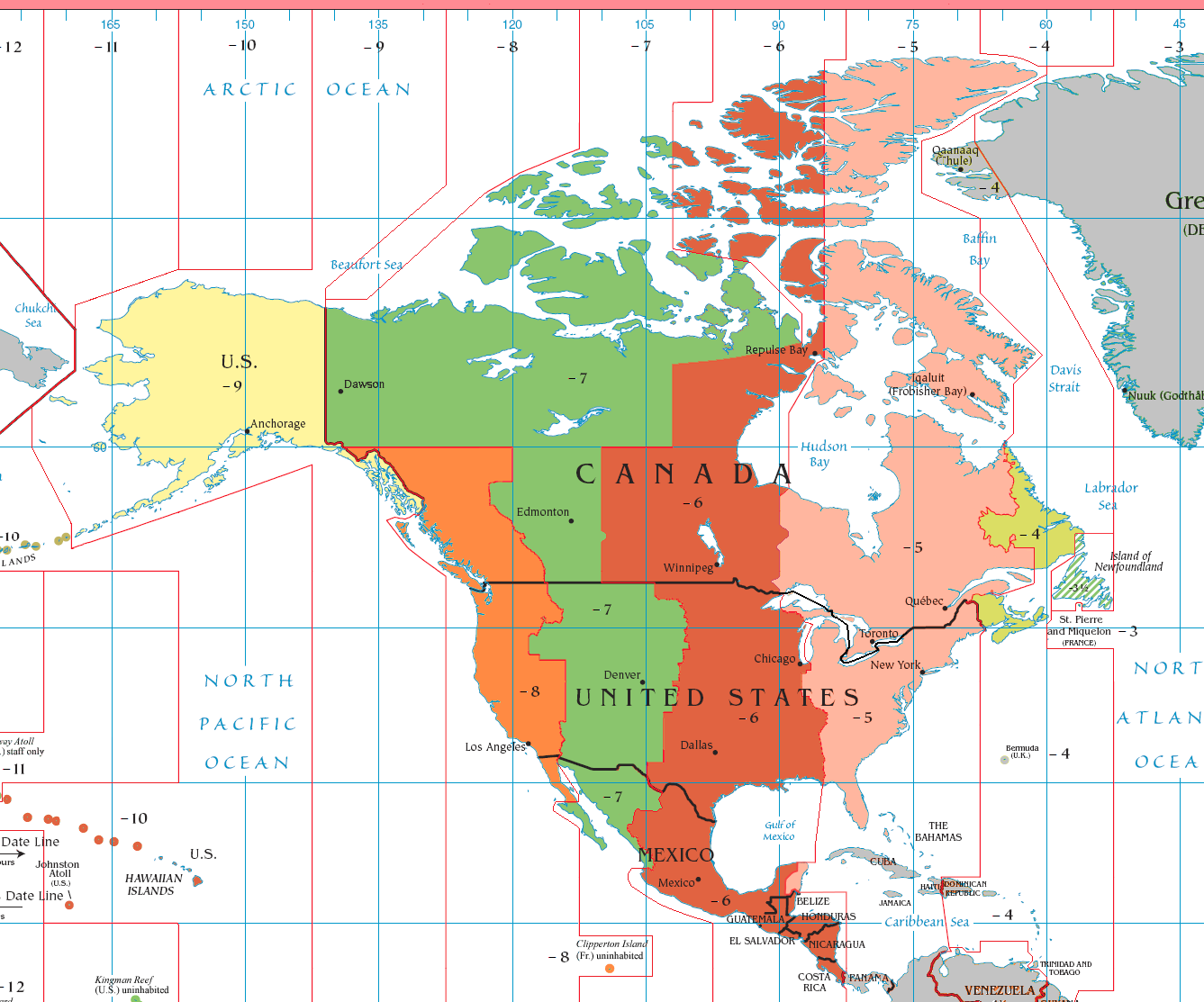
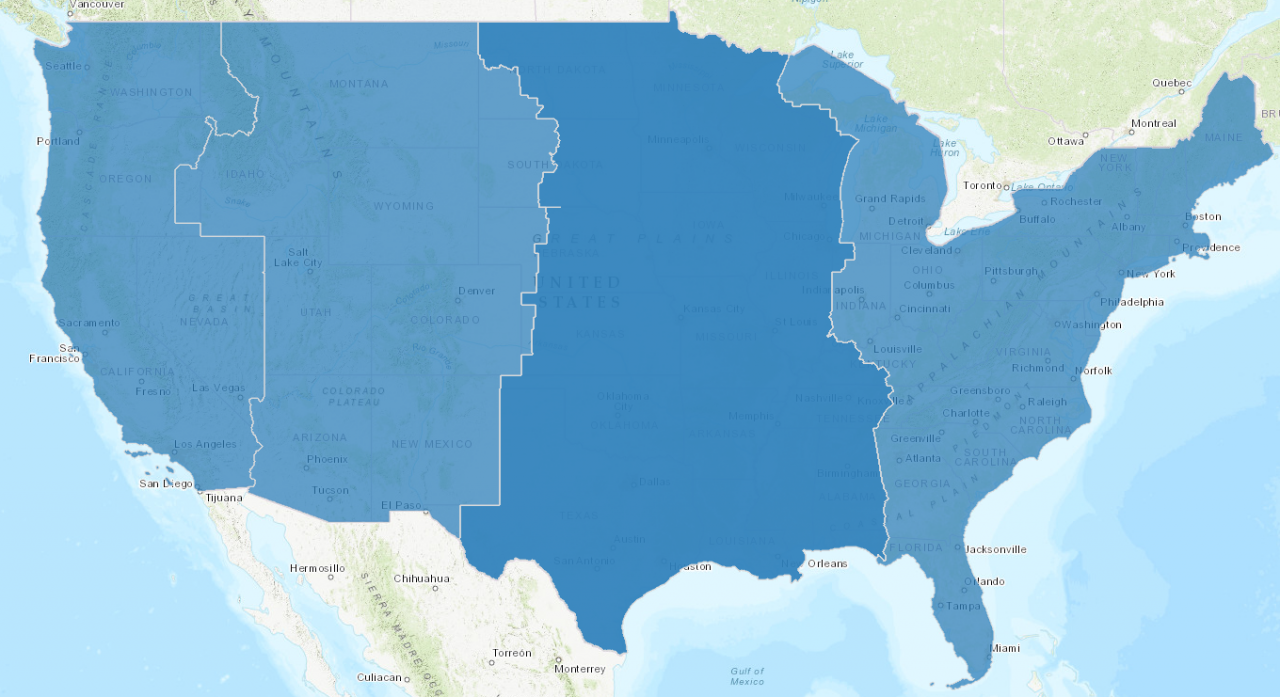
Phoenix, along with the majority of Arizona, operates on Mountain Standard Time (MST) year-round. What makes this distinctive is that Arizona does not observe Daylight Saving Time (DST). This means that while other states adjust their clocks forward an hour in spring and back an hour in autumn, Arizona remains constant.

Why Arizona Stands Apart: No DST
The decision for Arizona to forgo Daylight Saving Time dates back to the 1960s. The primary reason is rooted in the state’s extreme summer heat. By not advancing the clock an hour in summer, sunset and the hottest part of the day effectively occur an hour earlier by the clock. This translates to slightly earlier cooler evenings, which is highly desirable for outdoor activities and energy conservation in a state where air conditioning runs almost non-stop for several months. For travelers, this means longer, brighter evenings in winter and spring, but potentially hotter peak daytime hours in summer before the sun begins to set. It allows residents and visitors to enjoy outdoor activities like hiking or dining al fresco once the intense heat of midday has subsided, without waiting until what would otherwise be a much later clock time.
The Mountain Standard Time (MST) Constant
From roughly early November to mid-March, Phoenix aligns with other states that observe MST, such as Colorado, Utah, and New Mexico. However, when the rest of the country “springs forward” for Daylight Saving Time, Arizona effectively shifts. During this period, from mid-March to early November, Phoenix operates on the same time as Pacific Daylight Time (PDT), which is observed in California and Nevada. This can be a point of confusion for those traveling from either the Mountain Time Zone or Pacific Time Zone, as the relative difference changes throughout the year.
Historical Context and Rationale
The federal Uniform Time Act of 1966 standardized Daylight Saving Time nationwide but allowed states to opt out. Arizona initially experimented with DST but quickly found it impractical due to the aforementioned climate reasons. The consistent high temperatures meant that pushing daylight later into the evening simply prolonged the heat, making outdoor activities and energy savings less feasible. Thus, the decision to remain on MST year-round was solidified, making Arizona one of only two states (the other being Hawaii) that do not observe DST statewide.
Practical Implications for Travelers to Phoenix
Understanding Phoenix’s time zone unique status is crucial for seamless travel planning, particularly when coordinating flights, tours, and meetings.
Planning Arrivals and Departures
When booking flights to Phoenix Sky Harbor International Airport, always confirm the arrival and departure times with local Phoenix time. If you’re traveling during the period when DST is active elsewhere (spring to fall), remember that Phoenix will be on the same time as the Pacific Coast. This means if you’re coming from the Eastern Time Zone, you’ll effectively gain three hours, and if from the Central Time Zone, two hours. Conversely, departing Phoenix to a DST-observing state will mean adjusting your internal clock accordingly.
Coordinating with Other Time Zones
Travelers often arrive in Phoenix from diverse locations.
- From the East Coast (EDT/EST): During DST, Phoenix is 3 hours behind Eastern Daylight Time (EDT). For example, 3 PM in New York City is 12 PM in Phoenix. In winter, when the East Coast reverts to Eastern Standard Time (EST), Phoenix is 2 hours behind.
- From the Central Time Zone (CDT/CST): During DST, Phoenix is 2 hours behind Central Daylight Time (CDT). In winter, it’s 1 hour behind Central Standard Time (CST).
- From the Mountain Time Zone (MDT/MST): This is where it gets particularly interesting. During DST, states like Colorado move to Mountain Daylight Time (MDT). Since Phoenix stays on MST, it means Phoenix will be one hour behind MDT. If you’re coming from Denver in summer, you effectively gain an hour upon arrival in Phoenix. In winter, they align.
- From the Pacific Time Zone (PDT/PST): During DST, Phoenix is on the same time as Pacific Daylight Time (PDT). No time difference! In winter, when the Pacific Coast reverts to Pacific Standard Time (PST), Phoenix will be one hour ahead of PST.
For international travelers, remember to factor in these shifts, especially if connecting through other U.S. cities that observe DST.
Business Hours and Local Schedules
Most businesses in Phoenix, from the Arizona State Capitol to attractions like the Heard Museum and the Desert Botanical Garden, operate on MST year-round. This consistency simplifies planning once you are in the city. However, if you have virtual meetings or calls with contacts in other states, double-check the current time difference. Many apps and devices automatically adjust, but a manual confirmation can prevent missed appointments.
Navajo Nation Exemption: A Crucial Distinction
While most of Arizona remains on MST year-round, there’s a significant exception that every traveler exploring the state’s northern regions must be aware of: the Navajo Nation.
The Navajo Nation’s Observance of DST
The Navajo Nation, a sovereign tribal nation with a large portion of its territory located within northeastern Arizona, does observe Daylight Saving Time. This means that from mid-March to early November, the Navajo Nation advances its clocks by one hour, effectively putting it on Mountain Daylight Time (MDT). For travelers, this creates a peculiar situation: if you drive from Flagstaff (which is on MST) into the Navajo Nation during summer, you effectively lose an hour as you cross into tribal lands.
Navigating Travel Through the Four Corners Region
This time zone shift is particularly critical if your itinerary includes visiting attractions within the Navajo Nation, especially in the Four Corners region where Arizona, New Mexico, Utah, and Colorado meet. The Hopi Nation, an independent reservation entirely surrounded by the Navajo Nation, does not observe DST, adhering to Arizona’s non-DST policy. This creates a fascinating and potentially confusing “time donut” where you could drive into the Navajo Nation, gain an hour relative to Phoenix, then drive into the Hopi Nation and lose that hour again, only to gain it back if you re-enter Navajo Nation territory.
Specific Considerations for Monument Valley and Other Navajo Sites
When visiting iconic sites like Monument Valley, Antelope Canyon, or Canyon de Chelly National Monument, which are all within the Navajo Nation, always confirm tour times and reservation schedules using the local Navajo Nation time, especially during DST. A missed tour due to a time zone miscalculation could be a significant disappointment for travelers. It is always wise to ask local guides or tour operators what time zone they are observing when making bookings or checking in.
Maximizing Your Phoenix Itinerary: Time Zone Tips
Navigating Phoenix’s time zone doesn’t have to be complicated. With a few smart tips, you can optimize your travel plans and enjoy everything the region has to offer.
Adjusting to MST Upon Arrival
For travelers from the east, the time difference generally works in your favor, offering a feeling of having longer days. Embrace this by planning early morning activities like hiking the trails of Camelback Mountain or exploring the South Mountain Park and Preserve before the midday heat sets in. In the summer months, remember that “late afternoon” on your watch might still feel like mid-day sun to your body if you’re accustomed to DST. Staying hydrated and planning indoor activities during peak sun hours (e.g., 1 PM to 4 PM) is always recommended.
Best Practices for Scheduling Activities and Tours
When booking anything from a hot air balloon ride over the Sonoran Desert to a tee time at one of Scottsdale’s world-class golf courses, always confirm the time using Phoenix’s local MST. Many online booking systems will automatically convert to your local time, which can be helpful, but a quick double-check with the vendor or a manual calculation ensures no misunderstandings. This is particularly important for tours that start very early or end late, as even a one-hour discrepancy can throw off an entire day’s plan.
The Advantage of Constant Daylight Saving Time-like Hours
For a significant portion of the year (during what would be DST elsewhere), Phoenix effectively operates as if it’s perpetually on Daylight Saving Time. This means evenings stay brighter later, even though the clock hasn’t moved forward. This can be a boon for travelers, allowing for extended explorations, sunset dinners, or simply more time to relax by the pool at resorts in Scottsdale or Tempe as the desert sky transforms with vivid colors. Enjoying an early dinner and still having plenty of daylight to stroll through art districts or visit local shops in Glendale is a common pleasure for Phoenix visitors.
Exploring Beyond Phoenix: Time Zone Scenarios
Your Arizona adventure might extend beyond the capital. Understanding time zones becomes even more critical for road trips or multi-state itineraries.
Day Trips to Nearby Cities
- Grand Canyon, Sedona, Tucson: These popular destinations, along with Flagstaff and Prescott, all adhere to Arizona’s non-DST policy, staying on MST year-round. So, if you’re planning a day trip from Phoenix to any of these locations, you won’t encounter any time changes. This simplifies planning greatly, allowing you to focus on the stunning scenery and attractions, whether it’s the red rocks of Sedona or the vast expanse of the Grand Canyon.
Multi-state Journeys
- Crossing into California or Nevada: During the spring-to-fall DST period, Phoenix is on the same time as PDT in these states. No time change! In winter, Phoenix will be one hour ahead of PST.
- Crossing into Utah, Colorado, or New Mexico: These states observe DST. So, during summer, Phoenix will be one hour behind their Mountain Daylight Time. If you are driving from Phoenix to Salt Lake City in July, remember to set your clock forward an hour as you cross the border. In winter, all these states align with MST, so there’s no difference.
Using Technology to Stay on Track
Modern smartphones and GPS devices are usually adept at recognizing time zone changes, but it’s always prudent to double-check. Ensure your device’s time settings are set to “automatic” or manually select Phoenix, Arizona (MST, no DST) for local reference. For the Navajo Nation, you might need to temporarily switch to a New Mexico or Utah location to get the correct time while within tribal lands during DST. Staying informed about Phoenix’s unique time zone status will not only prevent scheduling mishaps but also deepen your appreciation for Arizona’s thoughtful approach to daily living in its distinctive desert environment, where even time is tailored to fit the rhythm of the sun and the needs of its people. Enjoy the extra evening light or the perfectly timed cooler hours for your desert adventures by the Salt River or amidst the saguaros.
LifeOutOfTheBox is a participant in the Amazon Services LLC Associates Program, an affiliate advertising program designed to provide a means for sites to earn advertising fees by advertising and linking to Amazon.com. Amazon, the Amazon logo, AmazonSupply, and the AmazonSupply logo are trademarks of Amazon.com, Inc. or its affiliates. As an Amazon Associate we earn affiliate commissions from qualifying purchases.