
Planning a trip to Phoenix, Arizona often begins with a fundamental question: what will the weather be like? As a vibrant metropolis nestled in the heart of the Sonoran Desert, Phoenix is renowned for its abundant sunshine and distinctive climate. Understanding the temperature patterns is not just about packing the right clothes; it’s essential for crafting an enjoyable itinerary, from selecting the best time to visit to planning daily activities. This guide delves into Phoenix’s unique thermal profile, offering insights and practical advice for travelers.
Understanding Phoenix’s Unique Desert Climate
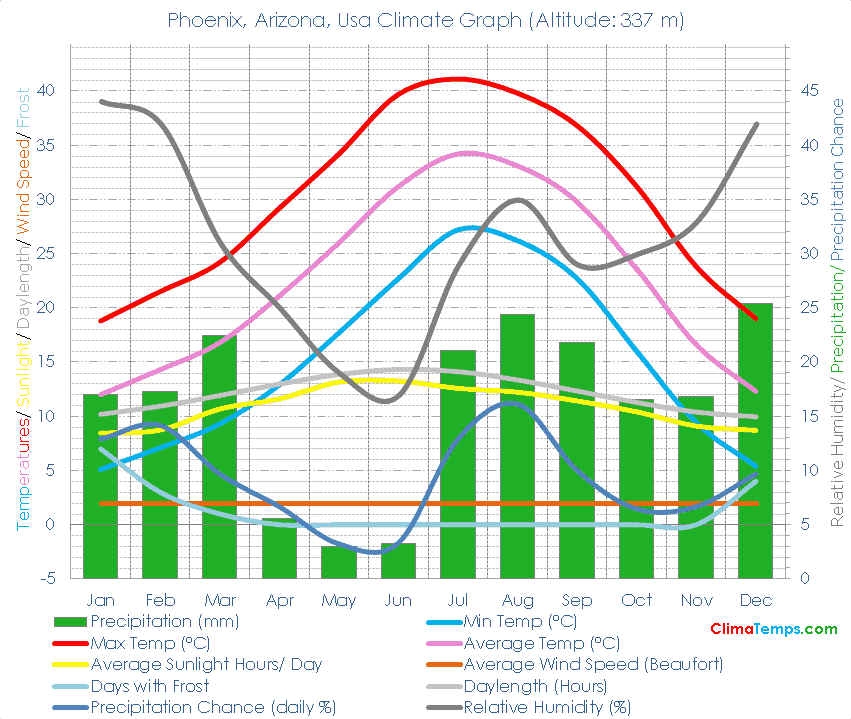
Phoenix’s climate is characterized by its desert environment, which results in hot summers, mild winters, and significant diurnal temperature swings. The city boasts over 300 days of sunshine annually, making it a popular destination for those seeking warmth and clear skies. However, this sunshine comes with varying degrees of heat that profoundly influence the traveler’s experience.
The Sonoran Desert Influence
The Sonoran Desert plays a pivotal role in shaping Phoenix’s temperatures. This particular desert is one of the hottest and wettest deserts in North America, leading to unique flora and fauna adapted to its conditions. For visitors, this means encountering temperatures that can soar into triple digits during summer months but also experiencing surprisingly cool evenings. The dry heat, often perceived differently from humid heat, means that sweat evaporates quickly, providing some natural cooling, though the intensity of the sun’s rays remains a significant factor. The lack of significant cloud cover allows for maximum solar radiation during the day and rapid heat loss at night, creating those dramatic temperature shifts.
Seasonal Temperature Overview
Phoenix experiences four distinct seasons, each offering a different facet of its desert charm:
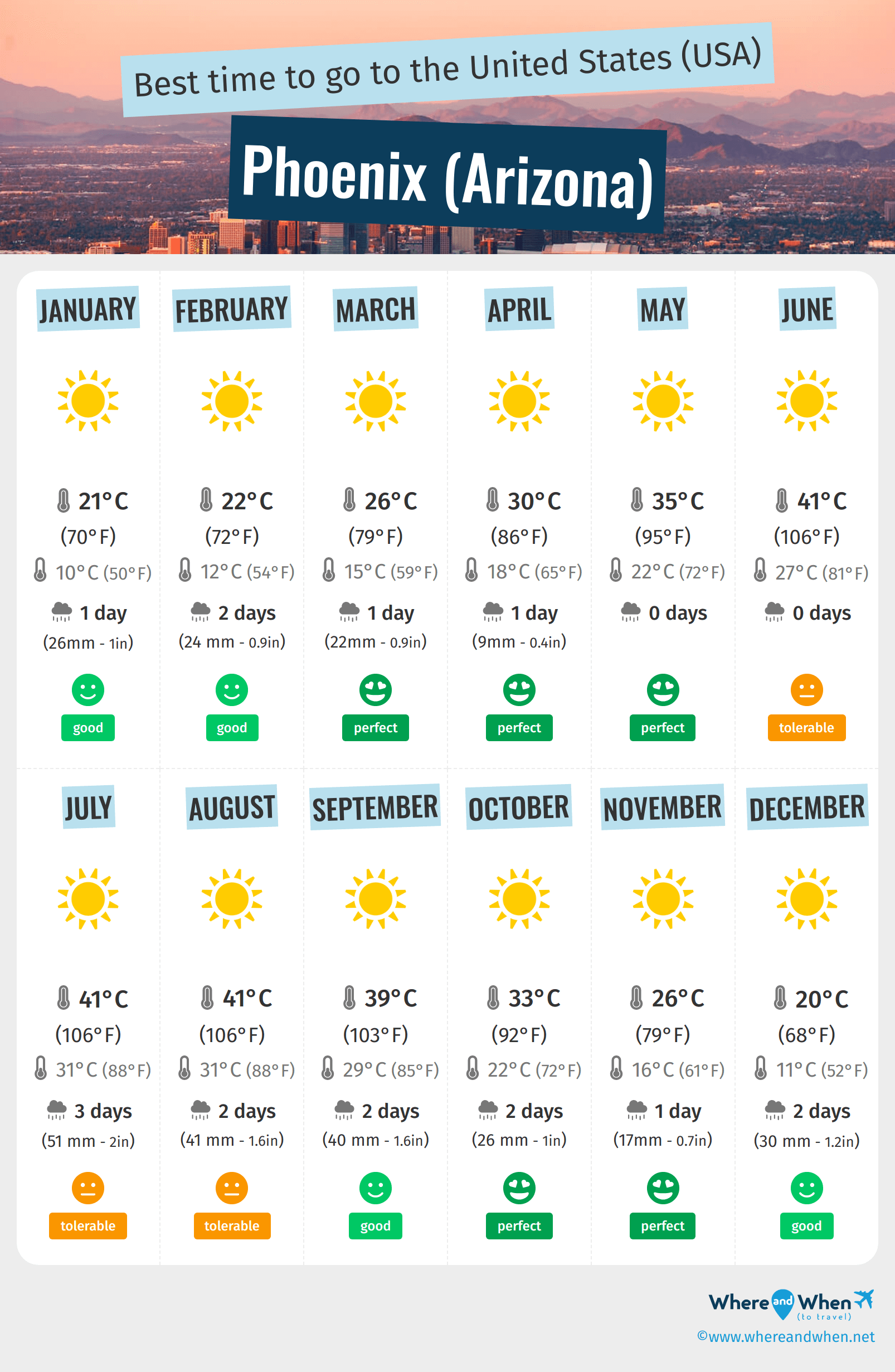
- Winter (December – February): Mild and sunny, with average daytime highs ranging from the mid-60s to low 70s Fahrenheit (18-23°C). Nights are cool, often dropping into the 40s (4-9°C). This is generally considered the most pleasant time for outdoor activities.
- Spring (March – May): Temperatures gradually climb, starting in the mid-70s to 80s (24-30°C) in March and potentially reaching the high 90s (32-37°C) by May. Spring offers comfortable warmth with blooming desert landscapes.
- Summer (June – September): The infamous hot season. Daily highs consistently exceed 100°F (38°C), often reaching 110°F (43°C) or higher. Nights remain warm, typically in the 80s (27-32°C). This period also includes the monsoon season (July-September), bringing occasional humidity, dramatic thunderstorms, and brief, intense rain showers.
- Autumn (October – November): A welcome reprieve from the summer heat. October sees highs in the 80s to low 90s (27-35°C), cooling down to the 70s (21-26°C) by November. Nights become refreshingly cool.
Navigating Phoenix’s Seasons: A Traveler’s Guide
Choosing when to visit Phoenix, Arizona largely depends on your tolerance for heat and the type of activities you wish to pursue. Each season presents unique opportunities and challenges.
Winter Warmth: Ideal for Exploration (December – February)
Winter is prime time for visitors to Phoenix. The mild, sun-drenched days are perfect for exploring the great outdoors without the oppressive summer heat. Average daytime temperatures hover around 68-72°F (20-22°C), creating ideal conditions for hiking trails in South Mountain Park and Preserve, golfing at championship courses, or strolling through the Desert Botanical Garden. Evenings can be crisp, so layering is advisable, especially if you plan to enjoy outdoor dining or evening events. This season also hosts many popular events, including the Waste Management Phoenix Open and various art festivals, drawing larger crowds and necessitating earlier bookings for accommodations and flights.
Spring Blooms & Pleasant Days (March – May)
Spring in Phoenix is a delightful transition, offering increasing warmth balanced with stunning desert blooms. March brings average highs in the mid-70s to low 80s (24-28°C), which steadily climb into the 90s (32-37°C) by May. This period is fantastic for seeing the Sonoran Desert come alive with vibrant wildflowers and cacti in full bloom. Hiking is still very popular, though it’s wise to start earlier in the day as the season progresses. Spring Break crowds can mean higher prices and more bustling attractions, particularly in March. By late May, the heat begins to assert itself more consistently, signaling the approach of summer.
Summer’s Intense Heat: Adapting Your Itinerary (June – September)
Summer in Phoenix is synonymous with extreme heat, with daily temperatures often exceeding 105°F (41°C). While formidable, the dry heat is often described as more manageable than humid climates. This season requires a significant shift in travel strategy. Outdoor activities are best relegated to very early mornings or late evenings. For instance, a sunrise hike up Camelback Mountain before 8 AM is a rewarding, albeit challenging, experience. Daytime hours are perfectly suited for indoor attractions such as the Musical Instrument Museum, the Heard Museum, or the Arizona Science Center. Many resorts offer enticing summer deals, making this an excellent time for budget-conscious travelers who prioritize poolside lounging or spa treatments. The monsoon season, typically from July to mid-September, introduces humidity and dramatic afternoon thunderstorms, which can be a spectacle in themselves.
Autumn’s Gentle Transition (October – November)

As the summer heat gradually dissipates, autumn emerges as another highly desirable time to visit Phoenix. October offers pleasant highs in the low 90s (32-35°C), cooling beautifully into the 70s (21-26°C) by November. The air becomes crisp and comfortable, making it ideal for resuming all forms of outdoor exploration. Golf courses are in pristine condition, and hiking trails regain their popularity. Many festivals and outdoor events kick off in the fall as the weather becomes more conducive to gatherings. The crowds are typically smaller than in winter and spring, offering a more relaxed experience with excellent weather.
Practical Tips for Enjoying Phoenix, Regardless of the Thermometer
Regardless of the season, a few universal strategies will enhance your Phoenix travel experience.
Hydration and Sun Protection are Key
In a desert environment, dehydration can occur rapidly. Always carry a reusable water bottle and drink frequently, even if you don’t feel thirsty. Electrolyte-rich drinks can also be beneficial, especially during strenuous activity. Sun protection is equally vital year-round. Wear wide-brimmed hats, sunglasses, and apply high SPF sunscreen regularly. Lightweight, long-sleeved clothing with UPF protection can offer excellent defense against the intense Arizona sun. Remember that UV index levels can be very high even on cooler winter days.
Embrace Early Mornings and Late Evenings
To maximize enjoyment of outdoor activities, particularly from late spring through early autumn, plan your excursions for the cooler parts of the day. A sunrise hike at Papago Park or a sunset stroll through Old Town Scottsdale offers not only more comfortable temperatures but also breathtaking desert vistas as the light changes. Many attractions and golf courses open early specifically to accommodate this schedule. Evenings are often magical, with vibrant sunsets and the desert air cooling to a pleasant temperature, perfect for patio dining.
Seek Out Indoor Attractions and Water Activities
During the hotter months, Phoenix offers a wealth of air-conditioned escapes. Beyond the previously mentioned museums, consider exploring shopping centers like Scottsdale Fashion Square, architectural marvels such as Taliesin West (the former winter home and school of architect Frank Lloyd Wright), or enjoying a show at one of the city’s theaters. Many resorts boast impressive pool complexes, often with water slides and splash pads, providing a refreshing way to beat the heat. Wet ‘n’ Wild Phoenix is another excellent option for families seeking aquatic fun.
Best Times to Visit Phoenix for Optimal Comfort and Activities
While Phoenix can be enjoyed year-round with proper planning, certain periods stand out for their ideal weather and abundance of activities.
Winter and Spring: The Peak Travel Seasons
Without a doubt, late fall (November), winter (December-February), and early spring (March-April) represent the peak travel seasons for Phoenix. The temperatures during these months are consistently pleasant, ranging from mild to comfortably warm, making them perfect for outdoor enthusiasts. This is when hiking, biking, golfing, and exploring the Sonoran Desert are at their most enjoyable. Many major sporting events, cultural festivals, and art shows also take place during these cooler months, adding to the vibrant atmosphere. However, this popularity means higher prices for flights and accommodation, and attractions will be more crowded.
Summer Value and Unique Experiences
For those seeking value, summer offers significant discounts on hotels and resorts. While the heat is intense, travelers who plan their days strategically can still have a fantastic experience. Early risers can enjoy outdoor activities, followed by afternoons spent in cool museums, spas, or by resort pools. The monsoon season, with its dramatic thunderstorms and vibrant lightning displays, offers a unique photographic opportunity and a different perspective on the desert landscape. It’s also a great time to enjoy the city’s lively nightlife, as many establishments extend their hours and offer cool indoor entertainment options.
Fall: A Sweet Spot for Outdoor Adventures
Early fall, specifically October and November, is often lauded as a hidden gem for visitors. The intense summer heat has subsided, leaving behind beautifully warm days and refreshingly cool nights, reminiscent of spring but often with fewer crowds. This period is excellent for all types of outdoor activities, from exploring the trails of Camelback Mountain to enjoying a round of golf at one of Arizona’s premier courses. The desert is still recovering from the summer monsoons, often appearing lush before the colder, drier winter sets in.
In conclusion, understanding “What’s the temperature in Phoenix, Arizona?” is the first step toward a well-planned and highly enjoyable trip. Whether you’re chasing the winter sun, marveling at spring blooms, strategizing against summer’s heat, or enjoying the tranquility of autumn, Phoenix offers a diverse range of experiences tailored to its unique desert climate. With proper preparation and an appreciation for its natural environment, this Sonoran Desert gem promises a memorable adventure.
LifeOutOfTheBox is a participant in the Amazon Services LLC Associates Program, an affiliate advertising program designed to provide a means for sites to earn advertising fees by advertising and linking to Amazon.com. Amazon, the Amazon logo, AmazonSupply, and the AmazonSupply logo are trademarks of Amazon.com, Inc. or its affiliates. As an Amazon Associate we earn affiliate commissions from qualifying purchases.