
Understanding Kingman’s Climate: A Traveler’s Guide
Planning a trip to Kingman, Arizona, often described as the “Heart of Historic Route 66,” involves more than just mapping out attractions. A crucial, often overlooked, element is understanding the local climate, particularly the temperature. Kingman’s unique position in the high desert of northwestern Arizona means significant seasonal variations and notable daily temperature swings. Knowing what to expect temperature-wise is paramount for packing appropriately, scheduling activities, and ultimately, ensuring a comfortable and enjoyable travel experience.
Kingman sits at an elevation of approximately 3,336 feet (1,017 meters), which distinguishes its climate from the hotter, lower desert regions of Phoenix or Yuma. This elevation grants it milder winters and less oppressive summer heat compared to those areas, though summers are still undeniably hot. Its proximity to the Mojave Desert means a generally arid environment with low humidity, which often makes even high temperatures feel more manageable than in humid climates. However, low humidity also contributes to substantial differences between daytime highs and nighttime lows, a factor every traveler should consider. From hiking the scenic trails in the Hualapai Mountains to exploring vintage Route 66 diners, the temperature dictates the rhythm of your adventure in this historic city.

Seasonal Breakdown: Navigating Kingman’s Weather Year-Round
Kingman experiences four distinct seasons, each offering a different facet of its natural beauty and recreational opportunities. Understanding the typical temperatures for each season will allow travelers to plan effectively and make the most of their visit.
Summer (June – August): Intense Heat, Cooler Evenings
Summer in Kingman is characterized by intense heat, a typical trait of the American Southwest. Daytime high temperatures during July and August frequently reach into the high 90s°F (35-37°C) and often exceed 100°F (38°C). The record highs can soar even further, making midday outdoor activities challenging. However, thanks to the elevation and arid conditions, humidity is low, often making the heat more tolerable than in wetter climates. Crucially, nighttime temperatures drop significantly, often into the low 70s°F (21-23°C) or even 60s°F (16-20°C). This dramatic diurnal swing means evenings can be surprisingly pleasant for dining outdoors or stargazing.
Travelers visiting during these months should prioritize hydration, wear light-colored, loose-fitting clothing, and seek shade during the hottest parts of the day (typically 11 AM to 4 PM). Early morning hikes or late afternoon explorations are recommended. Many local businesses, museums like the Mohave Museum of History and Arts and the Kingman Army Airfield Museum, and indoor attractions offer refuge from the heat. It’s also an ideal time for day trips to higher elevations such as the Grand Canyon or exploring the cool waters of Lake Mead and the impressive Hoover Dam.
Fall (September – November): The Golden Window
Autumn is arguably the most idyllic time to visit Kingman. The scorching summer heat begins to recede, ushering in comfortably warm days and crisp, cool evenings. September still sees highs in the 90s°F (32-37°C), but October brings average daytime temperatures down to the low to mid-80s°F (27-30°C), cooling further to the 60s°F (16-20°C) by November. Nighttime lows range from the 60s°F (16-20°C) in September to the 40s°F (4-9°C) in November.
This “golden window” provides perfect conditions for hiking, exploring the historic sites along Route 66, and outdoor photography. The clear skies and comfortable temperatures make it ideal for exploring ghost towns like Oatman Ghost Town or scenic drives through the Cerbat Mountains. Packing should include layers: light clothing for the day, with sweaters or light jackets for evenings and early mornings.
Winter (December – February): Mild Days, Chilly Nights

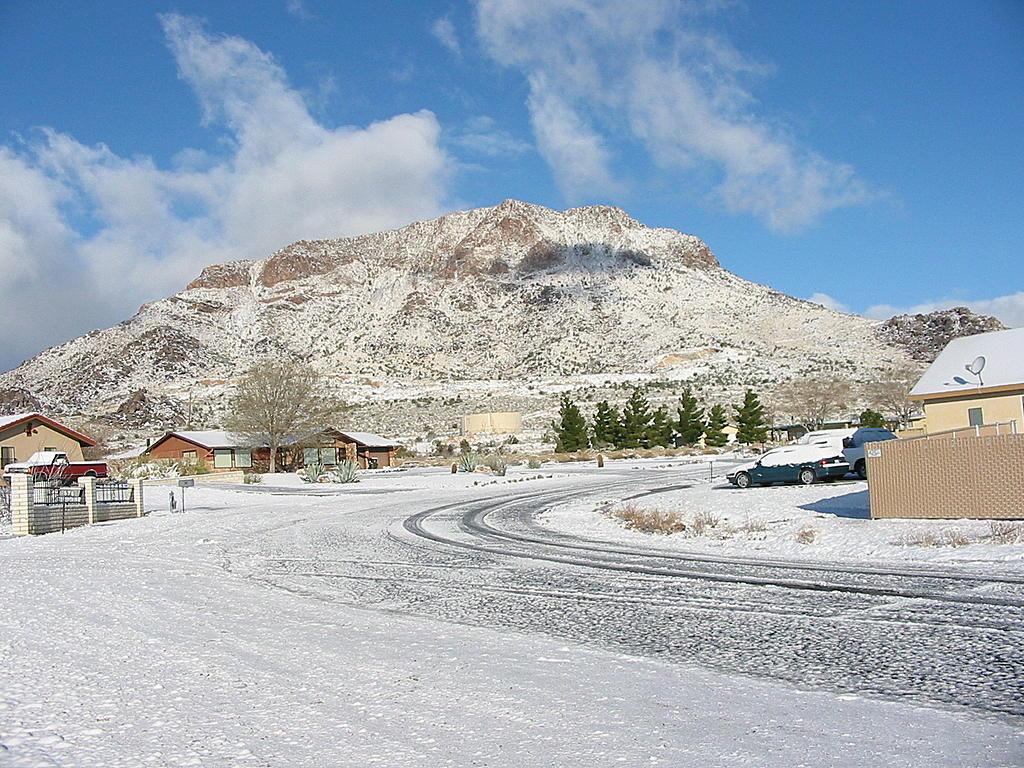
Winter in Kingman is generally mild and pleasant, particularly for those escaping colder climates. Daytime temperatures typically range from the low 50s°F to low 60s°F (10-16°C). While snow is rare in the city itself, higher elevations in the nearby Hualapai Mountains might receive light dustings. Nights, however, can be quite chilly, with lows often dropping into the 30s°F (-1 to 4°C), and occasional freezes are not uncommon.
Winter days are comfortable for outdoor activities such as visiting the local parks or engaging in the various cultural experiences Kingman offers. It’s an excellent season for photography and enjoying the quiet charm of the desert landscape without the summer crowds. Travelers should pack warm layers, including a medium-weight jacket, sweaters, and long pants, especially if planning evening outings or venturing into higher elevations.
Spring (March – May): Blooming Beauty and Pleasant Warmth
Spring sees Kingman awaken with vibrant desert blooms and progressively warmer temperatures. March still has relatively cool mornings and evenings, with highs in the 60s°F (16-20°C) and lows in the 40s°F (4-9°C). By May, daytime highs often reach the 80s°F (27-32°C), and nights remain pleasant in the 50s°F (10-15°C). Spring can also be quite windy, particularly in March and April, which can affect outdoor comfort.
This season is fantastic for wildflower viewing and hiking before the intense summer heat sets in. The pleasant temperatures make it ideal for exploring the natural beauty surrounding Kingman. Packing should be versatile, including layers to accommodate the transition from cool mornings to warm afternoons, and a windbreaker can be a valuable addition. Sun protection remains essential as the sun’s intensity increases.
Geographic Influences on Kingman’s Temperature
Kingman’s temperature profile is not merely a product of its seasonal position on the globe but is heavily influenced by its unique geography.
The city’s elevation, nestled at over 3,300 feet, plays a critical role. Higher elevations generally mean cooler temperatures, which is why Kingman escapes the extreme, prolonged heat experienced in lower desert cities like Las Vegas, roughly 100 miles northwest. This elevation also accounts for the significant diurnal temperature variation, as the thin, dry air at higher altitudes allows heat to escape quickly after sunset.
Furthermore, Kingman is surrounded by mountain ranges, including the Hualapai Mountains to the east and the Cerbat Mountains to the north. These geological features influence local weather patterns, occasionally trapping cooler air or providing a slight moderating effect. The arid nature of the Mojave Desert environment, where Kingman is situated, ensures very low humidity year-round. This dryness, while contributing to comfortable ‘dry heat’ during the day, also amplifies the cooling effect at night, as there is less moisture in the air to retain heat.
Optimizing Your Kingman Experience Based on Temperature
Understanding Kingman’s temperatures is the first step toward a well-planned trip. Here’s how to optimize your experience:
Packing Essentials
Regardless of the season, packing layers is always a smart strategy for Kingman. Even in summer, a light jacket for air-conditioned interiors or cool evenings is advisable. For cooler months, bring insulated jackets, sweaters, and long pants. Sun protection is non-negotiable year-round: high-SPF sunscreen, wide-brimmed hats, and UV-protective sunglasses are crucial. Hydration gear, such as reusable water bottles, is also essential, particularly for outdoor activities.
Activity Planning
Align your activities with the expected temperatures.
- Summer: Focus on indoor attractions during midday. Plan early morning hikes or late afternoon scenic drives. Water-based activities at Lake Mead are perfect.
- Fall & Spring: These seasons are prime for extensive outdoor exploration. Hiking, mountain biking, exploring ghost towns, and enjoying the numerous scenic overlooks along Route 66 are ideal.
- Winter: Enjoy comfortable daytime strolls through downtown Kingman, visit museums, or take advantage of clear, cool days for photography. It’s also an excellent time for scenic drives without the intense heat.
Day Trips & Excursions
Kingman’s central location makes it an ideal base for exploring a wider region. The temperature in Kingman can be a strategic factor in planning day trips:
- Higher Elevations: Day trips to the Grand Canyon are often cooler than Kingman, especially in summer.
- Lower Elevations: Visiting Las Vegas or the Laughlin, Nevada area, located at lower elevations, might be significantly hotter, requiring careful planning during summer.
- Water Bodies: Lake Mead offers a refreshing escape from the heat, making it a popular summer destination.
Local Events
Many local festivals and events in Kingman are scheduled during the more temperate months of spring and fall to ensure maximum participant comfort. Checking the local event calendar in conjunction with temperature forecasts can enhance your visit, allowing you to participate in community gatherings under ideal weather conditions. From classic car shows on Route 66 to art walks and music festivals, the climate plays a significant role in Kingman’s vibrant community life.
LifeOutOfTheBox is a participant in the Amazon Services LLC Associates Program, an affiliate advertising program designed to provide a means for sites to earn advertising fees by advertising and linking to Amazon.com. Amazon, the Amazon logo, AmazonSupply, and the AmazonSupply logo are trademarks of Amazon.com, Inc. or its affiliates. As an Amazon Associate we earn affiliate commissions from qualifying purchases.