
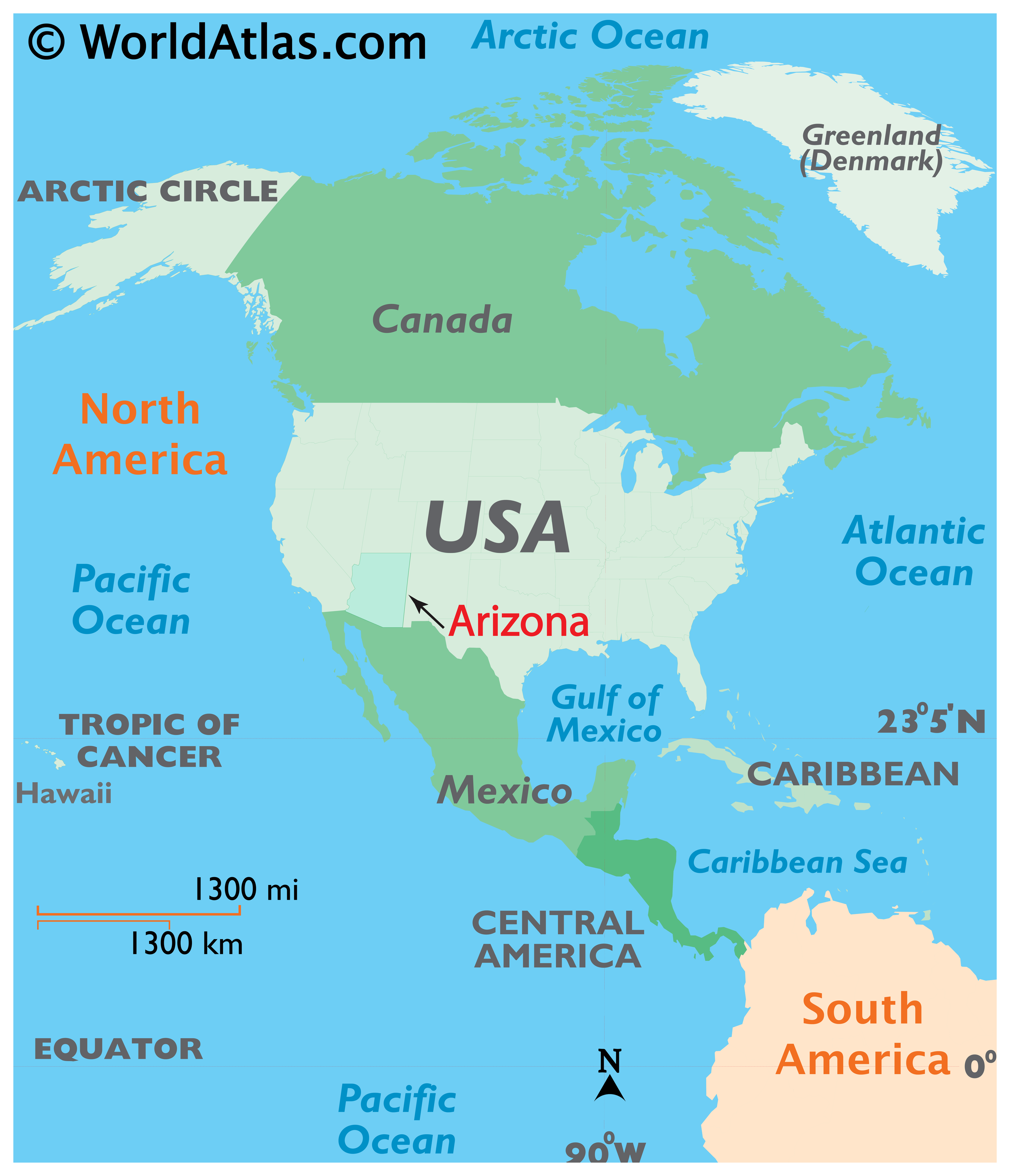
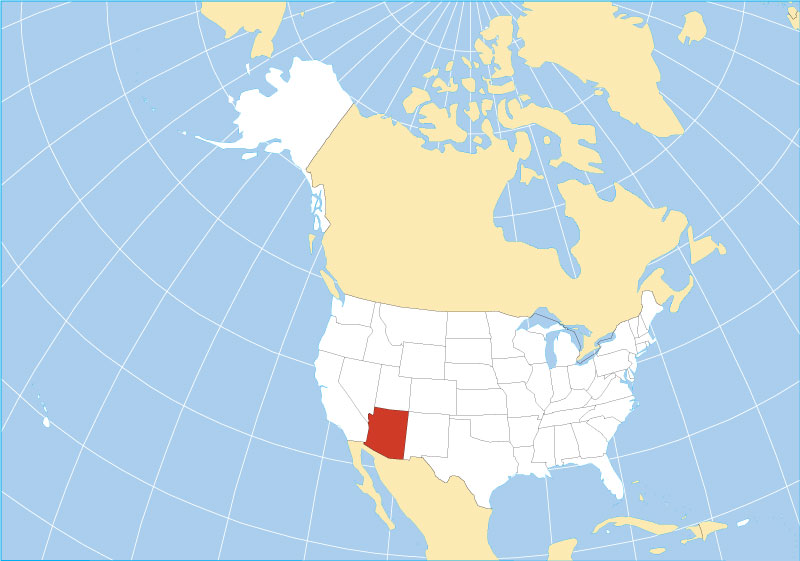
Arizona, often referred to as the “Grand Canyon State,” is a captivating destination that beckons travelers with its stark desert beauty, vibrant cultural tapestry, and awe-inspiring natural wonders. Understanding its geographical situation is the first step to unlocking the myriad experiences it offers. Located in the southwestern region of the United States, Arizona is a land of dramatic contrasts, from scorching desert floors to snow-capped mountain peaks, making it a unique stop on any travel itinerary. Its position is crucial to comprehending its distinct climate, diverse ecosystems, and the rich history shaped by both indigenous peoples and pioneering settlers. For any traveler planning an adventure into this remarkable state, pinpointing its precise location and understanding its topographical context is paramount to navigating its vast landscapes and appreciating its unique allure.
The Southwestern Jewel: Geographical Context
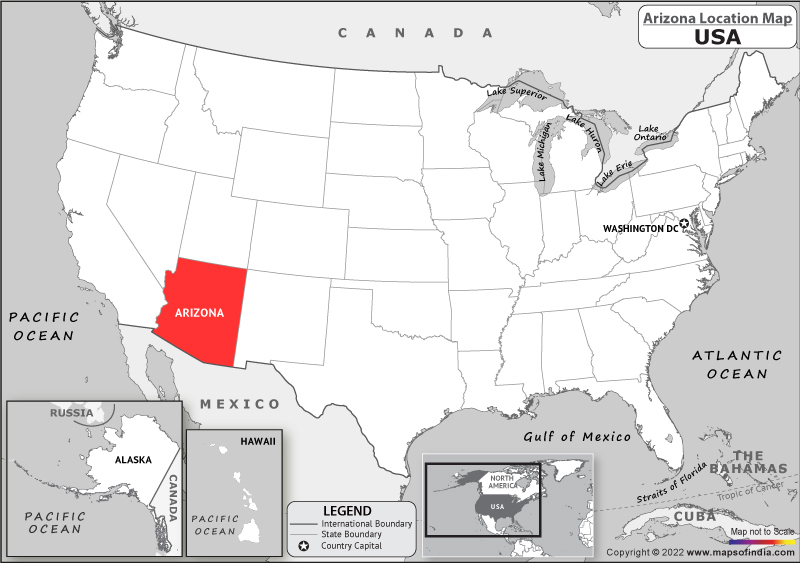
Arizona’s precise geographical placement within the Southwest United States is fundamental to its identity and the diverse travel experiences it provides. It is the sixth-largest state by area, covering approximately 113,990 square miles, offering immense scope for exploration and discovery. Its position dictates not only its climate patterns but also its rich geological formations, which are a major draw for tourists worldwide.
Borders and Neighbors
To the west, Arizona shares its border with California and Nevada, separated largely by the Colorado River, a vital waterway that has carved some of the state’s most iconic landscapes. To the north lies Utah, creating the famous “Four Corners” region where Arizona, Utah, Colorado, and New Mexico meet—a truly unique geographical phenomenon. East of Arizona is New Mexico, and its entire southern border is shared with Mexico, specifically the states of Sonora and Baja California. This proximity to Mexico has profoundly influenced Arizona’s culture, cuisine, and architecture, particularly in southern cities like Tucson and Nogales, offering travelers a rich blend of American and Mexican heritage. The confluence of these borders means Arizona serves as a crossroads of cultures and landscapes, providing easy access for travelers arriving from surrounding states or venturing north from Mexico.
Topographical Diversity
Despite its reputation as a desert state, Arizona’s topography is surprisingly varied. It encompasses three major physiographic regions. The Basin and Range region, characterizing the southern and western parts of the state, features isolated mountain ranges separated by expansive desert basins. This is where the iconic saguaro cacti forests thrive within the Sonoran Desert. Moving northward, the Central Highlands (or Transition Zone) presents a dramatic shift, with rugged mountains, pine forests, and deep canyons, serving as a transitional area between the desert lowlands and the higher plateaus. Finally, the vast Colorado Plateau dominates northern Arizona, characterized by its high elevation, sparse vegetation, and spectacular geological formations, including the incomparable Grand Canyon. This diverse topography means that within a few hours’ drive, travelers can transition from desert heat to alpine coolness, experiencing vastly different climates and scenery, from hiking sun-drenched trails to skiing on snow-covered slopes.
Climate and Seasons: A Desert Allure
Arizona’s geographical position strongly dictates its climate, which is largely arid to semi-arid. However, the state’s significant changes in elevation result in a remarkable diversity of microclimates, offering distinct seasonal experiences for travelers depending on their chosen destination within the state.
The Sonoran Desert’s Influence
The low-elevation areas of central and southern Arizona, including major cities like Phoenix and Tucson, are defined by a hot desert climate. Summers here are notoriously hot, with temperatures frequently exceeding 100°F (38°C) from June through September. This period also brings the “monsoon season” in late summer, characterized by dramatic thunderstorms, brief heavy rainfall, and impressive lightning displays—a unique spectacle for visitors. The cooler months, from October to April, are idyllic, with mild temperatures and abundant sunshine, making it prime time for outdoor activities, golf, and exploring desert landscapes. Travelers seeking warmth during winter months will find these regions particularly appealing.
High-Altitude Escapes
In stark contrast, the higher elevations of northern Arizona, such as the Colorado Plateau and areas around Flagstaff and the Grand Canyon South Rim, experience a cooler, more temperate climate. Winters bring significant snowfall, transforming the landscape into a winter wonderland perfect for skiing, snowboarding, and other cold-weather sports at resorts like Arizona Snowbowl. Summers are pleasantly mild with warm days and cool nights, providing a refreshing escape from the desert heat. This climactic diversity allows Arizona to cater to different travel preferences year-round, from sun-seekers to winter sports enthusiasts, all within the same state.
Major Cities and Hubs: Gateways to Adventure
Arizona’s key urban centers serve as vital entry points and bases for travelers, each offering a unique cultural flavor and access to different regional attractions. Their strategic locations within the state make them excellent starting points for various itineraries.
Phoenix – The Capital and Urban Core
Situated in the heart of the Sonoran Desert, Phoenix is not only Arizona’s capital but also its largest city and a major travel hub. Its Sky Harbor International Airport (PHX) is a primary gateway for domestic and international visitors. Phoenix offers a vibrant urban experience with world-class resorts, fine dining, cultural institutions like the Desert Botanical Garden and Heard Museum, and thriving arts scene. Its central location also makes it an ideal base for day trips to nearby natural attractions, including hiking trails in the surrounding Camelback Mountain and the Superstition Mountains, or a slightly longer drive to the red rocks of Sedona.
Tucson – A Blend of Culture and Nature
Located in southern Arizona, about a two-hour drive south of Phoenix, Tucson offers a distinct, more laid-back vibe with deep roots in Native American and Spanish colonial history. Surrounded by multiple mountain ranges, including the Santa Catalinas and the Rincon Mountains, Tucson is celebrated for its stunning natural beauty and outdoor activities. It’s home to the Saguaro National Park, where travelers can immerse themselves in forests of the iconic saguaro cactus. The city’s historic Barrio Viejo and vibrant culinary scene, recognized by UNESCO as a City of Gastronomy, provide rich cultural experiences. Tucson International Airport (TUS) offers another convenient entry point for southern Arizona adventures.
Flagstaff – Mountainous Retreat
Perched at an elevation of 7,000 feet in northern Arizona, Flagstaff is a dramatically different destination. Surrounded by the largest contiguous Ponderosa pine forest in the world and sitting at the base of the San Francisco Peaks, it provides a cool, mountainous escape. Flagstaff is famously a gateway to the Grand Canyon, located just 90 minutes north. It’s also an excellent base for exploring Sedona’s red rocks, the ancient cliff dwellings of Walnut Canyon, and the Wupatki National Monument. Its climate offers four distinct seasons, including a snowy winter, appealing to those seeking outdoor recreation like hiking, mountain biking, and skiing.
Iconic Destinations and Natural Wonders
Arizona’s geographical situation is inextricably linked to its most famous attractions. The raw power of geological forces and unique environmental conditions have sculpted landscapes that draw millions of travelers annually, solidifying its reputation as a premier destination for natural beauty.
The Grand Canyon: A World Heritage Site
Undoubtedly the state’s most iconic landmark, the Grand Canyon is a testament to the immense power of erosion, carved by the Colorado River over millions of years. Located in northern Arizona on the Colorado Plateau, its sheer scale and breathtaking vistas are unparalleled. Travelers can explore the South Rim, open year-round with numerous viewpoints and hiking trails, or the more remote North Rim, which offers a different perspective and is open seasonally. The Grand Canyon’s position makes it accessible from Flagstaff, Phoenix, and Las Vegas, Nevada, making it a centerpiece for many Southwest travel itineraries.
Red Rocks of Sedona
South of Flagstaff and north of Phoenix, Sedona is celebrated for its stunning crimson-hued sandstone formations that glow with vibrant intensity, especially at sunrise and sunset. Nestled in the Verde Valley, this area is renowned for its spiritual vortexes, extensive hiking and mountain biking trails, and thriving arts community. The dramatic geological setting of Sedona makes it a favored spot for outdoor enthusiasts, wellness retreats, and photographers alike, offering a different but equally spectacular natural experience from the Grand Canyon.
Monument Valley and Native American Lands
In the northeastern corner of Arizona, bordering Utah, lies the iconic Monument Valley Navajo Tribal Park. This striking landscape of towering sandstone buttes and mesas has been the backdrop for countless Western films and is instantly recognizable. Located entirely within the Navajo Nation, a visit here offers a profound cultural experience, with opportunities to learn about Navajo traditions and history. Arizona’s situation as home to more tribal lands than any other state means travelers can explore rich Native American heritage, including the Hopi Mesas and the Canyon de Chelly National Monument, offering insights into ancient cultures and living traditions.
Accessibility and Transportation: Reaching the Grand Canyon State
Arizona’s central location in the Southwest makes it highly accessible for travelers, whether by air or road. Understanding the primary transportation arteries is key to planning an efficient and enjoyable trip through its diverse regions.
Air Travel Hubs
The primary gateway for most visitors is Phoenix Sky Harbor International Airport (PHX), one of the busiest airports in the United States, offering direct flights to numerous domestic and international destinations. For those heading to southern Arizona, Tucson International Airport (TUS) provides a convenient alternative. Smaller regional airports like Flagstaff Pulliam Airport (FLG) offer limited commercial service but can be useful for direct access to northern Arizona attractions. Many travelers also opt to fly into McCarran International Airport (LAS) in Las Vegas, Nevada, especially if their itinerary focuses on the Grand Canyon’s West Rim or North Rim, given its relatively close proximity to the Arizona border.
Road Networks
Arizona is crisscrossed by an excellent network of interstates and scenic highways, making road trips a popular and highly recommended way to experience the state. Interstate 10 (I-10) runs east-west through Phoenix and Tucson, connecting California to New Mexico. Interstate 17 (I-17) connects Phoenix north to Flagstaff, serving as a crucial artery to the Grand Canyon and other northern attractions. Historic Route 66 also traverses northern Arizona, offering a nostalgic journey through charming towns like Williams and Kingman. Rental cars are readily available at all major airports, providing the flexibility needed to explore Arizona’s vast and varied landscapes at one’s own pace, making the most of its strategic location and diverse offerings.
LifeOutOfTheBox is a participant in the Amazon Services LLC Associates Program, an affiliate advertising program designed to provide a means for sites to earn advertising fees by advertising and linking to Amazon.com. Amazon, the Amazon logo, AmazonSupply, and the AmazonSupply logo are trademarks of Amazon.com, Inc. or its affiliates. As an Amazon Associate we earn affiliate commissions from qualifying purchases.