
Colorado’s culinary landscape is as diverse and dynamic as its breathtaking topography. From the rugged peaks of the Rocky Mountains to the vibrant urban centers, the Centennial State offers a distinctive gastronomic experience shaped by its history, geography, and a pioneering spirit. While often celebrated for its outdoor adventures, Colorado’s food scene is a compelling destination in itself, providing a delicious exploration of local ingredients, cultural influences, and innovative cooking. This guide delves into the key elements that define what Colorado is known for in the realm of food, offering a taste of its unique flavors and culinary heritage.

The Influence of the Rockies: High-Altitude Flavors and Local Produce
The very elevation of Colorado plays a role in shaping its food. The cooler climate and unique growing conditions at high altitudes foster specific types of produce and influence the way food is prepared. This has led to a strong emphasis on ingredients that thrive in this environment and a culinary tradition that often embraces heartier, more robust flavors.
Hearty Mountain Fare
The classic image of Colorado cuisine often conjures up hearty, comforting dishes perfect for fueling outdoor pursuits. Think warming stews, robust chili, and dishes that utilize readily available ingredients. This tradition stems from the need for sustenance in a challenging environment, and it continues to be a beloved aspect of the state’s food culture.
Farm-to-Table in the High Plains
Beyond the mountains, Colorado’s agricultural regions, particularly in the eastern plains, are a rich source of fresh produce. These areas are known for cultivating a variety of fruits and vegetables, including:
- Corn: A staple crop, Colorado corn is sweet and flavorful, appearing in countless dishes from grilled corn on the cob to creamy corn chowder.
- Potatoes: Grown extensively in regions like the San Luis Valley, Colorado potatoes are prized for their quality and versatility.
- Pinto Beans: Another significant crop, pinto beans are a fundamental ingredient in many regional specialties.
- Cherries: The western slope, particularly around Paonia and Hotchkiss, is renowned for its sweet cherries, celebrated in pies, jams, and desserts during the summer months.
- Peaches: While perhaps more famously associated with Georgia, Colorado peaches from the Palisade area are equally, if not more, celebrated by those in the know for their intense sweetness and juiciness.
The farm-to-table movement has found fertile ground in Colorado, with chefs increasingly prioritizing locally sourced ingredients. This commitment to freshness elevates simple dishes and highlights the quality of the state’s agricultural output.
Embracing Southwestern and Mexican Influences
Given its geographical proximity and historical ties, Colorado has a significant and delicious infusion of Southwestern and Mexican culinary traditions. These influences are not merely present; they are integral to the state’s identity and have spawned unique regional adaptations.
The Iconic Green Chile
Perhaps the most celebrated dish that embodies Colorado‘s Southwestern flavor profile is its distinctive green chile. Unlike its New Mexico counterpart, Colorado green chile typically features roasted Pueblo green chiles, pork, and a thicker, stew-like consistency often seasoned with cumin and oregano. It’s a dish that evokes comfort and tradition, frequently served as a breakfast burrito filling, a topping for burgers, or as a hearty stew on its own. The Pueblo chile, in particular, is a mild, sweet, and smoky pepper grown in the Pueblo region, offering a unique flavor that defines this Colorado specialty.
Tex-Mex Roots and Colorado Twists
Tex-Mex cuisine, a fusion of Texas and Mexican cooking, has also found a strong footing in Colorado. This often translates to dishes featuring:
- Enchiladas: Layered tortillas filled with cheese, meat, or vegetables, smothered in sauces like red or green chile.
- Tacos and Burritos: Versatile and beloved, these are prepared with a wide array of fillings, often incorporating local ingredients.
- Tamales: Steamed masa dough filled with various savory or sweet ingredients, a festive and traditional favorite.
Colorado chefs often add their own flair to these classics, incorporating local produce or employing unique spice blends, creating dishes that are both familiar and distinctly Colorado.
Game Meats and Outdoor Traditions
Colorado’s rich hunting heritage and abundant wildlife have naturally led to the prominence of game meats in its culinary traditions. For generations, these meats have been a vital source of sustenance and a celebrated part of the local diet.
Bison and Elk: Pillars of Colorado Cuisine
Bison and elk are arguably the most iconic game meats associated with Colorado.

- Bison: Once nearly driven to extinction, bison have made a remarkable comeback in Colorado, and their lean, flavorful meat is increasingly featured on restaurant menus and enjoyed by locals. Dishes range from bison burgers and steaks to bison chili.
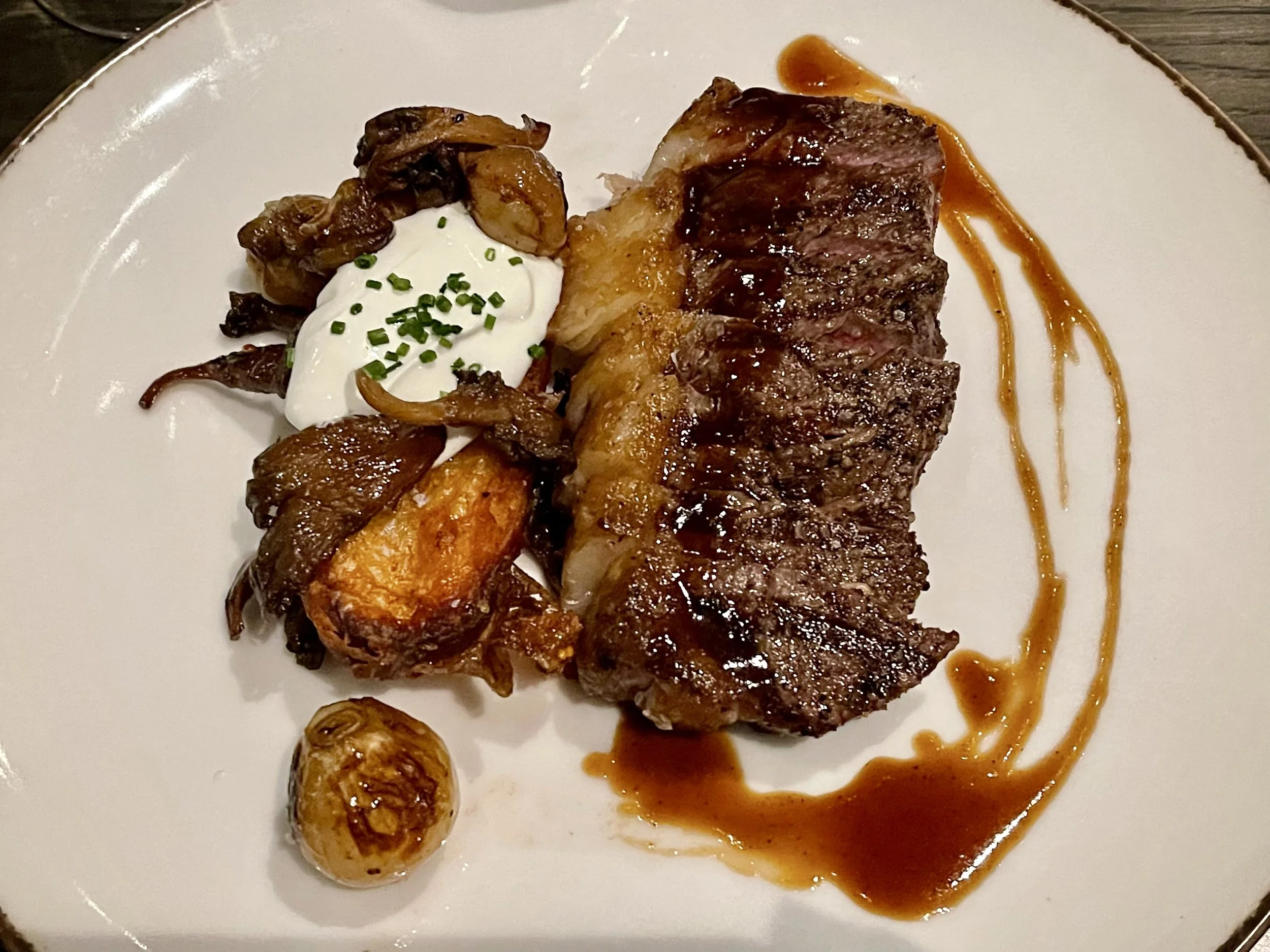
- Elk: Elk meat is known for its deep, rich flavor, often described as being similar to beef but with a more intense, slightly sweet profile. Elk medallions, roasts, and sausages are popular preparations.
The availability of these meats reflects Colorado’s connection to its wild landscapes and a desire to embrace sustainable, locally sourced protein.
Trout: A Rocky Mountain Delicacy
The pristine rivers and lakes of the Rocky Mountains are home to an abundance of trout, making it a quintessential Colorado seafood. Freshly caught or farmed trout is a staple, often prepared simply to highlight its delicate, flaky texture. Common preparations include:
- Pan-seared Trout: Often served with lemon, herbs, and butter.
- Smoked Trout: A flavorful appetizer or addition to salads.
- Baked Trout: Stuffed with vegetables and herbs.
Dining on fresh trout while surrounded by mountain vistas is a classic Colorado experience.
Innovative Culinary Scene and Craft Beverages
Beyond its traditional roots, Colorado boasts a vibrant and forward-thinking culinary scene, particularly in its urban centers like Denver and Boulder. Chefs are experimenting with global flavors, innovative techniques, and a strong commitment to sustainability, creating a dynamic and exciting food landscape.
The Rise of Craft Breweries and Distilleries
Colorado is a national leader in the craft beverage movement. The state’s high-quality water, combined with a spirit of innovation, has led to an explosion of craft breweries and distilleries.
- Craft Beer: Colorado is synonymous with exceptional craft beer. From the pioneering breweries in Fort Collins to the countless microbreweries dotting the Front Range and mountain towns, the state offers an astounding variety of styles, from crisp lagers and hoppy IPAs to rich stouts and sour ales. Many breweries are also becoming culinary destinations, offering inventive food menus that pair perfectly with their brews.
- Distilleries: A growing number of distilleries are producing high-quality spirits, including whiskey, vodka, gin, and rum, often utilizing local grains and botanicals. These establishments offer tasting rooms and tours, providing insight into the craft of spirit production.
Modern Colorado Cuisine
Contemporary Colorado cuisine is characterized by:
- Global Influences: Chefs are drawing inspiration from around the world, integrating techniques and flavors from Asia, Europe, and beyond, while still grounding their dishes in local ingredients.
- Fine Dining and Casual Eateries: Colorado offers a spectrum of dining experiences, from Michelin-starred restaurants pushing the boundaries of gastronomy to casual cafes and food trucks serving up delicious, accessible fare.
- Emphasis on Health and Wellness: Reflecting the state’s active lifestyle, there’s a growing trend towards healthy eating, with many establishments offering vegetarian, vegan, and gluten-free options, often prepared with the same care and creativity as their meat-centric counterparts.
Sweet Endings: Iconic Desserts and Treats
No exploration of Colorado food is complete without a look at its sweet offerings. From classic baked goods to unique regional treats, dessert in Colorado is a delightful experience.
The Beloved Fruit Pies
Given the state’s agricultural bounty, fruit pies are a natural fit.
- Cherry Pie: Especially around the Paonia region, cherry pie is a summer highlight, its tartness perfectly balanced by a flaky crust.
- Peach Pie: Palisade peaches lend themselves to incredibly sweet and juicy pies that are a must-try during the harvest season.
- Apple Pie: Utilizing apples grown in the western orchards, Colorado apple pies are a comforting, classic dessert.
Other Sweet Specialties
- Pecan Pie: While not exclusively a Colorado invention, pecan pie is a popular and well-executed dessert throughout the state, especially in diners and more traditional eateries.
- Cookies and Brownies: Simple, well-made cookies and rich brownies are ubiquitous and always a welcome treat, often featuring local ingredients or a creative twist.
In conclusion, Colorado’s food scene is a rich tapestry woven from its mountainous landscape, agricultural heritage, cultural influences, and a contemporary drive for innovation. Whether you’re savoring a spicy green chile, indulging in a juicy Palisade peach pie, or raising a glass of locally brewed craft beer, the flavors of Colorado offer a journey that is as memorable and rewarding as its stunning natural beauty.
LifeOutOfTheBox is a participant in the Amazon Services LLC Associates Program, an affiliate advertising program designed to provide a means for sites to earn advertising fees by advertising and linking to Amazon.com. Amazon, the Amazon logo, AmazonSupply, and the AmazonSupply logo are trademarks of Amazon.com, Inc. or its affiliates. As an Amazon Associate we earn affiliate commissions from qualifying purchases.