
Alaska, the United States’ largest state, is a land of extremes and unparalleled natural beauty. Among its most distinctive features are its dramatic light cycles, which swing from the endless daylight of the Midnight Sun in summer to prolonged periods of darkness in winter. For many travelers, the concept of “darkness” in Alaska is shrouded in mystery, often leading to questions about how long these periods last and what they mean for a travel experience. Understanding these unique light conditions is paramount to planning a memorable trip to the Last Frontier.
Understanding Alaska’s Unique Light Cycles
The perception of “darkness” in Alaska is relative, varying significantly by latitude and time of year. It’s not simply a matter of the sun setting but rather a complex interplay of astronomical phenomena that influence the length and quality of daylight.
The Science Behind the Light
The primary driver of Alaska’s extreme light cycles is the tilt of the Earth’s axis relative to its orbit around the sun. Due to this tilt, the polar regions experience prolonged periods when they are either angled towards or away from the sun. During winter, the northern hemisphere, particularly the high-latitude regions like Alaska, tilts away from the sun, resulting in shorter days and longer nights.
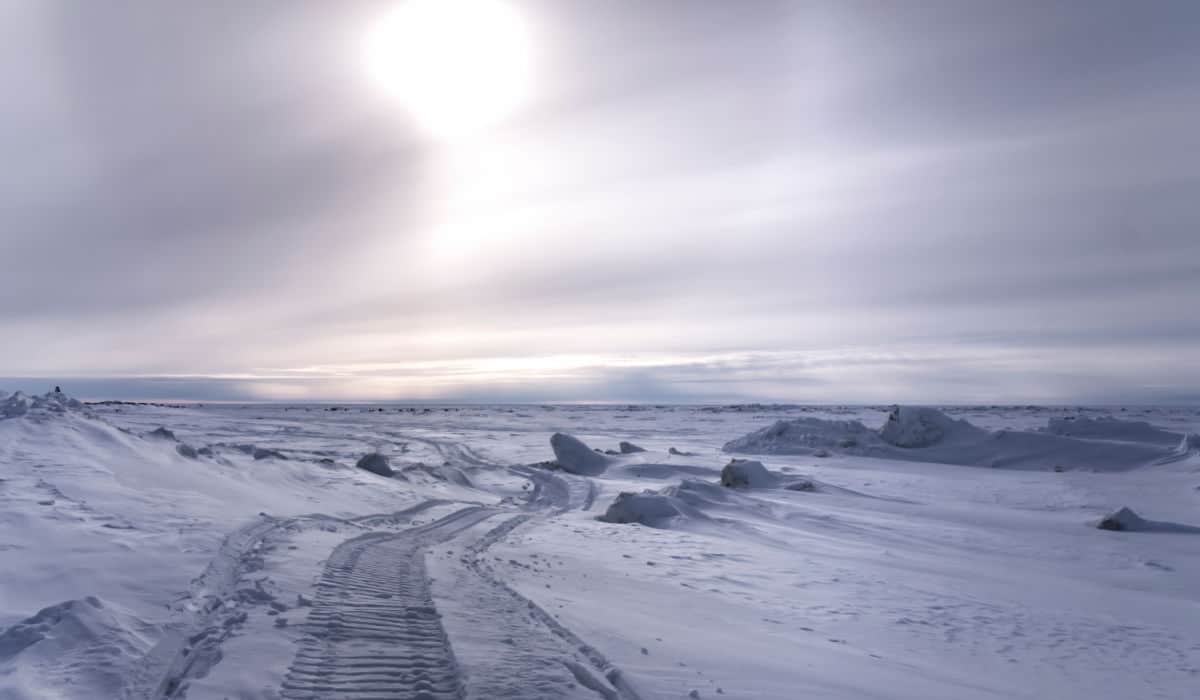
The extent of this phenomenon is directly proportional to latitude. Cities further north, such as Utqiagvik (formerly Barrow), experience the most extreme changes, including a period of complete polar night. Communities closer to the southern reaches of the state, like Juneau, still have distinctly short winter days but never experience total, continuous darkness. For example, Anchorage, the state’s largest city, sees its shortest day around the winter solstice, with approximately 5 hours and 30 minutes of daylight, while Fairbanks to the north typically gets just under 4 hours.
Defining “Darkness” for Travelers
It’s important for travelers to differentiate between absolute darkness and merely very short days.
- Polar Night: This is the most extreme form of darkness, where the sun remains below the horizon for more than 24 hours. This occurs only in the most northerly parts of Alaska, above the Arctic Circle. Utqiagvik experiences a polar night that lasts for over two months, from mid-November to late January.
- Civil Twilight: Even during periods when the sun doesn’t fully rise, there can be civil twilight, where there’s enough natural light for outdoor activities without artificial illumination. This means that even during the “darkest” days, there’s often a window of diffuse, ethereal light, typically around noon, which can be quite beautiful.
- Astronomical Twilight: This is the period when the sun is between 12 and 18 degrees below the horizon. While not bright enough for most activities without artificial light, it’s not truly pitch black.
For most of Alaska accessible to the average traveler, “darkness” generally refers to periods of significantly reduced daylight hours, rather than perpetual night. This means that even in the heart of winter, there are still several hours of daylight, albeit often low on the horizon, creating extended sunrises and sunsets that paint the sky in vibrant hues.
Seasonal Variations and Their Travel Implications
The cycle of light and dark in Alaska dictates the rhythm of life and the types of travel experiences available.
Winter: The Season of Extended Night
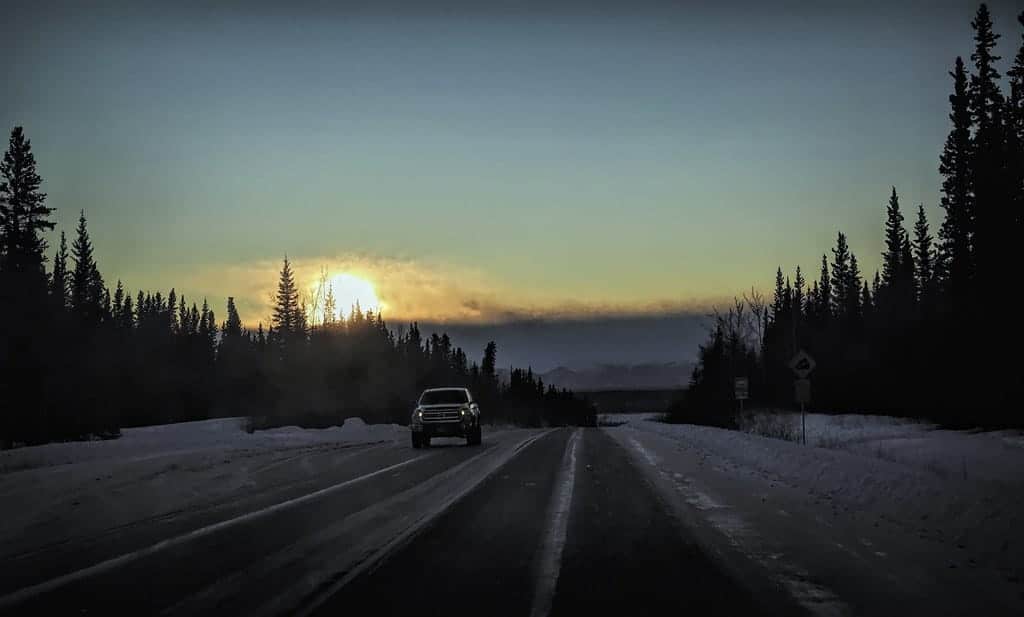
From late October through March, Alaska truly embraces its long nights. The period of most pronounced darkness typically runs from November through February. During this time, the days are short, and the nights are long, especially as one travels north.
- In Utqiagvik, the sun sets around November 18th and does not rise again until approximately January 23rd – a period of about 66 days of continuous polar night. However, even here, there are several hours of civil twilight each day, preventing absolute darkness.
- Further south, in Fairbanks, which is a popular winter destination, the shortest days around the winter solstice (December 21st) offer just under 4 hours of direct daylight. The rest of the period consists of extended twilight. From mid-November to late January, Fairbanks experiences distinctly short days, with varying degrees of twilight.
- Anchorage and Juneau have longer days compared to their northern counterparts, with around 5-7 hours of daylight during the deepest winter months.
For travelers, this means adjusting expectations and embracing the unique opportunities the darkness presents. This is prime season for witnessing the Northern Lights, enjoying snow sports under floodlights or twilight, and experiencing the cozy hospitality of Alaskan communities.
Spring and Fall: Transitional Phases
The shoulder seasons of spring (April-May) and fall (September-October) offer a gradual transition. In these months, daylight hours are rapidly increasing or decreasing.
- Fall (September-October): Days shorten noticeably, making it a good time for late-season Northern Lights viewing, especially in September before heavy snows, while still enjoying some autumnal colors. By October, particularly in northern Alaska, daylight is significantly reduced, though not to winter extremes.
- Spring (April-May): Days lengthen quickly. April still offers a chance to see the Northern Lights in the earlier hours of the night before they become less visible in May due to increasing daylight. The snow cover remains substantial, allowing for winter activities to continue under increasingly brighter skies.
These months offer a balance, providing more daylight than deep winter while still having enough darkness for celestial displays.
Summer: The Midnight Sun
While not “dark,” it’s crucial to mention the summer months (June-August) for context. This is when Alaska experiences the opposite extreme: the Midnight Sun. In the northern reaches, the sun doesn’t set for days or even weeks, offering nearly 24 hours of daylight. Even in Anchorage, midsummer boasts over 19 hours of daylight. This stark contrast highlights the incredible range of Alaska’s light cycles and dictates entirely different travel experiences.
Top Travel Experiences During Alaska’s Dark Months
Far from being a deterrent, the darker months in Alaska open up a world of unique and often magical travel opportunities.
Chasing the Aurora Borealis
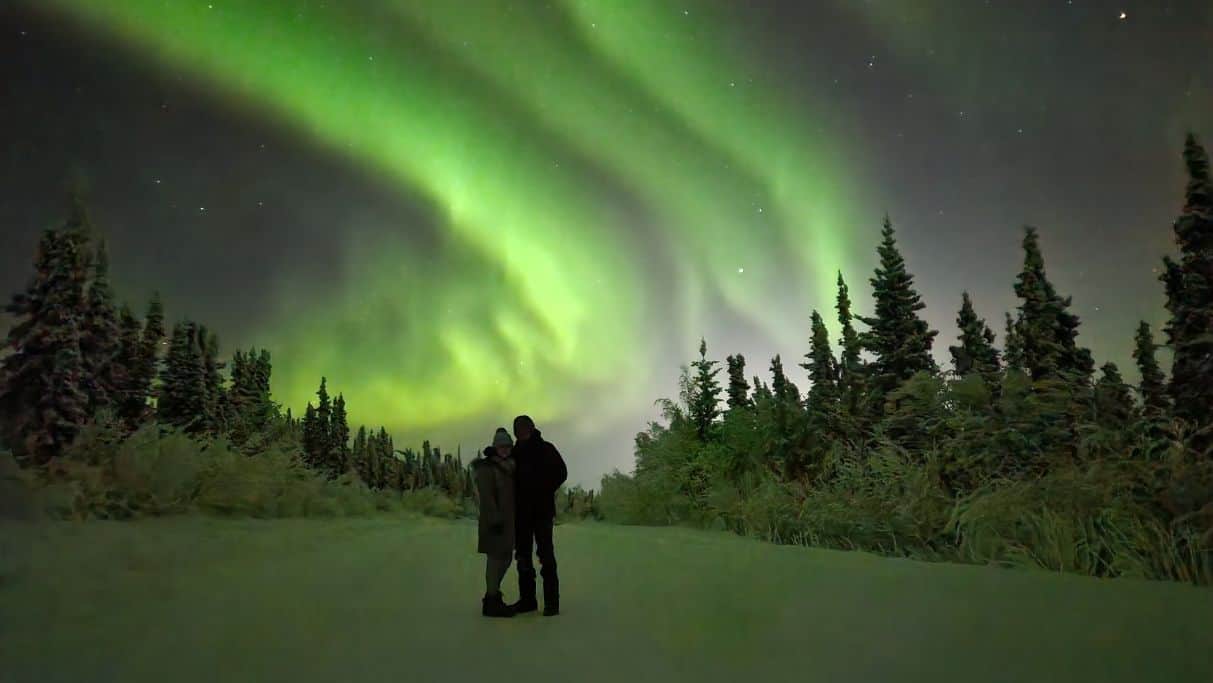
This is arguably the most compelling reason to visit Alaska during its darker periods. The long, clear, and cold nights provide the perfect canvas for the Northern Lights.
- Best Locations: Fairbanks is often cited as the best place due to its location under the auroral oval, its relative accessibility, and the frequency of clear nights. Other excellent spots include the areas around Denali National Park (outside the main season), and remote lodges in the Interior and Arctic.
- Optimal Viewing Times: The best time to see the aurora is generally from late August to April, with the peak darkness months of December to March offering the longest viewing windows. Auroras are most active between 10 PM and 3 AM.
- Tours and Accommodations: Many lodges and tour operators specialize in aurora viewing, offering heated yurts, guided photography tours, and even wake-up calls when the lights appear.
Winter Sports and Adventures
The snow-covered landscapes during Alaska’s dark months transform into a playground for winter enthusiasts.
- Dog Sledding: Experience an iconic Alaskan tradition by taking a dog sled ride or even a multi-day expedition. Many tour operators offer opportunities to meet the mushers and their dogs, even short recreational rides.
- Cross-Country Skiing and Snowshoeing: Miles of groomed trails can be found near major cities like Anchorage and Fairbanks, often lit for night skiing.
- Snowmobiling (Snowmachining): Explore vast wilderness areas on a guided snowmobile tour.
- Downhill Skiing and Snowboarding: Alyeska Resort near Girdwood offers world-class skiing with stunning views, often under the soft twilight of winter days.
- Ice Climbing and Ice Fishing: Unique adventures for the daring, often available through specialized guides.
Cultural Immersion and Cozy Retreats
The colder, darker months are also an ideal time to delve into Alaska’s rich culture and enjoy its warm hospitality.
- Museums and Cultural Centers: Spend time exploring the Anchorage Museum, the University of Alaska Museum of the North in Fairbanks, or local cultural centers to learn about Native Alaskan heritage and the state’s pioneering spirit.
- Hot Springs: Relax in the natural warmth of places like Chena Hot Springs Resort near Fairbanks, where you can soak in mineral-rich waters while potentially watching the Northern Lights dance overhead.
- Local Dining: Savor hearty Alaskan cuisine, from fresh seafood to reindeer sausage, often in cozy, welcoming restaurants.
- Winter Festivals: Many communities host festivals celebrating winter and the return of light, featuring ice sculptures, dog sled races, and other festivities.
Planning Your Trip: Tips for Traveling in Alaska’s Winter
A trip to Alaska during its darker months requires thoughtful planning to ensure a safe, comfortable, and fulfilling experience.
Managing Expectations and Mental Well-being
- Embrace the Darkness: Instead of viewing it as a limitation, see it as an opportunity for unique experiences. The dim light creates a serene and often magical atmosphere.
- Adjust Your Schedule: You might find yourself naturally sleeping more or adjusting to a later start to maximize the available daylight.
- Light Therapy: If you’re sensitive to reduced light, consider bringing a portable light therapy lamp, especially for longer stays.
- Focus on the Interior: For the most pronounced dark experiences and best aurora viewing, aim for Interior Alaska, away from coastal cloud cover.
Practical Preparations
- Packing Warm Layers: This is non-negotiable. Think wool, fleece, down, and waterproof outerwear. Insulated boots, hats, gloves, and scarves are essential. Layering allows you to adapt to changing temperatures, which can swing wildly.
- Transportation:
- Driving: Renting a 4×4 vehicle with winter tires is highly recommended if you plan to drive outside major towns. Be prepared for icy roads and reduced visibility. Check road conditions before travel.
- Flights: Winter weather can cause flight delays or cancellations, so build flexibility into your itinerary.
- Tours: Many operators offer transportation, especially for aurora viewing or remote winter activities, which can be a safer and more convenient option.
- Booking in Advance: While winter is less crowded than summer, popular aurora tours and specific accommodations can still book up quickly, especially during peak aurora season.
- Flashlight/Headlamp: A good quality flashlight or headlamp is indispensable for navigating in low light, especially outside urban areas.
Safety Considerations
- Wildlife: Animals like moose are active in winter and can be difficult to see in low light or while driving on snowy roads. Maintain caution and give them space.
- Weather: Alaskan winter weather can be unpredictable and severe. Always check forecasts and be prepared for sudden changes. Inform someone of your plans if venturing into remote areas.
- Hypothermia/Frostbite: Dress appropriately and be aware of the signs of cold-weather injuries. Don’t underestimate the cold.
- Ice Safety: Be cautious around frozen bodies of water. If unsure, assume the ice is unsafe.
Alaska’s darker months offer an authentic and profoundly beautiful travel experience that contrasts sharply with the popular summer season. By understanding the unique light cycles and planning accordingly, travelers can unlock a realm of adventure, natural wonder, and serene beauty that few other destinations can match. Far from being a drawback, the extended periods of night are a defining characteristic, inviting visitors to experience Alaska in its most magical and mysterious form.
LifeOutOfTheBox is a participant in the Amazon Services LLC Associates Program, an affiliate advertising program designed to provide a means for sites to earn advertising fees by advertising and linking to Amazon.com. Amazon, the Amazon logo, AmazonSupply, and the AmazonSupply logo are trademarks of Amazon.com, Inc. or its affiliates. As an Amazon Associate we earn affiliate commissions from qualifying purchases.