
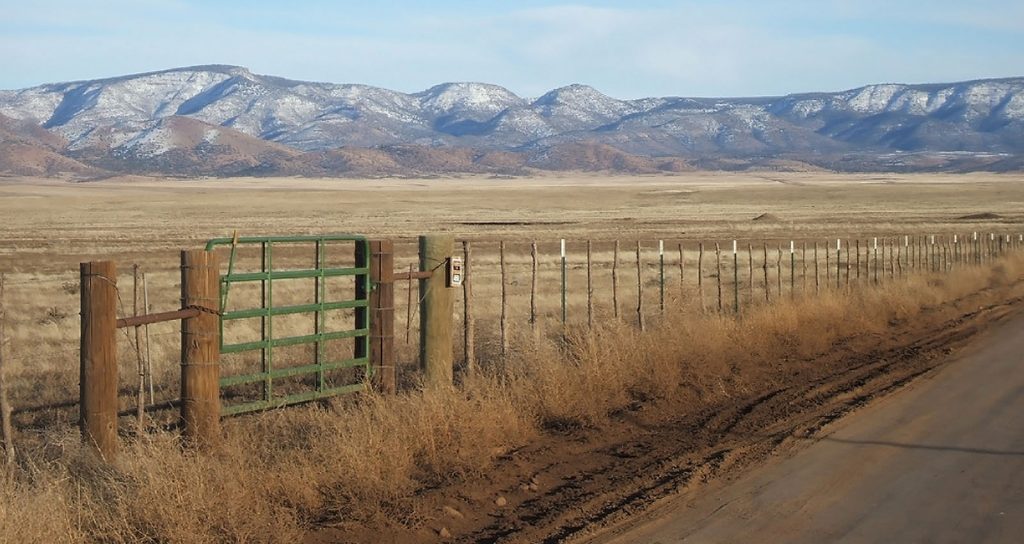
Nestled within the high desert landscape of central Arizona, Chino Valley is a gem often overlooked by travelers speeding through the state. For those seeking an authentic Western experience, a milder climate than the scorching southern desert, and a base for exploring Northern Arizona’s wonders, understanding Chino Valley’s precise location and unique appeal is the first step toward an unforgettable journey. It is a community that embodies a quiet charm, a rich agricultural history, and an ever-present connection to the vast, beautiful wilderness that surrounds it.
Unveiling Chino Valley’s Geographic Charm
Chino Valley, Arizona, is strategically positioned approximately 15 miles north of Prescott, its larger, more famous neighbor. This placement puts it squarely within what locals affectionately call the “Quad-City Area,” a cluster of communities that includes Prescott, Prescott Valley, and Dewey-Humboldt. This regional grouping creates a vibrant hub in the otherwise sparsely populated central Arizona highlands, offering a blend of rural tranquility and accessible amenities.

The Quad-City Area Context
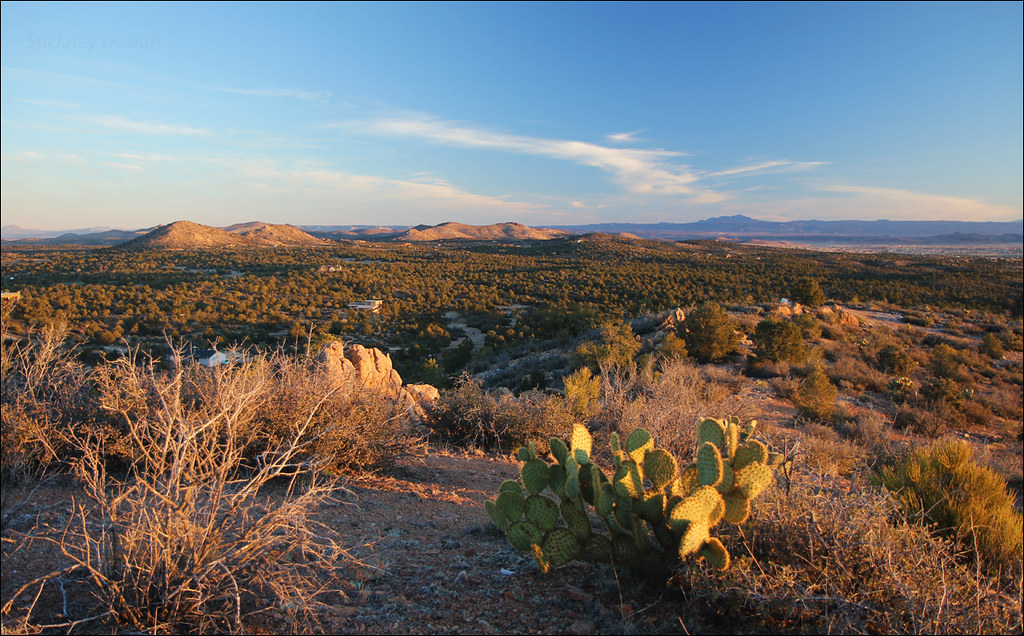
The “Quad-City Area” refers to the contiguous urban and semi-rural expanse that encompasses Prescott, Prescott Valley, Dewey-Humboldt, and Chino Valley. While each community retains its distinct character – Prescott with its historic charm and bustling downtown, Prescott Valley as a growing suburban center, and Dewey-Humboldt maintaining a more rural, equestrian feel – Chino Valley stands out for its agricultural roots and wide-open spaces. It serves as the northernmost anchor of this economic and cultural cluster, benefiting from its proximity to these larger towns while retaining a sense of peaceful detachment. Its elevation, typically around 4,600 feet, contributes to a four-season climate, distinct from the intense summer heat experienced in southern Arizona cities like Phoenix. Summers are warm but manageable, often cooled by monsoonal rains, while winters bring crisp air and occasional light snow, creating a picturesque landscape.
Accessibility and Major Routes
Accessing Chino Valley is relatively straightforward, making it an appealing destination for travelers driving from various parts of the Southwest. From Phoenix, the drive typically takes about 1.5 to 2 hours, heading north on Interstate 17 before connecting to State Route 89 in Prescott. State Route 89 is the primary artery running directly through the heart of Chino Valley, making navigation simple for visitors. For those traveling from Flagstaff or points north, the journey involves taking Interstate 17 south to State Route 169 (near Dewey-Humboldt), then west to State Route 69, and finally north on State Route 89 through Prescott to Chino Valley. The well-maintained roads offer scenic views, transitioning from saguaro-studded deserts to higher elevation grasslands and juniper forests as one approaches Chino Valley. Its location also serves as a convenient stopover for travelers venturing further north to attractions like the Grand Canyon or Sedona, offering a quieter alternative to the more bustling tourist towns.
Why Visit Chino Valley? A Blend of History and Nature
Chino Valley, Arizona, offers a refreshing escape for travelers drawn to authentic local experiences, a tangible connection to the Old West, and abundant outdoor opportunities. It’s a destination for those who appreciate tranquility, scenic beauty, and a friendly, community-oriented atmosphere. Unlike more commercialized tourist hubs, Chino Valley presents itself as a place to slow down, breathe deeply, and immerse oneself in the natural rhythms of high desert life.
A Glimpse into the Past: Ranching and Mining Heritage
The historical narrative of Chino Valley is deeply intertwined with Arizona’s pioneering spirit. Before Prescott became the territorial capital, Chino Valley briefly held that distinction in the 1860s, marking its place in the state’s foundational history. The area quickly developed into a vital agricultural center, especially for ranching and farming, supported by the relatively fertile soil of the valley. Travelers can still sense this legacy in the widespread ranches and the annual Chino Valley Territorial Days celebration, which pays homage to the town’s roots with rodeos, parades, and historical reenactments. While gold and silver mining were more prominent in nearby Prescott and Jerome, Chino Valley played a crucial role in supplying food and resources to these booming mining communities. This agricultural heritage continues to thrive today, evident in local farms, roadside produce stands, and equestrian culture, which remains a strong thread in the community’s fabric. Visitors can explore local markets and even attend equestrian events, gaining insight into a lifestyle that persists despite modern advancements.
Outdoor Adventures Await
For outdoor enthusiasts, Chino Valley serves as an excellent basecamp. Its location provides easy access to the sprawling Prescott National Forest, a haven for hiking, mountain biking, and horseback riding. Trails range from easy, family-friendly walks to challenging ascents offering panoramic views of the surrounding mountains and valleys. Popular nearby destinations for hikers include Granite Mountain and the numerous trails around Watson Lake and Willow Lake in Prescott, famous for their unique granite Dells formations, which offer fantastic opportunities for kayaking, paddleboarding, and fishing.
Birdwatching is another popular activity, with diverse habitats supporting a wide array of avian species, particularly around the local wetlands and riparian areas. The mild climate generally allows for outdoor activities year-round, though summer afternoons can be warm, and winter mornings crisp. Stargazing is also exceptional in Chino Valley due to minimal light pollution, offering breathtaking views of the Milky Way and constellations. Many local ranches offer horseback riding experiences, allowing visitors to explore the landscape in a truly authentic Western style.
Local Events and Community Spirit
Chino Valley’s community spirit is palpable, especially during its annual events. Beyond Territorial Days, the town hosts various seasonal festivals, farmers’ markets, and local gatherings that provide an intimate glimpse into its culture. These events often feature local artisans, musicians, and food vendors, creating a lively atmosphere where visitors can interact with residents and experience genuine small-town hospitality. The Chino Valley Farmers Market, in particular, is a vibrant hub showcasing the region’s agricultural bounty, from fresh produce to handmade goods. Participating in these local happenings allows travelers to move beyond typical tourist experiences and forge a deeper connection with the destination. The friendly demeanor of residents and their pride in their community are often highlighted by these events, which also serve as a great way to discover hidden gems and local favorites.
Navigating the Chino Valley Experience
To truly appreciate Chino Valley, Arizona, a traveler should approach it not as a typical resort town, but as an authentic slice of high desert life. Planning your visit with an understanding of its unique offerings will enhance your journey significantly.
Essential Planning Tips for Travelers
When planning a trip to Chino Valley, consider the time of year. Spring and fall offer the most pleasant weather for outdoor activities, with moderate temperatures and clear skies. Summer brings warmer days and the possibility of monsoonal thunderstorms, which can be dramatic and beautiful but might interrupt outdoor plans. Winters are generally mild, but occasional cold snaps and light snow are possible, especially at higher elevations.
Accommodation options in Chino Valley tend to be more modest, including locally owned motels, vacation rentals, and RV parks, reflecting its less commercialized nature. For a wider range of hotels and amenities, nearby Prescott offers numerous choices, from historic inns to modern chains. Renting a car is highly recommended as public transportation is limited, and exploring the surrounding natural attractions requires personal mobility. Be sure to check local event calendars before your trip to catch any festivals or markets.
Nearby Attractions Worth Exploring
While Chino Valley offers its own quiet charm, its proximity to other renowned Arizona destinations makes it an ideal central point for day trips. Just a short drive south, Prescott beckons with its historic downtown square, Whiskey Row, numerous museums, and the stunning Watson Lake and Willow Lake. To the east, the historic ghost town of Jerome, perched precariously on Mingus Mountain, offers a fascinating dive into mining history and incredible panoramic views. Further east lies Sedona, famous for its vibrant red rock formations and spiritual vortexes, offering world-class hiking, jeep tours, and art galleries. The Verde Valley Wine Trail, encompassing several award-winning wineries, is also within easy reach, offering delightful tasting experiences amidst picturesque vineyards. For those willing to venture further, the majestic Grand Canyon is a feasible, albeit long, day trip to the north, creating an opportunity to witness one of the world’s most breathtaking natural wonders.
Dining and Local Flavors
Chino Valley’s culinary scene reflects its small-town character, focusing on casual, hearty fare. You’ll find classic American diners, family-style restaurants, and establishments serving comforting Southwestern and Mexican cuisine. Many eateries emphasize fresh, local ingredients, a testament to the area’s agricultural bounty. Don’t expect gourmet Michelin-starred restaurants, but rather friendly service and generous portions. Local cafes are perfect for a morning coffee and breakfast burrito, while steak houses and grills offer substantial meals after a day of exploration. Exploring these local establishments provides an authentic taste of Chino Valley’s community and offers a chance to chat with locals about their favorite spots and hidden gems.
Preparing for Your Journey to Chino Valley
A well-planned trip to Chino Valley, Arizona, ensures a comfortable and enriching experience, allowing you to fully embrace its unique character and the surrounding natural beauty.
Best Time to Visit
The shoulder seasons of spring (April to May) and fall (September to October) are arguably the best times to visit Chino Valley. During these months, temperatures are mild and pleasant, ideal for hiking, horseback riding, and exploring outdoor attractions. Wildflowers bloom in spring, painting the desert in vibrant colors, while the fall brings crisp air and beautiful foliage in the surrounding higher elevations. Summer (June to August) can be warm, with average highs in the 90s°F (30s°C), often punctuated by dramatic monsoon thunderstorms in the late afternoons, which provide a temporary cooling effect. Winter (November to March) offers cooler temperatures, with occasional light snowfall that can transform the landscape into a serene, picturesque scene. If you enjoy cooler weather and fewer crowds, winter can be a charming time to visit, especially for cozy evenings by a fire.
What to Pack
Given the four distinct seasons and varied outdoor activities, smart packing is key. For spring and fall visits, layers are essential as temperatures can fluctuate significantly between day and night. Comfortable hiking shoes are a must for exploring trails. Bring a hat, sunscreen, and sunglasses regardless of the season, as the Arizona sun is always strong. If visiting in summer, pack light, breathable clothing, a wide-brimmed hat, and a reusable water bottle to stay hydrated. For winter travel, include warmer layers, a coat, gloves, and a hat, especially if you plan to be out early mornings or late evenings. Binoculars are highly recommended for birdwatching and wildlife spotting, and a camera to capture the stunning landscapes is a given. Always remember to carry plenty of water, especially when venturing out on trails, as the dry high desert air can lead to quicker dehydration.
LifeOutOfTheBox is a participant in the Amazon Services LLC Associates Program, an affiliate advertising program designed to provide a means for sites to earn advertising fees by advertising and linking to Amazon.com. Amazon, the Amazon logo, AmazonSupply, and the AmazonSupply logo are trademarks of Amazon.com, Inc. or its affiliates. As an Amazon Associate we earn affiliate commissions from qualifying purchases.