
Coolidge, Arizona, a name that often piques curiosity due to its presidential association and its setting within the stark beauty of the Sonoran Desert, holds a distinct place on the map of the American Southwest. For travelers seeking authentic experiences away from the bustling metropolises, understanding the location and character of Coolidge is the first step towards an enriching journey. This guide delves into its geographical placement, historical roots, and the unique allure that makes it a compelling destination for those exploring Arizona’s cultural and natural landscapes.
Locating Coolidge on the Arizona Map
Nestled in the heart of Pinal County, Coolidge occupies a strategic position roughly equidistant between Arizona’s two largest cities, Phoenix and Tucson. Specifically, it is situated approximately 56 miles (90 kilometers) southeast of Phoenix and about 69 miles (111 kilometers) north of Tucson. This makes it an accessible and convenient stop for travelers journeying between these urban centers or for those embarking on a deeper exploration of central Arizona.
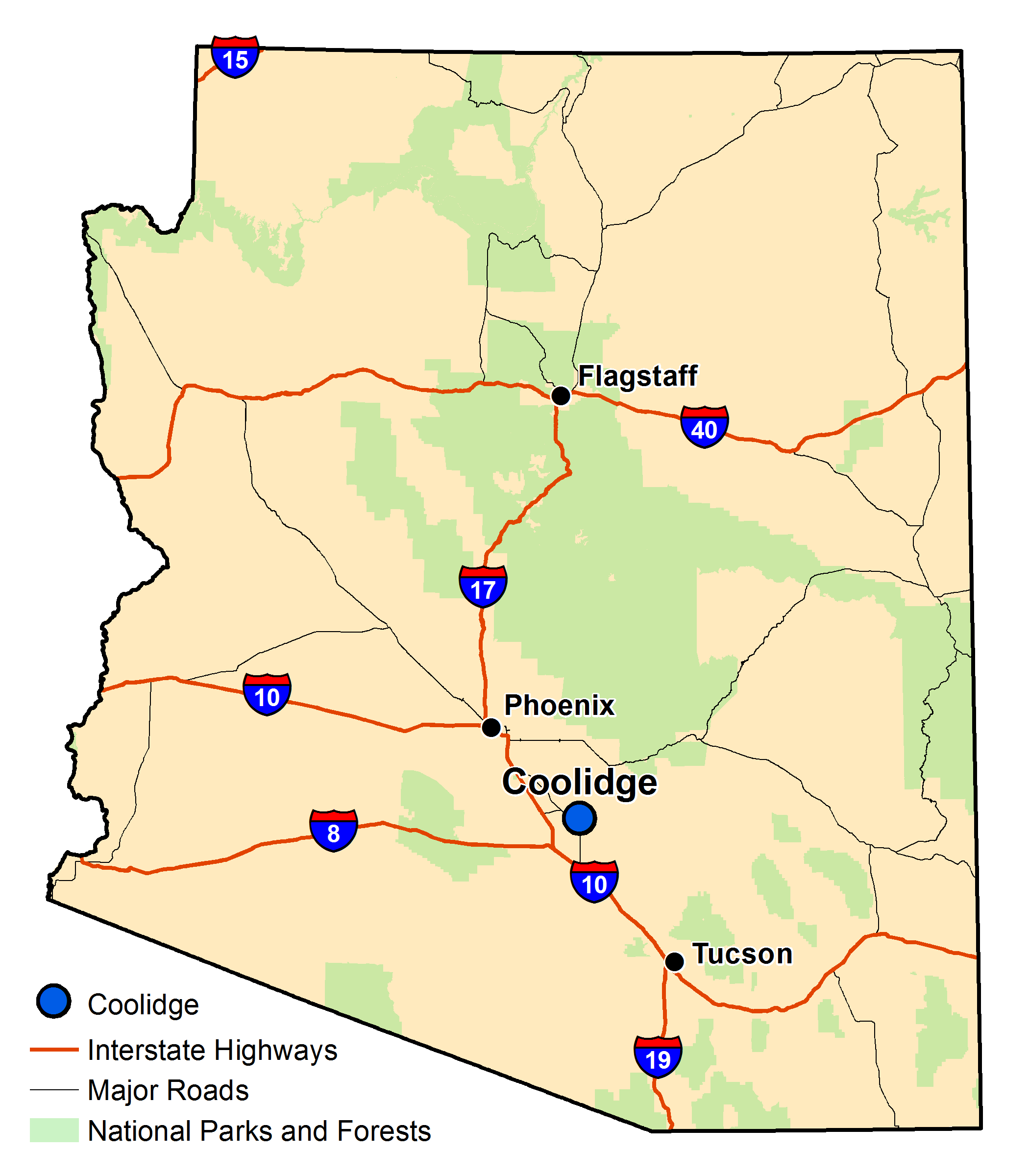
The town is primarily accessed via Arizona State Route 87, which runs directly through it, connecting north to Phoenix and south towards Casa Grande and Tucson. Its precise geographical coordinates are approximately 32.97° N latitude and 111.53° W longitude.
The landscape surrounding Coolidge is quintessential Sonoran Desert – vast, flat expanses punctuated by iconic saguaro cacti, mesquite trees, and creosote bushes. The distant mountains, particularly the Picacho Peak State Park to the south, provide a dramatic backdrop to the town’s agricultural fields and developed areas. This geographical context is vital, as it influences everything from the local climate, characterized by hot summers and mild winters, to the very industries and lifestyles that define Coolidge. The clarity of the desert air and the expansive horizons offer a unique sense of place that is distinctly Arizonan.
The Heart of Pinal County
While its location is straightforward, the identity of Coolidge is deeply intertwined with its historical development and its role within Pinal County. The town was officially incorporated in 1945, but its roots stretch back much further, primarily driven by the burgeoning agricultural sector in the early 20th century.
Coolidge was named in honor of Calvin Coolidge, the 30th President of the United States, who authorized the construction of the Coolidge Dam on the Gila River. This dam, a monumental engineering feat of its time, was integral to the San Carlos Irrigation Project, which transformed large tracts of arid desert into fertile farmland. The availability of water allowed for extensive cultivation of cotton, alfalfa, and other crops, solidifying Coolidge’s status as a vital agricultural hub. Even today, agriculture remains a significant component of the local economy and a visible aspect of the surrounding landscape.
The town itself grew around this agricultural backbone, developing a close-knit community spirit that is still palpable. Its grid-like street plan, typical of many Arizona towns, speaks to its planned development. While it may not boast the sprawling resorts or vibrant nightlife of its larger neighbors, Coolidge offers a genuine slice of rural Arizona life, characterized by a slower pace and a strong sense of local heritage. This authenticity is precisely what makes it an intriguing stop for travelers seeking depth over dazzle.
What Makes Coolidge a Destination?
Beyond its geographical coordinates and historical narrative, Coolidge offers unique attractions and experiences that appeal to history buffs, outdoor enthusiasts, and those simply looking to explore a different facet of Arizona.
The Casa Grande Ruins National Monument

Without a doubt, the crown jewel of Coolidge and its primary draw for travelers is the Casa Grande Ruins National Monument. This remarkable site preserves a large, multi-story structure built by the ancient Hohokam people over 700 years ago. “Casa Grande,” meaning “Great House” in Spanish, refers to the four-story caliche structure that stands as the centerpiece of the monument. It served as a central meeting place, trading hub, and potentially an astronomical observatory for the Hohokam farming community.
Designated as the very first archaeological preserve in the United States in 1892, and later as a National Monument in 1918 by President Woodrow Wilson, the ruins offer an unparalleled glimpse into the sophisticated pre-Columbian cultures of the Southwest. Visitors can explore the interpretive trails, learn about the Hohokam’s advanced irrigation systems, and marvel at the architectural ingenuity that allowed them to thrive in the desert. The visitor center provides insightful exhibits, ranger-led tours, and educational programs, making it an essential stop for anyone interested in American history and archaeology. The towering structure, protected by a modern shade roof, is a testament to the enduring legacy of indigenous peoples and a powerful reminder of ancient desert civilizations.
Exploring the Local Culture and Community
Beyond the ancient ruins, Coolidge invites travelers to experience its contemporary small-town charm. The town hosts various local events throughout the year, from agricultural fairs to community festivals, which offer opportunities to engage with residents and sample local fare. The downtown area, though modest, features local businesses, eateries, and a sense of community pride. These interactions provide a contrast to the grandeur of the ruins, painting a complete picture of life in this part of Arizona, where past and present coexist. Supporting local businesses helps sustain the unique character of the town and offers travelers authentic souvenirs and dining experiences.
Gateway to Sonoran Desert Adventures
Coolidge’s location in the Sonoran Desert makes it an ideal base for exploring the region’s natural beauty. While the town itself is flat, the surrounding areas offer numerous opportunities for outdoor activities. Birdwatching is popular, with many migratory and resident species thriving in the desert ecosystem. Scenic drives along lesser-traveled roads can reveal stunning desert vistas, vast agricultural lands, and breathtaking sunsets. For those interested in more active pursuits, nearby areas like Picacho Peak State Park offer hiking trails ranging from easy walks to challenging climbs with panoramic views. The desert ecosystem is fragile and fascinating, encouraging travelers to embrace responsible tourism practices while exploring.
Planning Your Visit to Coolidge
For travelers considering a trip to Coolidge, timing and logistics are key to maximizing the experience.
Best Time to Visit
The most comfortable time to visit Coolidge and the broader Sonoran Desert is during the cooler months, from October through April. During this period, temperatures are mild and pleasant, ideal for exploring outdoor attractions like the Casa Grande Ruins and engaging in hiking or other outdoor activities. Summers (May to September) are intensely hot, with temperatures often exceeding 100°F (38°C), making outdoor exploration challenging, especially during midday. If visiting in summer, plan activities for early mornings or late evenings and stay hydrated.
Accessibility and Transportation
Coolidge is best accessed by car. It is an easy drive from both Phoenix Sky Harbor International Airport (PHX) and Tucson International Airport (TUS), typically taking just over an hour from either location. Rental cars are readily available at both airports. Public transportation options to Coolidge are limited, so having a personal vehicle is essential for independent exploration of the town and its surrounding attractions. The roads in and around Coolidge are well-maintained, making for a smooth driving experience.

Combining with Other Arizona Destinations
Given its central location, Coolidge can easily be integrated into a larger Arizona itinerary. Many travelers visit it as a day trip from Phoenix or Tucson, often combining it with other nearby attractions such as Picacho Peak State Park, the city of Casa Grande (which also has its own historical sites and a vibrant downtown), or the Pinal County Historical Society Museum in Florence. For those interested in desert flora and fauna, the Boyce Thompson Arboretum State Park is also within a reasonable driving distance to the northeast. A well-planned route can turn a visit to Coolidge into a comprehensive exploration of central Arizona’s diverse offerings, bridging ancient history with modern desert life.
LifeOutOfTheBox is a participant in the Amazon Services LLC Associates Program, an affiliate advertising program designed to provide a means for sites to earn advertising fees by advertising and linking to Amazon.com. Amazon, the Amazon logo, AmazonSupply, and the AmazonSupply logo are trademarks of Amazon.com, Inc. or its affiliates. As an Amazon Associate we earn affiliate commissions from qualifying purchases.