
Arizona, a land sculpted by time, elements, and dramatic geological forces, holds within its vast expanses various manifestations of “fire”—both literal and metaphorical. Far from being a state solely defined by its scorching summers, Arizona’s identity is deeply intertwined with a fiery past, an ecological present shaped by flames, and a visual grandeur that evokes intense heat and color. For those exploring its iconic landmarks, understanding this multifaceted relationship with fire offers a richer appreciation of its natural wonders and historical narratives.
Ancient Flames: Arizona’s Volcanic Landmarks and Fiery Geology
The very bedrock of Arizona tells a story of intense heat and geological upheaval. Millions of years ago, vast stretches of the state were alive with volcanic activity, leaving behind a legacy of unique and breathtaking landmarks. These ancient fires have cooled and solidified, but their presence remains etched into the landscape, drawing visitors from around the globe to witness their grandeur.

Echoes of Eruptions: Sunset Crater Volcano National Monument and San Francisco Volcanic Field
Northeast of Flagstaff, the San Francisco Volcanic Field stands as a testament to Arizona’s fiery genesis. This expansive field, encompassing hundreds of volcanoes, cinder cones, and lava flows, is home to the state’s highest peak, Humphreys Peak, which is itself a stratovolcano. While now dormant, the landscape around it speaks volumes of its explosive past. The most striking and recent example of this geological fire is Sunset Crater Volcano National Monument. Erupting just over 900 years ago, Sunset Crater is a pristine cinder cone, its reddish-orange summit glowing like a perpetual sunset. The surrounding lava flows, known as the Bonito Lava Flow, with their jagged, black formations, are a stark reminder of the immense power unleashed by the Earth’s interior. Hiking through these areas allows visitors to walk on land directly shaped by molten rock, feeling the raw, ancient fire beneath their feet.
Geothermal Wonders and Subterranean Heat
While active geysers are not a prominent feature of Arizona’s landscape, the lingering warmth of its geological past can be sensed in subtle ways. Throughout the state, particularly in areas near historical volcanic activity or along fault lines, subterranean heat sources manifest in various forms. Hot springs, though often rustic and undeveloped, offer a glimpse into the earth’s internal fire, providing natural warmth and minerals to those who seek them out. These thermal springs, often tucked away in remote canyons or wilderness areas, are natural landmarks in themselves, offering unique experiences that connect visitors to the planet’s internal processes. Furthermore, some historic mining towns, born from the extraction of minerals forged by ancient geological heat and pressure, serve as landmarks to a different kind of “fire” – the industrious spirit fueled by the earth’s bounty.
Nature’s Inferno: The Ecological Role of Fire in Arizona’s Natural Landmarks
Beyond its geological history, fire plays a critical, albeit sometimes destructive, role in the contemporary ecology of Arizona’s natural landmarks. For millennia, wildfires have shaped the state’s forests, grasslands, and deserts, acting as a natural cleansing and regenerative force. Understanding this dynamic relationship is crucial for appreciating the resilience and evolving beauty of these iconic landscapes.
Essential Cycles: Fire’s Impact on Grand Canyon National Park and Forest Ecosystems (Kaibab National Forest, Tonto National Forest)
Many of Arizona’s most celebrated natural landmarks, including vast swaths of Grand Canyon National Park and the immense Kaibab National Forest, are characterized by diverse ecosystems that have co-evolved with fire. For instance, the Ponderosa Pine forests, prevalent across the Colorado Plateau, rely on frequent, low-intensity fires to clear undergrowth, promote new growth, and reduce fuel loads, thereby preventing more catastrophic blazes. Fires recycle nutrients, create diverse habitats, and thin out less resilient trees, ensuring a healthier, more robust forest. Similarly, the diverse landscapes of the Tonto National Forest, which ranges from saguaro-studded deserts to high-elevation pine forests, also experience fire as a natural process. While seemingly destructive, these fires are integral to the long-term health and biodiversity of these cherished natural landmarks, influencing everything from plant succession to wildlife populations.
Managing the Blaze: Protecting Iconic Landscapes and Visitor Safety
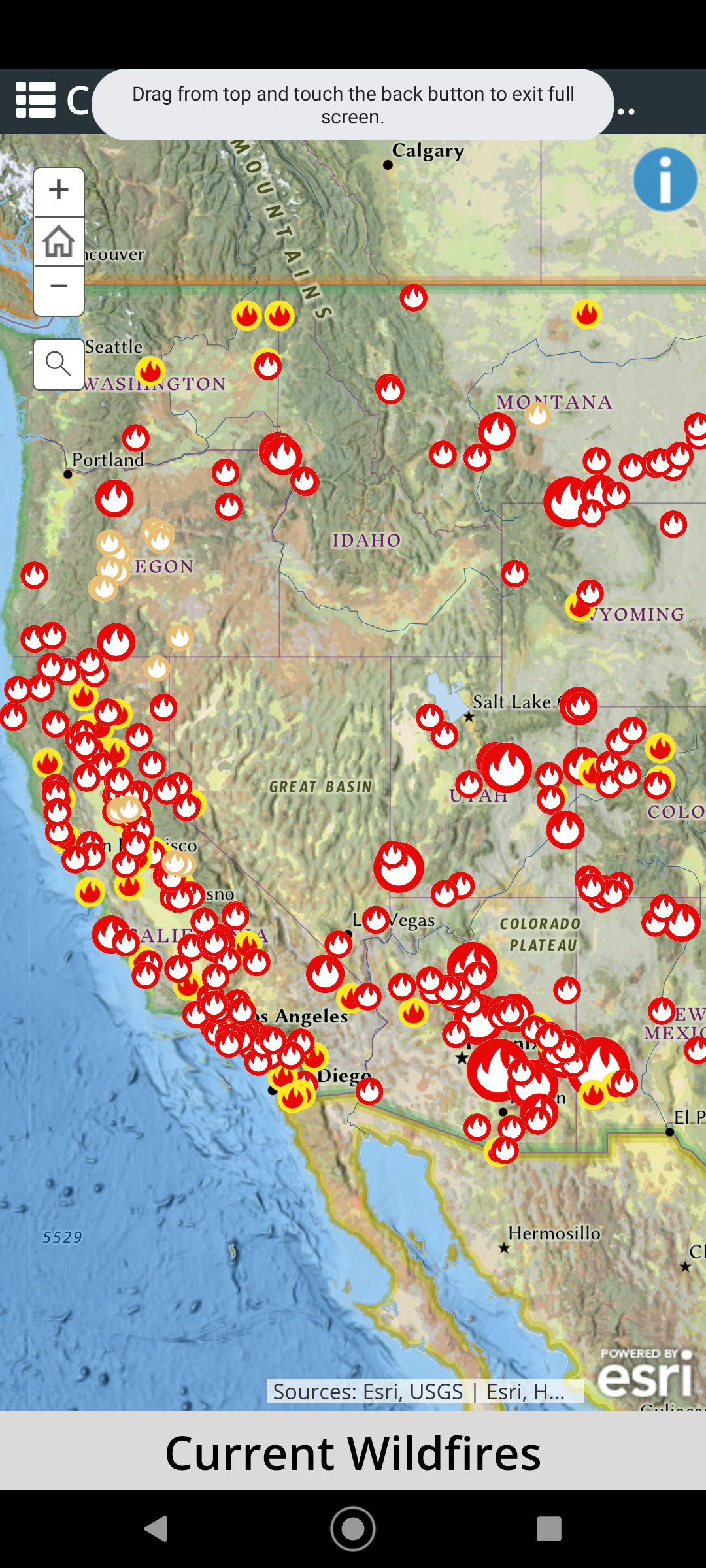
In the modern era, the relationship between fire and Arizona’s landmarks is carefully managed. Agencies like the National Park Service and the U.S. Forest Service employ sophisticated fire management strategies, including prescribed burns and mechanical thinning, to mimic natural fire regimes and protect both the ecological integrity of these areas and the safety of visitors. These efforts are particularly vital in areas like Sedona, where iconic red rock formations are bordered by dense vegetation, or around vital infrastructure within the Grand Canyon. The goal is to allow beneficial fires to play their ecological role while minimizing the risk of devastating, uncontrollable megafires that could irrevocably alter cherished natural landmarks, endanger communities, and disrupt visitor experiences. Controlled burns, often visible from a distance, are a deliberate form of “fire” being placed in the landscape to ensure its long-term health and resilience.
The Illusion of Fire: Arizona’s Luminous Landmarks at Dawn and Dusk
Perhaps the most universally appreciated “fire” in Arizona is the visual spectacle created by sunlight interacting with its unique geology. The state is renowned for its breathtaking sunrises and sunsets, which paint the sky and landscape in hues of crimson, orange, and gold, making its natural landmarks appear to be ablaze with an ethereal flame.
Crimson Canyons: The Grand Canyon and Sedona’s Red Rock Formations
Nowhere is this illusion more pronounced than at the Grand Canyon and Sedona’s red rock country. At the Grand Canyon, as the sun dips below the horizon or peeks above it, the layers of rock within the immense chasm transform into a vibrant tapestry of reds, oranges, and purples. The interplay of light and shadow, combined with atmospheric conditions, creates an impression of an internal glow, as if the canyon itself is smoldering. Similarly, in Sedona, the iconic red rock formations—such as Cathedral Rock and Bell Rock—ignite with an unparalleled intensity during the golden hours. The iron oxides in the sandstone reflect and amplify the warm light, giving the impression that these colossal natural sculptures are on fire. Visitors gather at designated viewpoints, cameras in hand, to capture these fleeting moments when the landscape seems to burn with silent, breathtaking splendor.
Fiery Skies: Capturing the Desert’s Dramatic Palette over Natural Wonders
Beyond the immediate rock formations, Arizona’s expansive desert skies often contribute to this fiery illusion. Dust particles, moisture, and unique atmospheric conditions act as a prism, refracting sunlight into a spectacular array of colors. Over landmarks like the Superstition Mountains near Phoenix or the vast open spaces of the Sonoran Desert, the sky itself becomes a canvas of burning reds and vibrant oranges, mirroring the intense heat of the day in a dazzling display. These “fiery skies” cast a magical glow over the unique cacti, rugged mountains, and ancient saguaro forests, transforming familiar natural landmarks into scenes of dramatic, almost otherworldly beauty. For landscape photographers and nature enthusiasts, capturing these moments is a pilgrimage, seeking to immortalize the transient fire that bathes Arizona’s natural wonders.
Historical and Cultural Fires: Shaping Arizona’s Landmark Narrative
Fire, in its various forms, has not only sculpted the physical landscape but also influenced the historical narratives and cultural identities tied to Arizona’s landmarks. From indigenous practices to the challenges of modern preservation, the element of fire has left an indelible mark.
Indigenous Perspectives: Fire as a Sacred Element in Ancestral Lands
For the indigenous peoples of Arizona, fire has always been more than a destructive or regenerative force; it is a sacred element, central to spiritual practices, land management, and survival. Tribes such as the Hopi, Navajo Nation, and Apache have long understood fire’s nuanced role in shaping the landscapes they inhabit and cherish as ancestral lands. Traditional ecological knowledge often included sophisticated uses of fire for hunting, agriculture, and maintaining healthy forests and grasslands. These practices, conducted over millennia, contributed to the biodiversity and resilience of many areas that are now recognized as natural landmarks. For these communities, the presence of fire in the landscape is a continuation of a profound, spiritual relationship with the land, acknowledging its power to cleanse, nourish, and transform. Their ancient connection to fire is a vital part of the history of Arizona’s most significant cultural and natural landmarks.

Legacy of Wildfires: Past Events and Their Enduring Mark on Protected Areas and Historic Sites
The history of Arizona is also punctuated by significant wildfires that have left lasting imprints on both its natural landmarks and the human communities nestled within them. Historic fires, such as those that have periodically swept through the forests surrounding Prescott or the mountainous regions near Payson, have not only reshaped the immediate environment but also spurred significant shifts in land management policies and emergency preparedness. These events serve as stark reminders of the vulnerability of both natural beauty and human settlements to the power of uncontrolled flames. In some cases, historical structures within or adjacent to natural landmarks have been directly threatened or lost to wildfires, prompting the development of fire-resistant building codes and strategic defensible space initiatives. The scar tissue of past fires on mountainsides or the regrowth patterns in previously burned forests are themselves a form of historical landmark, visible evidence of Arizona’s ongoing dance with the element of fire. They tell a story of destruction, resilience, and the continuous effort to live in harmony with a fiery, yet beautiful, landscape.
LifeOutOfTheBox is a participant in the Amazon Services LLC Associates Program, an affiliate advertising program designed to provide a means for sites to earn advertising fees by advertising and linking to Amazon.com. Amazon, the Amazon logo, AmazonSupply, and the AmazonSupply logo are trademarks of Amazon.com, Inc. or its affiliates. As an Amazon Associate we earn affiliate commissions from qualifying purchases.