
Nestled within the rugged heart of Arizona, Fossil Creek emerges as a pristine natural wonder, a vibrant ribbon of turquoise water carving its way through a verdant canyon. Far from the bustling metropolises and well-trodden tourist paths, this designated Wild and Scenic River offers a rare glimpse into an untouched riparian ecosystem, renowned for its crystal-clear, mineral-rich waters and travertine dams. The question “Where is Fossil Creek Arizona?” often precedes a desire for adventure and an escape into nature, pointing visitors towards one of the state’s most cherished and carefully managed natural attractions. Understanding its location and the journey required to reach it is the first step in experiencing this extraordinary destination.

Locating Arizona’s Hidden Gem
Fossil Creek is situated in central Arizona, primarily within the boundaries of the Coconino National Forest and bordering the Tonto National Forest. Its remote location is a significant part of its charm and preservation, providing a stark contrast to the desert landscapes typical of much of the state. The creek flows for 14 miles from its perennial springs until it converges with the Verde River. The most popular and accessible recreational areas are found along the middle and lower sections of the creek, which are managed by the Forest Service to protect its delicate environment.
Geographical Context and Access Points
The primary access points to Fossil Creek are from two distinct directions, each offering a unique approach and experience. The most common route for day-use access to the swimming holes and hiking trails is via a rugged, unpaved road that descends into the canyon.
From the north, visitors typically drive through the charming town of Strawberry. This route involves turning south onto Fossil Creek Road (FR 708) from State Route 260. The road, also known as the Fossil Creek Scenic Road, is a gravel and dirt path that winds steeply down for about 14 miles into the canyon. While offering breathtaking views of the Mogollon Rim and surrounding forests, it is crucial to note that this road is unpaved, narrow in sections, and can be challenging for low-clearance vehicles, especially after rain or snow. It is generally closed during winter months (typically December to March) due to hazardous conditions.
From the south, access is primarily through Camp Verde, connecting from Interstate 17. From Camp Verde, visitors take SR 260 east, then turn onto Fossil Creek Road (FR 502) towards the river. This route is typically less challenging than the northern approach but still involves unpaved sections and requires careful driving. It also leads to different recreational sites along the creek, including those closer to the historic hydroelectric dam site and the junction with the Verde River.
Regardless of the approach, it’s essential for travelers to plan their journey meticulously. Cellular service is virtually non-existent in the canyon and along most of the access roads, necessitating a detailed map and self-reliance. The nearest major cities, Phoenix and Sedona, are a couple of hours’ drive away, making Fossil Creek an ideal day trip destination or a multi-day adventure for those camping nearby.
The Allure of Fossil Creek: A Natural Oasis
What sets Fossil Creek apart from other natural areas is its year-round flow of spring water, maintained at a refreshing 70 degrees Fahrenheit (21 degrees Celsius), even in the scorching Arizona summer. This constant, cool flow supports a vibrant ecosystem rarely seen in the arid Southwest, creating a lush riparian corridor that is a magnet for both wildlife and humans seeking respite. The creek’s unique hydrological characteristics and geological formations contribute to its status as a significant ecological and recreational treasure.
Unique Features and Geological Significance
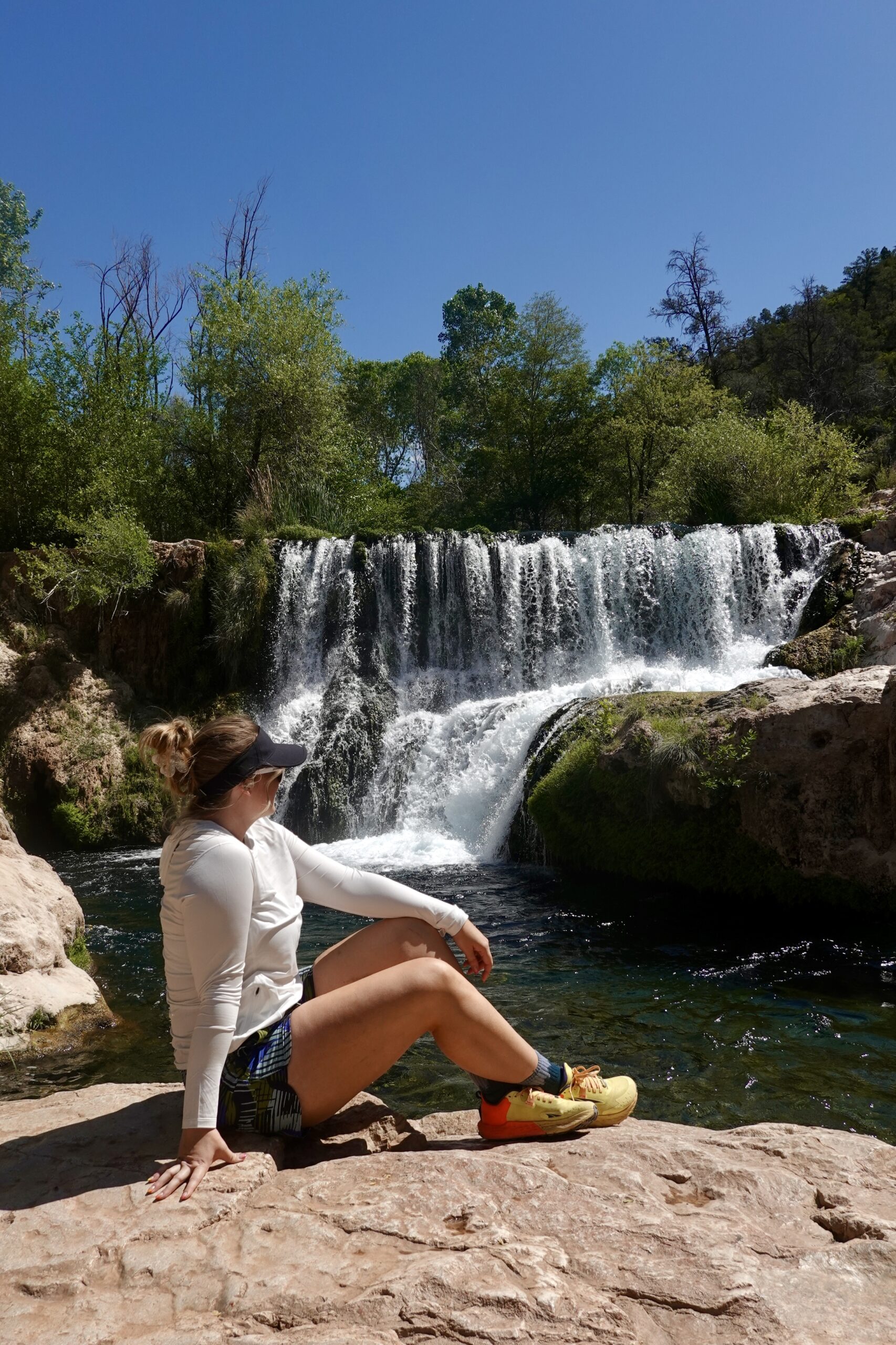
The most iconic features of Fossil Creek are its “fossils,” which are not ancient remains of organisms, but rather mineral deposits known as travertine. These fascinating formations are created by the calcium carbonate-rich waters from the springs, which precipitate out of solution as the water flows, forming intricate, natural dams, terraces, and waterfalls. Over millennia, these deposits have sculpted the creek bed into a series of stunning cascades, deep pools, and picturesque grottoes, including the renowned Fossil Creek Falls. The continuously growing travertine structures are a living testament to the creek’s geological processes, giving the creek its distinctive name and appearance.
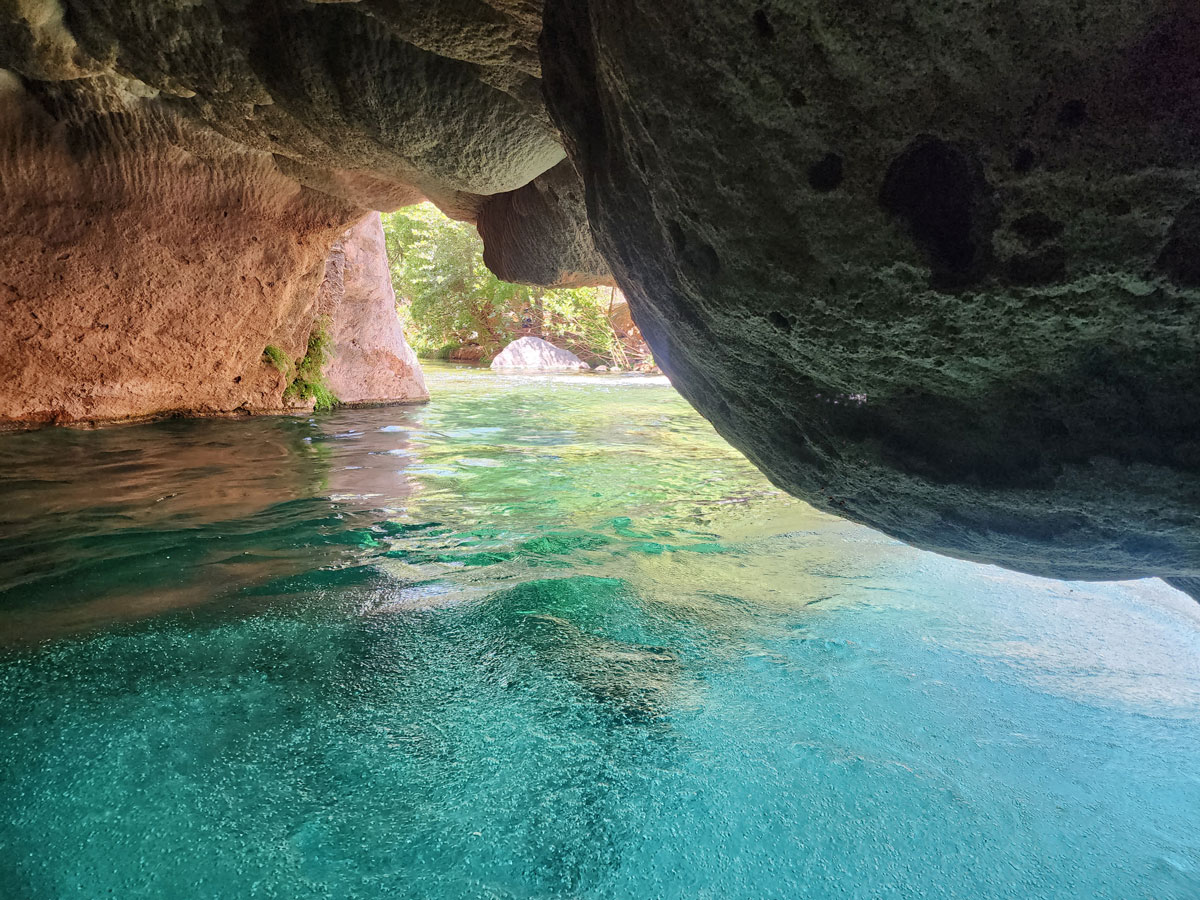
The water quality itself is exceptional. Originating from deep underground springs in the Mogollon Rim, the water is naturally filtered and emerges with remarkable clarity, allowing for incredible visibility into its emerald and sapphire depths. This clarity, combined with the consistent temperature, creates an ideal habitat for aquatic life and an inviting environment for swimmers.
Flora, Fauna, and the Riparian Ecosystem
The lushness surrounding Fossil Creek is a stark contrast to the surrounding desert scrub and pine forests. This riparian zone supports a diverse array of plant life, including towering sycamores, cottonwoods, and willows, which provide essential shade and habitat. The cooler microclimate nurtures ferns, mosses, and a variety of wildflowers, particularly vibrant in spring.
Fossil Creek is also a critical habitat for numerous species of wildlife. It serves as a refuge for native fish, many of which were reintroduced after the removal of a century-old hydroelectric dam in 2008, restoring the creek to its natural flow. This restoration project was a landmark conservation success, transforming the creek from an industrial power source back into a thriving wild river. Birdwatchers can spot a variety of avian species, including raptors, waterfowl, and migratory songbirds. Mammals such as deer, javelina, and even occasional black bears also frequent the area, drawn by the perennial water source. The vibrant biodiversity underscore the creek’s importance as a natural heritage site.
Planning Your Expedition: Permits and Preparation
Due to its immense popularity and the delicate nature of its ecosystem, access to the most popular recreation sites along Fossil Creek is strictly managed. A permit system is in place to limit visitor numbers, ensuring that the creek’s beauty and ecological integrity are preserved for future generations while providing a high-quality experience for those who visit.
The Permit System Explained
From April 1st through October 1st, a day-use permit is required to visit the recreation sites along Fossil Creek accessible via the Fossil Creek Road (FR 708 and FR 502) in the Coconino National Forest. These permits are released monthly, typically on the first day of the preceding month, and are often snatched up within minutes. Permits are site-specific, meaning you select a particular parking zone, and each permit covers one vehicle.
The permit system aims to distribute visitors evenly, minimize environmental impact, and enhance safety by preventing overcrowding. Visitors must apply for permits online through Recreation.gov. It is crucial to secure a permit well in advance, especially for weekend visits or holidays, as walk-in permits are not available. During the non-permit season (October 2nd to March 31st), no permits are required, but access roads may be closed due to weather, and facilities are limited.
Camping within the Fossil Creek Wild and Scenic River corridor is generally prohibited. However, dispersed camping is permitted in designated areas outside the permit zone along the Fossil Creek Road or in nearby national forests like the Prescott National Forest or the Coconino National Forest, subject to local regulations.
Essential Gear and Safety Considerations
A visit to Fossil Creek requires careful preparation to ensure both enjoyment and safety.
Vehicle: A high-clearance vehicle is highly recommended, especially for the northern access road (FR 708), and often essential after rain. Ensure your tires are in good condition.
Navigation: Download offline maps or bring physical maps, as GPS and cell service are unreliable.
Water: Bring plenty of water – at least one gallon per person per day, even if you plan to swim. The Arizona sun and physical activity can quickly lead to dehydration.
Food: Pack snacks and a lunch, as there are no services or stores in the canyon. “Pack it in, pack it out” is strictly enforced.
Sun Protection: Wide-brimmed hats, sunglasses, and reef-safe sunscreen are essential due to intense UV exposure.
Footwear: Water shoes or sturdy sandals are ideal for navigating the rocky creek bed and entering the water. Hiking boots are recommended for trails.
First Aid: A comprehensive first-aid kit is critical for minor injuries, as emergency services are distant.
Safety: Be aware of rapidly changing weather, especially during monsoon season, which can cause flash floods. Never jump into water without checking depth and submerged hazards. Always inform someone of your itinerary.
Adhering to Leave No Trace principles is paramount. Pack out all trash, respect wildlife, and stay on designated trails to minimize your impact on this fragile environment.
Unforgettable Experiences at Fossil Creek
Once the planning and permit acquisition are complete, the true magic of Fossil Creek unfolds. The destination offers a range of activities that cater to nature enthusiasts, adventurers, and those simply seeking tranquility.
Water Activities: Swimming, Hiking, and Photography
The primary draw of Fossil Creek is undoubtedly its spectacular water. The cool, clear pools are perfect for swimming, offering a refreshing escape from the Arizona heat. Many visitors enjoy floating in the gentle currents, exploring the various cascades, and discovering hidden grottoes formed by the travertine deposits. Fossil Creek Falls, a majestic waterfall plunging into a deep pool, is a highlight and a popular spot for relaxation and photography.
Beyond swimming, the area boasts several hiking trails that wind along the creek and into the surrounding wilderness. The Fossil Springs Wilderness trail system offers opportunities for more strenuous hikes to the actual springs where the creek originates, though this requires significant elevation gain and is a full-day commitment. Shorter, less challenging trails lead to different swimming holes and viewpoints, allowing visitors to explore the unique travertine formations and lush vegetation.
Photographers will find endless inspiration in Fossil Creek’s vibrant blues and greens, the intricate textures of the travertine, and the interplay of light and shadow in the canyon. From wide-angle landscape shots to close-ups of riparian flora, every turn offers a new perspective.
Nearby Attractions and Extended Stays
While Fossil Creek itself can fill a day or more, its central Arizona location makes it a great base for exploring other nearby attractions. The charming towns of Strawberry and Pine offer quaint shops, local eateries, and a glimpse into small-town Arizona life. The larger communities of Sedona with its iconic red rocks and spiritual vortexes, and Prescott with its historic Whiskey Row, are within a reasonable driving distance, providing additional opportunities for dining, lodging, and cultural experiences.
For those interested in extending their stay in nature, several national forest campgrounds are located within the Coconino National Forest and Tonto National Forest, offering a more immersive experience. The Verde River also provides opportunities for kayaking, fishing, and further exploration of Arizona’s unique waterways. A trip to Fossil Creek is more than just a visit; it’s an immersive journey into one of Arizona’s most treasured natural sanctuaries, promising an unforgettable blend of adventure, tranquility, and unparalleled natural beauty.
LifeOutOfTheBox is a participant in the Amazon Services LLC Associates Program, an affiliate advertising program designed to provide a means for sites to earn advertising fees by advertising and linking to Amazon.com. Amazon, the Amazon logo, AmazonSupply, and the AmazonSupply logo are trademarks of Amazon.com, Inc. or its affiliates. As an Amazon Associate we earn affiliate commissions from qualifying purchases.