
A Glimpse into Arizona’s Heart: Understanding the Half-Staff Tradition
For visitors exploring the vibrant landscapes and rich culture of Arizona, encountering flags flying at half-staff can be a somber and thought-provoking sight. While the immediate impulse might be to wonder about a specific event, understanding this solemn tradition is an integral part of experiencing the local culture and truly appreciating the state’s community spirit. Flags lowered to half-staff are not just a symbol of mourning; they are a public declaration of respect, remembrance, and solidarity, often reflecting a significant moment in the state’s or nation’s history, or a profound loss within its community. For tourists, this visible sign offers a unique window into the collective conscience of Arizona, signaling a pause for reflection amidst the usual bustle of sightseeing.
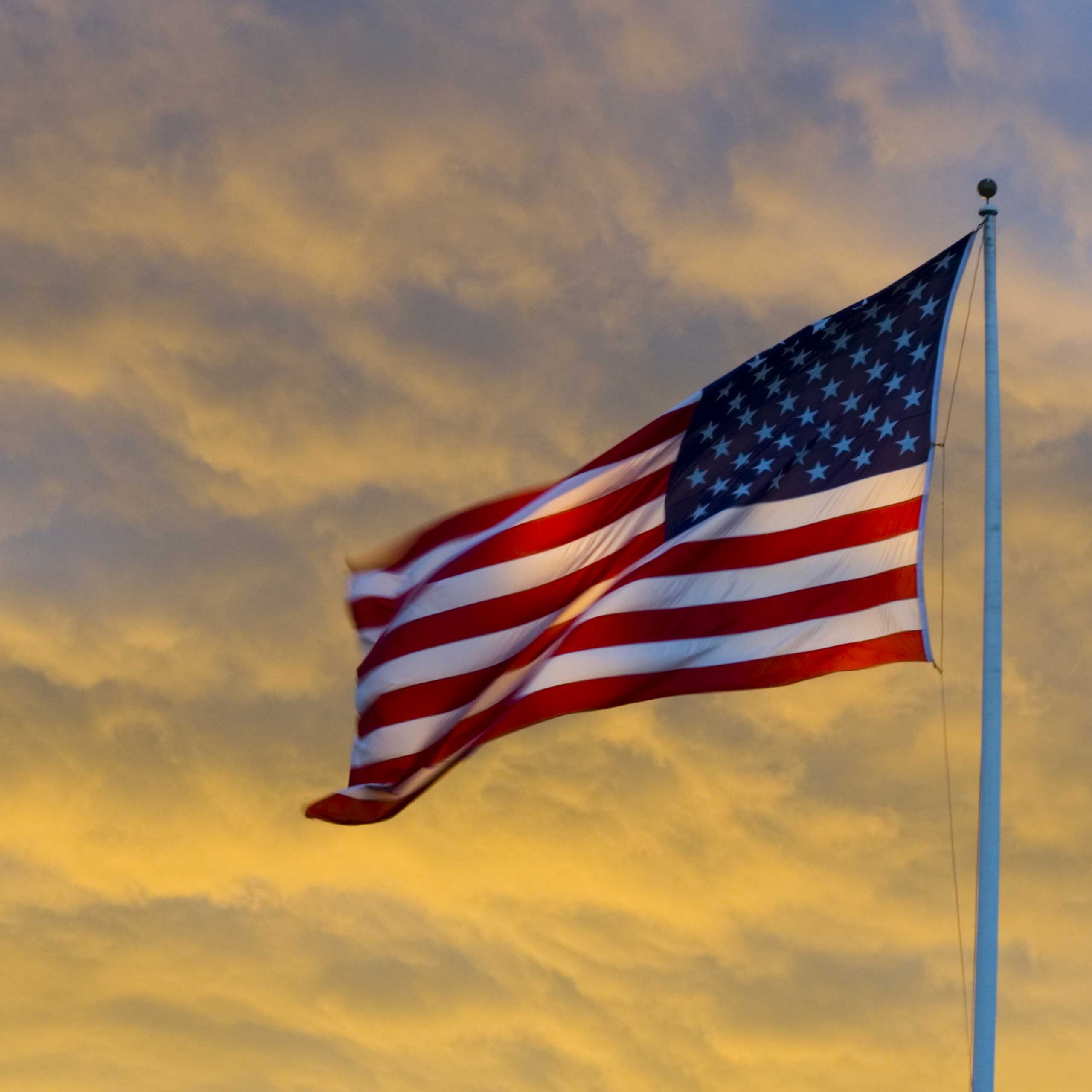
Unlike a casual observation, recognizing a half-staff flag means tapping into a deeper layer of the local narrative. It might point to the passing of a revered public servant, a tragic incident that has impacted many lives, or a significant anniversary commemorating a historical event. The act itself is a universally understood gesture of respect, but its specific timing and reason provide context that can enrich a visitor’s understanding of the destination. In a state known for its resilience and strong community bonds, these moments highlight the values that Arizonans hold dear, demonstrating their capacity for collective empathy and remembrance. Paying attention to these subtle cues allows visitors to move beyond mere observation and engage with the destination on a more meaningful, human level, fostering a deeper connection with the place and its people.
The Directives: Why Flags Are Lowered in the Grand Canyon State
The decision to fly flags at half-staff in Arizona typically follows specific protocols, often initiated by the Governor of Arizona or in response to a directive from the President of the United States. These directives are not arbitrary; they are issued for reasons of significant statewide or national importance, ensuring that the act of lowering flags carries the gravitas it deserves.
State-Level Commemorations
At the state level, the Governor of Arizona may order flags to be flown at half-staff to honor a variety of individuals or events. This often includes the passing of a current or former prominent state official, such as a state legislator, a judge, or a key leader who has made significant contributions to Arizona. For instance, if a former Governor of Arizona or a beloved long-serving member of the Arizona State Legislature were to pass away, it is customary for flags to be lowered across state buildings, including the Arizona State Capitol in Phoenix.
Beyond individuals, state directives might also commemorate anniversaries of significant Arizona tragedies or heroic acts. A poignant example might be the annual commemoration of the Yarnell Hill Fire that claimed the lives of 19 Granite Mountain Hotshots. Such anniversaries serve as a powerful reminder of sacrifices made and foster a sense of collective memory and respect among Arizonans. These solemn observances, while not daily occurrences, are deeply ingrained in the state’s cultural fabric and contribute to its identity.
National Directives and Their Local Impact
Arizona, like all other states, also adheres to national directives issued by the President of the United States. These directives often declare periods of national mourning for figures of national importance, such as a former President or a national hero, or in response to nationwide tragedies. When such a directive is issued, flags are lowered across all federal and state institutions, including those in Arizona, from national parks like the Grand Canyon to local government buildings in cities like Tucson and Scottsdale.
For a tourist, encountering flags at half-staff due to a national directive offers a broader perspective on the American experience, showing how local communities connect to national events and shared sentiments. It underscores a sense of unity and shared responsibility in commemorating significant moments that transcend state borders, yet are observed with equal solemnity in places as diverse as Sedona’s red rock country or the bustling streets of Mesa.
Navigating Your Visit: How Half-Staff Days Shape the Arizona Tourist Experience
While flags at half-staff primarily serve as a symbol of remembrance, their presence can subtly shape the atmosphere and overall experience for tourists exploring Arizona. It’s not about disruptions or closures, but rather a change in the ambient mood that can offer a deeper, more reflective dimension to your visit.
Atmospheric Shifts
The most immediate impact is often an atmospheric shift. Areas where flags are prominently displayed—such as government buildings, historical sites, and major public spaces—may feel more subdued. This quiet solemnity, while not overtly changing the functionality of tourist attractions, can prompt visitors to reflect. For example, a visit to the Arizona Capitol Museum might feel particularly poignant on a day when flags are lowered for a fallen public servant, enhancing the historical narrative with a sense of current reverence. Similarly, exploring the historic streets of Flagstaff or the mission grounds in Yuma might take on a more reflective tone.
Many businesses and private citizens also voluntarily lower their flags, extending the visual message of mourning and respect throughout communities. This widespread observance underscores a shared community sentiment, making it a visible part of the local culture even in popular tourist hubs like Old Town Scottsdale or the art galleries of Sedona. For the observant traveler, this collective pause can highlight the human connection that underpins even the most scenic and recreational visits.
Minimal Operational Impact, Maximum Cultural Insight

It is important to note that days of flag mourning rarely affect the operational hours or accessibility of tourist attractions. Museums, parks, restaurants, and tours generally continue as scheduled. The Grand Canyon National Park, for instance, will remain open and fully operational, even if flags at its entrance stations are at half-staff. The intent is to honor and remember, not to disrupt daily life or commerce.
Instead, the primary impact is cultural. It provides an opportunity for visitors to witness and participate, albeit passively, in a moment of collective remembrance. This can lead to more meaningful interactions with locals, as shared solemnity can sometimes bridge cultural gaps. Understanding the “why” behind the half-staff flag enriches the tourist experience by offering an authentic glimpse into the state’s civic life and its deep-seated values. It moves a trip from simply seeing sights to understanding the heartbeat of a community.
Engaging Respectfully: Tips for Tourists During Times of Commemoration
For visitors encountering flags at half-staff in Arizona, understanding how to engage respectfully with the local atmosphere is key to a meaningful travel experience. While no specific actions are typically required of tourists, a thoughtful approach demonstrates cultural sensitivity and appreciation.
Observe and Reflect
The simplest and most profound way to engage is through observation and reflection. Take a moment to acknowledge the lowered flags and consider their significance. This subtle act of recognition can deepen your understanding of the local community’s values. If you are near a monument or a public space where people might be gathered for a memorial, maintaining a respectful distance and a quiet demeanor is always appropriate. Avoid loud conversations or boisterous behavior in such areas, out of deference to those who may be mourning.
Many public buildings or websites of state institutions will often publish the reason for flags being at half-staff. A quick search for “flags at half-staff Arizona” can provide context, offering insight into the specific individual or event being honored. This informational awareness can transform a casual observation into an educational moment, connecting you more deeply with the current events shaping the community you are visiting.
Support Local Businesses with Sensitivity
During periods of local mourning, continue to support local businesses, but do so with an awareness of the prevailing mood. Restaurants, shops, and attractions in cities like Phoenix or Tucson will continue to operate, and your patronage is always welcomed. However, a slightly more subdued approach, a quieter tone, or an understanding nod can go a long way in showing respect. This doesn’t mean canceling plans, but rather adjusting your demeanor to align with the community’s reflective state.
This respectful engagement is particularly important if your visit coincides with an anniversary of a local tragedy, like the September 11th attacks or a specific Arizona event. While attractions remain open, certain memorial sites or public art installations might become focal points for local remembrance. Approaching these sites with a sense of solemnity and respect for those commemorating profound losses contributes positively to the overall community experience.
Beyond the Flag: Deeper Dive into Arizona’s Commemorative Culture
The half-staff flag is a powerful visual, but Arizona’s commemorative culture extends beyond this single symbol. For tourists interested in a deeper cultural dive, understanding other ways the state honors its past and its people can provide a richer, more nuanced experience. These cultural expressions are often intertwined with the state’s unique history, from its Native American roots to its pioneering spirit and modern-day resilience.
Memorials and Monuments
Arizona is home to numerous memorials and monuments that serve as permanent tributes to significant events and individuals. Visiting sites like the Wesley Bolin Memorial Plaza in Phoenix, which features various memorials to Arizonans who have served or sacrificed, offers a continuous opportunity for reflection. The USS Arizona Memorial Gardens at Salt River in Scottsdale provides a profound connection to the state’s military history and its link to Pearl Harbor. These permanent fixtures offer insights into the values and historical narratives that shape the state, regardless of whether flags are currently at half-staff.
Exploring these sites, even on an ordinary day, allows visitors to connect with the ongoing threads of memory and tribute woven into the fabric of Arizona. They represent a continuous act of remembrance, ensuring that significant events and heroic deeds are never forgotten.

Community Events and Observances
Throughout the year, various communities across Arizona host events and observances that commemorate local history, cultural figures, or community milestones. These might range from historical reenactments in Tombstone to cultural festivals in Native American nations, or local parades honoring veterans in smaller towns. While not always somber, many of these events carry elements of remembrance and honor.
For example, understanding the significance of Veterans Day parades in Phoenix or the annual Wickenburg Gold Rush Days (which celebrate pioneer history) gives a broader perspective on how Arizonans acknowledge their heritage. These events, combined with the solemn practice of flying flags at half-staff, paint a comprehensive picture of a state that deeply values its past and honors those who have contributed to its unique identity. Engaging with these aspects of Arizona’s commemorative culture enriches any travel itinerary, transforming a simple visit into an educational and emotionally resonant journey.
LifeOutOfTheBox is a participant in the Amazon Services LLC Associates Program, an affiliate advertising program designed to provide a means for sites to earn advertising fees by advertising and linking to Amazon.com. Amazon, the Amazon logo, AmazonSupply, and the AmazonSupply logo are trademarks of Amazon.com, Inc. or its affiliates. As an Amazon Associate we earn affiliate commissions from qualifying purchases.