
Alabama, a state steeped in profound history, vibrant culture, and breathtaking natural beauty, beckons travelers with a diverse array of destinations. From the solemn grounds of the Civil Rights Movement to the pristine beaches of the Gulf Coast and the innovative spirit of its space exploration hubs, the Heart of Dixie offers an unforgettable journey. Visitors can delve into pivotal moments of American history, explore sprawling state parks, or simply relax by the sparkling emerald waters. Each region presents its unique charm, promising an experience tailored to every interest, whether seeking historical enlightenment, outdoor adventure, or coastal tranquility. This guide navigates the must-visit locations across the state, ensuring a comprehensive and enriching travel itinerary.
Journey Through History and Civil Rights
Alabama stands as a foundational pillar in American history, particularly concerning the Civil Rights Movement. Its cities bore witness to pivotal events that reshaped the nation, and today, offer powerful and moving sites for reflection and learning.
Montgomery: Cradle of the Civil Rights Movement
As the state capital and a central stage for the fight for equality, Montgomery offers an immersive journey into the past. Travelers can walk in the footsteps of history-makers and gain a profound understanding of the struggles and triumphs that defined an era.
- Dexter Avenue King Memorial Baptist Church: This historic church served as the pulpit for Dr. Martin Luther King Jr. during the Montgomery Bus Boycott. Visitors can tour the sanctuary and the office where King strategized, gaining insights into the movement’s early days. Its basement museum further illustrates the church’s role in the civil rights struggle.
- Civil Rights Memorial: Designed by Maya Lin, the architect of the Vietnam Veterans Memorial, this moving monument pays homage to the 40 martyrs who died during the Civil Rights Movement between 1954 and 1968. Water flows over a black granite table inscribed with their names and key events, inviting contemplation and respect.
- Legacy Museum: From Enslavement to Mass Incarceration: A powerful and thought-provoking institution from the Equal Justice Initiative, this museum provides a comprehensive look at the history of racial inequality in America, from slavery and the Jim Crow era to mass incarceration. Its immersive exhibits use technology and poignant artifacts to tell vital stories.
- Rosa Parks Museum: Located at Troy University Montgomery, this museum commemorates Rosa Parks’ courageous act on a Montgomery bus and the subsequent boycott. Interactive exhibits, historical documents, and a reconstructed bus transport visitors back to that fateful day.
- Alabama State Capitol: Beyond its architectural grandeur, this National Historic Landmark marks the spot where the Selma to Montgomery voting rights marches concluded. It also served as the first capital of the Confederate States of America.
Birmingham: A Catalyst for Change
Once a major industrial center, Birmingham became a battleground for civil rights, its struggles resonating globally. Today, the city beautifully blends its industrial past with its civil rights legacy and a revitalized urban core.
- Birmingham Civil Rights Institute: Adjacent to Kelly Ingram Park, this award-winning museum chronicles the Civil Rights Movement in the 1950s and 1960s. Its galleries illustrate the history of the movement, from segregation to the fight for integration, utilizing multimedia presentations and archival materials to create a compelling narrative.
- 16th Street Baptist Church: A National Historic Landmark, this church was a key organizing site and meeting place for civil rights leaders. It is tragically famous as the site of a 1963 bombing that killed four young girls, an event that galvanized the nation.
- Kelly Ingram Park: Directly across from the 16th Street Baptist Church, this park was the staging ground for many civil rights demonstrations. Sculptures throughout the park depict the struggles of the era, including images of children facing police dogs and water hoses, serving as powerful reminders of the past.
- Sloss Furnaces National Historic Landmark: Offering a stark contrast to the civil rights narrative, this former pig iron-producing blast furnace offers a unique glimpse into Birmingham’s industrial heritage. It’s now a museum and an unconventional venue for events, showcasing the city’s industrious roots.
Selma: The Road to Equality
A smaller city with an outsized role, Selma is forever etched in the annals of civil rights history due to the voting rights marches that originated here.
- Edmund Pettus Bridge: This iconic bridge is a National Historic Landmark and the site of “Bloody Sunday” in March 1965, where civil rights marchers were brutally attacked. Crossing the bridge today is a powerful, reflective experience, symbolizing the long and arduous journey toward voting rights.
Space, Science, and Southern Shores
Beyond its historical significance, Alabama is a hub for scientific innovation and boasts some of the most beautiful coastal landscapes in the United States.

Huntsville: Rocket City Adventures
Known as “Rocket City,” Huntsville is at the forefront of space exploration and technological advancement, offering fascinating attractions for science enthusiasts and families.
- U.S. Space & Rocket Center: The official visitor center for NASA’s Marshall Space Flight Center, this facility is home to one of the world’s largest collections of space artifacts. Guests can explore rockets, moon rocks, and simulators, and even experience astronaut training. It’s an inspiring destination for anyone fascinated by the cosmos.
- Huntsville Botanical Garden: Offering a tranquil escape, these expansive gardens feature diverse plant collections, including the nation’s largest open-air butterfly house, a children’s garden, and miles of walking trails. Seasonal events and stunning floral displays make it a beautiful visit year-round.
Mobile: Coastal Grandeur and Naval History
Mobile, Alabama’s only saltwater port, is a city brimming with Southern charm, antebellum architecture, and a rich maritime heritage.
- Battleship USS Alabama Memorial Park: Step aboard the mighty USS Alabama, a World War II battleship, and explore its deck, engine room, and crew quarters. The park also features the USS Drum submarine, a collection of military aircraft, and tanks, providing a comprehensive look at military history.
- Mobile Bay: The gateway to the Gulf of Mexico, Mobile Bay offers opportunities for fishing, boating, and stunning sunsets. Visitors can enjoy cruises or explore the nearby natural areas, soaking in the serene coastal atmosphere.
- Historic Blakeley State Park: This extensive park preserves the site of a Civil War battlefield and the former town of Blakeley, once a thriving port. It offers trails for hiking and biking, historic fortifications, and interpretive programs that bring the past to life amidst beautiful natural surroundings.
Alabama Gulf Coast: Sun, Sand, and Serenity
The southern edge of Alabama boasts stunning white-sand beaches and family-friendly resorts along the Gulf of Mexico.
- Gulf Shores and Orange Beach: These vibrant sister cities are renowned for their pristine beaches, emerald waters, and abundant recreational activities. From parasailing and deep-sea fishing to dolphin cruises and miniature golf, there’s endless entertainment for all ages.
- Gulf State Park: An expansive natural oasis, this park offers more than just beach access. It features freshwater lakes for fishing and kayaking, extensive biking trails, and the Gulf State Park Pier, the longest on the Gulf of Mexico, perfect for fishing or strolling above the waves.
- Dauphin Island: A barrier island known for its relaxed atmosphere and bird sanctuary, Dauphin Island is a haven for nature lovers. It’s also home to Fort Gaines, a historic Civil War-era fort, and the Estuarium at Dauphin Island Sea Lab, which showcases the diverse ecosystems of the Mobile Bay area.
- Fort Morgan: Standing guard at the mouth of Mobile Bay, this historic masonry fort played a crucial role in the War of 1812 and the Civil War. Its preserved structures and panoramic views make it a fascinating historical excursion, accessible via a scenic drive or ferry from Dauphin Island.
Natural Wonders and Unique Experiences
Beyond its historical and coastal allure, Alabama harbors stunning natural landscapes and unique cultural sites that offer different facets of its charm.
Majestic Mountains and Canyons
The northern and eastern parts of the state are characterized by rolling hills, ancient mountains, and dramatic canyons, offering superb outdoor adventures.
- Cheaha State Park: Home to Mount Cheaha, the highest point in Alabama at 2,407 feet, this park offers panoramic views, hiking trails, rock climbing, and waterfalls. It’s an ideal spot for camping, exploring, and soaking in the majestic Appalachian foothills.
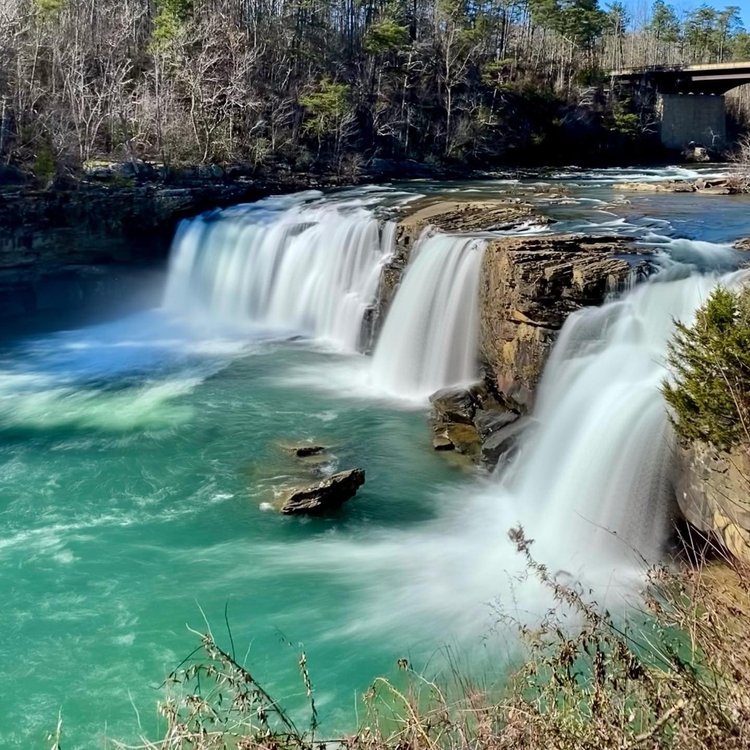
- Little River Canyon National Preserve: Managed by the National Park Service, this preserve encompasses the deepest canyon east of the Mississippi River that is not a major river. Visitors can enjoy scenic drives, hiking, whitewater paddling, and admire stunning waterfalls like Graces High Falls and Little River Falls.
- Bankhead National Forest: Known as “The Land of 1,000 Waterfalls,” this forest offers vast opportunities for hiking, horseback riding, and exploring diverse ecosystems. It includes the Sipsey Wilderness, one of Alabama’s most primitive areas, featuring stunning canyons, rock shelters, and clear streams.

The Shoals: Music, Culture, and History
Located in northwest Alabama, the area known as “The Shoals” is a legendary hub for music history and home to significant cultural landmarks.
- Muscle Shoals: This unassuming quartet of cities—Florence, Sheffield, Tuscumbia, and Muscle Shoals proper—is synonymous with some of the greatest music recordings of all time. Artists like Aretha Franklin, The Rolling Stones, and Paul Simon recorded here, drawn by its unique sound.
- FAME Studios: Take a tour of this iconic studio where countless hit songs were recorded. Visitors can stand in the very rooms where legends created music, absorbing the rich history and enduring legacy of Muscle Shoals music.
- Muscle Shoals Sound Studio: Another legendary recording studio, originally founded by the “Swampers,” a group of session musicians who defined the “Muscle Shoals Sound.” It’s a preserved historical site offering tours that transport visitors back to its heyday.
- W.C. Handy Home, Museum & Library: Located in Florence, this museum celebrates the “Father of the Blues,” W.C. Handy, who was born in the city. The museum preserves his birthplace and displays artifacts related to his life and contributions to American music.
- Ivy Green: In Tuscumbia, this is the birthplace and childhood home of Helen Keller, the renowned author, activist, and lecturer. Visitors can tour the house and grounds, including the famous water pump where Keller first learned to communicate, a profoundly inspiring site.