
The Boston Marathon is not just a race; it is a legendary pilgrimage, a testament to human endurance, and a celebrated travel destination for runners and spectators alike. Annually drawing hundreds of thousands to the historic streets of Boston, Massachusetts, it represents the pinnacle of amateur road racing. The question, “Can anyone run in the Boston Marathon?” often arises from both casual observers and aspiring athletes. The simple, yet profound answer, is no — not anyone can run it. Participation is a coveted privilege, earned through rigorous qualification or dedicated fundraising, making the journey to the starting line in Hopkinton an integral part of the travel experience itself.

The Elusive Dream: Understanding Boston’s Qualification Standards
The Boston Marathon is unique among major marathons for its stringent qualification standards. Unlike many races that offer lottery entries or open registration, the Boston Marathon requires runners to achieve a specific qualifying time in another certified marathon within a designated window. This system ensures a highly competitive and experienced field, solidifying the race’s status as a benchmark for amateur marathoners worldwide. For many, earning a “BQ” (Boston Qualifier) becomes a multi-year running and travel goal, shaping their race calendars and training regimens around this singular aspiration.
Age-Group Specific Time Requirements
The qualification standards are meticulously categorized by age and gender, acknowledging the natural variations in athletic performance across different demographics. For instance, a 30-year-old male might need to run a marathon in under 3 hours and 0 minutes, while a 50-year-old female might have a standard of 4 hours and 10 minutes. These times are not static and are subject to adjustment by the Boston Athletic Association (B.A.A.), the race organizers, based on the number of applicants. In recent years, due to overwhelming demand, even meeting the standard time hasn’t guaranteed entry; many runners have needed to run several minutes faster than their age-group standard to be accepted, underscoring the fierce competition and the depth of talent aspiring to travel to Boston.
The Rigors of Achieving a BQ
Achieving a Boston Marathon qualifying time is an extraordinary feat, demanding immense dedication, consistent training, and strategic race selection. Runners often travel to specific marathons known for their fast courses and optimal weather conditions, hoping to shave precious seconds off their personal bests. This pursuit transforms “ordinary” marathons into critical waypoints on the journey to Boston, each race becoming a travel experience with a singular purpose. The training itself is a journey, often requiring sacrifices in personal time and a meticulous approach to diet, rest, and injury prevention. The emotional investment in chasing a BQ makes the eventual trip to Boston not just a race, but the culmination of years of effort and a celebration of athletic ambition.
Beyond the Clock: Alternative Pathways to Hopkinton
While time qualification remains the most common route, it is not the only way to earn a spot at the starting line. The Boston Marathon also embraces the spirit of philanthropy and community, offering alternative entry methods that align with its broader values. These paths provide opportunities for individuals who may not meet the strict time standards but are driven by other powerful motivations, often involving significant personal commitment.
Running for a Cause: Charity Programs

A substantial number of Boston Marathon entries are allocated to official charities. These organizations partner with the B.A.A. to offer guaranteed race bibs to runners who commit to raising a significant amount of money for their causes. This path is incredibly popular, allowing individuals to experience the thrill of the marathon while contributing to meaningful social good. Runners pursuing this route often embark on an equally challenging journey of fundraising, leveraging their networks and creative efforts to meet their targets. For many, traveling to Boston to run for a charity adds an even deeper layer of purpose and emotional resonance to the experience, transforming their athletic endeavor into a philanthropic mission. These charity runners form a vital part of the marathon’s fabric, embodying the community spirit that thrives alongside the competitive drive.
Invitational Entries and Legacy Participants
Beyond the general qualification and charity programs, a smaller number of entries are granted through invitational processes or to specific groups. These can include elite professional athletes, who are invited to compete for prize money, as well as members of the media, race officials, and long-standing participants with a history of numerous consecutive finishes. While these categories are not accessible to the general public, they highlight the diverse community that converges on Boston for this monumental event. They are also a testament to the marathon’s rich history and its commitment to recognizing exceptional performance and enduring dedication.
The Ultimate Travel Experience: Planning Your Boston Marathon Journey
Whether you are aiming to run or simply to witness the spectacle, attending the Boston Marathon is an unforgettable travel experience. The event transforms the city, infusing it with an electric atmosphere of excitement, resilience, and global camaraderie. Planning your trip well in advance is crucial, as accommodations and flights to Boston can become scarce and expensive during Marathon Monday weekend.
Training for the Challenge: A Destination-Driven Goal
For qualified runners, the journey to Boston isn’t just about showing up; it’s about meticulously preparing for one of the most challenging marathon courses in the world. The undulating terrain, particularly the infamous Heartbreak Hill in Newton, demands specific training. Runners often incorporate hill work and strategic long runs into their schedules, mentally and physically preparing for the unique demands of the course. This training phase becomes an extended travel narrative, where every mile logged and every workout completed brings them closer to the iconic finish line in Copley Square. The anticipation builds, making the actual travel to Boston a triumphant arrival.
Spectating and Soaking in the Atmosphere
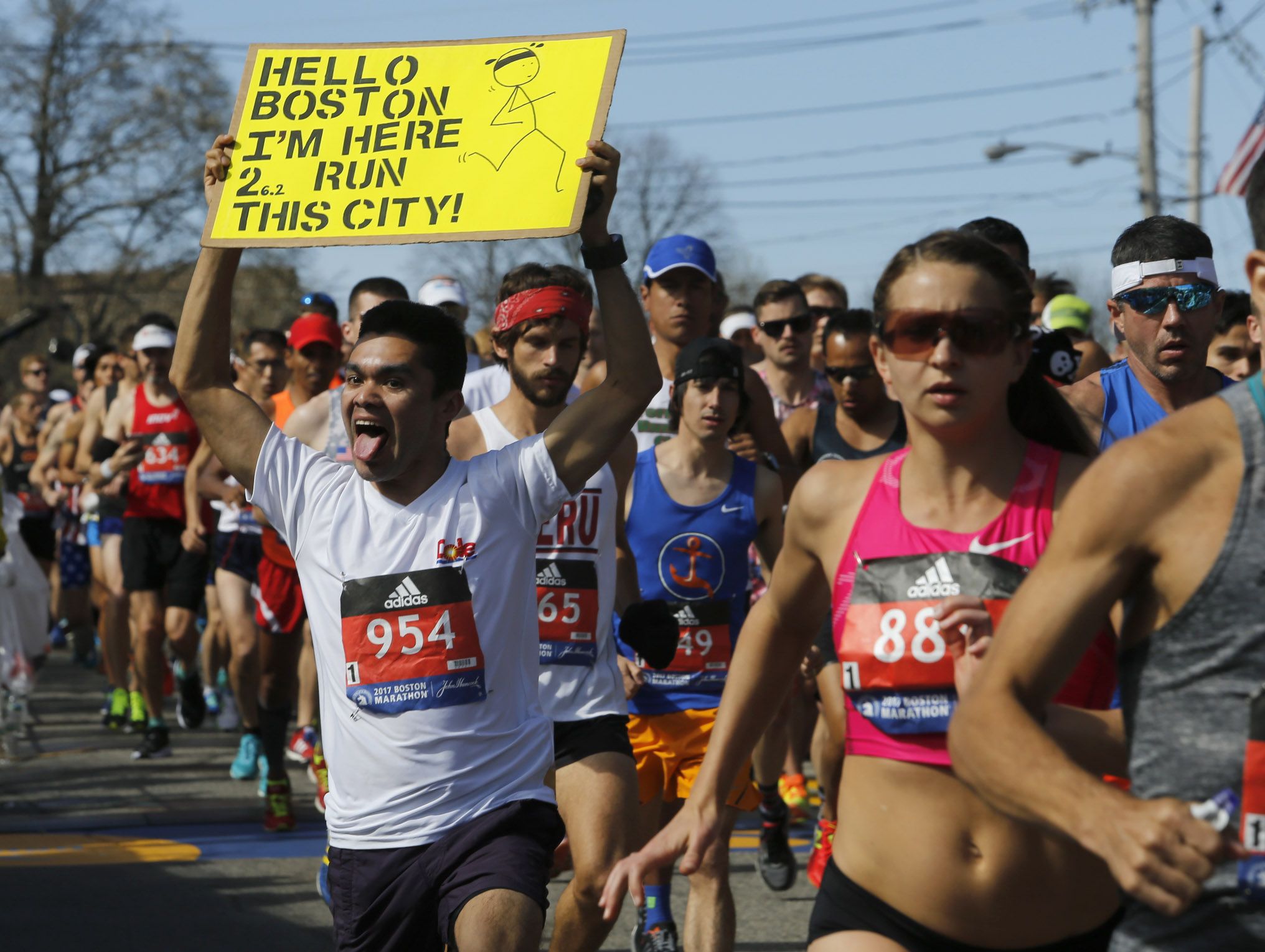
Even if running isn’t on your agenda, traveling to Boston for the marathon as a spectator is an incredibly rewarding experience. The entire city comes alive, with cheering crowds lining the 26.2-mile course from Hopkinton to Copley Square. Popular spectator spots include the start in Hopkinton (though access can be challenging), the college towns of Framingham and Wellesley (famous for the “Scream Tunnel”), and the final miles in Brookline and Boston. The energy is palpable, the stories inspiring, and the sheer volume of human endeavor on display is breathtaking. For non-runners, it’s an opportunity to immerse themselves in one of the world’s great sporting traditions and experience Boston’s vibrant culture.
Exploring Boston Beyond Marathon Monday
While the marathon is the main draw, a trip to Boston for the event also offers ample opportunities to explore this historic city. Before or after Marathon Monday, visitors can walk the Freedom Trail, delve into the city’s revolutionary past, or explore the charming neighborhoods. Catch a Boston Red Sox game at Fenway Park, wander through the Museum of Fine Arts, or simply enjoy the renowned New England cuisine. The marathon provides a compelling reason to visit Boston, but the city’s rich tapestry of history, culture, and gastronomy ensures a comprehensive and memorable travel experience.
In conclusion, while “anyone” cannot simply sign up for the Boston Marathon, the race represents an achievable travel goal for dedicated runners and a magnificent spectacle for visitors. It embodies the spirit of challenge, community, and the allure of a journey to one of America’s most iconic cities. For those who earn their spot, either through speed or charity, the trip to Boston is not merely a race, but the culmination of a deeply personal and physically demanding travel adventure.
LifeOutOfTheBox is a participant in the Amazon Services LLC Associates Program, an affiliate advertising program designed to provide a means for sites to earn advertising fees by advertising and linking to Amazon.com. Amazon, the Amazon logo, AmazonSupply, and the AmazonSupply logo are trademarks of Amazon.com, Inc. or its affiliates. As an Amazon Associate we earn affiliate commissions from qualifying purchases.