
The Pacific coast of the United States is a realm of constant motion, a vibrant tapestry woven with innovation, natural beauty, and a rich cultural heritage. At the heart of this dynamic landscape lies San Francisco, a city that has captivated imaginations for generations. For travelers, business professionals, and anyone with an interest in this iconic locale, understanding the local time is not merely a practical necessity, but a gateway to synchronizing with the city’s rhythm. This guide delves into the temporal nuances of San Francisco, offering insights that extend beyond the mere ticking of a clock, connecting you to the pulse of this extraordinary destination.

Navigating the Chronological Landscape of San Francisco
San Francisco, officially part of California, observes Pacific Standard Time (PST) during the winter months and Pacific Daylight Time (PDT) during the summer months. This temporal shift is governed by the principles of Daylight Saving Time, a practice implemented to make better use of natural daylight.
Understanding Pacific Standard Time (PST) and Pacific Daylight Time (PDT)
Pacific Standard Time is UTC-8, meaning it is eight hours behind Coordinated Universal Time. Pacific Daylight Time, conversely, is UTC-7, a shift of one hour forward. The transition typically occurs on the second Sunday in March, when clocks spring forward, and ends on the first Sunday in November, when they fall back. This temporal adjustment is a widespread practice across much of North America, affecting numerous cities and states, and it plays a crucial role in aligning daily schedules with solar patterns. For those planning a visit or conducting business with entities in San Francisco, being aware of these shifts is paramount to avoiding scheduling mishaps and ensuring smooth coordination. The specific hour of the day in San Francisco will therefore fluctuate relative to other time zones throughout the year.
The Impact of Time Zones on Global Connectivity
In our increasingly interconnected world, understanding time differences is more critical than ever. For businesses operating across continents, international travelers, and even those keeping in touch with loved ones abroad, precise time awareness is the bedrock of effective communication and planning. San Francisco’s position on the West Coast of the United States places it in a unique temporal relationship with the rest of the world. For instance, when it is noon in San Francisco, it is already late afternoon or early evening in Europe and the middle of the night in Asia. This temporal disparity necessitates careful planning for conference calls, virtual meetings, and any form of scheduled interaction. The ability to quickly ascertain the current time in San Francisco allows for seamless integration into the global workflow, ensuring that opportunities are not missed due to temporal misalignment.
Synchronizing with San Francisco’s Vibrant Lifestyle
The time in San Francisco is not just a measure of hours and minutes; it’s an invitation to participate in the city’s dynamic rhythm. From the early morning rush of commuters heading towards the financial district to the vibrant evening activities in North Beach or Mission District, each moment offers a distinct San Francisco experience.
Embracing the Morning: Sunrise to Midday Activities
As the sun begins to illuminate the iconic Golden Gate Bridge, San Francisco awakens. Early risers might find themselves enjoying a quiet stroll along Ocean Beach, breathing in the crisp ocean air, or grabbing a freshly brewed coffee from a local café in the Marina District. By mid-morning, the city is buzzing with activity. Tourists might be embarking on a ferry to Alcatraz Island, exploring the bustling Ferry Building Marketplace, or visiting the vibrant Golden Gate Park. Business professionals are deep into their workday, engaging in meetings and contributing to the city’s reputation as a global hub for technology and finance. The precise time dictates when museum exhibits open, when tour buses depart, and when the city’s renowned culinary scene begins to serve lunch.
Afternoon Delights: Exploration and Leisure
The afternoon in San Francisco offers a wealth of opportunities for both exploration and relaxation. As the clock ticks past noon, the city transitions into its afternoon rhythm. This is an ideal time for visiting renowned museums such as the de Young Museum or the California Academy of Sciences, both located within the expansive Golden Gate Park. Alternatively, one might choose to wander through the colorful streets of the Haight-Ashbury district, soaking in its bohemian history, or ascend to the top of Coit Tower for panoramic views of the city and the bay. For those seeking a more leisurely pace, an afternoon spent browsing the unique boutiques in Hayes Valley or enjoying a leisurely bike ride along the waterfront provides a quintessential San Francisco experience. The timing of these activities is crucial, especially when considering opening hours for attractions and the optimal times to avoid peak crowds.
Evening Enchantment: Culinary Adventures and Cultural Immersion
As daylight begins to wane, San Francisco transforms into a city of captivating evening experiences. The precise time becomes a critical factor in securing reservations at the city’s world-class restaurants, from Michelin-starred establishments in SoMa to cozy trattorias in North Beach. The evening is also when the city’s vibrant arts and culture scene comes alive. Catching a performance at the War Memorial Opera House, enjoying live jazz in the Fillmore District, or simply taking in the breathtaking city lights from the Marin Headlands are all activities dictated by the progression of the clock. Whether it’s an early dinner followed by a sunset view or a late-night adventure exploring the city’s renowned nightlife, understanding the time in San Francisco unlocks the full spectrum of its evening allure.
Practical Applications: Why Knowing the Time Matters
Beyond the abstract concept of time, its practical implications for visitors and residents of San Francisco are profound. Accurate timekeeping is essential for a seamless and enjoyable experience, whether you are arriving for a business conference, embarking on a vacation, or simply navigating daily life.
Travel Planning and Logistics
For travelers, knowing the exact time in San Francisco is fundamental to itinerary planning. Flight arrivals and departures, train schedules, ferry timings to popular destinations like Sausalito or Tiburon, and the opening hours of attractions are all dictated by the local clock. Imagine arriving at San Francisco International Airport (SFO) and needing to coordinate transportation to your hotel. A clear understanding of the local time ensures you are ready to meet your ride, catch your next connection, or simply know when to expect your hotel check-in. Similarly, booking tours, making dinner reservations, and scheduling meetings all hinge on precise temporal awareness. A few hours’ difference can mean the difference between attending a highly anticipated event or missing it entirely.
Business and Professional Engagements
In the fast-paced business environment of San Francisco, time is indeed money. For professionals, whether based locally or collaborating with partners from afar, adhering to schedules is non-negotiable. This includes attending crucial meetings, submitting reports by deadlines, and coordinating with teams across different time zones. The prevalence of remote work and international business dealings means that a constant awareness of the time in San Francisco is indispensable for maintaining productivity and fostering strong professional relationships. Misunderstanding the time difference can lead to missed opportunities, strained partnerships, and a general perception of unreliability. Therefore, having a reliable method for checking the current time is a professional imperative.
Embracing the Local Pace and Culture
The rhythm of a city is intrinsically tied to its temporal flow. Understanding the time in San Francisco allows visitors to better appreciate and integrate into the local pace of life. It helps in experiencing the city not just as a tourist, but as a participant. Knowing when locals typically dine, when parks are most frequented, or when cultural events are scheduled can significantly enhance the travel experience. It allows for an immersion into the city’s authentic character, from enjoying a relaxed brunch on a Saturday morning to experiencing the evening energy of its diverse neighborhoods. The temporal aspect of San Francisco is an invisible, yet ever-present, guide to unlocking its many wonders.
San Francisco: A City Defined by Time and Opportunity
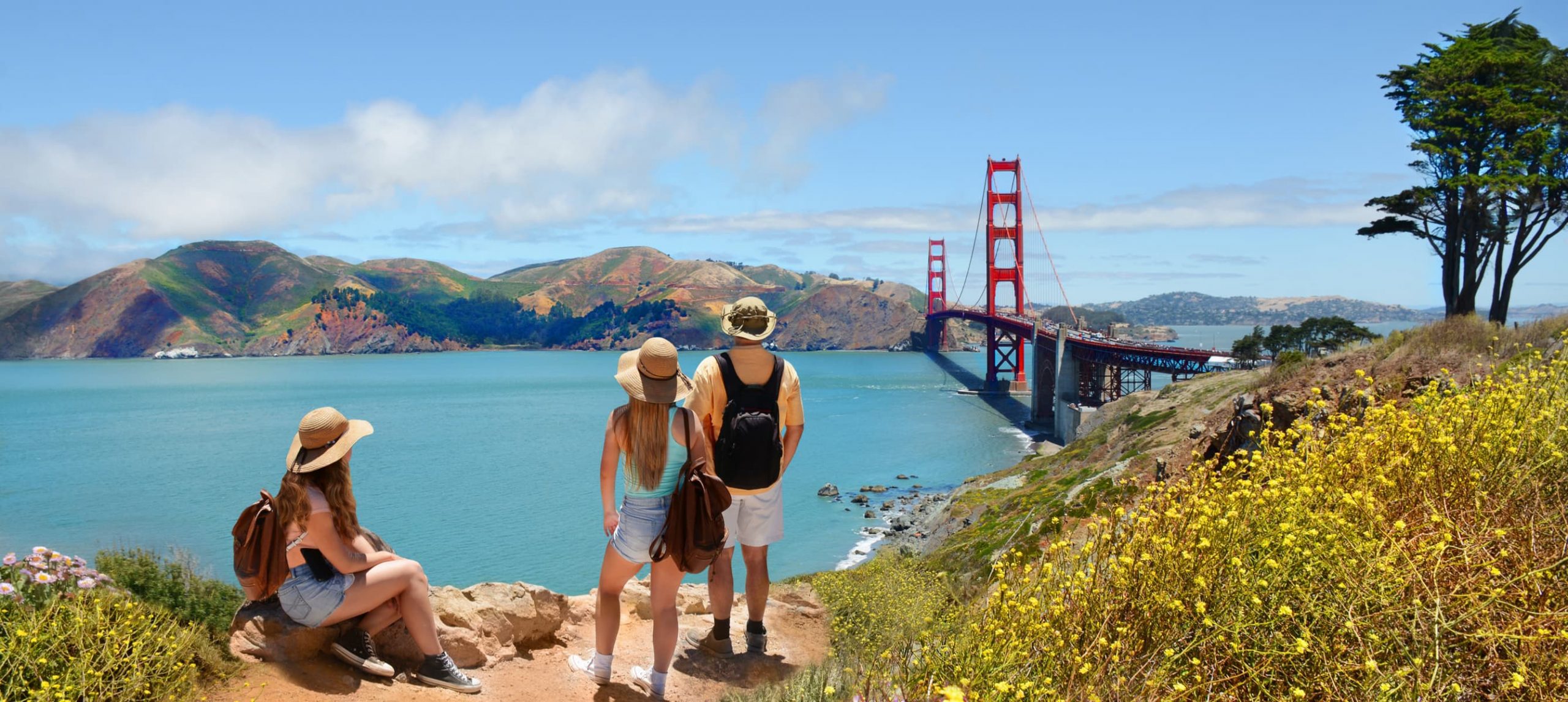
San Francisco stands as a testament to human ingenuity and natural splendor. Its iconic landmarks, from the majestic Golden Gate Bridge to the historic streets of Chinatown, are timeless, yet their accessibility and the experiences they offer are intrinsically linked to the passage of time. Understanding the current time in San Francisco, California, is more than a simple logistical task; it is an act of connection, an invitation to synchronize with a city that is constantly evolving, always vibrant, and forever at the forefront of innovation and culture. Whether you are planning a visit to experience the city’s world-renowned culinary scene, its cutting-edge technology sector, or its breathtaking natural beauty, let this guide serve as your temporal compass, ensuring you are always in tune with the dynamic heartbeat of San Francisco.
LifeOutOfTheBox is a participant in the Amazon Services LLC Associates Program, an affiliate advertising program designed to provide a means for sites to earn advertising fees by advertising and linking to Amazon.com. Amazon, the Amazon logo, AmazonSupply, and the AmazonSupply logo are trademarks of Amazon.com, Inc. or its affiliates. As an Amazon Associate we earn affiliate commissions from qualifying purchases.