
Navigating the bustling urban landscape of Boston, Massachusetts, in a recreational vehicle (RV) presents a unique set of challenges, particularly when it comes to its complex network of tunnels. While Boston’s tunnels are integral to its transportation infrastructure, linking key areas and easing traffic flow, they come with specific regulations that RV drivers must heed. The question isn’t merely can you drive your RV through them, but how can you do so safely, legally, and without incident, avoiding potential fines, reroutes, or even hazardous situations. Understanding these rules is paramount for any RVer planning to visit or pass through the historic city.

Understanding Boston’s Tunnel System and RV Restrictions
Boston’s tunnel system is a marvel of engineering, largely a product of the ambitious Big Dig project. These tunnels, which include the Ted Williams Tunnel, Callahan Tunnel, and Sumner Tunnel, are crucial arteries for traffic moving in and out of downtown Boston, to Logan International Airport, and connecting major interstates like I-90 (the Massachusetts Turnpike) and I-93. However, the confined nature of tunnels necessitates strict safety protocols, especially for vehicles carrying flammable materials or those exceeding certain dimensions.
The primary concern for RVs in Boston’s tunnels revolves around the presence of propane tanks, a standard feature in most recreational vehicles. Propane, being a highly flammable gas, is classified as a hazardous material. Tunnel operators, prioritizing public safety, implement regulations to minimize the risk of fire or explosion within these enclosed environments.
The Hazardous Materials Ban
The most significant restriction for RVs in Boston’s tunnels is the ban on vehicles carrying hazardous materials. This broadly includes propane tanks, which are virtually ubiquitous on RVs for heating, cooking, and refrigeration. Most tunnels in the Boston area prohibit vehicles carrying more than 10 pounds of propane. Given that even small RVs typically carry 20-pound tanks, and larger ones often have much larger capacities, this restriction effectively bars most RVs from using several key tunnels.
This ban applies to the eastbound and westbound sections of the Ted Williams Tunnel, which carries I-90 under Boston Harbor, as well as the northbound Callahan Tunnel and the southbound Sumner Tunnel, which connect downtown Boston with East Boston and the airport. The logic is simple: a propane leak or fire inside a long, enclosed tunnel could have catastrophic consequences, making prevention through outright prohibition the most prudent approach.
Height and Weight Restrictions
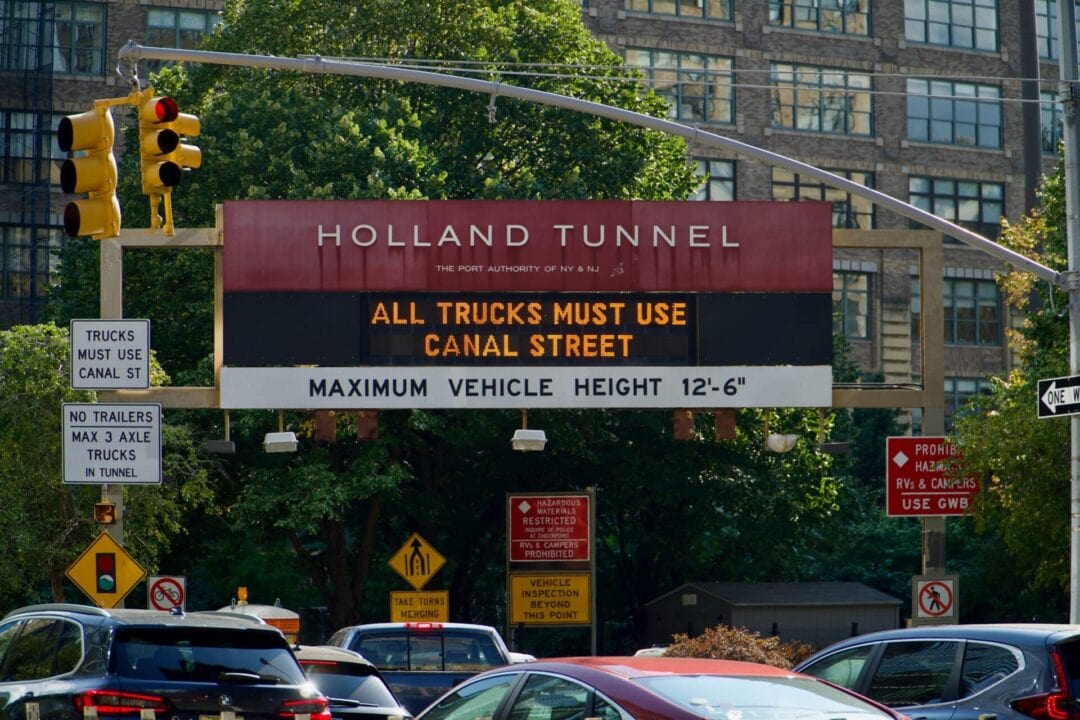
Beyond hazardous materials, RV drivers must also be mindful of general vehicle restrictions, including height and weight limits. While many RVs might fall within typical weight limits for standard roadways, their height is often a differentiating factor. Boston’s tunnels, like many others, have maximum clearance heights.
- The Ted Williams Tunnel generally has a clearance of 13 feet 6 inches.
- The Callahan Tunnel and Sumner Tunnel have clearances around 12 feet 6 inches to 13 feet.
While most RVs are designed to fit under standard 13-foot 6-inch overpasses, it’s crucial for drivers to know their specific vehicle’s height, including any rooftop air conditioners, antennas, or other mounted accessories. Hitting the top of a tunnel can cause severe damage to the RV and the infrastructure, leading to significant delays and safety hazards. Always measure your RV accurately and check signage diligently before entering any tunnel.
Planning Your RV Route Through Boston
Given the stringent restrictions, especially concerning propane, planning an alternative route is not just recommended but often mandatory for RVers passing through or staying in Boston. Fortunately, the Massachusetts Department of Transportation (MassDOT) and other agencies have established designated detours.
Alternative Routes for RVs
For RVs approaching Boston from the west via I-90 and needing to access Logan International Airport or destinations in East Boston, the traditional route would involve the Ted Williams Tunnel. However, due to the propane ban, RVs must use surface streets.
- For Airport Access (Eastbound I-90): Instead of continuing into the Ted Williams Tunnel, RVs should exit I-90 at Exit 24A-B-C (which is now Exit 135 on the new numbering system), following signs for South Boston and Logan International Airport via the Massport Haul Road. This road is specifically designated for vehicles carrying hazardous materials and oversized loads, circumventing the tunnels by using surface roads and bridges.
- For Downtown Boston or Points North/South: If your destination is downtown Boston or you’re connecting to I-93 to go north or south, you will generally avoid the main harbor tunnels. I-93 runs through parts of the O’Neill Tunnel which is part of the Big Dig and generally has higher clearances and routes that RVs often navigate. However, the critical point is to stay off the routes that specifically lead to the Ted Williams Tunnel, Callahan Tunnel, and Sumner Tunnel if you have propane on board. Rely on GPS systems that offer RV-specific routing, but always cross-reference with official MassDOT information or large vehicle routing guides.
Utilizing RV-Specific GPS and Mapping Tools
Standard GPS applications often do not account for RV-specific restrictions like propane bans or low clearance points. Investing in an RV-specific GPS device or using apps designed for large vehicles is highly recommended. These tools allow you to input your RV’s height, weight, and whether you carry propane, then calculate routes that avoid prohibited tunnels, low bridges, and roads unsuitable for large vehicles. However, technology is not infallible; always pay attention to road signs, especially those indicating hazardous material restrictions or vehicle height limits.
Essential Pre-Trip Checks and Safety Tips
Before embarking on any journey that might take you near urban centers with tunnels, thorough preparation is key to a smooth and safe trip.
Know Your RV’s Specifications
- Accurate Height Measurement: Measure your RV from the ground to the highest point, including any antennas, AC units, or roof racks. Write this down and keep it visible in your cockpit. Do not rely on manufacturer specifications alone, as modifications or added equipment can change the actual height.
- Weight: Be aware of your Gross Vehicle Weight Rating (GVWR) and actual loaded weight. While less critical for most tunnels than height or hazmat, some older bridges or roads may have weight limits.
- Propane Tank Status: Confirm the size and quantity of your propane tanks. Understand that even if tanks are empty, the presence of the tank itself is often sufficient to trigger a hazardous material ban in some tunnels. For the Boston tunnels, the presence of any propane (over 10 lbs capacity) is usually enough to warrant a reroute.
Navigational Preparedness
- Pre-plan Your Route: Do not wait until you’re nearing Boston to figure out your path. Study maps, online resources, and official MassDOT advisories well in advance. Print out physical maps as a backup to your GPS.
- Look for Hazmat Signs: Road signs indicating hazardous material routes or prohibitions are generally well-marked. Pay close attention to these signs as you approach any tunnels or major interchanges in urban areas. They often feature a diamond shape with “HAZMAT” or a symbol of a propane tank.
- Tune into Traffic Updates: Local radio stations and traffic apps can provide real-time updates on road closures, detours, and congestion, which can be particularly useful when navigating complex urban environments.
General RV Safety in Urban Driving
- Patience and Awareness: Boston traffic can be dense and aggressive. Maintain extra following distance, use your mirrors frequently, and be prepared for sudden stops or lane changes.
- Lane Discipline: Plan your lane changes well in advance, especially when approaching exits or merges. RVs have larger blind spots and require more space to maneuver.
- Fuel Up Before Entering the City: Finding suitable fuel stations for large RVs within a dense city like Boston can be challenging. Fuel up before you enter the urban core to avoid unnecessary stress and detours.
Navigating Specific Boston Tunnels and Their Alternatives
While the overall rule about propane is consistent, understanding the specifics of each major tunnel helps in planning.
The Ted Williams Tunnel (I-90 East/West)
This tunnel is a critical link for I-90 under Boston Harbor, connecting South Boston with Logan International Airport and East Boston. It is strictly off-limits for RVs carrying propane.
- Alternative: The primary alternative is the designated “Hazmat Route” via the Massport Haul Road. If traveling eastbound on I-90 towards the airport, take Exit 24A-B-C (new Exit 135) and follow signs for South Boston and the airport, which will lead you onto the surface route.
The Callahan Tunnel (Northbound) and Sumner Tunnel (Southbound)
These historic tunnels connect downtown Boston to East Boston and Logan International Airport. Both prohibit vehicles carrying hazardous materials, including propane.
- Alternatives: Similar to the Ted Williams Tunnel bypass, RVs needing to travel between downtown and East Boston must utilize surface streets and bridges. This often involves navigating local roads around the waterfront and using the Tobin Bridge (Route 1) for north-south connections, though the Tobin Bridge itself has its own height and weight restrictions that RVers must verify.
- Important Note on Sumner Tunnel: The Sumner Tunnel is undergoing extensive rehabilitation work. RVers should check current closure schedules and plan accordingly, as this will further impact routing options, even for vehicles not subject to hazardous material bans.

The O’Neill Tunnel (I-93 North/South)
This tunnel carries I-93 through downtown Boston. While generally more accommodating for RVs regarding height (typically 14 feet clearance or more in most sections), the hazardous materials ban can still apply depending on the specific segment and current regulations. However, RVs not carrying propane or other prohibited materials typically use the O’Neill Tunnel as part of their I-93 route. Always verify current restrictions via MassDOT before entry.
In conclusion, driving an RV through Boston’s tunnels without proper planning and adherence to regulations is a recipe for trouble. The presence of propane tanks is the primary deterrent for most recreational vehicles. By understanding the restrictions, meticulously planning your route using RV-specific navigation, and being attentive to signage, you can successfully navigate around Boston and enjoy your RV adventure without any unforeseen complications in the city’s intricate tunnel system.
LifeOutOfTheBox is a participant in the Amazon Services LLC Associates Program, an affiliate advertising program designed to provide a means for sites to earn advertising fees by advertising and linking to Amazon.com. Amazon, the Amazon logo, AmazonSupply, and the AmazonSupply logo are trademarks of Amazon.com, Inc. or its affiliates. As an Amazon Associate we earn affiliate commissions from qualifying purchases.