
Navigating the intricacies of state income tax is a crucial aspect of planning any trip or relocation to New York. While the allure of New York City‘s bustling streets, the serene beauty of the Adirondacks, or the historical charm of the Hudson Valley draws millions, understanding the financial implications, particularly income tax, is paramount for both temporary visitors and long-term residents. This guide delves into the structure of New York state income tax, its various components, and how it might affect your financial landscape.
Understanding the New York State Income Tax System
New York operates a progressive income tax system, meaning that higher earners pay a larger percentage of their income in taxes. This system is administered by the New York State Department of Taxation and Finance. The tax rates are applied to your taxable income, which is your gross income minus various deductions and exemptions. The state uses a tiered system of tax brackets, with each bracket corresponding to a specific tax rate. As your income increases, it falls into higher tax brackets, and the portion of your income within those higher brackets is taxed at the corresponding higher rate.
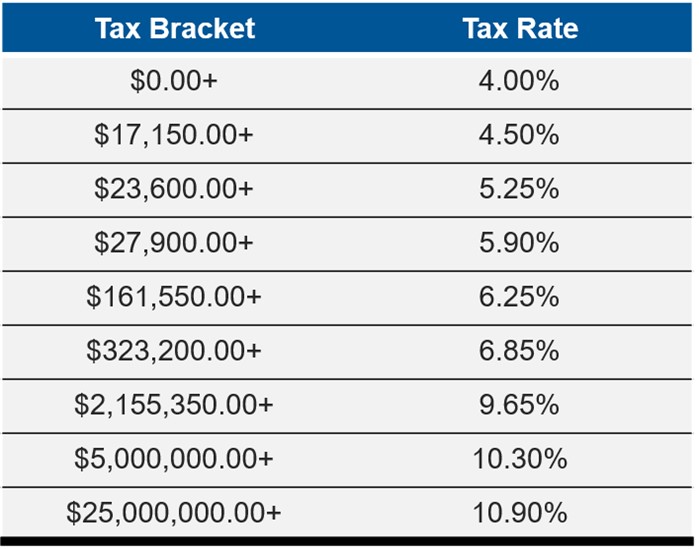
Tax Brackets and Rates
The specific tax brackets and rates are subject to change annually due to inflation adjustments and legislative actions. For the most current information, it’s always advisable to consult the official New York State Department of Taxation and Finance publications. However, understanding the general structure provides a clear picture.
For example, for a given tax year, you might see rates ranging from approximately 4% for lower income levels to over 10% for the highest earners. These rates apply to different portions of your income. It’s important to note that New York also has a tiered tax structure for different filing statuses, such as single filers, married filing jointly, married filing separately, and head of household. Each filing status has its own set of income thresholds for each tax bracket.
The Concept of Taxable Income
Before the progressive rates are applied, your income must first be determined as taxable income. This involves several steps. Your starting point is your federal adjusted gross income (AGI). New York generally follows the federal definition of AGI, but there are specific additions and subtractions unique to the state.
Additions to AGI might include:
- Interest income from certain out-of-state municipal bonds.
- Any state or local income taxes deducted on your federal return.
Subtractions from AGI might include:
- Social Security and certain U.S. government retirement benefits.
- Interest income from New York state and local bonds.
- Student loan interest paid.
- One-half of self-employment tax.
- Alimony paid (for divorce or separation agreements executed before January 1, 2019).
After these adjustments, you arrive at your New York State Net Income. From this figure, you can then claim either the standard deduction or itemized deductions. The standard deduction amounts are also set annually and vary based on your filing status. Itemized deductions might include things like medical expenses, state and local taxes (capped), mortgage interest, and charitable contributions. The amount remaining after subtracting your chosen deduction is your taxable income, which is then subject to the progressive tax rates.
Impact of Residency and Domicile
A significant factor in determining your New York state income tax liability is your residency or domicile status. New York taxes individuals who are residents, part-year residents, or non-residents with income sourced from New York.
Residents
If you are considered a resident of New York, you are generally taxed on your worldwide income. This means all income you earn, regardless of where it is earned, is subject to New York state income tax.
Determining Residency: New York has specific rules for determining residency. You are considered a resident if:
- You maintain a permanent home in New York and spend more than 183 days of the tax year there.
- You are a domiciled resident, meaning New York is considered your permanent home, even if you spend extended periods outside the state. The intent to return to New York is a key factor in determining domicile.
Part-Year Residents
If you move into or out of New York during the tax year, you will likely be classified as a part-year resident. In this case, you will be taxed on:
- All income earned while you were a New York resident.
- Any income earned from New York sources while you were a non-resident.
The tax calculation for part-year residents involves prorating certain deductions and exemptions based on the portion of the year you were a resident.
Non-Residents

Non-residents are only taxed on income that is derived from New York sources. This typically includes:
- Wages, salaries, and other compensation for services performed within New York.
- Income from a business, trade, or profession conducted within New York.
- Gains from the sale of real property located in New York.
- Gains from the sale of tangible personal property located in New York at the time of sale.
The tax rates for non-residents are generally the same as for residents, but they only apply to the income sourced within the state.
Additional Taxes and Credits
Beyond the basic income tax structure, New York state also features several other tax-related considerations that can impact your overall financial picture.
The Metropolitan Commuter Transportation District (MCTD) Tax
For individuals who work in the counties of New York (Manhattan), Bronx, Kings (Brooklyn), Queens, and Richmond (Staten Island), and also in parts of Westchester, Nassau, and Suffolk counties, there is an additional tax. This is the Metropolitan Commuter Transportation District (MCTD) tax, which is a surcharge dedicated to funding public transportation in the region. The MCTD tax is levied as a percentage of your wages and is typically withheld by employers.
Tax Credits and Exemptions
New York offers various tax credits and exemptions designed to reduce the tax burden for specific groups of taxpayers or to incentivize certain behaviors. These can significantly lower your final tax bill.
Common Tax Credits:
- Child Tax Credit: For qualifying children.
- Earned Income Tax Credit (EITC): For low-to-moderate income individuals and families.
- Empire State Child Credit: A supplement to the federal Child Tax Credit.
- Property Tax Relief Credit: For homeowners.
- College Tuition Credit/Deduction: For expenses related to higher education.
- Various business-related credits: For job creation, investment, or specific industry support.
Exemptions:
- Personal Exemptions: While the federal personal exemption has been suspended, New York still offers personal income tax exemptions, though they are often structured as tax credits.
- Exemptions for specific types of income: Certain retirement income, disability income, or military pay may be partially or fully exempt.
Carefully reviewing available credits and exemptions is essential to ensure you are not paying more tax than legally required.
Filing Your New York State Income Tax Return
The process of filing your New York state income tax return generally mirrors the federal filing process, but with state-specific forms and rules.
Key Forms
The primary form for New York state income tax is Form IT-201, Resident Income Tax Return, or Form IT-203, Nonresident and Part-Year Resident Income Tax Return. These forms are used to report your income, calculate your tax liability, claim deductions and credits, and determine your refund or balance due. You will also need to file various supporting schedules and forms, depending on your individual circumstances.
Filing Deadlines
The tax filing deadline for New York state income taxes is typically April 15th of each year, coinciding with the federal tax deadline. However, if April 15th falls on a weekend or holiday, the deadline is extended to the next business day. An extension to file can be requested, but it does not extend the time to pay any taxes owed.
Payment Options
New York offers several convenient ways to pay your state income taxes, including:
- Online Payments: Through the New York State Department of Taxation and Finance website, using direct debit from your bank account or a credit/debit card.
- Check or Money Order: Mailed to the address specified on your tax form.
- Electronic Funds Withdrawal: When filing your return electronically through tax software or a tax preparer.
Professional Assistance
For many individuals, especially those with complex financial situations, consulting with a tax professional or using tax preparation software is highly recommended. Tax laws are intricate and constantly evolving, and a qualified professional can help ensure accuracy, identify all eligible deductions and credits, and optimize your tax strategy. This is particularly true when dealing with cross-state income, investments, or significant life events like moving to or from New York.
Understanding New York state income tax is a vital part of financial planning, whether you are visiting iconic landmarks like the Statue of Liberty or Times Square, exploring the natural wonders of Niagara Falls, or considering a long-term stay at a resort in the Catskills. By familiarizing yourself with the tax structure, residency rules, and available credits, you can better manage your financial obligations and make informed decisions about your engagement with the Empire State.
LifeOutOfTheBox is a participant in the Amazon Services LLC Associates Program, an affiliate advertising program designed to provide a means for sites to earn advertising fees by advertising and linking to Amazon.com. Amazon, the Amazon logo, AmazonSupply, and the AmazonSupply logo are trademarks of Amazon.com, Inc. or its affiliates. As an Amazon Associate we earn affiliate commissions from qualifying purchases.