
The journey from Washington D.C. to Boston represents a classic Northeast Corridor travel experience, connecting two of America’s most historically significant and vibrant cities. For travelers planning this route, understanding the distance, expected travel times, and various transportation options is paramount to ensuring a smooth and enjoyable trip. Whether driven by business, leisure, or family visits, the journey offers a distinct perspective on the diverse landscapes and urban centers of the Eastern Seaboard.
Unveiling the Distance: A Geographical Perspective
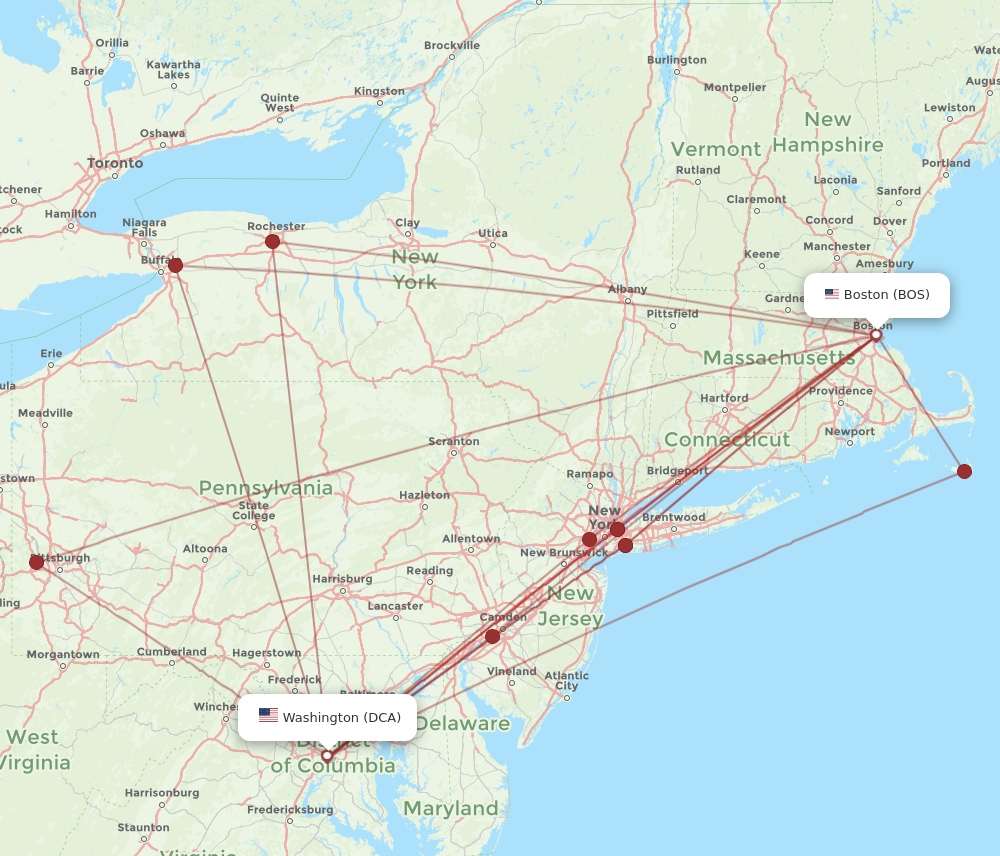
Geographically, the distance between Washington D.C. and Boston can be measured in various ways, each influencing the practical aspects of travel. The most direct air distance, often referred to as the “as the crow flies” measurement, is approximately 393 miles (632 kilometers). However, ground travel invariably covers more miles due to road networks and geographical barriers.
The Straight Line vs. The Open Road
When considering ground transportation, the actual road distance typically ranges between 430 and 440 miles (692-708 kilometers), depending on the specific route taken and any detours or alternate highways. This difference from the straight-line distance is crucial for planning, as it directly impacts fuel consumption, travel time, and potential stops along the way. While seemingly a straightforward question, “how far” encompasses more than just a numerical value; it involves an intricate calculation of efficiency, convenience, and the overall journey experience. The route predominantly traces the densely populated Northeast Corridor, a vital artery for commerce and travel in the United States.
Key States Along the Route
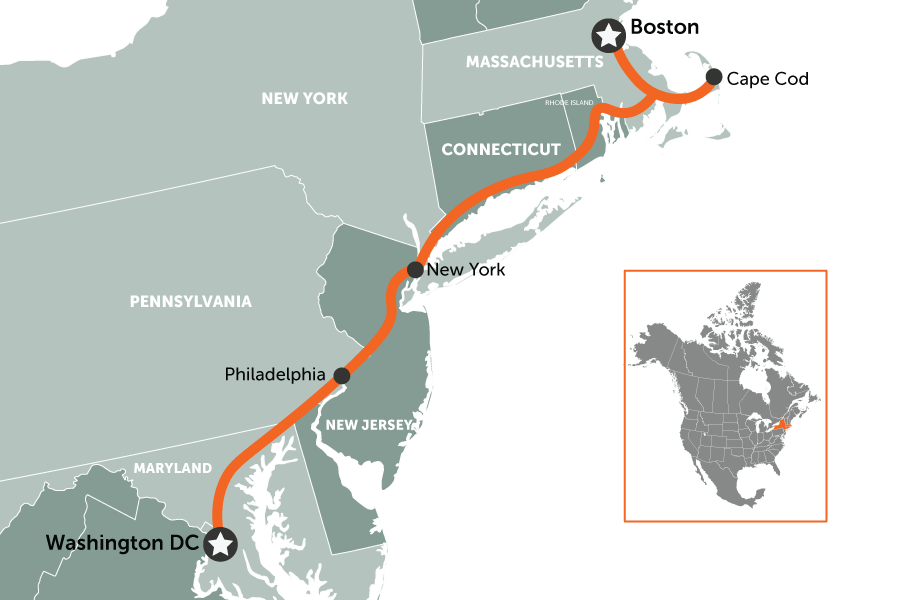
A journey by ground from Washington D.C. to Boston takes travelers through a fascinating succession of states. Beginning in the District of Columbia, the route typically passes through Maryland, a small stretch of Delaware, Pennsylvania (if taking certain routes, though often bypassed for directness), New Jersey, New York (specifically New York City and its surrounding areas), Connecticut, and Rhode Island before finally arriving in Massachusetts. Each state offers unique characteristics, from the rolling hills of Maryland to the coastal stretches of Connecticut and Rhode Island, providing a diverse backdrop to the extensive travel. Understanding these geographical waypoints helps travelers anticipate the changing scenery and the major urban centers they will navigate.
Driving the Northeast Corridor: Routes and Realities
For many, driving offers the greatest flexibility and control over their travel itinerary. The journey from Washington D.C. to Boston by car is a significant undertaking, requiring careful planning to account for distance, traffic, and potential stops.
The Predominant Path: I-95 North
The overwhelming majority of drivers undertaking this trip will utilize Interstate 95 (I-95) North. This highway forms the backbone of the Northeast Corridor, offering the most direct and fastest route between the two cities. From Washington D.C., I-95 leads through Baltimore, Philadelphia, and directly into New Jersey, where it often involves navigating around New York City via the George Washington Bridge and subsequent connections. The road continues through Connecticut and Rhode Island before entering Massachusetts and leading directly to Boston. This route is well-maintained and heavily trafficked, featuring numerous service plazas and rest stops.
Calculating Drive Time: Beyond Just Miles
While the approximate driving distance is around 430-440 miles, the actual time spent on the road can vary significantly. Under ideal conditions, with minimal traffic and limited stops, the drive can take anywhere from 7 to 8 hours. However, such conditions are rare on the Northeast Corridor. Travelers should realistically anticipate a total travel time of 8 to 10 hours, and potentially more during peak travel seasons, holidays, or adverse weather. Factors such as rush hour traffic in major metropolitan areas (especially around Baltimore, Philadelphia, and New York City), construction zones, and necessary breaks for fuel, food, and rest all contribute to the overall duration. Utilizing real-time navigation apps can be invaluable for monitoring traffic conditions and identifying potential delays or alternative routes.
Strategic Stops and Roadside Amenities
Given the length of the drive, planning for strategic stops is essential for driver comfort and safety. Along I-95, there are ample opportunities for breaks, ranging from large service plazas with multiple dining options and fuel stations to smaller towns just off the highway offering local eateries and parks. Common stopping points might include areas around Wilmington, Delaware, or various points in Connecticut. Taking regular breaks—at least every two to three hours—helps mitigate driver fatigue and enhances the overall travel experience, transforming a long drive into a manageable journey.
Soaring Between Cities: Air Travel Insights
For those prioritizing speed and efficiency, air travel is the undisputed champion for covering the distance between Washington D.C. and Boston. Despite the need to navigate airports, the flight itself is remarkably quick.
Gateway Airports: DC to Boston
Travelers departing from the Washington D.C. metropolitan area have several convenient airport options. Ronald Reagan Washington National Airport (DCA) is closest to downtown D.C. and offers frequent flights to Boston. Alternatively, Washington Dulles International Airport (IAD) and Baltimore/Washington International Thurgood Marshall Airport (BWI) also serve the region with routes to Boston, often providing more competitive pricing or greater availability, though they require longer commutes from D.C. proper. In Boston, all flights arrive at Logan International Airport (BOS), which is conveniently located just a few miles from the city center.
Optimizing Your Flight Experience
The actual flight time between Washington D.C. and Boston is approximately 1 hour and 15 minutes to 1 hour and 30 minutes. This swift aerial journey makes it an attractive option for business travelers or those with limited time. To optimize the experience, travelers should consider booking flights during off-peak hours to potentially avoid crowded security lines and capitalize on lower fares. Choosing a seat closer to the front of the plane can also expedite deplaning upon arrival, saving precious minutes. Familiarity with airport layouts and security procedures can also significantly streamline the travel process.
The Door-to-Door Time Equation
While the flight itself is brief, the total door-to-door travel time by air is considerably longer. This includes commuting to the departure airport, navigating check-in and security, potential flight delays, and the transit from Logan International Airport to a final destination within Boston. Factoring in these components, air travel can realistically take anywhere from 4 to 6 hours from the moment one leaves their starting point in D.C. to arriving at their destination in Boston. Despite this, it remains the quickest overall option for covering the significant distance.
The Allure of Rail: A Journey Through History and Scenery
Train travel along the Northeast Corridor offers a distinct blend of comfort, convenience, and scenic beauty that differentiates it from driving or flying. Amtrak provides regular service connecting Washington D.C.’s Union Station directly to Boston’s South Station.
Amtrak’s Offerings: Speed vs. Value
Amtrak operates two primary services on this route: the high-speed Acela Express and the more traditional Northeast Regional. The Acela Express is designed for speed, offering fewer stops and a more premium experience, with travel times typically ranging from 6.5 to 7 hours. The Northeast Regional service makes more stops, resulting in a slightly longer journey of approximately 8 to 9 hours, but often at a more economical price point. Travelers can choose based on their priority: speed and luxury versus value and a more leisurely pace. Both services provide a comfortable and productive environment, featuring ample legroom, Wi-Fi, and power outlets.
Onboard Comforts and Connectivity
One of the significant advantages of train travel is the ability to work, relax, or simply enjoy the passing scenery without the stresses of driving or the confinement of air travel. Amtrak trains offer spacious seating, a quiet car option for those seeking tranquility, and a cafe car serving snacks, meals, and beverages. The ability to stand up and walk around, access to restrooms, and the absence of electronic device restrictions during takeoff and landing contribute to a more relaxed journey. The route offers glimpses of urban skylines, picturesque towns, and coastal views, particularly through Connecticut and Rhode Island.
Station-to-Station Seamlessness
Another compelling benefit of rail is the convenience of city-center station locations. Both Washington D.C.’s Union Station and Boston’s South Station are major transportation hubs, offering direct access to local public transit networks, taxis, and ride-sharing services. This eliminates the need for lengthy airport commutes and complex transfers, significantly simplifying the door-to-door travel experience compared to flying. The ease of boarding and disembarking, coupled with generous luggage policies, makes train travel a highly appealing option for many.
Economical Transit: Intercity Bus Services
Bus travel presents the most budget-friendly option for journeying between Washington D.C. and Boston, offering a no-frills yet practical solution for a wide range of travelers. While it typically involves the longest travel times, the cost savings can be substantial.
Major Bus Lines and Their Networks
Several prominent bus operators serve the Washington D.C. to Boston route, including Greyhound, Megabus, and Peter Pan Bus Lines. These companies operate multiple daily departures from central bus terminals in D.C., typically Union Station or nearby curbside stops, arriving at Boston’s South Station Transportation Center or other designated city locations. Each carrier offers varying amenities, fare structures, and loyalty programs, allowing travelers to select the service that best meets their needs and budget.
Understanding Travel Times and Potential Delays
Due to the nature of road travel and the multiple stops often included in bus itineraries, the journey time by bus is the longest of all options. Travelers should anticipate a total travel duration ranging from 8 to 12 hours, depending on the operator, the number of stops, and, crucially, traffic conditions on I-95. Like driving a personal vehicle, bus services are highly susceptible to delays caused by congestion in major metropolitan areas, especially around New York City. It is advisable to build in extra buffer time when planning critical appointments or connections after bus arrival.
Maximizing Comfort on a Budget
While bus travel is economical, modern intercity buses have improved amenities to enhance the passenger experience. Many services now offer free Wi-Fi, power outlets at seats, reclining seats, and onboard restrooms. Booking tickets in advance, particularly for popular routes or peak travel times, can secure the best fares. For longer journeys, packing snacks, a water bottle, a travel pillow, and entertainment options such as books or fully charged electronic devices can significantly improve comfort. Despite the extended travel time, bus services provide an accessible and cost-effective means of traversing the Northeast Corridor, making it a viable option for budget-conscious explorers.
Deciding Your Ideal Journey: A Comparative Analysis
Choosing the best way to travel from Washington D.C. to Boston hinges on a traveler’s individual priorities, balancing factors such as time, cost, convenience, and desired experience. Each mode of transportation offers distinct advantages and disadvantages.
Factors to Weigh: Time, Cost, and Experience
Time: Air travel is unequivocally the fastest in terms of actual travel time, but door-to-door, it can equal or exceed train travel depending on airport logistics. Driving and bus travel are the longest options.
Cost: Bus travel is typically the most affordable, followed by train (especially the Northeast Regional). Driving costs vary based on fuel prices, tolls, and vehicle efficiency. Flights can range widely from budget-friendly to premium, depending on booking time and airline.
Experience: Driving offers ultimate flexibility and potential for scenic detours. Train travel provides a comfortable, stress-free, and productive environment with city-center convenience. Flying is efficient but involves more pre- and post-travel logistics. Bus travel is economical but generally the least comfortable and longest.
Seasonal Considerations for Travel
The time of year can significantly impact travel. Winter weather, particularly snow and ice, can cause severe delays for both driving and bus services, and can also lead to flight cancellations. Summer months and holidays bring increased traffic congestion on roads and higher demand (and prices) for all modes of transport. Spring and fall generally offer the most pleasant travel conditions with moderate temperatures and potentially vibrant foliage, making for enjoyable drives or train journeys. Factor in these seasonal variables when planning to avoid unnecessary stress or unexpected costs.
Making the Best Choice for Your Trip
For those prioritizing speed and willing to pay a premium, flying is the top choice. If comfort, productivity, and avoiding urban traffic are key, Amtrak offers an excellent balance. Travelers on a strict budget who don’t mind a longer journey will find bus services ideal. Finally, for groups or individuals seeking complete autonomy and the ability to pack extensively, driving remains a popular option, provided they are prepared for the inherent challenges of the Northeast Corridor. Ultimately, the “best” way to travel is the one that aligns most closely with your personal travel style, budget, and schedule.
LifeOutOfTheBox is a participant in the Amazon Services LLC Associates Program, an affiliate advertising program designed to provide a means for sites to earn advertising fees by advertising and linking to Amazon.com. Amazon, the Amazon logo, AmazonSupply, and the AmazonSupply logo are trademarks of Amazon.com, Inc. or its affiliates. As an Amazon Associate we earn affiliate commissions from qualifying purchases.