
Travelers frequently ponder the logistics of navigating the bustling Northeast Corridor, and a common inquiry revolves around the distance and travel time between two prominent New England cities: Providence, Rhode Island, and Boston, Massachusetts. These two vibrant urban centers, each with its unique charm and historical significance, are surprisingly close, making multi-city itineraries a practical and appealing option for visitors to the region. Understanding the exact distance and the various transportation modes available is key to planning a seamless and enjoyable journey.
Understanding the Proximity: Providence to Boston
The geographical distance between Providence and Boston is remarkably manageable, making day trips or sequential visits between the two cities highly feasible. On average, the direct driving distance is approximately 50 miles (about 80 kilometers). This relatively short stretch of highway connects the capital of Rhode Island with the capital of Massachusetts, facilitating quick and efficient travel for commuters and tourists alike.
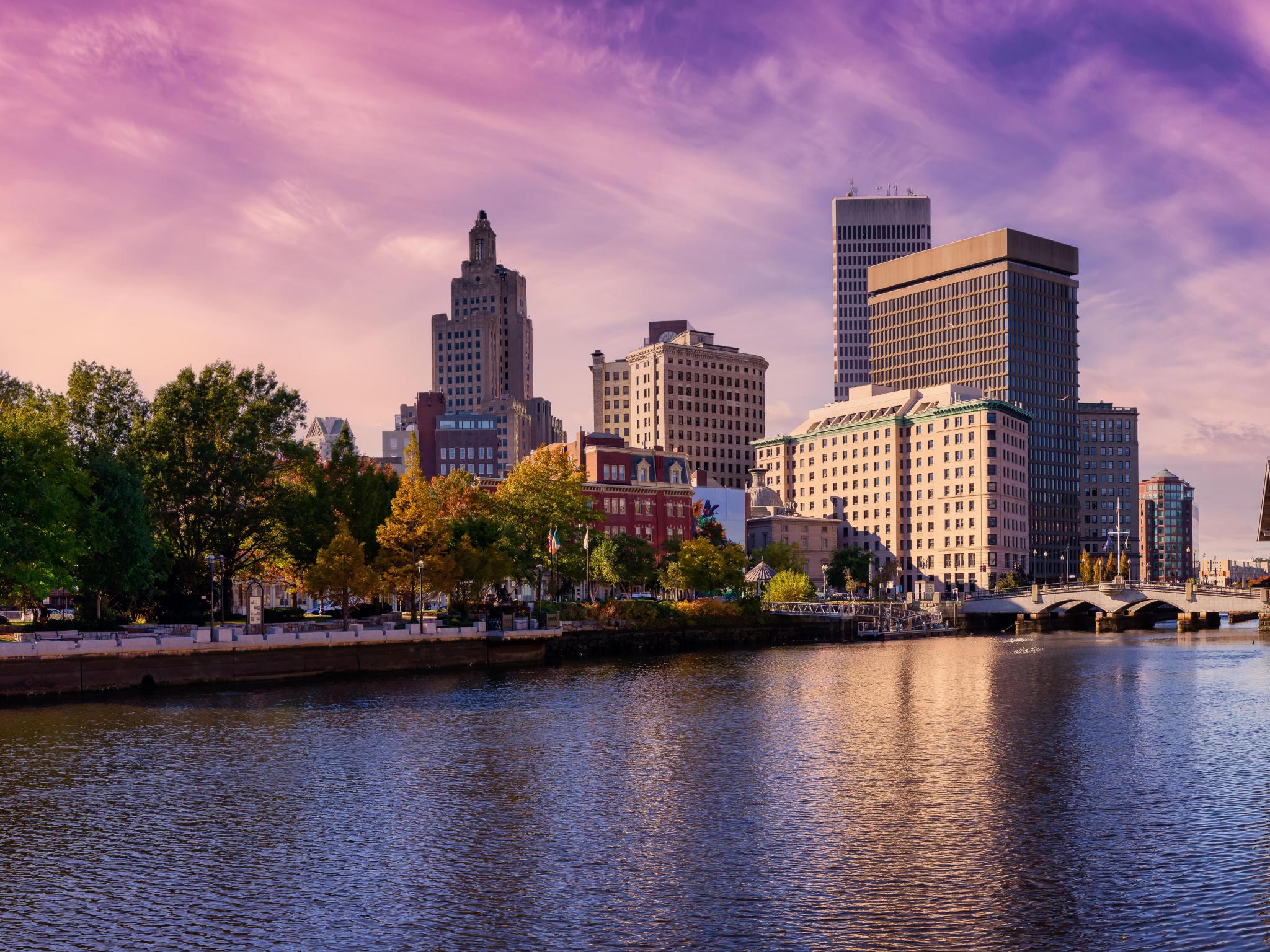
However, distance alone doesn’t tell the full story of travel time. The actual duration of a journey can fluctuate significantly based on several factors, primarily the chosen mode of transport, traffic conditions, and specific points of departure and arrival within each city. Typically, a drive or train ride between Providence and Boston can range from 45 minutes to 1 hour and 30 minutes. While the mileage suggests a quick hop, the realities of urban travel, especially during peak hours, often extend the journey. Nevertheless, compared to many other inter-city travels, the proximity of these two New England gems ensures that they are well within reach of each other, opening up a wealth of travel possibilities.
Diverse Travel Options: Getting Between Providence and Boston
The accessibility between Providence and Boston is supported by a robust transportation network, offering travelers a variety of choices to suit different preferences for speed, cost, and convenience. From the flexibility of driving to the efficiency of rail, each option presents distinct advantages.
Driving: The Most Flexible Route
For many, driving remains the preferred method of travel due to its inherent flexibility. The primary artery connecting Providence and Boston is Interstate 95 North. This well-maintained highway provides a direct path, making navigation relatively straightforward. Under ideal conditions, the drive can be completed in as little as 45 to 60 minutes.
However, drivers must account for the notorious New England traffic, particularly during weekday rush hours (typically 7-9 AM and 4-6 PM) and on holiday weekends. Delays can easily push travel times past the 90-minute mark. There are also tolls to consider, especially when entering Boston from the south, such as those associated with the Ted Williams Tunnel or the Massachusetts Turnpike (I-90). Parking in Boston, especially downtown, can be expensive and challenging to find, often necessitating pre-booked garage spaces or reliance on public transportation once you arrive. In Providence, parking is generally more accessible and affordable, particularly outside of the bustling downtown core. For those prioritizing autonomy and the ability to make spontaneous stops, driving is an excellent choice, but awareness of traffic and parking logistics is crucial for a smooth journey.
Rail Travel: A Scenic and Convenient Choice
Train travel offers a comfortable and often stress-free alternative to driving, particularly appealing to those who prefer to avoid traffic and parking hassles. Two primary rail services operate between Providence and Boston:
- Amtrak: Amtrak provides faster, intercity service with routes like the Acela Express and Northeast Regional. These trains typically complete the journey in approximately 30 to 40 minutes, making them the quickest option. Amtrak trains depart from Providence Station and arrive at Boston’s South Station, both centrally located and well-connected to local public transport networks. While generally more expensive than commuter rail or bus services, Amtrak offers amenities like Wi-Fi, power outlets, and a more spacious seating environment. Booking tickets in advance, especially for the Acela Express, is recommended to secure better fares.
- MBTA Commuter Rail: The Massachusetts Bay Transportation Authority’s (MBTA) commuter rail service provides a more economical option, with frequent departures throughout the day. The journey on the Providence/Stoughton Line typically takes around 1 hour to 1 hour and 15 minutes. These trains also connect Providence Station to South Station in Boston, with several intermediate stops. While not as luxurious as Amtrak, the MBTA Commuter Rail is a reliable and popular choice for both commuters and travelers looking for a budget-friendly option without sacrificing too much time. Tickets can be purchased at the station or via the mTicket app.
Bus Services: Economical and Accessible
Bus travel is often the most budget-friendly way to get between Providence and Boston. Several reputable bus companies operate this route, offering frequent departures and comfortable seating.
- Peter Pan Bus Lines: A prominent regional carrier, Peter Pan Bus Lines offers numerous daily services between the Providence Bus Terminal (located adjacent to Providence Station) and Boston’s South Station Bus Terminal. Travel times usually range from 1 hour to 1 hour and 30 minutes, depending on traffic. Prices are typically competitive, especially if booked in advance.
- Greyhound: Another major national operator, Greyhound also provides services on this route, often sharing terminals with Peter Pan. Similar travel times and pricing can be expected.
Bus services are an excellent choice for solo travelers or those on a tight budget. They offer amenities like Wi-Fi and power outlets on most modern coaches, allowing passengers to work or relax during the journey.

Considering Ride-Sharing and Taxis
For those valuing door-to-door convenience and willing to pay a premium, ride-sharing services like Uber or Lyft, or traditional taxi services, are available. The cost will be significantly higher than other options, often ranging from $80 to $150 or more, depending on demand and traffic. The travel time will mirror that of driving, typically 45 minutes to 1 hour and 30 minutes. This option is particularly suitable for groups splitting the fare or for travelers with specific scheduling needs or a lot of luggage.
Making the Most of Your Journey: Practical Tips and Itineraries
Optimizing your travel between Providence and Boston involves more than just knowing the distance; it’s about smart planning to enhance the overall experience.
Planning Your Departure and Arrival
When booking flights into the region, consider both Boston Logan International Airport (BOS) and Rhode Island T.F. Green International Airport (PVD). While Logan is a major hub, T.F. Green in Warwick, just outside Providence, offers direct MBTA Commuter Rail service to both Providence Station and Boston’s South Station, making it a convenient entry point for exploring both cities.
Always check real-time traffic updates if driving, or train/bus schedules if using public transport, especially for return journeys. Apps like Google Maps or Waze can provide accurate traffic predictions, while the Amtrak and MBTA websites offer live updates on service delays.
Optimal Times for Travel
To minimize travel time and maximize comfort, aim to travel outside of peak rush hours. Weekday mornings before 7 AM or after 9 AM, and weekday afternoons before 4 PM or after 6:30 PM, typically offer clearer roads and less crowded public transport. Weekend travel, while generally less affected by commuter traffic, can still see increased volumes on major holidays or during special events in either city. Mid-day travel during the week often provides the smoothest experience.
Combining Your Visit: A Tale of Two Cities
The close proximity of Providence and Boston makes them ideal for a combined itinerary. Many travelers choose to base themselves in one city and take a day trip to the other. For instance, you could spend a few days exploring Boston’s historical sites and vibrant neighborhoods, then hop on an Amtrak train for a quick journey to Providence to enjoy its culinary scene and artistic flair. Conversely, staying in Providence, which often offers more affordable accommodation, allows for easy day excursions into Boston while returning to a slightly quieter base. Consider purchasing a multi-day public transport pass in Boston if you plan on extensive sightseeing there after arriving by train or bus.
Beyond the Distance: Exploring Both Destinations
The journey between Providence and Boston is just the beginning. Both cities are rich with attractions, offering diverse experiences that cater to a wide range of interests.
Discovering the Charms of Providence
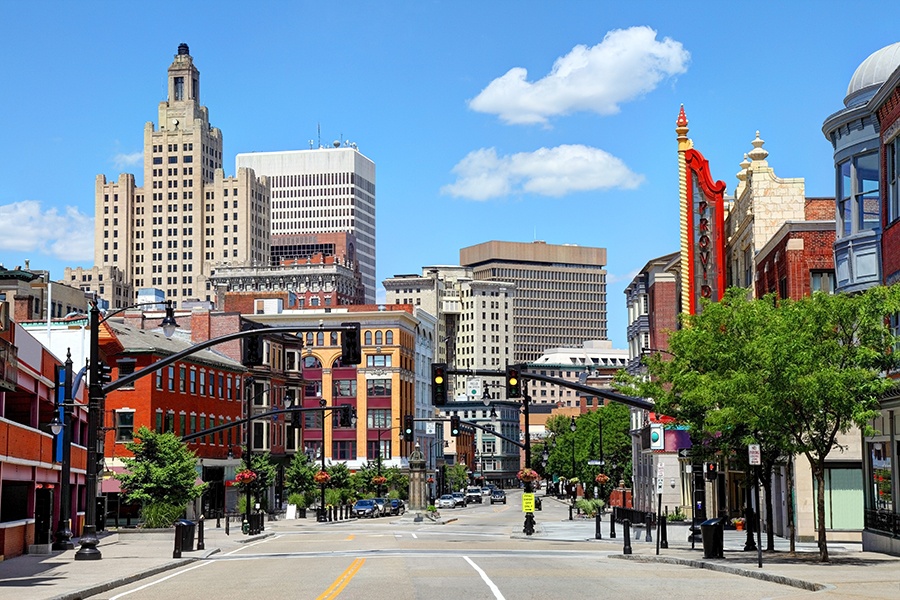
Providence, often dubbed the “Creative Capital,” boasts a unique blend of historical architecture, a thriving arts scene, and an acclaimed culinary landscape. Visitors can stroll along the cobblestone streets of College Hill, home to Brown University and the Rhode Island School of Design (RISD), and explore the impressive collections at the RISD Museum. The city’s downtown waterfront comes alive with WaterFire Providence, an award-winning installation of bonfires on the rivers, accompanied by world music. Foodies will revel in the diverse offerings of Federal Hill, Providence’s historic Italian neighborhood, or the innovative farm-to-table restaurants scattered throughout the city. The architectural heritage, particularly the Gilded Age mansions and colonial buildings, provides a picturesque backdrop for exploration.
Immersing Yourself in Boston’s Rich History and Culture
Boston, one of America’s oldest cities, is a treasure trove of history and culture. A walk along the Freedom Trail guides visitors through pivotal sites of the American Revolution, including Faneuil Hall, the Old North Church, and the site of the Boston Massacre. Beyond its historical roots, Boston offers world-class museums such as the Museum of Fine Arts and the Isabella Stewart Gardner Museum, lush green spaces like Boston Common and the Public Garden, and vibrant neighborhoods ranging from the charming brownstones of Beacon Hill to the bustling marketplace of Quincy Market. Sports enthusiasts can catch a Red Sox game at Fenway Park, while shoppers can explore the upscale boutiques of Newbury Street. Boston’s blend of historical significance, modern amenities, and intellectual vibrancy ensures an enriching experience for every visitor.
Whether you’re embarking on a solo adventure, a romantic getaway, or a family vacation, the journey between Providence and Boston is an integral part of the larger New England experience. With careful planning and an understanding of the available travel options, you can seamlessly transition between these two dynamic cities, unlocking a wealth of cultural, historical, and culinary discoveries.
LifeOutOfTheBox is a participant in the Amazon Services LLC Associates Program, an affiliate advertising program designed to provide a means for sites to earn advertising fees by advertising and linking to Amazon.com. Amazon, the Amazon logo, AmazonSupply, and the AmazonSupply logo are trademarks of Amazon.com, Inc. or its affiliates. As an Amazon Associate we earn affiliate commissions from qualifying purchases.