
Navigating the complexities of landlord-tenant law in California can be a challenging endeavor, particularly when it comes to rent increases. The state, known for its dynamic housing markets and diverse communities, has implemented various protections for tenants, making it crucial for property owners to understand the legal framework governing rent adjustments. This guide delves into the specifics of rent control, eviction protections, and strategic considerations for landlords aiming to raise rent in compliance with state and local regulations.
Understanding California’s Rent Control Landscape
California’s approach to rent control is a layered system, comprising both statewide legislation and a patchwork of local ordinances that can significantly impact a landlord’s ability to adjust rental rates.

The Statewide Rental Protection Act (AB 1482)
Effective January 1, 2020, the Statewide Rental Protection Act, often referred to as AB 1482, ushered in significant changes for landlords and tenants across California. This landmark legislation introduced a statewide rent cap and established “just cause” eviction requirements for many rental properties.
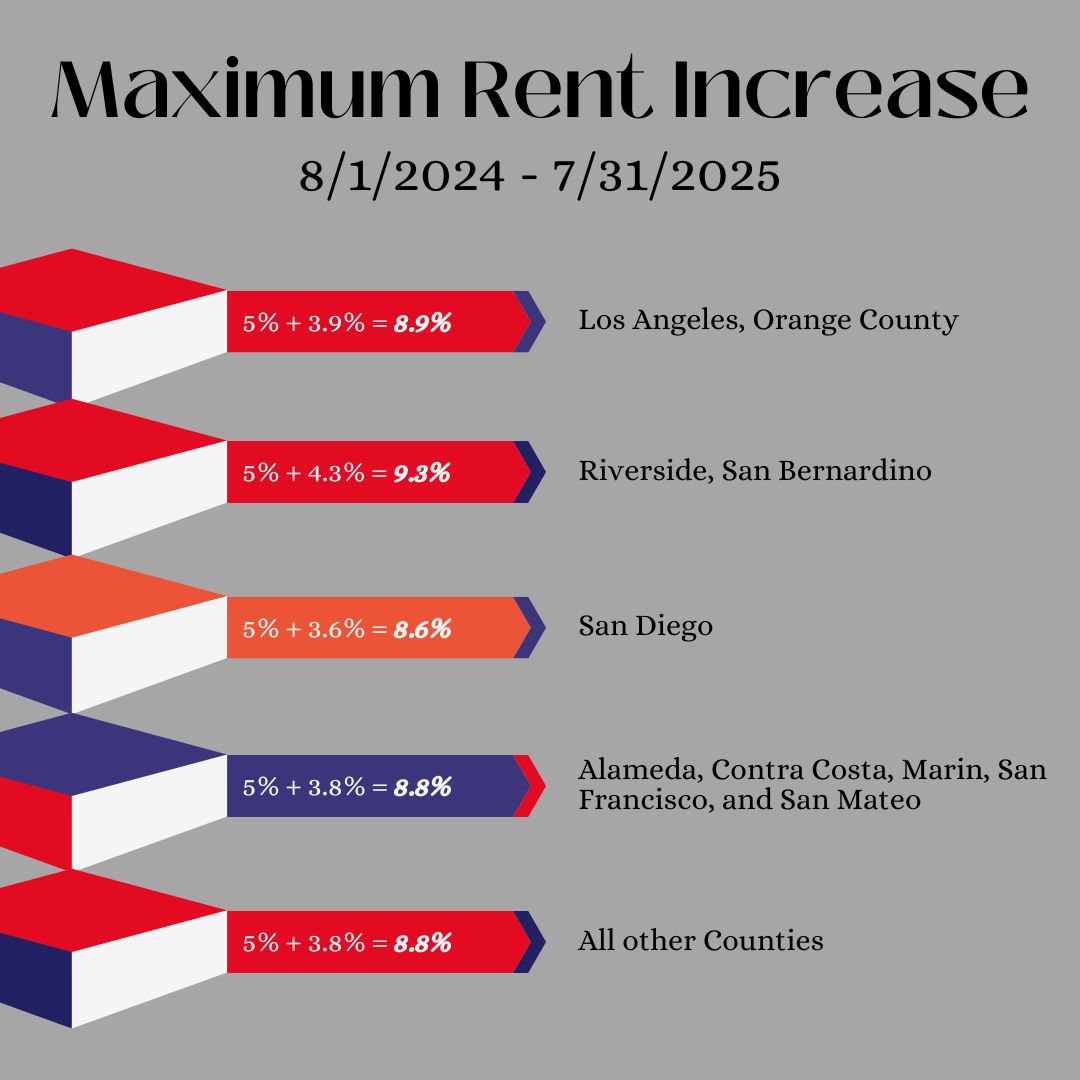
The primary provision of AB 1482 limits annual rent increases to 5% plus the percentage change in the cost of living, as measured by the Consumer Price Index (CPI) for the specific metropolitan area where the property is located. Critically, the total allowable increase cannot exceed 10%. This cap applies to properties that are not otherwise exempt and have tenants who have resided in the unit for 12 months or more. The purpose of this cap is to prevent excessive rent hikes that could displace long-term tenants while still allowing landlords to adjust for inflation and operational costs.
Local Rent Control Ordinances
While AB 1482 provides a statewide baseline, it does not preempt stricter local rent control ordinances that were in effect prior to its implementation. Many cities in California, such as San Francisco, Los Angeles, Oakland, and San Jose, have their own well-established rent control laws that can impose even tighter restrictions on rent increases and offer more comprehensive tenant protections.
For landlords operating in these jurisdictions, it is imperative to research and comply with the local rent control laws, as they often dictate a lower allowable annual increase than AB 1482, different notice requirements, and specific administrative processes. In cases where local ordinances offer greater tenant protections than the state law, the local rules typically prevail. This creates a complex regulatory environment where landlords must be intimately familiar with both state and local statutes.
Exemptions to AB 1482
Not all rental properties fall under the purview of AB 1482. The act includes several important exemptions:
- New Construction: Units that have been issued a certificate of occupancy within the last 15 years are exempt. This rolling exemption aims to incentivize new housing development.
- Single-Family Homes and Condominiums: These are exempt if they are not owned by a real estate investment trust (REIT), a corporation, or a limited liability company (LLC) where at least one member is a corporation. Importantly, for this exemption to apply, the landlord must provide a specific notice to the tenant stating that the property is not subject to AB 1482’s rent cap.
- Owner-Occupied Duplexes: If the owner lives in one of the units of a duplex, both units are exempt from the rent cap and just cause eviction provisions.
- Affordable Housing: Units subject to an affordable housing covenant or restriction are also exempt.
- Dormitories and Short-Term Rentals: These types of accommodations are generally not covered.
Understanding these exemptions is critical, as they can significantly alter a landlord’s ability to set and raise rent. However, even if a property is exempt from AB 1482’s rent cap, it might still be subject to local rent control ordinances, or other general tenant protections under California law.
Calculating Allowable Rent Increases
For properties subject to AB 1482, calculating the maximum allowable rent increase requires careful attention to the formula and timing.
The 5% + CPI Formula
The core of AB 1482’s rent cap is the 5% plus the Consumer Price Index (CPI) increase. The CPI component is tied to the “applicable percentage change in the cost of living,” which refers to the percentage change in the CPI for All Urban Consumers (CPI-U) for the metropolitan statistical area in which the property is located, as published by the United States Bureau of Labor Statistics (BLS).
Landlords must identify the correct CPI region for their property (e.g., San Francisco-Oakland-San Jose, Los Angeles-Long Beach-Anaheim, San Diego-Carlsbad). They then look up the CPI percentage change from April of the prior year to April of the current year. The maximum allowable increase is then capped at 10% regardless of the CPI. For example, if the CPI for the relevant region is 3.5%, the maximum increase would be 5% + 3.5% = 8.5%. If the CPI were 6%, the total would be 5% + 6% = 11%, but the cap would restrict it to 10%.
When Can You Raise Rent?
Landlords must provide proper notice before implementing a rent increase. For increases of 10% or less over a 12-month period, a 30-day written notice is generally required. If the increase is more than 10%, a 60-day written notice is mandatory. It’s crucial that these notices are properly served according to California civil code requirements. Additionally, a landlord can only raise rent once within any 12-month period.
Establishing the “Base Rent”
For purposes of AB 1482, the rent cap applies to the lowest gross rental rate charged for the unit at any time during the 12 months prior to the effective date of the increase. This prevents landlords from temporarily lowering rent and then quickly raising it back to or above the previous level, thereby circumventing the spirit of the rent control law. If a new tenancy begins, the landlord can set the initial rent at market rate, but subsequent increases will be subject to the caps after the tenant has resided in the unit for 12 months.
Navigating Just Cause Eviction Requirements
Beyond rent caps, AB 1482 also introduced statewide “just cause” eviction protections for tenants who have resided in a unit for at least 12 months. This means a landlord cannot evict a tenant without a valid, legally recognized reason.
At-Fault Just Causes
These are reasons for eviction that stem from the tenant’s actions or inactions. Examples include:
- Non-payment of rent: The most common reason for eviction.
- Breach of a material term of the lease: Such as violating a no-pet policy or unauthorized subletting.
- Nuisance: Engaging in disruptive behavior that disturbs other tenants or neighbors.
- Waste: Causing significant damage to the property.
- Criminal activity: Using the premises for unlawful purposes.
- Refusal to allow lawful entry: Denying the landlord reasonable access for repairs or inspections.
For at-fault evictions, landlords must typically serve the tenant with a notice to cure the violation (if curable) or quit the premises.
No-Fault Just Causes
These are reasons for eviction that are not due to the tenant’s fault but rather stem from the landlord’s intent for the property. Examples include:
- Owner move-in: The landlord, or their spouse, domestic partner, children, grandchildren, parents, or grandparents, intends to occupy the unit.
- Withdrawal from the rental market: The landlord intends to permanently remove the unit from the rental market.
- Substantial remodeling: The landlord plans extensive renovation that requires the tenant to vacate for at least 30 days and cannot be reasonably performed with the tenant in place.
- Government order to vacate: A governmental agency or court order requires the tenant to vacate.
In the case of no-fault evictions, landlords are often required to pay relocation assistance to the tenant. This assistance typically amounts to one month’s rent. Local ordinances may impose higher relocation assistance requirements, so landlords must consult local laws.
Exemptions from Just Cause
Similar to rent caps, certain properties are exempt from the just cause eviction requirements of AB 1482, including:
- Units where the tenant has resided for less than 12 months.
- New construction built within the last 15 years.
- Single-family homes and condominiums not owned by a corporation, REIT, or specific LLCs, provided the landlord gives proper notice.
- Owner-occupied duplexes.
Market Factors and Strategic Considerations
Beyond legal compliance, strategic considerations are vital for landlords in California.
Local Market Analysis
Even with rent caps, understanding the local rental market is crucial. Landlords should regularly research comparable rents for similar properties in their area to ensure their pricing strategy remains competitive while adhering to legal limits. Overpriced units, even if legally compliant, can lead to longer vacancies and reduced tenant interest.
Tenant Retention vs. Maximizing Rent
Aggressively raising rent to the maximum allowable limit might seem financially beneficial in the short term. However, it can often lead to increased tenant turnover. Replacing tenants involves costs such as marketing, screening, potential vacancies, and cleaning. A good, long-term tenant who pays on time and cares for the property can be more valuable than chasing the absolute highest rent. A balanced approach that considers tenant satisfaction and retention often yields better long-term returns.
Property Upgrades and Value
Investing in property upgrades and regular maintenance can justify higher rents within legal limits and enhance the property’s appeal. Well-maintained properties with modern amenities often attract higher-quality tenants and can command better rental rates. While upgrades don’t allow a landlord to bypass rent caps, they can ensure the property is renting at the top end of its allowable range.
Professional Legal Advice
Given the intricate nature of California’s landlord-tenant laws, landlords are strongly advised to consult with a qualified real estate attorney or a tenant-landlord specialist. Legal professionals can provide tailored advice, review lease agreements, ensure compliance with all state and local regulations, and assist in navigating complex situations like evictions or significant rent adjustments.
Consequences of Non-Compliance
Failing to adhere to California’s rent control and just cause eviction laws can lead to severe penalties for landlords.
Legal Repercussions
Tenants who believe their landlord has violated rent control laws or improperly evicted them can pursue legal action. This can result in lawsuits, significant financial penalties, including repayment of illegal rent increases, damages, and even attorney fees. In some cases, tenants may be able to recover triple damages.

Tenant Relations and Reputation
Non-compliance not only carries legal risks but also damages a landlord’s reputation. Word of unfair or illegal practices can spread quickly, making it difficult to attract and retain quality tenants in the future. Maintaining transparent, fair, and legally compliant practices fosters positive tenant relations, which is invaluable for successful property management.
LifeOutOfTheBox is a participant in the Amazon Services LLC Associates Program, an affiliate advertising program designed to provide a means for sites to earn advertising fees by advertising and linking to Amazon.com. Amazon, the Amazon logo, AmazonSupply, and the AmazonSupply logo are trademarks of Amazon.com, Inc. or its affiliates. As an Amazon Associate we earn affiliate commissions from qualifying purchases.