
Traveling between two of America’s most historic and vibrant cities, Boston and New York, is a popular endeavor for business travelers, tourists, and weekend adventurers alike. While various modes of transportation exist, the train offers a unique blend of convenience, comfort, and efficiency, depositing passengers directly into the heart of both urban centers. The duration of this iconic rail journey largely depends on the specific service chosen, with Amtrak operating the primary routes. Understanding the nuances of these services is key to planning an optimal travel experience.
Understanding the Acela Express and Northeast Regional Services
Amtrak operates two main services connecting Boston and New York along the bustling Northeast Corridor: the Acela Express and the Northeast Regional. Both offer distinct travel experiences tailored to different preferences regarding speed, comfort, and budget.
Acela Express: Speed and Premium Comfort
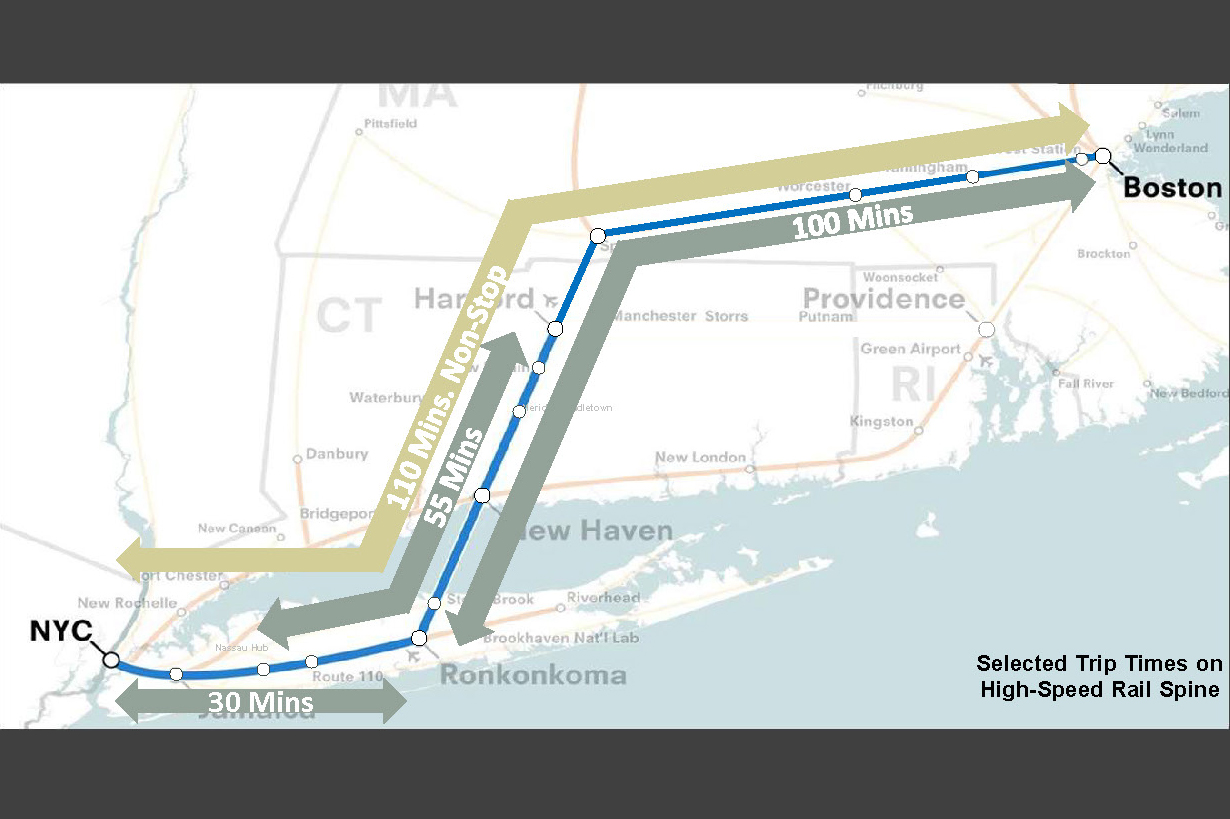
The Acela Express is Amtrak’s high-speed rail service, renowned for its efficiency and premium amenities. Designed for business travelers and those seeking a more luxurious journey, the Acela Express significantly reduces travel time by making fewer stops and operating at higher speeds, reaching up to 150 mph on certain segments.
On average, a journey on the Acela Express from Boston to New York typically takes approximately 3 hours and 30 minutes to 3 hours and 50 minutes. This makes it the fastest ground transportation option between the two cities, often competing favorably with short-haul flights when accounting for airport security, boarding, and travel to and from airports. Passengers benefit from spacious seating, a dedicated Quiet Car, and enhanced onboard services, including a bistro car offering various food and beverage options. All Acela Express tickets are either Business Class or First Class, providing a consistent level of elevated comfort.
Northeast Regional: Affordability and Scenic Views
The Northeast Regional service, while slower than the Acela Express, offers a more budget-friendly alternative with a more traditional train travel experience. It makes more frequent stops at various towns and cities along the Northeast Corridor, allowing passengers to access a wider range of destinations beyond the major hubs.
The average travel time on the Northeast Regional from Boston to New York typically ranges from 3 hours and 50 minutes to 4 hours and 45 minutes. This longer duration is a result of its additional stops and slightly lower average speed. Despite the extended travel time, the Northeast Regional remains a popular choice due to its flexibility, affordability, and the opportunity to observe more of the diverse landscape of New England and the Mid-Atlantic. Passengers can choose between Coach Class and Business Class seating, both offering comfortable arrangements and access to a cafe car.
Factors Influencing Journey Duration
While the general travel times for the Acela Express and Northeast Regional provide a solid estimate, several factors can influence the actual duration of a train journey from Boston to New York.
Route and Stops
The most significant factor is the number of stops a particular train makes. The Acela Express is designed for minimal stops, typically only pausing at major cities like Providence, New Haven, and occasionally Stamford, before reaching New York. In contrast, the Northeast Regional serves a broader network, stopping at smaller towns across Massachusetts, Rhode Island, and Connecticut. Each stop, even if brief, adds minutes to the overall journey time. For instance, some Northeast Regional trains might take a detour via Springfield, MA, which can add a significant amount of time to the journey, although direct Boston to New York trains typically stick to the coastal corridor.
Time of Day and Day of Week
Just like road and air travel, train schedules can be affected by peak travel times. While train traffic is generally more predictable than road congestion, the Northeast Corridor is one of the busiest rail lines in North America. During rush hour or on popular travel days like Fridays and Sundays, there might be slight variations in scheduling or occasional minor delays due to increased track usage. It’s always advisable to check the most current schedules when planning your trip.
Potential Delays and Service Disruptions
Although Amtrak maintains a high standard of punctuality, unforeseen circumstances can sometimes lead to delays. These might include track maintenance, signal issues, mechanical problems, or severe weather conditions. While less common on the high-priority Acela Express route, travelers should always account for potential minor disruptions, especially if connecting to another form of transport immediately upon arrival. Amtrak provides real-time train status updates through its website and mobile app, which are invaluable resources for travelers.
What to Expect Onboard: Comfort and Amenities
Choosing train travel between Boston and New York offers a distinct advantage over other modes: the ability to relax, work, or simply enjoy the journey in comfort.

Seating and Workspace
Both Acela Express and Northeast Regional trains offer comfortable seating arrangements. Acela Express features particularly spacious seats with ample legroom, adjustable headrests, and individual power outlets, making it conducive for working on laptops or simply unwinding. The Quiet Car option on Acela Express (and sometimes available on Northeast Regional) provides an environment free from phone calls and loud conversations, ideal for productivity or peaceful relaxation. Even Coach Class on the Northeast Regional provides more space than economy airline seats, ensuring a comfortable ride.
Dining Options
Amtrak trains typically include a cafe car or bistro car. On the Acela Express, the cafe car offers a selection of sandwiches, salads, snacks, hot and cold beverages, and alcoholic drinks. First Class passengers on Acela Express also receive complimentary at-seat meal service. The Northeast Regional also features a cafe car with similar offerings, ensuring passengers have access to refreshments throughout their journey.
Connectivity
Staying connected is rarely an issue on Amtrak. Most trains, including both Acela Express and Northeast Regional services, offer complimentary Wi-Fi service. While internet speeds can vary, it is generally sufficient for basic browsing, email, and light work, allowing travelers to maximize their travel time or simply stay entertained. Power outlets are available at every seat, ensuring devices remain charged.
Preparing for Your Train Journey
A smooth train journey begins with good preparation. From booking tickets to understanding station logistics, a few key steps can enhance your travel experience.
Booking Your Tickets
Amtrak tickets can be purchased online through the Amtrak website, via their mobile app, over the phone, or in person at station ticket counters. It is generally advisable to book in advance, especially for the Acela Express or during peak travel periods, as prices can increase closer to the departure date. Amtrak employs a dynamic pricing model, meaning prices fluctuate based on demand and how far in advance you book. Consider options like Saver Fares, Value Fares, and Flexi Fares, which offer different levels of flexibility regarding changes and refunds.
Station Information: Boston to New York
In Boston, trains depart from two main stations: South Station and Back Bay Station. Both are centrally located and easily accessible via public transportation (the MBTA subway system). South Station is the larger of the two, serving as a major transportation hub.
Upon arrival in New York, trains terminate at Moynihan Train Hall, a magnificent, modern expansion of the historic Penn Station. Both facilities are located directly in Midtown Manhattan, offering immediate access to subway lines, buses, taxis, and ride-sharing services, making onward travel seamless to any part of the city.
Packing Essentials
Train travel typically allows for more generous luggage allowances compared to air travel, offering passengers the convenience of bringing multiple bags without extra fees. However, it’s always wise to pack a smaller carry-on with essentials you might need during the journey, such as a book, headphones, snacks, water, and any electronic devices. Comfortable clothing is also recommended for the multi-hour journey.

Why Choose the Train Over Other Modes of Transport?
The train journey from Boston to New York presents several compelling advantages over flying or driving.
Firstly, convenience. Unlike airports, train stations like Boston South Station and New York Penn Station/Moynihan Train Hall are centrally located, eliminating the lengthy commutes to and from suburban airports. The time spent navigating security lines and waiting at the gate for flights often negates any perceived time savings from the flight itself.
Secondly, comfort and productivity. Train travel allows passengers to move around, stretch their legs, and utilize Wi-Fi and power outlets to work or relax without interruption. This makes the journey itself a productive part of the day, rather than just transit time.
Thirdly, environmental impact. Train travel is generally considered a more environmentally friendly option compared to driving or flying, contributing to a lower carbon footprint for your journey.
Finally, the experience. There’s an undeniable charm to train travel – watching the landscapes of New England and the Mid-Atlantic unfold outside your window, the rhythmic gentle sway, and the ability to disconnect or connect as you choose. Whether you opt for the swift luxury of the Acela Express or the more leisurely pace of the Northeast Regional, the train journey between Boston and New York offers a civilized and efficient way to traverse this vital corridor.
LifeOutOfTheBox is a participant in the Amazon Services LLC Associates Program, an affiliate advertising program designed to provide a means for sites to earn advertising fees by advertising and linking to Amazon.com. Amazon, the Amazon logo, AmazonSupply, and the AmazonSupply logo are trademarks of Amazon.com, Inc. or its affiliates. As an Amazon Associate we earn affiliate commissions from qualifying purchases.