
Denver, Colorado, a vibrant metropolis nestled at the foot of the majestic Rocky Mountains, proudly holds the moniker “The Mile High City.” This distinctive nickname is not merely a charming appellation; it’s a direct reflection of the city’s geographical elevation above sea level. At precisely one mile, or 5,280 feet, Denver stands as one of the highest major cities in the United States, a fact that shapes its climate, its culture, and the very experiences available to its visitors and residents alike.
The Science and Symbolism of Elevation
The official elevation of Denver is marked by a prominent bronze plaque located on the 13th step of the west entrance to the Colorado State Capitol Building. This precise measurement, confirmed by the United States Geological Survey (USGS), has cemented Denver’s identity as the Mile High City. The scientific accuracy of this elevation underpins the city’s claim to this title, differentiating it from other high-altitude communities that might be perceived as having a similar distinction.
Geographical Context and Its Impact
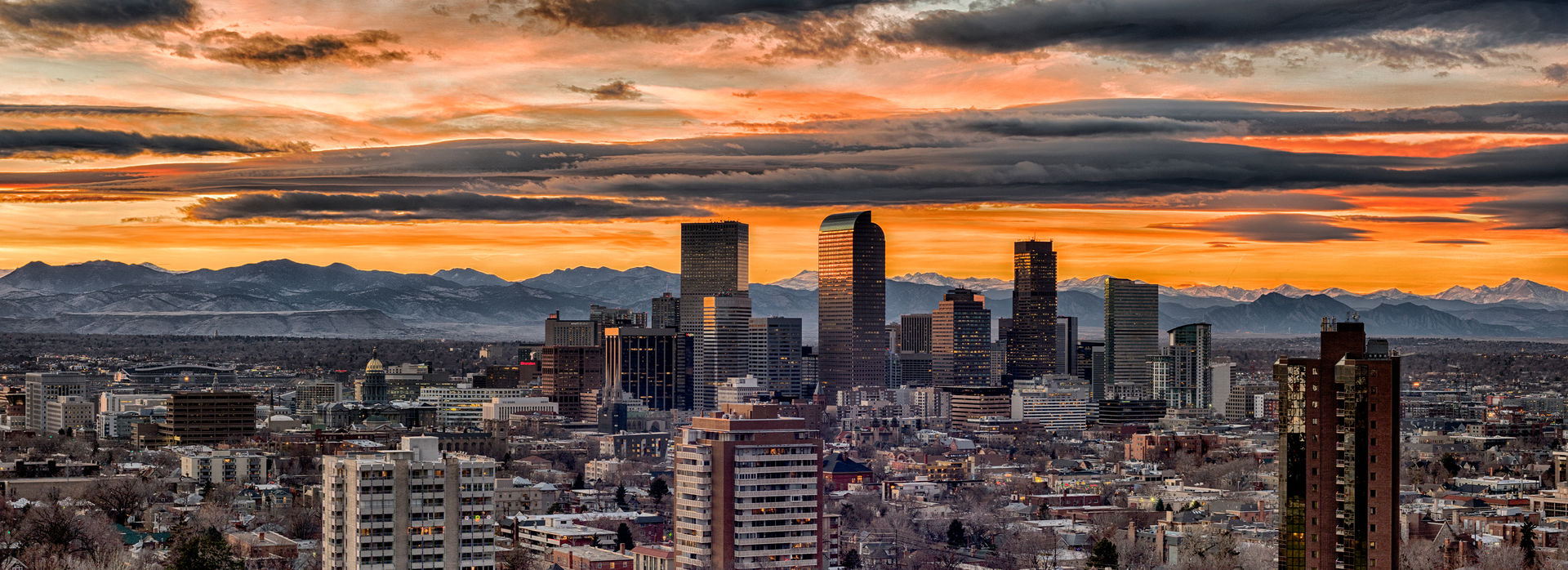
Denver’s location on the western edge of the Great Plains, with the dramatic rise of the Front Range to its west, is crucial to understanding its elevation. The transition from the relatively flat plains to the rising foothills creates a distinct topographical shift. This geographical positioning is not only visually striking but also influences the city’s atmospheric conditions.
- Atmospheric Pressure: At mile-high altitude, Denver experiences lower atmospheric pressure compared to sea-level cities. This means there is less oxygen available per breath. While most people adapt quickly, visitors may notice the effects initially, such as increased heart rate or shortness of breath. Hydration and taking it easy upon arrival are often recommended.
- Climate: The higher elevation contributes to Denver’s semi-arid climate, characterized by sunny days, distinct seasons, and a significant diurnal temperature variation (the difference between daytime highs and nighttime lows). The thin air also means that the sun’s rays can be more intense, making sunscreen an essential companion for outdoor activities.
- Unique Phenomena: The combination of altitude and the nearby mountains can create unique weather patterns, including dramatic thunderstorms in the summer and spectacular snowfalls in the winter. The clarity of the air at this altitude often provides breathtaking views of the Rocky Mountains, a constant backdrop to the urban landscape.
Historical Significance of the “Mile High” Status
The recognition of Denver’s elevation as a defining characteristic began to take hold in the late 19th and early 20th centuries. As the city grew and attracted settlers, its unique geographical position became a point of pride and a marketing advantage.
- Early Settlers and Perceptions: Pioneers and health seekers were drawn to the West, and the perceived benefits of high-altitude living contributed to Denver becoming a destination. The dry, clean air was believed to have restorative properties, particularly for respiratory ailments.
- Tourism and Promotion: The “Mile High” label became an integral part of Denver’s promotional efforts. It offered a clear, quantifiable distinction that set the city apart from its competitors. This simple yet powerful descriptor resonated with travelers and potential residents, highlighting the adventurous spirit associated with the American West.
- The USGS and Official Recognition: The official measurement by the USGS provided scientific validation for the informal claims, solidifying the “Mile High City” title as an undisputed fact. This official recognition lent credibility to the city’s identity and further bolstered its appeal.
Experiencing Denver at a Mile High
The elevated status of Denver is not just a statistical fact; it translates into tangible experiences for visitors and locals. Understanding this unique elevation can enhance one’s appreciation for the city and its surroundings.
Adapting to the Altitude

For first-time visitors to Denver, acknowledging and preparing for the altitude is key to a comfortable and enjoyable stay.
- Hydration is Crucial: The dry air at high altitudes can dehydrate you faster. Drinking plenty of water is essential, even if you don’t feel thirsty. Avoid excessive caffeine and alcohol, which can contribute to dehydration.
- Pace Yourself: Upon arrival, it’s wise to take it easy. Avoid strenuous activities on your first day. Allow your body time to acclimate to the lower oxygen levels.
- Listen to Your Body: Be aware of the symptoms of altitude sickness, which can include headaches, nausea, dizziness, and fatigue. If symptoms persist or worsen, consult a medical professional.
- Healthy Eating: Opt for lighter meals and avoid overeating, as digestion can be slightly affected by the altitude.
Altitude-Influenced Activities and Attractions
The Mile High City offers a wealth of attractions, many of which are either directly influenced by or wonderfully complemented by its elevation.
- Outdoor Adventures: The proximity to the Rocky Mountains means that hiking, biking, skiing, and snowboarding are popular pursuits. Trails around Red Rocks Park and Amphitheatre and further into the mountains offer stunning vistas.
- Denver Botanic Gardens: While not directly altitude-dependent, the gardens showcase a variety of plant life that thrives in Denver’s climate, offering a peaceful escape and an opportunity to appreciate the local flora.
- Sports and Entertainment: Denver is home to several professional sports teams, including the Denver Nuggets (NBA) and the Colorado Rockies (MLB). Experiencing a game at elevation can be a unique thrill, with the thinner air potentially benefiting hitters in baseball. The Ball Arena and Coors Field are popular venues.
- Brewery Scene: Denver boasts a thriving craft beer scene, with numerous breweries offering local brews. The crisp mountain air and sunny days make enjoying a cold beer on a patio a quintessential Denver experience.
- Museums and Cultural Institutions: For those seeking indoor activities, the Denver Art Museum, the Denver Museum of Nature & Science, and the History Colorado Center provide rich cultural insights, offering a welcome respite from the elements.
Beyond the Elevation: The Broader Appeal of Denver
While its mile-high status is its most defining characteristic, Denver’s allure extends far beyond its altitude. The city is a dynamic hub of culture, innovation, and outdoor enthusiasm, attracting a diverse population and a growing number of tourists.
A Hub of Culture and Innovation
Denver has evolved into a sophisticated urban center with a burgeoning arts scene, a vibrant culinary landscape, and a strong spirit of innovation.
- The Arts District: Areas like the Santa Fe Arts District and the Rhinelander neighborhood are brimming with galleries, studios, and performance spaces, showcasing local and international talent.
- Culinary Delights: From farm-to-table restaurants to innovative food trucks, Denver’s dining scene offers something for every palate. The influence of its agricultural surroundings and the influx of diverse populations contribute to a rich gastronomic tapestry.
- Technology and Business: Denver has emerged as a significant center for technology and business, attracting startups and established companies alike, drawn by its educated workforce and high quality of life.

Gateway to Outdoor Recreation
The “Mile High City” serves as the perfect launching pad for exploring the vast natural beauty of Colorado.
- Day Trips: Numerous destinations are within easy driving distance for day trips, including the charming mountain towns of Estes Park (gateway to Rocky Mountain National Park), Golden, and Boulder.
- Winter Sports: Colorado is world-renowned for its ski resorts, and Denver provides convenient access to some of the best. Resorts like Vail, Aspen, and Breckenridge are popular destinations for winter enthusiasts.
- Summer Escapes: During the warmer months, the mountains offer endless opportunities for hiking, camping, fishing, and exploring. The crisp, clean air at higher elevations provides a refreshing contrast to the summer heat experienced in many other parts of the country.
In conclusion, the designation of “The Mile High City” is more than just a geographical descriptor for Denver. It is an intrinsic part of its identity, influencing its climate, shaping its history, and contributing to the unique allure of this dynamic Colorado capital. Whether you are a seasoned traveler or a first-time visitor, understanding and appreciating this elevated status will undoubtedly enrich your experience in this remarkable city.
LifeOutOfTheBox is a participant in the Amazon Services LLC Associates Program, an affiliate advertising program designed to provide a means for sites to earn advertising fees by advertising and linking to Amazon.com. Amazon, the Amazon logo, AmazonSupply, and the AmazonSupply logo are trademarks of Amazon.com, Inc. or its affiliates. As an Amazon Associate we earn affiliate commissions from qualifying purchases.