
While the allure of the Sunshine State often conjures images of pristine beaches, thrilling theme parks, and vibrant nightlife, a crucial aspect for any traveler or prospective resident to understand is its tax structure. The question, “Is Florida tax free?” is a common one, and the answer, like many things, is nuanced. Florida does not levy a state income tax on individuals, which is a significant draw for many. However, this absence of income tax does not equate to a completely tax-free experience. Consumers and businesses alike are subject to various other forms of taxation, most notably sales tax and property tax. Understanding these nuances is paramount for anyone planning a visit, relocation, or investment in the Sunshine State.

Understanding Florida’s Tax Landscape
The absence of a state income tax is Florida‘s most celebrated tax advantage. This policy has been instrumental in attracting a steady stream of new residents, particularly retirees and individuals seeking to maximize their disposable income. For visitors, this means that the money they spend on accommodations, dining, and entertainment is not further reduced by a state-level income tax deduction from their earnings. However, it is crucial to differentiate between income tax and consumption taxes, which form the backbone of Florida‘s revenue generation.
The Absence of State Income Tax
Florida stands as one of a handful of states in the U.S. that does not impose a state income tax on individuals. This means that wages earned within Florida are not subject to state-level income tax withholding. This can lead to a noticeably higher take-home pay for residents compared to those living in states with substantial income tax rates. This policy is often cited as a primary driver for the state’s consistent population growth and robust economic development. For businesses, this also translates into a more attractive environment for investment and expansion, as labor costs are indirectly influenced by this tax structure.
Sales Tax: The Primary Revenue Generator
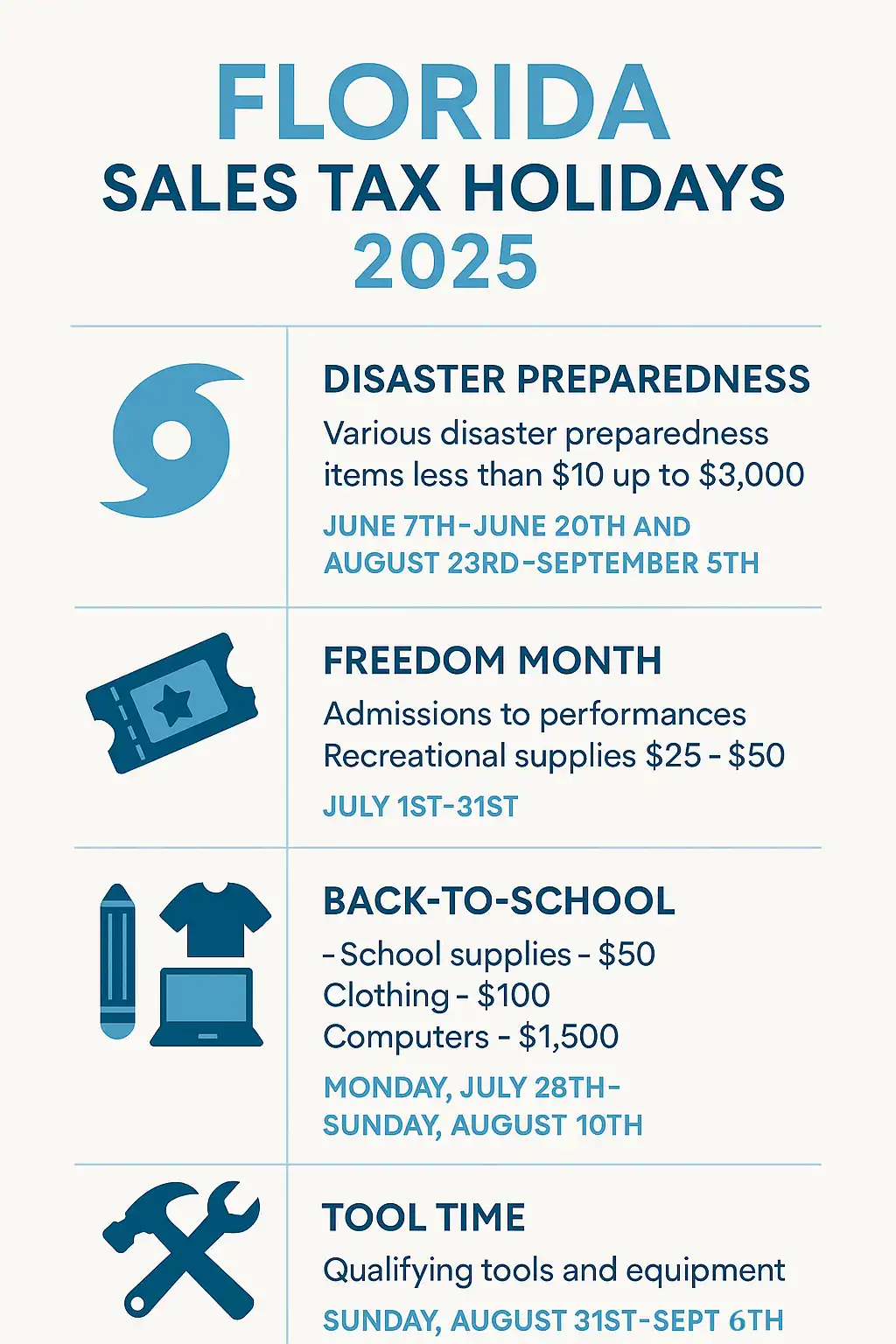
While income tax is absent, Florida relies heavily on sales tax to fund its state and local government services. This tax is applied to the retail sale of tangible personal property and, in many cases, services. The statewide sales tax rate is 6%. However, local counties can impose discretionary sales surtaxes, which can bring the total sales tax rate in certain areas to as high as 8.5%.
Common Items Subject to Sales Tax
- Tangible Personal Property: This includes a vast array of goods, from clothing and electronics to furniture and vehicles. When you purchase these items in Florida, you will pay the applicable sales tax rate at the point of sale.
- Services: Many services are also subject to sales tax. This can include repair services, cleaning services, photographic services, and admission fees to entertainment venues.
- Transient Rentals: Hotels, motels, vacation rentals, and other short-term accommodations are subject to sales tax and, often, additional local tourist development taxes. This means that the advertised nightly rate for a room at a place like the Walt Disney World Swan or a Universal Orlando Resort hotel will likely increase with these taxes.
- Food and Beverages: Prepared food sold in restaurants and ready-to-eat food items from grocery stores are generally subject to sales tax. However, most unprepared food items, such as raw produce and dairy products, are exempt.
Sales Tax Exemptions
It’s important to note that Florida offers numerous sales tax exemptions to stimulate certain economic activities or provide relief. These can include:
- Agricultural Products: Certain agricultural products used in farming are exempt.
- Manufacturing Equipment: Machinery and equipment used in manufacturing can be exempt under specific conditions.
- Prescription Drugs and Medical Supplies: These are generally exempt from sales tax.
- Textbooks: Textbooks purchased for use in educational institutions are typically exempt.
- Food for Home Consumption: As mentioned, most staple groceries are exempt, distinguishing Florida from some states where even these items are taxed.
Understanding these exemptions can be beneficial for businesses operating in Florida and for consumers making significant purchases.
Property Tax: A Local Concern
Another significant tax that residents and property owners in Florida must contend with is property tax. Unlike sales tax, which is levied on transactions, property tax is an ad valorem tax, meaning it is based on the assessed value of real estate and tangible personal property. Property taxes in Florida are levied at the local level by counties, municipalities, school districts, and special taxing districts.
How Property Tax is Calculated
The calculation of property tax involves three main components:
- Assessed Value: This is the value of the property as determined by the county property appraiser.
- Millage Rate: This is the tax rate set by each taxing authority. A mill is one-tenth of a cent, so a millage rate of 10 mills means a tax of $10 per $1,000 of assessed value.
- Exemptions: Property owners can qualify for various homestead and non-homestead exemptions, which reduce the taxable value of their property. The most significant is the homestead exemption, available to primary residences, which can significantly lower the property tax burden for homeowners.
Property Tax Variations Across Florida
Because property taxes are set at the local level, rates can vary considerably from one county or city to another. For instance, property taxes in highly developed areas with extensive public services might be higher than in less developed regions. This makes it crucial for prospective homeowners or investors to research property tax rates in specific areas of interest, such as considering the costs associated with owning a vacation home near attractions like SeaWorld Orlando or along the coast.
Navigating Florida’s Tax for Travelers and Residents
For travelers, the absence of state income tax is a welcome feature, meaning their vacation funds go further. However, the combined sales and tourist taxes on accommodations, dining, and activities can add a significant percentage to the overall cost of a trip. For example, a stay at a luxury resort like the Ritz-Carlton, Amelia Island will be subject to these taxes, impacting the final bill.
Impact on Vacation Budgets
When planning a trip to Florida, it is essential to factor in sales tax and any applicable local tourist taxes. These taxes can add anywhere from 6% to 8.5% or more to the cost of goods and services. Understanding this upfront can help in creating a realistic vacation budget, especially when considering attractions like Walt Disney World or exploring the natural beauty of the Everglades National Park.
Considerations for New Residents
For individuals considering moving to Florida, the lack of state income tax is a major financial incentive. However, they must also account for property taxes if they plan to own a home, and the consistent impact of sales tax on everyday purchases. The overall tax burden will depend on an individual’s spending habits, property ownership, and specific location within the state. Researching the cost of living, including property tax rates in areas like Miami or Tampa, is a critical step in the relocation process.
Specific Tax Considerations
Beyond the general sales and property taxes, Florida has specific tax regulations for certain goods and services, as well as for businesses.
Taxes on Alcohol and Tobacco
Alcoholic beverages and tobacco products are subject to state excise taxes in Florida, in addition to sales tax. These taxes are levied to discourage consumption and generate revenue. The rates can vary depending on the type and volume of the product.
Business Taxes
Businesses in Florida face various tax obligations, including sales tax, corporate income tax (though Florida has no individual income tax, it does have a corporate income tax), unemployment taxes, and property taxes on business assets. The state also imposes a “Gross Receipts Tax” on certain utilities and telecommunications services.
The Corporate Income Tax
While individuals are exempt from state income tax, Florida does have a corporate income tax. This tax is levied on the net income of businesses operating within the state. The rate is currently 5.5% of net taxable income. This is a crucial consideration for any business looking to establish or expand operations in Florida.
Tourist Development Taxes
Many popular tourist destinations in Florida, such as Orlando, Miami Beach, and Key West, impose additional tourist development taxes. These taxes are typically levied on transient rentals (hotels, motels, vacation rentals) and are used to fund tourism-related initiatives, such as advertising, infrastructure improvements, and cultural attractions. These taxes can add a substantial percentage to the cost of hotel stays, further increasing the overall expense of a vacation in these areas.

Conclusion: A Mixed Tax Picture
In conclusion, Florida is not entirely tax free. While it offers a significant advantage with its lack of a state income tax for individuals, residents and visitors alike will encounter sales taxes, property taxes, and various excise and tourist development taxes. The appeal of Florida often lies in the combination of its desirable lifestyle and the absence of income tax, allowing for greater disposable income. However, a comprehensive understanding of all applicable taxes is essential for financial planning, whether you are a tourist budgeting for a dream vacation or an individual contemplating a permanent move to the Sunshine State. The financial landscape of Florida is a complex interplay of tax benefits and obligations, making informed decisions paramount for all.
LifeOutOfTheBox is a participant in the Amazon Services LLC Associates Program, an affiliate advertising program designed to provide a means for sites to earn advertising fees by advertising and linking to Amazon.com. Amazon, the Amazon logo, AmazonSupply, and the AmazonSupply logo are trademarks of Amazon.com, Inc. or its affiliates. As an Amazon Associate we earn affiliate commissions from qualifying purchases.