
For many travelers, experiencing the heart of a destination means delving into its culinary traditions. Nowhere is this more evident than in the American South, where barbecue reigns supreme as both a meal and a cultural institution. The Boston Butt, despite its misleading name (it’s actually from the upper shoulder of the pig, not the rear, and got its name from how pork shoulders were once packed in barrels, or “butts,” in Boston), is the foundational cut for much of the region’s iconic pulled pork. Understanding how to prepare this cut, even if just in your own kitchen using a Crock Pot, offers a delicious portal into the rich tapestry of Southern food culture. This guide explores the culinary significance of the Boston Butt and details the crucial cooking times required to achieve authentic, fall-apart tender results, bringing a piece of Southern hospitality right to your plate.

The Cultural Significance of the Boston Butt in Southern Culinary Tourism
The Boston Butt is not merely a piece of meat; it’s a centerpiece of Southern barbecue, a tradition steeped in history, community, and regional identity. When tourists visit states like North Carolina, South Carolina, Tennessee, Georgia, or Texas, seeking out authentic barbecue is often a top priority. Each state, and sometimes even individual towns, boasts its own distinct style – from the vinegar-based sauces of Eastern North Carolina to the mustard-based delights of South Carolina and the tomato-based concoctions found in Memphis or Kansas City. What unites many of these traditions, especially when it comes to pork, is the slow-cooked Boston Butt.
This cut, rich in marbling and connective tissue, transforms through hours of low, slow cooking into incredibly tender, flavorful meat that can be easily pulled apart. This transformation is not just a culinary process; it’s a testament to patience and tradition. For travelers who have savored true Southern pulled pork at roadside shacks or celebrated barbecue joints, recreating that experience at home becomes an extension of their travel memories. The act of preparing a Boston Butt in a Crock Pot allows one to participate in a piece of American culinary heritage, even without a smoker or a trip to the Deep South. It’s about more than just food; it’s about understanding the ethos of a region through its most beloved dishes.
Regional Barbecue Styles and the Boston Butt
- Carolina Barbecue: In both North Carolina and South Carolina, pulled pork from the Boston Butt is king. Eastern North Carolina favors whole hog barbecue, but the shoulder is always a star, often dressed simply with a vinegar-pepper sauce. Western North Carolina (or Lexington style) uses a vinegar-ketchup base. South Carolina is renowned for its diverse sauces, including mustard-based, vinegar-pepper, and light tomato.
- Memphis Barbecue: While ribs are famous, pulled pork sandwiches are a staple. The Boston Butt is often slow-smoked and served with a sweet, tangy tomato-based sauce.
- Texas Barbecue: Primarily known for beef brisket, many Texas barbecue joints also offer fantastic pulled pork, often rubbed simply with salt and pepper and smoked for hours.
- Other Southern States: Alabama, Virginia, Georgia, Mississippi, and Louisiana all have their own nuanced approaches to pulled pork, contributing to the vast and varied landscape of Southern food tourism.
The Art of Slow Cooking: Embracing the Crock Pot for Authentic Flavor
The essence of great pulled pork lies in its tenderness, a quality achieved by patiently breaking down the tough connective tissues in the Boston Butt. Traditionally, this involves hours in a smoker over wood fire, imparting a smoky flavor that is hard to replicate. However, for the home cook or the culinary traveler wanting to bring those flavors home, the Crock Pot (or slow cooker) is an indispensable tool. It excels at maintaining a consistent low temperature over extended periods, perfectly mimicking the conditions needed to tenderize the meat without drying it out.
The Crock Pot’s enclosed environment also helps trap moisture, ensuring the pork remains juicy. While it won’t impart a deep smoky flavor like a true barbecue pit, it provides a fantastic base for adding liquid smoke or a well-balanced dry rub that can evoke the spirit of Southern barbecue. This method allows enthusiasts to focus on the essential tenderness and rich pork flavor, which are paramount to an authentic pulled pork experience. It makes the complex art of barbecue accessible, allowing travelers to relive or prepare for their culinary adventures with ease.
Timing is Everything: Achieving Pulled Pork Perfection
The question of “how long to cook a Boston Butt in a Crock Pot?” is central to achieving that desired fall-apart texture. The goal is to reach an internal temperature where the collagen breaks down into gelatin, making the meat incredibly succulent and easy to shred.
General Guidelines for Cooking Time
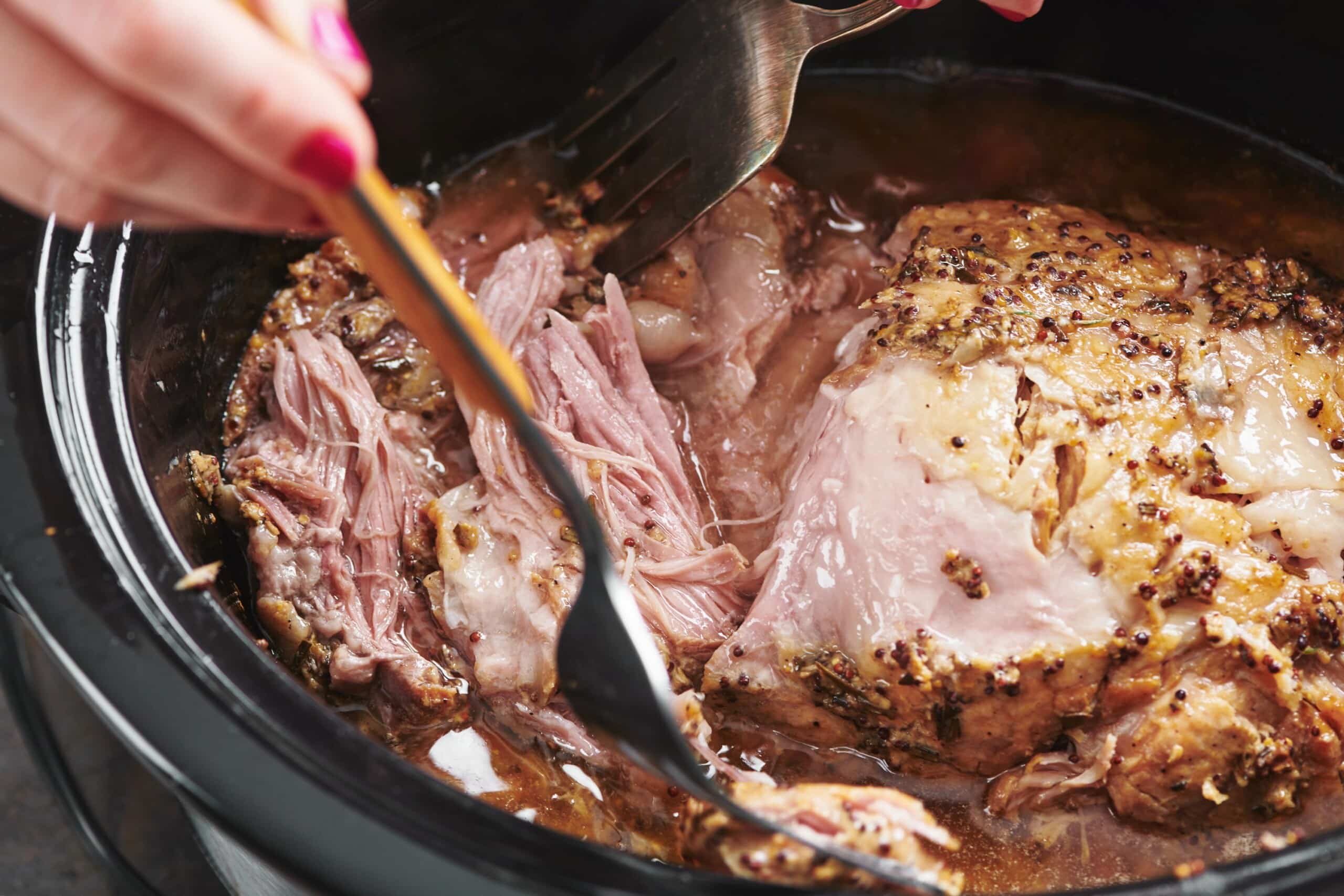
For a typical 3-5 pound bone-in or boneless Boston Butt:
- On LOW setting: Plan for 8-10 hours. This slow and steady approach is ideal for maximum tenderness and flavor development.
- On HIGH setting: Plan for 4-6 hours. While faster, cooking on high can sometimes lead to slightly less tender results and a greater risk of drying out if not monitored closely.
Factors Affecting Cooking Time
Several variables can influence the exact cooking duration:
- Size of the Butt: A larger 7-8 pound Boston Butt will naturally require more time, potentially 10-12 hours on low. Smaller cuts (2-3 pounds) might be ready in 6-8 hours on low.
- Bone-in vs. Boneless: Bone-in cuts tend to cook slightly slower but often yield more flavor due to the bone marrow. Boneless cuts might cook a little faster.
- Crock Pot Size and Efficiency: Older or smaller Crock Pots may cook differently than newer, larger models. The amount of liquid used can also impact heat distribution.
- Initial Temperature of the Meat: Meat straight from the refrigerator will take longer to come up to temperature than meat that has sat out for a short period (though always prioritize food safety).
- Desired Tenderness: The ultimate indicator is when the meat easily pulls apart with two forks. Don’t be afraid to let it cook a little longer if it’s still resisting.
The Internal Temperature Sweet Spot
While time is a guide, the most reliable indicator of doneness is the internal temperature and, more importantly, the meat’s texture. For pulled pork, you’re aiming for an internal temperature between 195°F and 205°F (90°C and 96°C). At this range, the connective tissues have fully broken down. A meat thermometer is highly recommended for accuracy. The meat should feel incredibly tender when probed, with little to no resistance.

Beyond the Cook: Serving Your Southern Feast
Once your Boston Butt has reached peak tenderness, carefully remove it from the Crock Pot and let it rest for 15-20 minutes. This allows the juices to redistribute, ensuring maximum moisture. Then, using two forks or barbecue claws, shred the pork against the grain. You can discard any excess fat or gristle, though some fat is desirable for flavor and moisture.
The leftover cooking liquid in the Crock Pot is a treasure trove of flavor. Skim off any excess fat, and then stir a few spoonfuls back into the shredded pork to keep it moist. This is also the ideal time to add your favorite barbecue sauce – whether it’s a tangy vinegar sauce reminiscent of North Carolina, a sweet and smoky sauce from Kansas City, or a mustard-based sauce from South Carolina.
To complete your Southern feast and truly immerse yourself in the culinary tourism experience at home, serve your pulled pork with classic sides:
- Coleslaw: Creamy or vinegar-based, coleslaw provides a refreshing crunch and cuts through the richness of the pork.
- Cornbread: A staple of Southern tables, perfect for soaking up juices.
- Baked Beans: Often slow-cooked with bacon and brown sugar, these are a hearty companion.
- Pickles and Onions: For a tangy contrast that brightens the palate.
Preparing a Boston Butt in a Crock Pot is more than just cooking; it’s an invitation to explore the deep, flavorful traditions of Southern barbecue. It’s a way to savor memories of past trips or build anticipation for future ones, all from the comfort of your kitchen. By mastering the art of slow cooking, you’re not just making dinner – you’re embarking on a delicious journey through American culinary history.
LifeOutOfTheBox is a participant in the Amazon Services LLC Associates Program, an affiliate advertising program designed to provide a means for sites to earn advertising fees by advertising and linking to Amazon.com. Amazon, the Amazon logo, AmazonSupply, and the AmazonSupply logo are trademarks of Amazon.com, Inc. or its affiliates. As an Amazon Associate we earn affiliate commissions from qualifying purchases.