
Understanding the duration of a flight from New York to China is a crucial aspect of planning any international journey. This extensive transpacific route involves navigating significant distances and time zones, making it one of the longer commercial flights available. The exact time can fluctuate based on several factors, including the specific airports of departure and arrival, prevailing wind conditions, the type of aircraft, and the presence or absence of layovers.
Direct vs. Connecting Flights
The most significant determinant of flight time from New York to China is whether the flight is direct or involves one or more stops.

Direct Flights
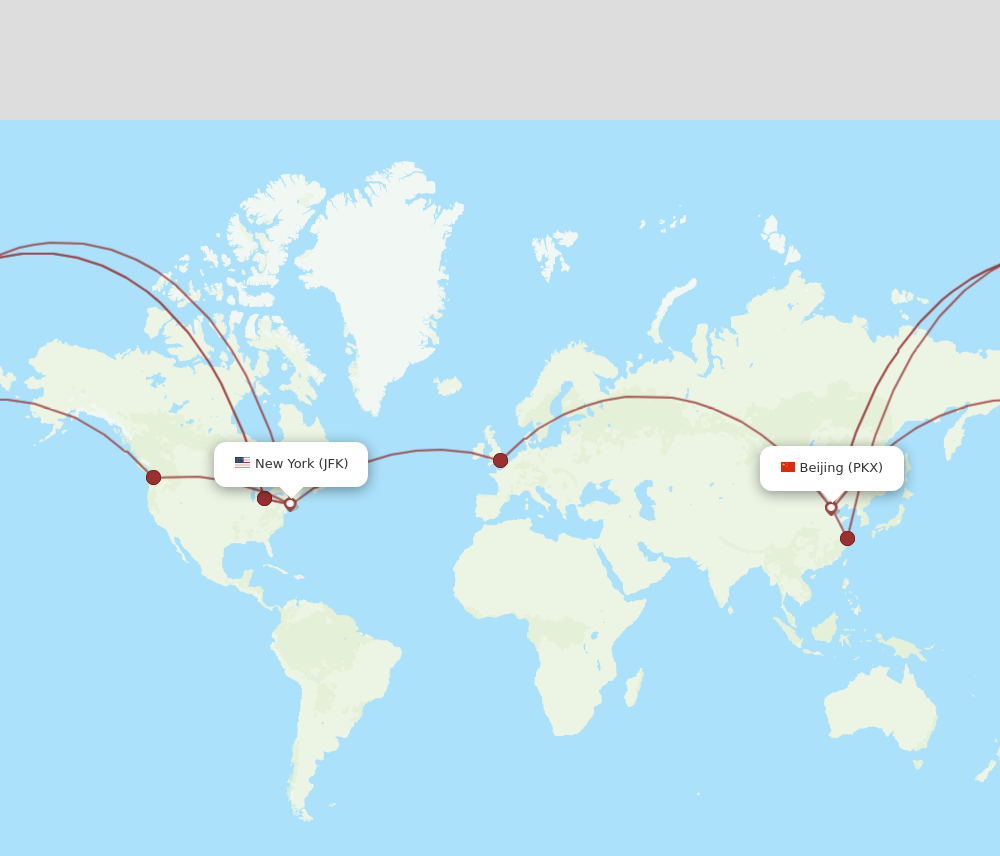
Direct flights, while offering the convenience of uninterrupted travel, are generally less common for this route and often command a higher price. For instance, a non-stop flight from New York JFK to Shanghai Pudong International Airport typically ranges from 14 to 15 hours. Similarly, a direct journey to Beijing Capital International Airport would fall within a similar timeframe. These flights are operated by major international carriers like China Eastern Airlines, Air China, and sometimes United Airlines or American Airlines in partnership with Chinese airlines.
The appeal of a direct flight lies in its efficiency, minimizing transit time and the potential for lost luggage or missed connections. However, the longer the flight, the more demanding it can be on passengers, requiring strategies for comfort and managing jet lag.
Connecting Flights
Connecting flights are far more prevalent for travel between New York and China. These journeys break up the long haul into two or more segments, with a layover in an intermediate city. The total travel time for connecting flights can vary dramatically.
Common Layover Hubs
Layovers can occur in various locations, influencing the overall duration:
- North American Hubs: Some itineraries might involve a stopover on the West Coast of the United States, such as in Seattle, San Francisco, or Los Angeles, before continuing across the Pacific.
- Asian Hubs: More commonly, layovers are strategically placed in other major Asian cities. These can include:
- Tokyo (Narita International Airport or Haneda Airport)
- Seoul (Incheon International Airport)
- Hong Kong (Hong Kong International Airport)
- Sometimes even cities in the Middle East like Dubai or Doha are utilized, though these add significant mileage.
Total Travel Time with Layovers
With one or more layovers, the total travel time can extend significantly. A journey with a single, efficient layover could take anywhere from 17 to 22 hours. However, itineraries with longer layovers, or those that require changing airlines or terminals, can easily stretch to 24, 30, or even 40+ hours.
The length of the layover is a critical factor. A short layover of 1-2 hours might be stressful, while a layover of 8-12 hours can offer a chance to stretch, grab a meal, or even explore a small part of the transit city if visa regulations permit. Conversely, very long layovers, especially those overnight, can necessitate booking airport hotels or considering an extended stopover experience.
Factors Influencing Flight Duration
Beyond the direct vs. connecting distinction, several other variables play a role in the actual flight time.
Aircraft Type and Speed
Modern wide-body aircraft used for long-haul international flights, such as the Boeing 777, Boeing 787 Dreamliner, and Airbus A380, have cruising speeds that are relatively consistent. However, subtle differences in their optimal cruising altitudes and speeds, along with efficiency optimizations by the airlines, can lead to minor variations.
Wind Conditions (Jet Streams)
Perhaps the most significant variable influencing flight times, especially on such long routes, is the wind. Aircraft flying east to west (e.g., New York to China) typically encounter headwinds from the prevailing jet streams. These tailwinds, blowing from west to east, can add to the flight time. Conversely, flights traveling west to east (e.g., Shanghai to New York) benefit from these tailwinds, making the return journey often shorter.
The strength and position of the jet stream can vary daily, meaning that even on the same route with the same aircraft and no layovers, flight times can differ by 30 minutes to over an hour due to wind conditions. Airlines monitor these conditions closely and adjust flight paths to take advantage of favorable winds or mitigate headwinds where possible.
Flight Path and Air Traffic Control
Air traffic control (ATC) plays a vital role in determining flight paths. While the most direct great-circle route is often the most fuel-efficient, ATC may direct aircraft along slightly different paths due to air traffic congestion, weather avoidance, or military airspace. These deviations, though usually minor, can add to the total flight time. Airlines often file flight plans with optimal routes, but actual adherence can be influenced by ATC instructions en route.
Time of Year and Seasonal Weather Patterns
While less impactful than daily wind conditions, broader seasonal weather patterns can also influence routes and, consequently, flight times. For instance, avoiding certain storm systems during specific seasons might lead to minor route adjustments.
Planning Your Journey: Tips for Long Flights
Given the significant duration of flights from New York to China, planning is essential for a comfortable and manageable travel experience.
Choosing Your Route
When booking, consider the trade-off between direct flight cost and the convenience of non-stop travel versus the potentially lower cost but longer duration of connecting flights. If opting for a connecting flight, pay close attention to layover times. A layover of 2-4 hours is usually ideal – enough time to disembark, navigate the airport, potentially grab a bite, and re-board without excessive stress. Longer layovers can be an opportunity for a brief exploration if time and visa regulations permit, but they significantly increase total travel time.
Comfort on Board
- Seat Selection: If possible, choose seats in advance. Aisle seats offer easier access to stretch your legs, while window seats provide a place to rest your head. Bulkhead seats and exit rows often offer more legroom, though they may come with restrictions or higher costs.
- In-Flight Entertainment: Most long-haul flights offer extensive in-flight entertainment systems with movies, TV shows, music, and games. Download content to your personal devices beforehand as a backup.
- Comfort Items: Pack essentials like a neck pillow, eye mask, earplugs or noise-canceling headphones, and comfortable clothing. Layers are recommended as cabin temperatures can fluctuate.
- Hydration and Movement: Drink plenty of water and avoid excessive alcohol and caffeine, which can dehydrate you. Get up and walk the aisles periodically to improve circulation and reduce the risk of deep vein thrombosis (DVT).

Navigating Time Zones and Jet Lag
The difference in time zones between New York and major Chinese cities like Beijing or Shanghai is substantial (typically 12-13 hours). To mitigate jet lag:
- Adjust Your Sleep Schedule: Start adjusting your sleep schedule a few days before departure.
- Onboard Strategies: Try to sleep on the plane during the hours that correspond to nighttime at your destination.
- Upon Arrival: Expose yourself to natural daylight upon arrival and avoid long naps. Stick to the local schedule for meals and sleep as much as possible.
By carefully considering these factors and planning accordingly, travelers can ensure their journey from New York to China is as smooth and comfortable as possible, setting a positive tone for their visit.
LifeOutOfTheBox is a participant in the Amazon Services LLC Associates Program, an affiliate advertising program designed to provide a means for sites to earn advertising fees by advertising and linking to Amazon.com. Amazon, the Amazon logo, AmazonSupply, and the AmazonSupply logo are trademarks of Amazon.com, Inc. or its affiliates. As an Amazon Associate we earn affiliate commissions from qualifying purchases.