
For travelers setting their sights on the vibrant city of Boston, MA, understanding the local air travel landscape is paramount. While many major metropolitan areas boast multiple commercial airports, the question of “how many airports” serving Boston often leads to a single, dominant answer for commercial passenger flights. However, a broader view reveals a network of airfields that collectively contribute to the region’s air accessibility, catering to a diverse range of travel needs from international journeys to private aviation.
At the heart of Boston’s air travel infrastructure stands Logan International Airport (BOS). This bustling hub is not just an airport; for the vast majority of commercial passengers, it is the airport when flying into or out of Boston. Beyond Logan, several smaller regional and general aviation airports dot the surrounding Massachusetts landscape, serving specific niches within the broader travel ecosystem.
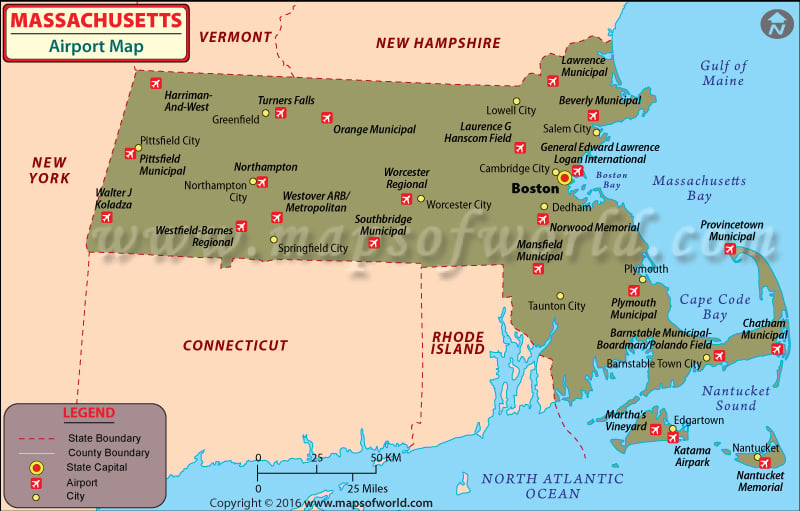
Logan International Airport: The Primary Gateway to New England
Boston Logan International Airport, officially named General Edward Lawrence Logan International Airport, is the undisputed principal airport serving the Boston metropolitan area and the greater New England region. Located just three miles East Boston across Boston Harbor, its proximity to the city center is a significant advantage for travelers, minimizing ground transportation time. Managed by the Massachusetts Port Authority (Massport), Logan handles tens of millions of passengers annually, making it one of the busiest airports in the United States.
Overview and Significance for Travelers
Logan’s strategic location and extensive network of domestic and international flights make it indispensable for travel to and from Boston. For leisure travelers, it offers direct access to a city rich in history, culture, and attractions. For business travelers, Logan serves as a critical link to Boston’s thriving innovation, finance, and biotech sectors. Its status as an international gateway connects New England to destinations across Europe, Asia, Canada, and the Caribbean, solidifying Boston’s global reach.
The airport continually invests in infrastructure upgrades and passenger amenities, aiming to enhance the travel experience. From modern check-in facilities to a diverse array of dining and retail options, Logan strives to provide a comfortable and efficient environment for its millions of annual visitors. Travelers can find everything from quick-service cafes to sit-down restaurants, duty-free shops, and local boutiques, ensuring that pre-flight or post-flight needs are well met.
Terminals and Services
Logan International Airport features four main terminals: A, B, C, and E. Each terminal is designed to handle a specific set of airlines and offers a range of services:
- Terminal A: Primarily serves Delta Air Lines and its partners. It’s known for its modern design and ample natural light, offering a pleasant start or end to a journey.
- Terminal B: Home to American Airlines, Spirit Airlines, Southwest Airlines, and United Airlines, among others. This terminal is split into North and South sections, requiring careful navigation.
- Terminal C: Serves JetBlue as its primary carrier, along with Aer Lingus and Cape Air. It also hosts several common-use gates for various airlines.
- Terminal E (International Terminal): Dedicated to most international arrivals and departures, it’s equipped with Customs and Border Protection facilities. Major international carriers like Lufthansa, British Airways, Air France, and Emirates operate from here.
All terminals are interconnected by a complimentary shuttle bus service, making transfers between flights or accessing different services relatively straightforward. Free Wi-Fi is available throughout the airport, and charging stations are increasingly prevalent, catering to the needs of modern travelers. Pet relief areas, family restrooms, and nursing suites further enhance the airport’s traveler-friendly amenities.
Connectivity and Ground Transportation
One of Logan’s strongest assets is its robust ground transportation network, crucial for travelers navigating to and from the city. Options include:
- MBTA Silver Line: A dedicated bus rapid transit service offering direct connections from all terminals to South Station in downtown Boston, providing access to commuter rail and subway lines. It’s a cost-effective and efficient option.
- MBTA Blue Line: Free shuttle buses connect all terminals to the Airport Blue Line Station, which then provides subway service to downtown Boston and beyond.
- Logan Express: A convenient bus service connecting the airport to suburban locations like Braintree, Framingham, Peabody, and Woburn, ideal for travelers coming from surrounding communities.
- Taxi and Ride-Shares: Readily available at all terminals, offering direct door-to-door service.
- Water Taxi: A scenic and often quicker alternative, especially during peak traffic hours, connecting the airport to various points on the Boston waterfront.
- Rental Cars: All major car rental agencies operate at Logan, with a consolidated rental car center accessible via shuttle.
Regional and General Aviation Options Around Boston
While Logan serves as the primary commercial airport, several other airports in the greater Boston area cater to different segments of air travel, from private jets to smaller regional flights and flight training. These facilities play a vital role in supporting the region’s overall aviation needs, offering flexibility and specialized services for travelers beyond typical commercial routes.

Laurence G. Hanscom Field (Bedford, MA)
Approximately 14 miles northwest of downtown Boston, Laurence G. Hanscom Field (BED) is Massachusetts’s largest general aviation airport. While it does not handle scheduled commercial airline service in the same vein as Logan, Hanscom Field is a significant hub for corporate and private jet travel. For discerning travelers seeking privacy, efficiency, and direct access closer to Boston’s western suburbs and innovation corridor, Hanscom is an invaluable alternative. It provides comprehensive fixed-base operator (FBO) services, including aircraft fueling, maintenance, and passenger amenities, making it a crucial link for business executives and private travelers.
Norwood Memorial Airport (Norwood, MA)
Situated about 16 miles southwest of Boston, Norwood Memorial Airport (OWD) is another key general aviation facility. It primarily serves corporate and private aircraft, flight training, and air charter operations. While much smaller than Hanscom, Norwood offers a convenient option for travelers whose destinations are in the southern suburbs of Boston, avoiding the congestion of Logan. It’s a vital asset for local businesses and individuals requiring efficient air travel without the commercial complexities.
Beverly Regional Airport (Beverly, MA)
Located approximately 18 miles north of Boston, Beverly Regional Airport (BVY) primarily supports general aviation activities, including recreational flying, flight training, and corporate travel. For travelers heading to the North Shore of Massachusetts, Beverly provides a closer, less congested entry point than Logan. It plays a significant role in connecting the northern communities of Massachusetts with the broader air travel network for private and business purposes.
Other Smaller Airfields
Beyond these more prominent general aviation facilities, several smaller public and private airfields exist within a broader radius of Boston. These include municipal airports like Mansfield Municipal Airport (18 miles southwest) or Lawrence Municipal Airport (26 miles north). While they do not feature scheduled passenger service, they support flight schools, private aircraft owners, and occasional air charters, contributing to the region’s overall aerial connectivity and providing specialized travel options for pilots and specific traveler segments.
Navigating Boston’s Air Travel Landscape
For the vast majority of travelers, Logan International Airport is the sole airport they will interact with when flying to or from Boston. Its extensive network, amenities, and connectivity to the city center make it the logical and most practical choice for commercial flights. However, understanding the existence of other regional airports provides a more complete picture of Boston’s air travel capabilities.
Choosing the Right Airport for Your Trip
The decision of which airport to consider ultimately depends on the nature of your travel:
- Commercial Passenger Travel: For scheduled flights, whether domestic or international, Logan International Airport (BOS) is the only viable option in the immediate Boston area. It offers the full spectrum of airline services and connections.
- Private or Corporate Travel: For those utilizing private jets or corporate charters, Laurence G. Hanscom Field (BED) or Norwood Memorial Airport (OWD) offer more tailored services, convenience, and privacy, often closer to specific business hubs or residential areas outside the downtown core.
- Flight Training or Recreational Flying: Smaller regional airports like Beverly Regional Airport (BVY) or others further afield are ideal for these specialized aviation activities.
When planning travel to Boston, focusing on Logan will cover almost all commercial passenger needs. Its continuous development aims to streamline the passenger journey, from arrival to departure, ensuring that Boston remains an accessible and welcoming destination for travelers worldwide.

Boston’s Aerial Tapestry: A Hub for Travel
In conclusion, while Boston primarily relies on a single major commercial gateway, Logan International Airport, its broader air travel infrastructure is a complex network. For commercial travelers, the answer to “How many airports in Boston, MA?” is effectively one, but this single hub is a highly efficient, well-connected, and continuously evolving facility. For those involved in private or general aviation, the surrounding region offers several additional airfields that cater to specific needs, highlighting Boston’s comprehensive approach to air travel connectivity.
This multi-faceted aviation landscape ensures that Boston remains a pivotal destination, not just for tourism and culture, but also as a critical nexus for business, education, and innovation, seamlessly connecting it to the rest of the United States and the world. Travelers can arrive confidently, knowing that Boston’s air travel options are designed to facilitate smooth and efficient journeys, making the city a prime choice for any travel itinerary.
LifeOutOfTheBox is a participant in the Amazon Services LLC Associates Program, an affiliate advertising program designed to provide a means for sites to earn advertising fees by advertising and linking to Amazon.com. Amazon, the Amazon logo, AmazonSupply, and the AmazonSupply logo are trademarks of Amazon.com, Inc. or its affiliates. As an Amazon Associate we earn affiliate commissions from qualifying purchases.