
The escalating presence of Burmese pythons in the Florida Everglades has presented a significant ecological challenge, prompting innovative and often costly solutions from the state. While much attention is paid to the capture and removal of adult pythons, the reproductive cycle of these invasive reptiles, specifically their eggs, has also become a focal point for management strategies. Understanding the financial investment Florida makes in addressing python reproduction, particularly through programs that incentivize the collection of python eggs, reveals a complex interplay between conservation goals, economic realities, and the sheer scale of the invasive species problem.
The Economic Imperative of Python Egg Removal
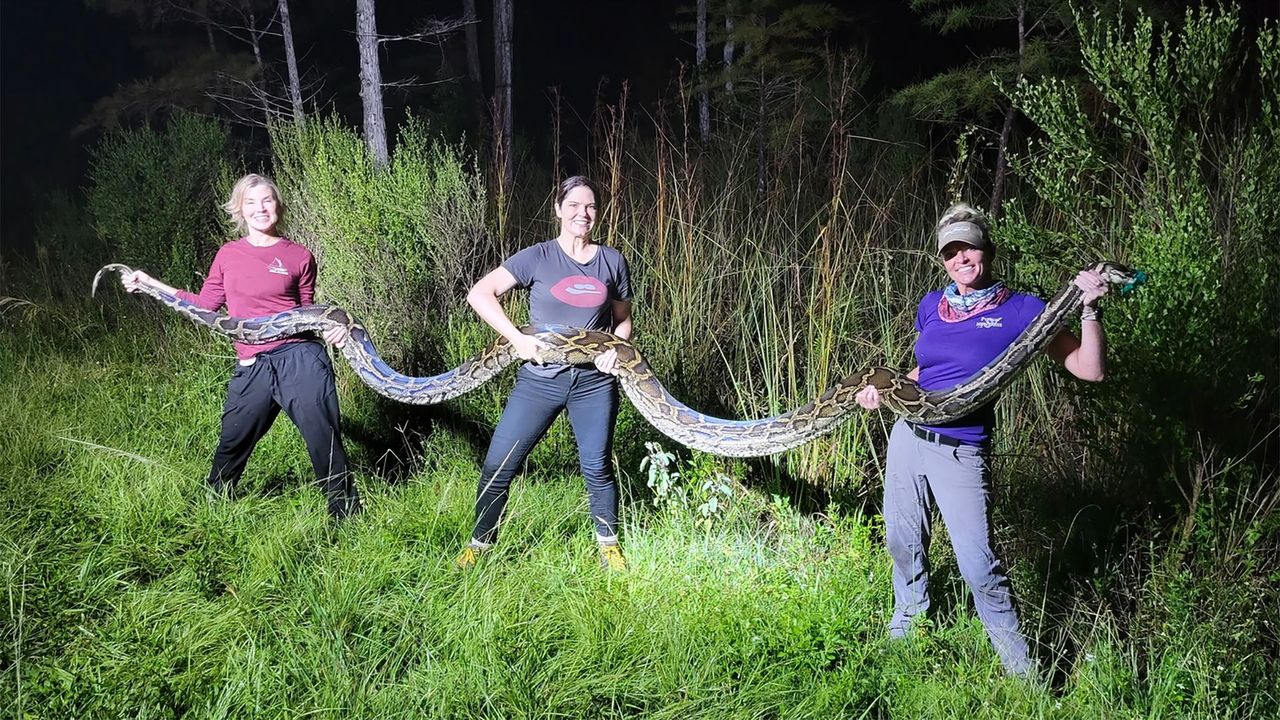
The Burmese python invasion in South Florida is not merely an ecological crisis; it carries substantial economic implications. The degradation of native ecosystems directly impacts the tourism industry, a cornerstone of the state’s economy, by diminishing the appeal of natural attractions and potentially affecting hunting and fishing opportunities. Furthermore, the cost of long-term ecological restoration and the potential for property damage necessitate proactive measures. In this context, targeting python eggs represents a strategic approach to disrupt the species’ life cycle at its most vulnerable stage, thereby potentially reducing future populations and mitigating long-term economic burdens.
Programmatic Incentives for Egg Collection
Recognizing the efficacy of removing eggs before they hatch, various programs have been established to encourage public participation in python control. These initiatives often involve offering financial rewards for the discovery and collection of python nests. The rationale is straightforward: by compensating individuals for their efforts, the state leverages a broader network of eyes and hands to locate and neutralize reproductive sites that might otherwise go undetected. This decentralized approach can be more cost-effective than solely relying on agency personnel for such extensive fieldwork.
The structure of these incentive programs can vary. Some may offer a fixed bounty per nest or per egg, while others might employ a tiered system based on the size of the nest or the number of eggs. The aim is to make the endeavor financially attractive enough to motivate a significant number of participants, from seasoned snake hunters to casual nature enthusiasts who might stumble upon a nest. The cost-effectiveness of these programs is a subject of ongoing evaluation, as it depends on factors such as the bounty amount, the success rate of nest discovery, and the overall impact on python populations.
Quantifying the Investment: Cost Per Egg and Per Nest
Determining the precise financial outlay for python egg collection requires an examination of specific program data. While official figures can fluctuate based on annual budgets and program adjustments, historical trends and publicly available information offer insights into the financial commitment. The concept of “cost per egg” or “cost per nest” becomes a critical metric for assessing the efficiency of these removal efforts.
In past initiatives, such as those supported by the Florida Fish and Wildlife Conservation Commission (FWC), bounties have been structured to incentivize the removal of both pythons and their eggs. For instance, programs have paid out hundreds of dollars for large pythons and smaller, but still significant, amounts for nests. The precise payment for eggs themselves often comes as part of a package for retrieving the entire nest. The rationale is that destroying the eggs is paramount, and compensating for the entire nest, including the labor and risk involved in finding and collecting it, is the most effective incentive.
Consider a hypothetical scenario: if a program pays $50 for a discovered python nest containing an average of 25 eggs, the cost per egg removed via this method would be approximately $2. This calculation, however, doesn’t account for administrative costs, outreach, or the personnel required to manage such programs. The true cost to the state is a broader figure that encompasses all operational expenses. It is important to note that these figures are illustrative and actual program payments have varied. The goal is always to find a balance that encourages participation without becoming prohibitively expensive.
Challenges in Cost-Benefit Analysis
The economic evaluation of python egg collection is inherently complex. While the direct cost of bounties can be quantified, the indirect benefits—such as the prevention of future ecological damage and the potential recovery of native species—are more challenging to measure in monetary terms. Furthermore, the effectiveness of egg collection is directly tied to the ability to locate nests, which is a difficult task in the vast and often inaccessible terrains of the Everglades.

Factors that influence the cost-benefit analysis include:
- Discovery Rate: How successful are the programs in finding nests? A low discovery rate means higher costs per egg effectively removed from the breeding population.
- Nest Viability: Are the collected eggs fertile? Removing infertile eggs has a different impact than removing fertile ones.
- Program Reach: How widespread is the program’s participation? A larger pool of participants can increase discovery rates.
- Long-Term Impact: What is the sustained reduction in python populations attributable to egg removal? This requires long-term monitoring and research.
- Administrative Overhead: The costs associated with managing the program, including public communication, participant registration, and payment processing, add to the overall expense.
Despite these challenges, the strategic removal of python eggs remains a vital component of Florida’s invasive species management strategy, balancing immediate financial outlays against the long-term imperative of ecological preservation.
Beyond Bounties: Integrated Management Strategies
While financial incentives for python egg collection are a prominent feature of Florida’s response, they are by no means the sole solution. A comprehensive strategy involves a multi-pronged approach, integrating various methods to control and manage the python population effectively. Egg collection, in this broader context, serves as a critical proactive measure that complements other efforts.
Research and Monitoring
Significant investment is also directed towards research aimed at understanding python biology, behavior, and reproductive patterns. This scientific underpinning informs management decisions, helping to identify high-risk areas for nesting and optimal times for intervention. Monitoring programs, often employing advanced technologies like thermal imaging and drone surveillance, assist in locating pythons and their nests, providing valuable data for both removal efforts and long-term population assessment. The cost associated with this research and monitoring, while not directly paying for eggs, is fundamental to the success of any collection program.
Public Education and Outreach
Raising public awareness about the python problem and empowering citizens with the knowledge to identify and report pythons and nests is crucial. Educational campaigns, often targeting residents and visitors in affected areas, encourage responsible actions and foster a sense of collective responsibility. While the direct financial cost of such outreach might not be immediately apparent in terms of “paying for eggs,” it is an indispensable component of an effective invasive species management program. An informed public can contribute significantly to detection and reporting, indirectly reducing the cost and increasing the efficiency of egg removal efforts.
Direct Removal Programs
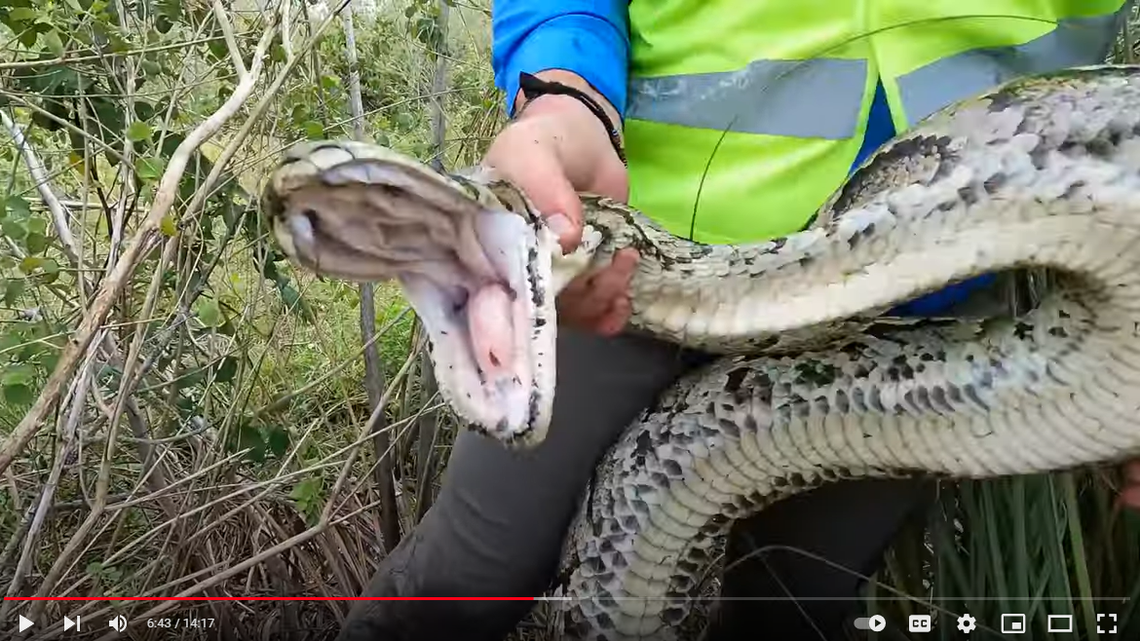
Beyond bounty programs, dedicated teams of trained personnel, often employed by agencies like the South Florida Water Management District (SFWMD) and the FWC, conduct direct removal operations. These professionals are equipped to handle large and dangerous reptiles and are often tasked with systematically surveying known python habitats. While these individuals are compensated through salaries, their efforts, which include nest discovery and removal, represent a significant state investment in python control. The cost of these operations is part of the broader budget allocated to invasive species management, contributing to the overall effort to curb the python population and, by extension, the number of eggs that successfully hatch.
The Future of Python Egg Management in Florida
As the invasive python population continues to pose a formidable challenge, the strategies employed by Florida to manage them are constantly evolving. The financial implications of these efforts, particularly regarding the procurement and removal of python eggs, will undoubtedly remain a subject of scrutiny and adaptation. Future programs may explore more innovative incentive structures, leverage emerging technologies for more efficient nest detection, and integrate with broader conservation initiatives to address the root causes and cascading effects of the invasion.
The question of “how much does Florida pay for python eggs?” is not just about a dollar amount. It is a window into the state’s commitment to protecting its unique natural heritage and the economic vitality of its tourism and outdoor recreation sectors. It highlights the ongoing battle against invasive species and the complex, resource-intensive, and adaptive strategies required to confront such pervasive ecological threats. As research progresses and management techniques refine, the cost and effectiveness of python egg removal will continue to be a critical factor in the long-term success of safeguarding the Floridian ecosystem.
LifeOutOfTheBox is a participant in the Amazon Services LLC Associates Program, an affiliate advertising program designed to provide a means for sites to earn advertising fees by advertising and linking to Amazon.com. Amazon, the Amazon logo, AmazonSupply, and the AmazonSupply logo are trademarks of Amazon.com, Inc. or its affiliates. As an Amazon Associate we earn affiliate commissions from qualifying purchases.