
The tragic events of April 15, 2013, indelibly etched a somber chapter into the history of the Boston Marathon, transforming a day of athletic triumph and civic celebration into one of profound grief and resilience. On that fateful Patriot’s Day, two pressure-cooker bombs exploded near the finish line of the storied race, forever altering the landscape of Boylston Street and the collective memory of Boston, Massachusetts, and the United States.
A Day Etched in History: The 2013 Boston Marathon Bombing
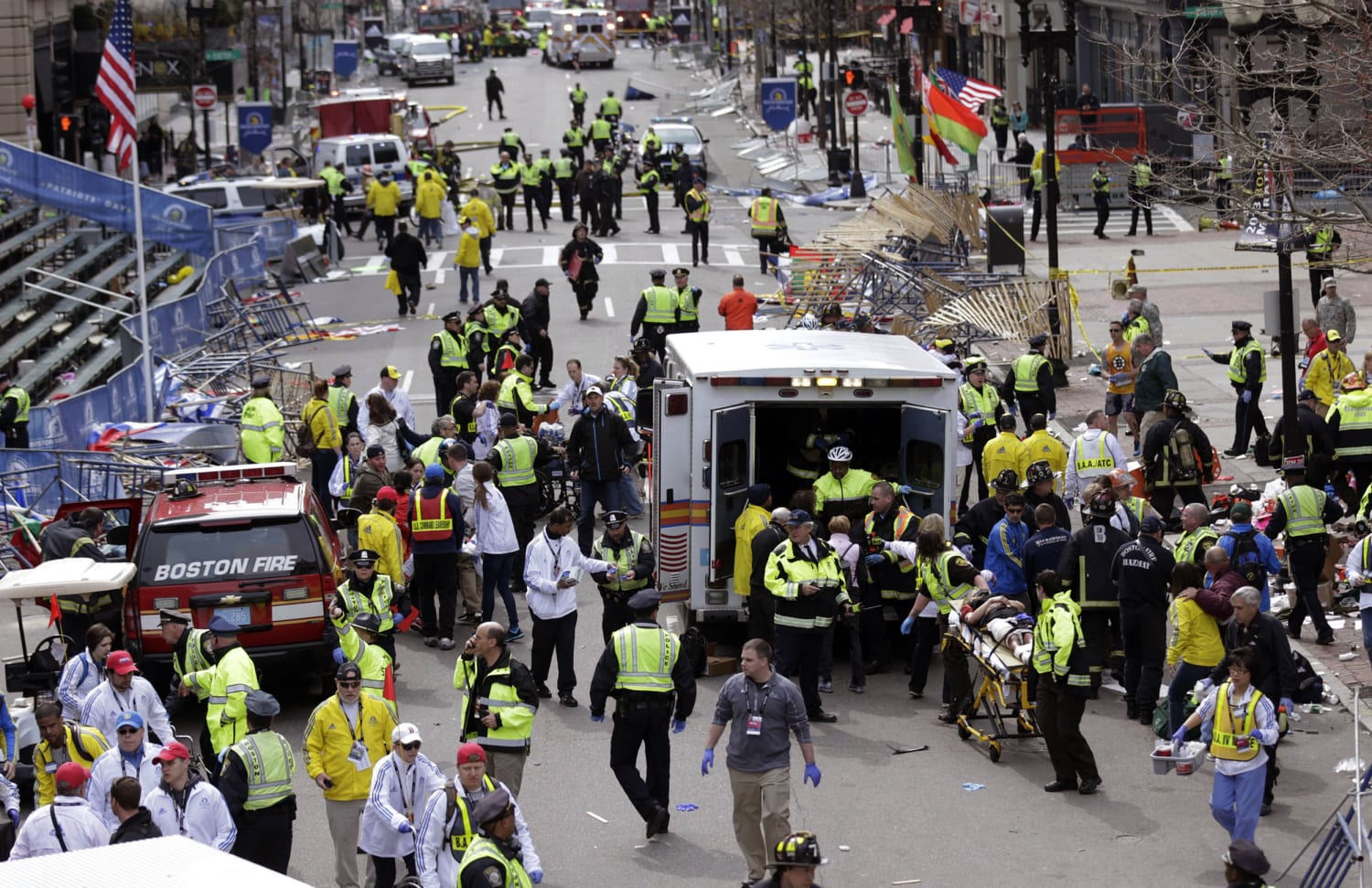
The 117th running of the Boston Marathon was a vibrant spectacle, drawing hundreds of thousands of spectators to line the 26.2-mile course from Hopkinton to Boston’s Copley Square. As elite runners and recreational athletes alike pushed towards the finish line, the atmosphere was electric with anticipation and cheer. However, at 2:49 PM EDT, the celebratory mood was shattered by a deafening explosion. Just 12 seconds later, a second blast rocked the street approximately 210 yards away.

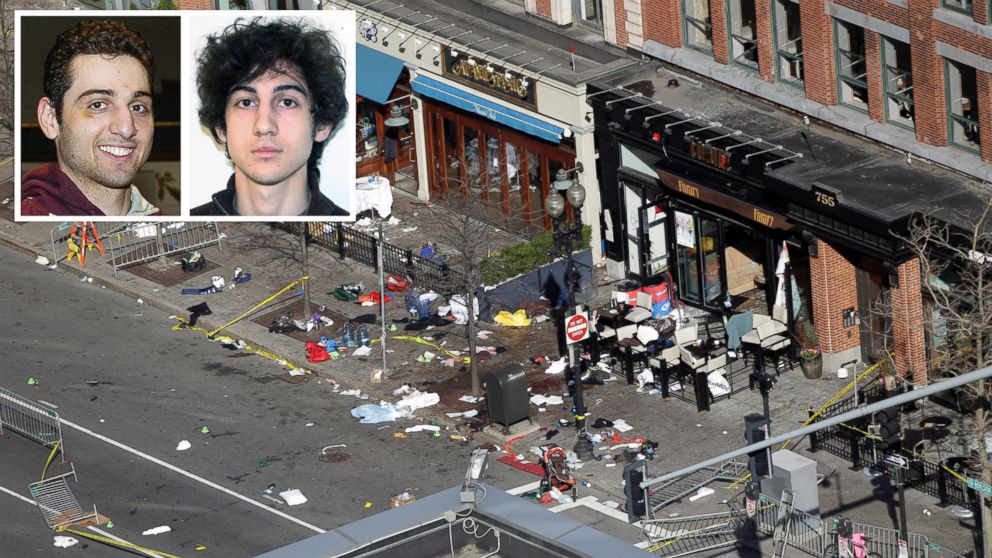
These were the two bombs that detonated at the Boston Marathon finish line. Both devices were homemade pressure-cooker bombs, packed with shrapnel including BBs and nails, designed to cause maximum harm. The first explosion occurred outside the Boston Public Library at 671 Boylston Street, and the second detonated further down the street at 755 Boylston Street, near the Fairmont Copley Plaza Hotel. The sheer proximity of the two blasts, coupled with the dense crowd of onlookers, amplified the devastation.
The attacks tragically killed three people: Krystle Campbell, Martin Richard, and Lingzi Lu. Hundreds more were injured, with many suffering catastrophic limb loss due to the shrapnel-filled devices. The blasts sent shockwaves far beyond Boylston Street, triggering a massive emergency response, a city-wide lockdown, and an international manhunt that captivated and gripped the nation. The immediate aftermath was a harrowing scene of chaos, heroism, and an unprecedented demonstration of community solidarity.
The Aftermath and Resilience of a City
In the immediate wake of the bombings, Boston transformed into a city on high alert. The subsequent days were marked by an intense investigation, led by the Federal Bureau of Investigation, which ultimately identified brothers Dzhokhar and Tamerlan Tsarnaev as the perpetrators. The manhunt culminated in a dramatic standoff and the death of Tamerlan Tsarnaev, followed by the capture of Dzhokhar Tsarnaev in Watertown, a suburb of Boston.
Throughout this period, the spirit of Boston shone through the darkness. The phrase “Boston Strong” became a rallying cry, symbolizing the unwavering resolve, courage, and compassion of the city’s residents and those who rushed to help. Medical professionals, first responders, and ordinary citizens acted with extraordinary bravery, providing immediate aid to the wounded and demonstrating an unparalleled commitment to their community. The outpouring of support from around the world underscored the universal shock and sympathy for the victims and the city.
The resilience was not merely reactive but enduring. The attacks fundamentally changed the security protocols for large public gatherings, particularly marathons, worldwide. Yet, it also reinforced the profound human need for community events and the determination to not let terror triumph over shared experiences. Boston didn’t just rebuild; it reaffirmed its identity, refusing to be defined by the actions of a few but rather by the strength of its many.
Commemoration and Remembrance: The Boston Marathon Memorial
In the years following the tragedy, the area around the finish line on Boylston Street has evolved into a significant landmark of remembrance. While temporary tributes of flowers, running shoes, and heartfelt messages marked the immediate aftermath, a permanent Boston Marathon Memorial now stands as a solemn reminder and a place of reflection.
The Permanent Memorial: A Place of Reflection
Dedicated in 2019, the Boston Marathon Memorial is located at the exact sites of the two explosions on Boylston Street. Designed by artist Pablo Eduardo, the memorial comprises four bronze spires, each representing one of the lives lost—the three who died immediately and Police Officer Sean Collier, who was killed by the bombers days later.
These spires are gently curved, evoking the movement of runners and the arc of their journey. Each spire is surrounded by a ring of stones, carefully selected and sourced from the area near the marathon’s starting line in Hopkinton. This subtle detail connects the finish line, a site of tragedy, back to the hopeful beginning of the race. The memorial also incorporates etched bronze plaques that share narratives of the individuals who perished, reminding visitors of the personal cost of the attack. Interactive elements allow visitors to gently touch the spires and read the inscriptions, fostering a deep sense of connection and contemplation. The design intentionally blends with the urban landscape, inviting quiet reflection without dominating the vibrant streetscape, recognizing that life and the race must continue.
Visiting the Site: What to Expect
For those visiting Boston, the memorial offers a poignant experience. Located amidst the bustling shops, restaurants, and architectural splendor of Copley Square, it serves as a powerful testament to memory and endurance. Visitors often pause here, observing the bronze markers embedded in the sidewalk that denote the precise spots of the explosions. These markers are subtle, yet their presence carries immense weight.
The memorial is accessible at all times, integrated seamlessly into the public space of Boylston Street. While it is a place for quiet contemplation, it is also a living part of the city, with people passing by, jogging, and interacting with their surroundings. This juxtaposition of daily life against a site of profound historical significance underscores Boston’s ability to heal and move forward while never forgetting. Many visitors bring flowers or small tokens to leave at the site, especially around the anniversary of the bombing or during the annual marathon, reinforcing its role as a communal place of mourning and tribute.
The Marathon as a Living Landmark: Beyond the Bombs
The Boston Marathon itself, predating the bombing by more than a century, is a landmark in its own right—a living monument to athletic achievement, human perseverance, and civic tradition. The 2013 attacks, while horrific, did not diminish its spirit; instead, they amplified its significance, transforming it into a global symbol of defiance and unity.
The Spirit of the Race Endures
Each year since 2013, the Boston Marathon has been run with renewed determination and increased participation. The roar of the crowds on Boylston Street is not merely for the runners but for the spirit of the event itself—a collective affirmation that hatred will not win. Security measures have been significantly enhanced, but the fundamental joy and community spirit of the marathon remain undiminished. Runners, many inspired by the events of 2013, come from all corners of the world to participate, seeking not just personal bests but also to be part of a larger narrative of triumph over adversity. The marathon has become a pilgrimage for many, an active engagement with a landmark of both athletic and historical importance.
Learning from History: A Landmark of Hope
The story of the two bombs at the Boston Marathon is a somber reminder of vulnerability, yet the enduring legacy is one of hope and resilience. The physical memorials on Boylston Street serve as poignant landmarks, inviting reflection on the past. But the marathon itself, run year after year, stands as a dynamic, living landmark—a testament to the human spirit’s capacity for recovery, remembrance, and resolute forward motion. It demonstrates how a community, confronted with unimaginable tragedy, can transform a site of sorrow into a beacon of shared strength and an enduring symbol of courage.
LifeOutOfTheBox is a participant in the Amazon Services LLC Associates Program, an affiliate advertising program designed to provide a means for sites to earn advertising fees by advertising and linking to Amazon.com. Amazon, the Amazon logo, AmazonSupply, and the AmazonSupply logo are trademarks of Amazon.com, Inc. or its affiliates. As an Amazon Associate we earn affiliate commissions from qualifying purchases.