
February in New York is often depicted in popular culture as a landscape of glistening white, a romantic backdrop for cozy evenings and brisk city strolls. But beyond the cinematic allure, what is the reality of winter weather in the Empire State during the second month of the year? For travelers planning a visit, understanding the likelihood and intensity of snowfall is crucial for packing appropriately and setting realistic expectations for outdoor activities. The answer, in short, is a resounding yes. New York, particularly the northern regions and upstate, experiences significant snowfall in February, while New York City can also be subject to winter storms.

February’s Winter Weather Profile in New York
February typically marks the heart of winter in New York. Following January, which is often the coldest month, February continues the trend of low temperatures and a high probability of precipitation. This precipitation frequently manifests as snow, especially as the month progresses. The average temperatures across the state in February hover well below freezing, creating ideal conditions for snow accumulation.
New York City: A Tale of Two Cities (Weather-wise)
While the entire state can experience snow, the impact and frequency differ significantly between the bustling metropolis of New York City and its more rural counterparts.
Snowfall Patterns in NYC
New York City, despite its northern latitude, experiences a milder winter than much of upstate New York. However, February is a prime candidate for snowstorms. The city averages a notable amount of snowfall in February, though this can vary dramatically from year to year. Some years might see just a dusting, while others are blanketed in several inches, or even feet, of snow. When snow does fall in the city, it transforms iconic locations like Times Square, the Central Park, and the surrounding neighborhoods into picturesque scenes.
Factors influencing NYC snowfall:
- Nor’easters: These powerful coastal storms are a significant driver of heavy snowfall in New York City and the broader Northeastern United States. They can bring strong winds, heavy precipitation, and disruptive conditions.
- Arctic Air Masses: When frigid air from the north collides with moisture from the Atlantic, it can lead to intense snow events.
- Temperature Fluctuations: February can experience a range of temperatures. While consistently below freezing promotes snowfall, brief thaws can turn snow into sleet or rain, impacting accumulation.
Upstate New York: A Winter Wonderland
For those venturing beyond the five boroughs, February in upstate New York is almost guaranteed to be snowy. Regions like the Adirondack Mountains, the Catskill Mountains, and areas around the Great Lakes (like Buffalo and Rochester) are accustomed to heavy snowfall throughout the winter months. February often records some of the highest average snowfall totals for these regions.
Key upstate snow destinations:
- Adirondack Park: This vast wilderness area is a haven for winter sports enthusiasts, with numerous ski resorts and opportunities for snowshoeing and cross-country skiing. Towns like Lake Placid, a former Olympic host, are frequently covered in snow.
- Finger Lakes Region: Known for its wineries, the Finger Lakes also offer beautiful winter scenery and chances for ice fishing and winter hiking.
- Western New York: Cities like Buffalo are notorious for their significant snowfall, often experiencing lake-effect snow from Lake Erie.
Planning Your February New York Trip
Understanding the likelihood of snow in February is essential for any traveler preparing for a trip to New York. Whether your destination is the urban energy of New York City or the serene winter landscapes of upstate, the weather will undoubtedly play a role in your experience.
Packing Essentials for February
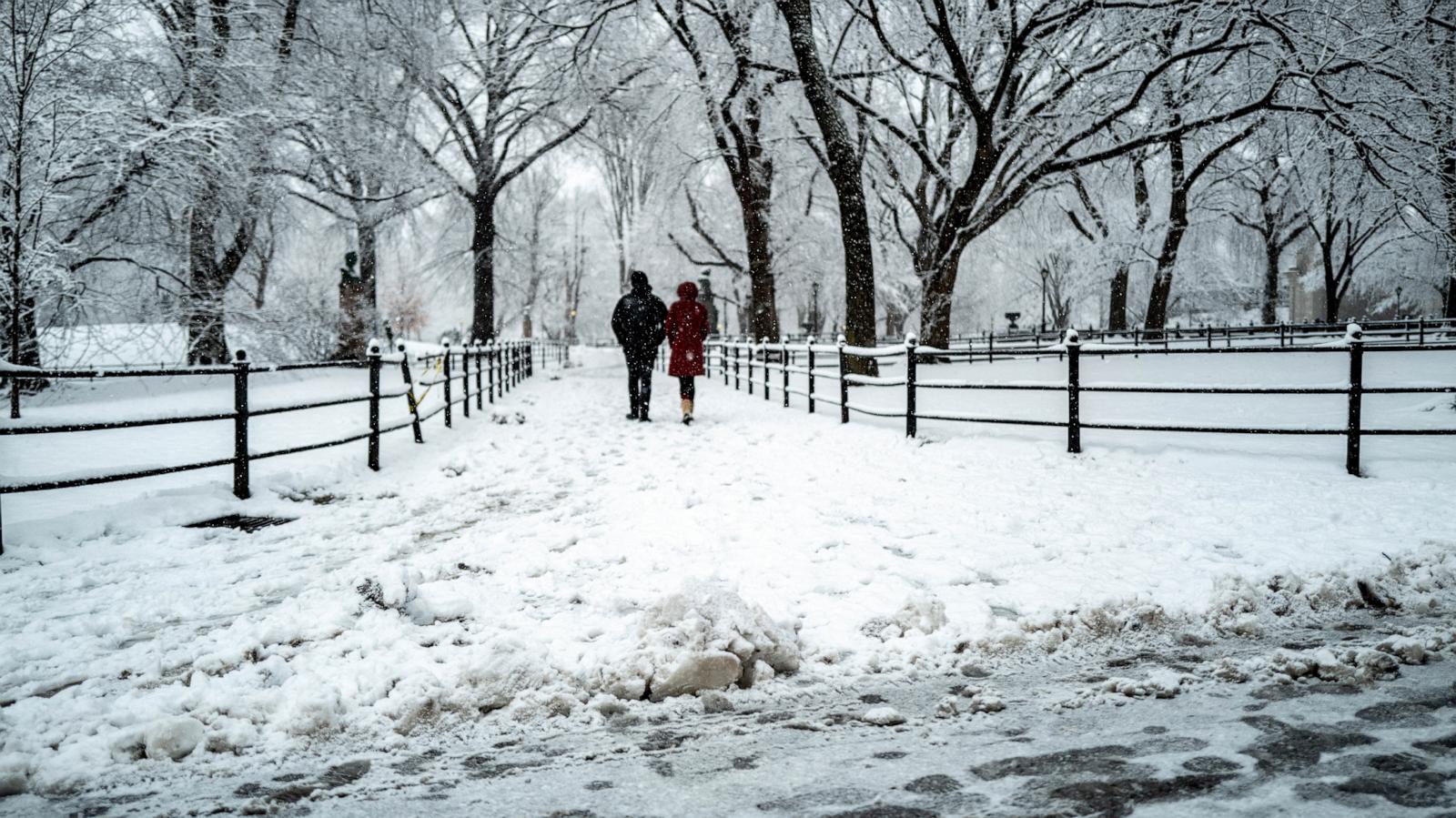
Regardless of your specific New York destination, packing for cold and potentially snowy weather is paramount. Layers are your best friend, allowing you to adjust to changing temperatures and indoor/outdoor transitions.
Key items to pack:
- Warm Outerwear: A waterproof and windproof winter coat is essential. Consider one with a hood for added protection against snow and wind.
- Base Layers: Thermal underwear made of wool or synthetic materials will help trap body heat.
- Mid-Layers: Fleece jackets or sweaters provide insulation.
- Bottoms: Insulated, waterproof pants are highly recommended, especially for upstate excursions or if you anticipate spending extended time outdoors in the city.
- Footwear: Waterproof, insulated boots with good traction are a must. Consider waterproof hiking boots for upstate or sturdy, warm boots for navigating snowy city streets.
- Accessories: Warm gloves or mittens, a scarf or neck gaiter, and a warm hat are crucial for protecting extremities from the cold. Wool socks are also a smart choice.
- Eye Protection: Sunglasses can be useful on bright, snowy days to prevent glare.
Travel Considerations and Logistics
The presence of snow can impact travel plans, so flexibility and preparedness are key.
Transportation
- Flights: While major airports like John F. Kennedy International Airport (JFK), LaGuardia Airport (LGA), and Newark Liberty International Airport (EWR) are equipped to handle snow, delays and cancellations can occur during severe winter storms. Always check flight status before heading to the airport.
- Driving: Driving in snowy conditions in New York can be challenging, particularly upstate. Roads are regularly plowed and treated, but caution is advised. Ensure your vehicle is equipped with appropriate tires, and consider carrying a winter emergency kit. If you are not comfortable driving in snow, consider alternative transportation or delaying your travel.
- Public Transportation: New York City’s extensive subway system is largely unaffected by snow, as it operates underground. Buses and commuter rail lines may experience delays or detours due to severe weather. Upstate, public transportation options are more limited, and snow can significantly impact schedules.
Accommodation and Activities
- Accommodation: Hotels and other lodging options remain open year-round. Booking in advance is always recommended, especially during peak winter periods. Many hotels offer amenities like heated pools or cozy common areas that are perfect for warming up after a day in the snow.
- Activities: Many of New York’s iconic attractions remain open in February, but their accessibility and appeal can be weather-dependent.
- Indoor Attractions: Museums like the Metropolitan Museum of Art, the American Museum of Natural History, and the Museum of Modern Art (MoMA) offer excellent indoor experiences, providing a perfect escape from the cold. Broadway shows and other indoor entertainment venues also offer a welcome respite.
- Outdoor Activities: If snow is abundant, opportunities for winter sports abound, particularly upstate. Ski resorts such as Hunter Mountain and Windham Mountain welcome visitors for skiing, snowboarding, and tubing. In the city, Central Park transforms into a winter playground for ice skating (at Wollman Rink or Lasker Rink), sledding on its hills, and simply enjoying the snowy scenery. Ice skating rinks also operate in other locations, like Rockefeller Center.
Embracing the Winter Magic
February in New York offers a unique travel experience. While snow is a distinct possibility, it should be seen not as an obstacle, but as an opportunity to witness a different side of this dynamic state. The crisp air, the potential for picturesque snow-covered landscapes, and the cozy indoor havens create a memorable winter escape.
The Appeal of a Snowy New York
A snow-dusted New York City can be incredibly romantic and charming. Imagine the sparkle of lights on snow in Times Square, the quiet beauty of a snow-covered Central Park, or the warmth of a cozy cafe after a brisk walk. Upstate, the landscape transforms into a serene, often breathtaking, winter wonderland perfect for outdoor adventures or quiet contemplation. The reduced crowds in some areas compared to warmer months can also be an added benefit for travelers seeking a more tranquil experience.

What to Expect Beyond the Snow
Even if snow doesn’t fall during your visit, February in New York is still a time of crisp, cold weather. Daytime temperatures are typically chilly, and evenings are quite cold. The days are also shorter than in the spring and summer months, meaning less daylight for sightseeing. However, this doesn’t diminish the vibrant cultural scene or the abundance of activities available. The city’s world-class museums, theaters, restaurants, and shops are all operating, offering endless possibilities for exploration and enjoyment.
In conclusion, to answer the question directly: yes, it does snow in New York in February. With careful planning, appropriate packing, and an open mind, a February visit to New York can be an exceptionally rewarding travel experience, offering both the excitement of a major metropolis and the potential for enchanting winter beauty.
LifeOutOfTheBox is a participant in the Amazon Services LLC Associates Program, an affiliate advertising program designed to provide a means for sites to earn advertising fees by advertising and linking to Amazon.com. Amazon, the Amazon logo, AmazonSupply, and the AmazonSupply logo are trademarks of Amazon.com, Inc. or its affiliates. As an Amazon Associate we earn affiliate commissions from qualifying purchases.