
The Culinary Heartbeat of Boston
The North End of Boston, often affectionately known as Boston’s Little Italy, is an iconic neighborhood that pulses with a vibrant gastronomic energy. For visitors and locals alike, the mere mention of the North End conjures images of bustling streets, the aroma of garlic and tomato sauce, and an almost overwhelming selection of Italian eateries. It’s a place where culinary tradition is not just preserved but celebrated, making it a cornerstone of Boston’s tourism landscape. The question of “how many restaurants” isn’t merely about a numerical count; it’s an inquiry into the very soul of a district defined by its food, its history, and its unwavering commitment to authentic flavors.

This compact, historic district, nestled along the waterfront, boasts an unparalleled concentration of dining establishments. From classic red-sauce joints that have been family-run for generations to modern trattorias pushing the boundaries of Italian cuisine, the North End offers a culinary journey unlike any other. Its enduring appeal lies not just in the sheer quantity of options but in the quality and diversity packed into its narrow cobblestone streets. Each restaurant tells a story, often reflecting decades of immigrant history, culinary evolution, and a deep-seated passion for food that permeates every corner of the neighborhood. Exploring its dining scene is an essential part of understanding Boston’s cultural fabric.
A Legacy of Italian Cuisine
The culinary landscape of the North End is inextricably linked to the waves of Italian immigration that began in the late 19th and early 20th centuries. These immigrants brought with them their regional cuisines, family recipes, and a profound appreciation for fresh, seasonal ingredients. Over time, these traditions flourished, transforming the neighborhood into the vibrant Italian enclave it is today. Restaurants became more than just places to eat; they were community hubs, gathering places where culture was shared, languages were spoken, and traditions were passed down. This legacy is still palpable, with many establishments proudly displaying their heritage and offering dishes rooted in Southern Italian traditions.
Beyond Pasta: A Diverse Palate
While Italian cuisine undeniably dominates, the North End dining scene offers more than just pasta and pizza. Seafood, given the neighborhood’s proximity to Boston’s harbor, features prominently on many menus, often with an Italian twist. Beyond full-service restaurants, the district is brimming with bakeries, cafes, gelaterias, and specialty food shops, each contributing to the rich tapestry of flavors. This extensive array of culinary businesses ensures that whether a visitor is seeking a hearty dinner, a quick espresso, a sweet treat, or fresh ingredients for a home-cooked meal, the North End delivers. The sheer density of these establishments within a relatively small area is a testament to the neighborhood’s enduring identity as a gastronomic destination.
Quantifying the Gastronomic Hub
Pinpointing an exact number of restaurants in Boston’s North End is akin to trying to count the stars—it’s constantly changing and depends on how you define “restaurant.” However, reliable estimates and local observations consistently place the figure remarkably high for such a compact area.
Estimating the Number
While official counts vary and are often outdated the moment they’re published, a generally accepted estimate suggests there are well over 100 distinct dining establishments within the North End. This figure encompasses everything from upscale ristorantes and traditional trattorias to casual pizzerias, bustling sandwich shops, charming cafes, and world-renowned bakeries. Some broader interpretations might even push the number higher, including smaller operations that might not be full-service restaurants but are vital components of the food scene, such as specialty cheese shops or small gelato stands. This density means that virtually every block, particularly along main arteries like Hanover Street and Salem Street, features multiple options, often side-by-side.
Challenges in Counting
The fluidity of the restaurant industry presents significant challenges to obtaining a precise, static count. New establishments open, others close, and some evolve their offerings, blurring the lines between categories. For instance:
- Definition of “Restaurant”: Does a small coffee shop serving pastries count? What about a bar that offers a full food menu? The North End is home to many such hybrid establishments.
- Seasonal Operations: Some outdoor cafes or ice cream shops might only operate during warmer months, further complicating a year-round tally.
- Turnover: The culinary world is dynamic, and even in a beloved neighborhood like the North End, businesses can change hands or concepts.
Despite these counting challenges, the undeniable truth is that the North End boasts an extraordinary concentration of eateries, making it one of the densest restaurant districts per square foot in the United States. This high concentration is a key element of its charm and a primary draw for tourists and food enthusiasts.
Exploring the Diversity of Dining
The sheer number of restaurants in Boston’s North End is impressive, but it’s the rich diversity of dining experiences that truly sets it apart. The neighborhood offers a spectrum of culinary delights that cater to every palate and occasion, reflecting both the deep-rooted traditions and the evolving tastes of its community.
Traditional Italian Trattorias
The backbone of the North End’s dining scene consists of its many traditional Italian trattorias and ristorantes. These establishments often specialize in classic dishes that evoke the flavors of regional Italy, particularly Southern Italy. Expect to find hearty pasta dishes like lasagna, ravioli, and spaghetti with meatballs, alongside veal parmesan, chicken piccata, and substantial seafood preparations. Many of these restaurants are family-owned and have been serving generations of patrons, maintaining recipes passed down through decades. The atmosphere is typically warm, inviting, and often bustling, embodying the quintessential Italian dining experience.
Modern Italian and Fusion Concepts
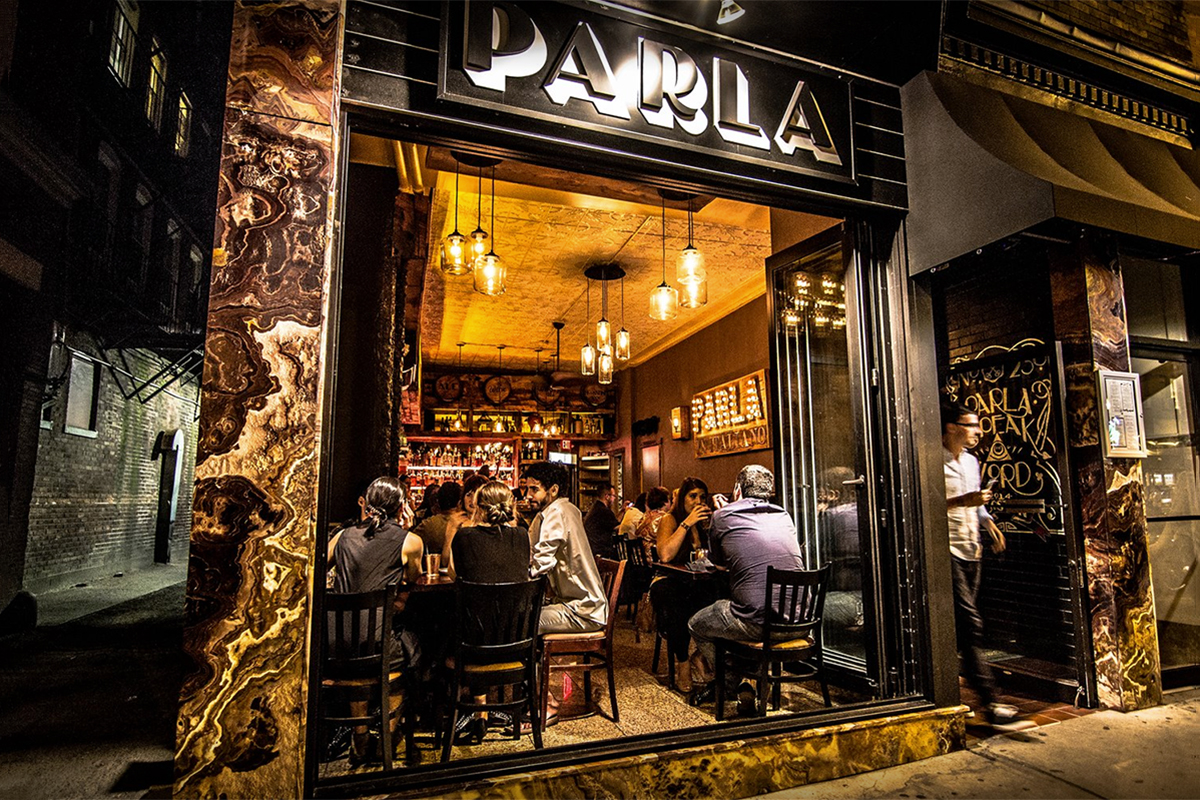
While tradition reigns supreme, the North End is not stagnant. A growing number of establishments are embracing modern Italian cuisine, offering contemporary interpretations of classic dishes or introducing fusion elements. These restaurants often feature innovative menus, sophisticated plating, and a focus on fresh, seasonal ingredients sourced locally and internationally. They might present a more minimalist decor or an open-kitchen concept, appealing to those seeking a refined and cutting-edge dining experience while still honoring Italian culinary principles. This blend ensures that the neighborhood remains relevant and exciting for diverse culinary preferences.
Bakeries, Cafes, and Sweet Shops
No visit to the North End is complete without indulging in its legendary sweet treats. The neighborhood is famous for its competing bakeries, most notably Mike’s Pastry and Modern Pastry, both drawing long lines of eager customers daily. These institutions, along with numerous smaller patisseries and cafes, offer an astounding array of cannoli, sfogliatelle, tiramisu, cookies, and other Italian pastries. Beyond the sweet, cafes also serve up robust espressos and cappuccinos, providing the perfect start to a day or a mid-afternoon pick-me-up. Gelaterias add another layer of sweetness, offering artisanal gelato in a rainbow of flavors, especially popular during warmer months.
Other Cuisines and Culinary Surprises
While Italian food is the undisputed king, the North End occasionally surprises visitors with other culinary influences. Seafood restaurants focusing on New England fare, small American bistros, or even a casual pub can be found interspersed among the Italian eateries. These establishments add a touch of variety to the district’s culinary offerings, proving that while its identity is firmly Italian, the neighborhood is not entirely monolithic. Exploring the side streets and venturing slightly off the main thoroughfares can sometimes lead to delightful culinary discoveries beyond the expected.
The North End Dining Experience: More Than Just Food
The experience of dining in the North End transcends the mere act of eating; it is an immersion into a rich cultural tapestry where food, history, and community intertwine. This unique atmosphere is a significant draw for the millions of tourists who visit Boston each year, seeking an authentic taste of Little Italy.
Ambiance and Atmosphere
The ambiance of the North End is distinctive. Narrow, often one-way streets are lined with historic brick buildings, many of which house restaurants with charming storefronts. During warmer months, outdoor dining spills onto sidewalks, creating a vibrant, European-like street scene. The air is often filled with a symphony of sounds: lively chatter, the clinking of glasses, distant strains of accordion music, and the pervasive aroma of garlic, olive oil, and freshly baked goods. This sensory richness contributes to an immersive dining experience that is both intimate and exhilarating. Many restaurants cultivate a cozy, unpretentious feel, while others offer more refined and elegant settings, yet all share a common thread of hospitality.
Seasonal and Festival Dining
The North End’s culinary calendar is punctuated by traditional Italian feasts and festivals, which transform the neighborhood into an even more vibrant celebration of food and culture. Summer and early fall are particularly lively, with events like Saint Anthony’s Feast and the Fisherman’s Feast. During these times, food vendors line the streets, offering classic Italian street food alongside carnival rides and religious processions. These festivals provide a unique opportunity to sample a wider array of specialty dishes, engage with the local community, and experience the cultural traditions that are deeply intertwined with the neighborhood’s culinary identity. Dining during these periods is an unforgettable experience, albeit often a crowded one.
The Local Connection
What makes the North End particularly special is the strong sense of local community that still thrives amidst the tourist bustle. Many restaurants are multi-generational family businesses, where owners and staff have deep roots in the neighborhood. This local connection often translates into passionate service, pride in their culinary heritage, and a genuine desire to provide guests with an authentic experience. Engaging with restaurant owners or staff often reveals fascinating stories about their family history, the evolution of their recipes, and their commitment to preserving the North End’s unique character. This personal touch is a powerful ingredient in the overall dining experience, fostering a sense of warmth and belonging.
Navigating the North End’s Culinary Scene
With over a hundred dining establishments packed into a few square blocks, navigating the North End’s culinary scene can feel both exciting and overwhelming. To make the most of your gastronomic adventure, a few strategic tips can enhance your experience significantly.
Tips for First-Time Visitors
For those new to the North End, the sheer volume of choices can be daunting. Start by identifying what type of experience you’re seeking: a classic, hearty Italian meal, a refined modern dinner, or simply a quick pastry and coffee. Don’t be afraid to venture beyond Hanover Street, the main thoroughfare. Side streets like Salem Street, Prince Street, and Fleet Street often house hidden gems that offer equally authentic and delicious fare, sometimes with shorter wait times. Reading recent reviews on reputable food sites can also provide valuable insights into current favorites and specific dishes worth trying. Consider a food tour, which can offer a curated introduction to the neighborhood’s culinary highlights and history.
Making Reservations and Avoiding Crowds
The North End is incredibly popular, especially on weekend evenings and during peak tourist seasons. For popular restaurants, particularly those with a strong reputation, making reservations well in advance is highly recommended. Many establishments use online booking platforms, simplifying the process. If reservations aren’t an option or you prefer spontaneity, aim to dine earlier (before 6 PM) or later (after 8 PM) to avoid the peak rush. Weekday visits generally offer a more relaxed experience with shorter waits. Lunchtime can also be an excellent opportunity to sample some of the North End’s best offerings without the evening crowds. Be prepared for potential lines at the famous bakeries like Mike’s Pastry and Modern Pastry regardless of the time of day.
Beyond the Main Streets
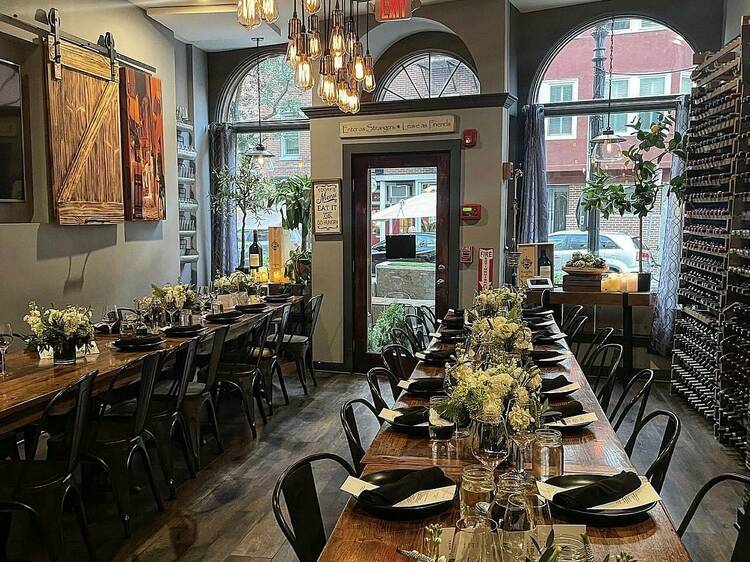
While Hanover Street and Salem Street are bustling with activity, some of the most charming and authentic spots are tucked away on the smaller, less-trafficked side streets. A leisurely stroll through the neighborhood, allowing yourself to wander off the beaten path, often leads to delightful discoveries. You might stumble upon a quiet cafe, a family-run trattoria with a loyal local following, or a specialty food shop offering unique Italian imports. This exploration not only enhances your culinary adventure but also provides a deeper appreciation for the historical architecture and residential charm of the North End. Combine your dining quest with a walk along parts of the Freedom Trail, which winds through the neighborhood, or visit nearby attractions like Faneuil Hall Marketplace to make a full day of your Boston experience. Ultimately, the North End’s culinary scene is a journey of discovery, offering endless opportunities to savor Italian heritage one delicious bite at a time.
LifeOutOfTheBox is a participant in the Amazon Services LLC Associates Program, an affiliate advertising program designed to provide a means for sites to earn advertising fees by advertising and linking to Amazon.com. Amazon, the Amazon logo, AmazonSupply, and the AmazonSupply logo are trademarks of Amazon.com, Inc. or its affiliates. As an Amazon Associate we earn affiliate commissions from qualifying purchases.