
Maintaining a pristine and hygienic spa tub is paramount for an enjoyable and therapeutic experience, especially when it comes to the intricate jet system. These powerful jets, responsible for the invigorating hydrotherapy, can become breeding grounds for bacteria, mold, and mineral deposits if not regularly cleaned. Over time, this buildup can diminish the effectiveness of the jets, impact water flow, and potentially lead to unpleasant odors or even health concerns. This guide provides a comprehensive approach to cleaning your spa tub jets, ensuring they perform optimally and contribute to a truly rejuvenating soak. We will delve into the materials you’ll need, step-by-step cleaning processes for different types of buildup, and preventative measures to keep your spa jets in peak condition.

Understanding Spa Tub Jet Systems and Their Maintenance Needs
Spa tub jets are more than just aesthetic features; they are meticulously engineered components designed to deliver a powerful and customizable massage experience. Understanding their basic anatomy and common issues is the first step towards effective maintenance. Most spa tubs utilize either air jets or water jets, or a combination of both.
Types of Spa Tub Jets
- Water Jets: These are the most common type, delivering a focused stream of water. They typically consist of a nozzle, a housing, and sometimes an adjustable directional control. The internal mechanisms can accumulate mineral deposits from hard water, as well as soap scum and body oils.
- Air Jets: These jets introduce air into the water, creating a bubbly, effervescent sensation. They are generally simpler in design, often featuring a small opening that draws in air. While less prone to mineral buildup, they can still harbor mold and mildew, especially in the air intake lines.
- Combination Jets: Many modern spa tubs incorporate both air and water jets to provide a more comprehensive hydrotherapy experience.
Common Issues Affecting Jet Performance
- Clogged Jets: Mineral deposits (calcium and magnesium), soap residue, and organic matter can obstruct the jet nozzles, reducing water pressure and flow. This can result in uneven or weak massage patterns.
- Mold and Mildew: The warm, moist environment of a spa tub is ideal for mold and mildew growth. This can manifest as discoloration around the jets, unpleasant odors, and potential health irritants.
- Reduced Hydrotherapy Effectiveness: When jets are clogged or partially blocked, the intended therapeutic benefits, such as muscle relaxation and stress relief, are significantly diminished.
- Unpleasant Odors: Accumulated organic matter and bacteria can produce foul smells, which are particularly noticeable when the spa is in use or when the cover is removed.
Regular cleaning addresses these issues, ensuring your spa tub continues to be a sanctuary of relaxation and wellness. It is important to note that the frequency of cleaning will depend on your usage habits, water quality, and the specific model of your spa tub. However, a general guideline is to perform a deep clean of the jets at least every 1-3 months.
Deep Cleaning Your Spa Tub Jets: A Step-by-Step Guide
Achieving sparkling, functional spa tub jets requires a systematic approach. This section outlines the most effective methods for removing stubborn buildup and ensuring hygienic operation.
Preparing Your Spa Tub for Cleaning
Before you begin the cleaning process, it is crucial to take a few preparatory steps to ensure safety and efficiency.
- Drain the Tub: Completely drain all water from the spa tub. This allows for unobstructed access to the jets and ensures that cleaning solutions can work directly on the internal components.
- Gather Your Supplies: Having all necessary items at hand will streamline the process. You will typically need:
- Spa cleaner or a specialized jet cleaner (available at most spa supply stores or online retailers like lifeoutofthebox.com)
- White vinegar
- Baking soda
- Soft cloths or microfiber towels
- An old toothbrush or a small, soft-bristled brush
- A spray bottle
- Protective gloves and eyewear
- Optional: A shop vacuum with a hose attachment for drying
The Vinegar and Baking Soda Method
This natural and effective method utilizes the cleaning power of white vinegar to dissolve mineral deposits and the gentle abrasive action of baking soda to scrub away residue.
Step 1: Apply Vinegar Solution
- Fill a spray bottle with undiluted white vinegar.
- Spray the vinegar generously onto the jet nozzles, allowing it to soak for at least 15-20 minutes. For particularly stubborn buildup, you can let it sit for longer, even up to an hour. The acidity of the vinegar will begin to break down calcium and other mineral deposits.
Step 2: Scrub the Jets
- After the vinegar has had time to work, use your soft-bristled brush or an old toothbrush to gently scrub around each jet nozzle. Focus on any visible residue or discoloration. Be careful not to scrub too vigorously, as this could scratch the acrylic or plastic components of the jets.
- For jets with removable covers or screens, gently detach them (if applicable and you are comfortable doing so) and scrub them separately before reattaching.
Step 3: Rinse and Repeat (if necessary)
- Rinse the area around the jets with clean water.
- If you still observe significant buildup, repeat steps 1 and 2.
Step 4: Use Baking Soda Paste for Deeper Cleaning
- In a small bowl, mix baking soda with a small amount of water to create a thick paste.
- Apply this paste to the jet nozzles and surrounding areas.
- Gently scrub again with your soft brush. The baking soda acts as a mild abrasive, helping to lift away any remaining grime and deodorize the jets.
- Rinse thoroughly.
Using Specialized Spa Cleaners
For a more intensive clean or if you prefer a commercial solution, specialized spa cleaners are highly effective. These products are formulated to dissolve oils, soap scum, and mineral deposits without damaging spa components.
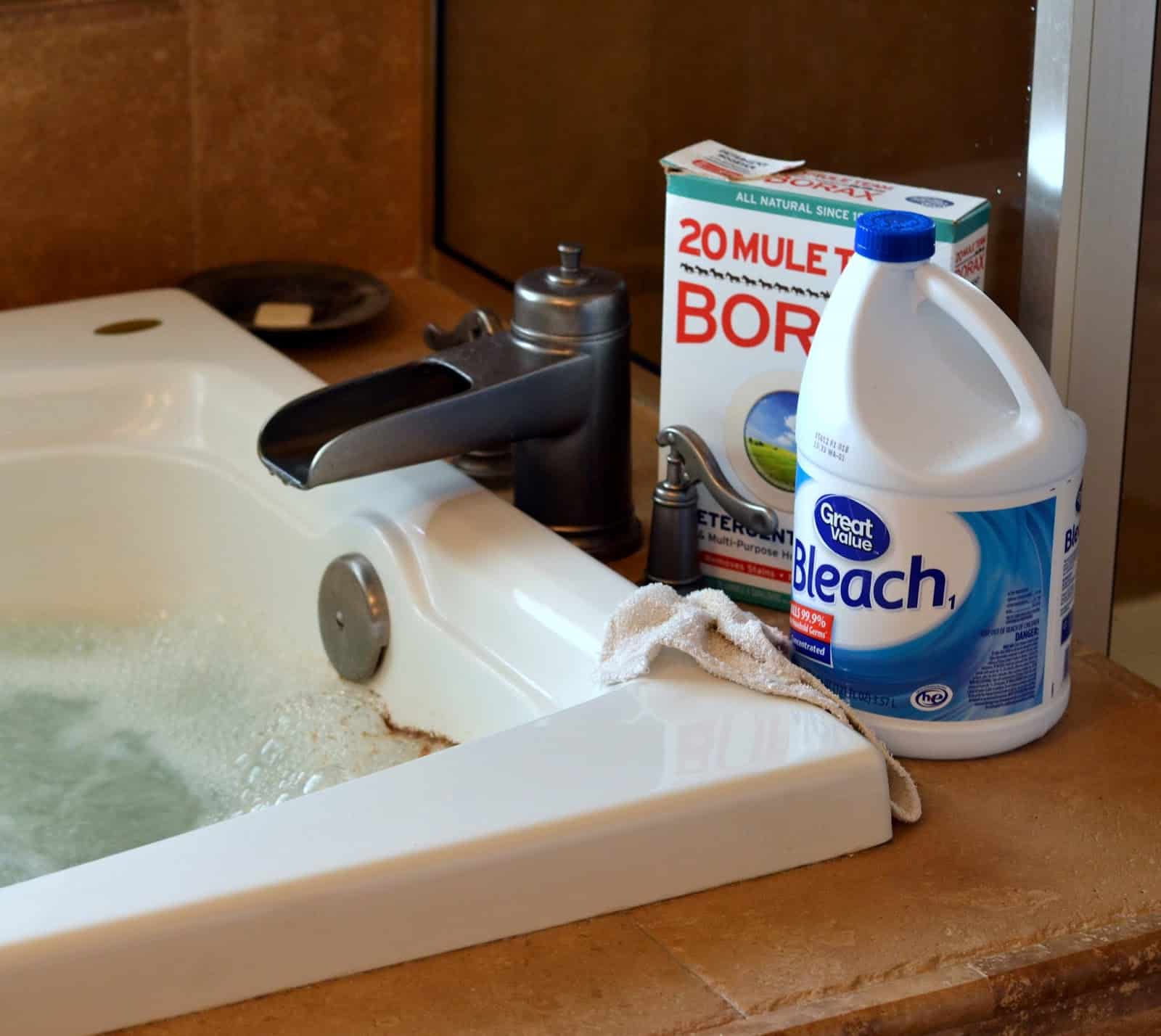
Step 1: Follow Product Instructions
- Always read and adhere to the manufacturer’s instructions on the spa cleaner bottle. Dosage and application methods can vary.
- Typically, you will add a specific amount of the cleaner to the drained tub and then refill it with water.
Step 2: Circulate the Cleaning Solution
- Turn on the spa jets and allow the cleaning solution to circulate throughout the plumbing system for the duration recommended by the product manufacturer (usually 20-30 minutes). This ensures the cleaner reaches all internal components, including the jet mechanisms and the pipes connecting them.
Step 3: Drain and Rinse
- After the circulation cycle, drain the tub completely.
- Refill the tub with clean water and run the jets for another 5-10 minutes to thoroughly rinse out any residual cleaner and loosened debris.
- Drain the tub one last time.
Cleaning Removable Jet Inserts
Some spa tubs feature removable jet inserts, which can be taken out for a more thorough cleaning.
- Identify and Remove: Consult your spa tub’s manual to identify if your jets are removable and how to detach them. This often involves a simple twist-and-pull or unscrewing mechanism.
- Soak: Once removed, soak the jet inserts in a solution of equal parts white vinegar and water for several hours or overnight. This will help break down any internal buildup.
- Scrub: Use a small brush to clean any visible residue from the inside and outside of the inserts.
- Rinse and Dry: Thoroughly rinse the jet inserts with clean water and allow them to air dry completely before reinserting them into the spa tub.
Maintaining Clean Spa Tub Jets: Preventative Measures and Best Practices
Consistent maintenance is key to preventing severe buildup and ensuring your spa tub jets remain in optimal condition. Implementing these simple practices will significantly reduce the need for deep cleaning and prolong the lifespan of your spa’s components.
Regular Draining and Rinsing Between Uses
While not a deep clean, a quick rinse can make a significant difference.
- Post-Soak Rinse: After each use, consider running the jets for a few minutes with fresh water to flush out any loose debris, oils, or lotions that may have entered the system.
- Periodic Draining: Even if you use your spa infrequently, it’s a good practice to drain and rinse the tub thoroughly every few months. This prevents stagnant water from contributing to bacterial growth or mineral sedimentation.
Proper Water Chemistry Management
Maintaining balanced water chemistry is crucial not only for bather comfort and safety but also for the health of your spa’s equipment.
- Test Regularly: Use a spa water testing kit to monitor pH, alkalinity, and sanitizer levels. Aim to keep your pH between 7.2 and 7.8, alkalinity between 80 and 120 ppm, and sanitizer levels appropriate for your chosen sanitizer (e.g., chlorine or bromine).
- Shock Treatment: Periodically “shock” your spa water by adding a higher dose of sanitizer. This helps to oxidize organic contaminants and break down biofilm that can accumulate in the jets and plumbing. Follow the product’s instructions for shock treatment frequency and dosage.
- Use Quality Water Treatments: Employ high-quality spa sanitizers and balancing chemicals. Avoid using household cleaning products in your spa, as they can disrupt water balance and damage components.
Using Spa Covers Effectively
A good quality spa cover is an essential accessory for maintaining cleanliness and efficiency.
- Keep Debris Out: The cover acts as a barrier against leaves, dirt, insects, and other environmental debris that can enter the water and clog jets.
- Reduce Evaporation: By minimizing water evaporation, the cover helps to conserve water and reduce the concentration of minerals that can lead to scaling.
- Regular Cleaning of the Cover: Don’t forget to clean your spa cover periodically. Dirt and debris on the cover can easily transfer into the spa water when the cover is removed.
Avoiding Contaminants in the Water
What goes into the spa water directly impacts the cleanliness of the jets and plumbing.
- Shower Before Use: Encourage all bathers to shower before entering the spa to remove lotions, oils, perfumes, and sweat, which can clog jets and contribute to biofilm buildup.
- Avoid Soaps and Shampoos: Do not use regular soaps or shampoos in the spa water. Opt for specialized spa-approved products if needed.
- Rinse Bathing Suits: If wearing bathing suits, rinse them with clean water before entering the spa to remove any residual detergent or fabric softener.

Professional Servicing and Inspection
While DIY cleaning is effective for routine maintenance, occasional professional servicing can address issues you might miss.
- Annual Inspection: Consider having a spa technician inspect your spa tub annually. They can identify potential problems with the jets, pumps, and plumbing that might not be apparent during a routine clean.
- Deep Plumbing Flush: Some professionals offer a deep plumbing flush service that can help remove stubborn buildup from within the pipes.
By diligently following these preventative measures, you can significantly extend the life of your spa tub jets, ensure consistent performance, and enjoy a consistently clean and therapeutic hydrotherapy experience. A well-maintained spa is an investment in your well-being and relaxation.
LifeOutOfTheBox is a participant in the Amazon Services LLC Associates Program, an affiliate advertising program designed to provide a means for sites to earn advertising fees by advertising and linking to Amazon.com. Amazon, the Amazon logo, AmazonSupply, and the AmazonSupply logo are trademarks of Amazon.com, Inc. or its affiliates. As an Amazon Associate we earn affiliate commissions from qualifying purchases.